One: Why This Comparison Matters More Than You Think
Let’s cut to the chase. When you’re building or renovating a water system, the fittings you choose are literally the joints that hold everything together. Get them wrong, and you’re dealing with leaks, contamination, and a headache that lasts decades. Two of the most popular metallic fitting materials out there are stainless steel and brass. Both have their fans, both have their flaws. So which one should you actually go with?
If you’ve been following IFAN’s product line, you already know we make both SS series and brass PPR fittings. Today we’re going to break down the real differences so you can make a smart call.
Two: Corrosion Resistance — Stainless Steel Wins, No Question
Here’s where things get interesting. 304 stainless steel, which is what IFAN uses in their SS series fittings, has a tensile strength between 515–827 MPa. That’s serious muscle. More importantly, it forms a chromium oxide passive layer on the surface that basically makes it immune to rust. Whether you’re dealing with hard water, chlorinated water, or even slightly acidic environments, stainless steel just doesn’t care.
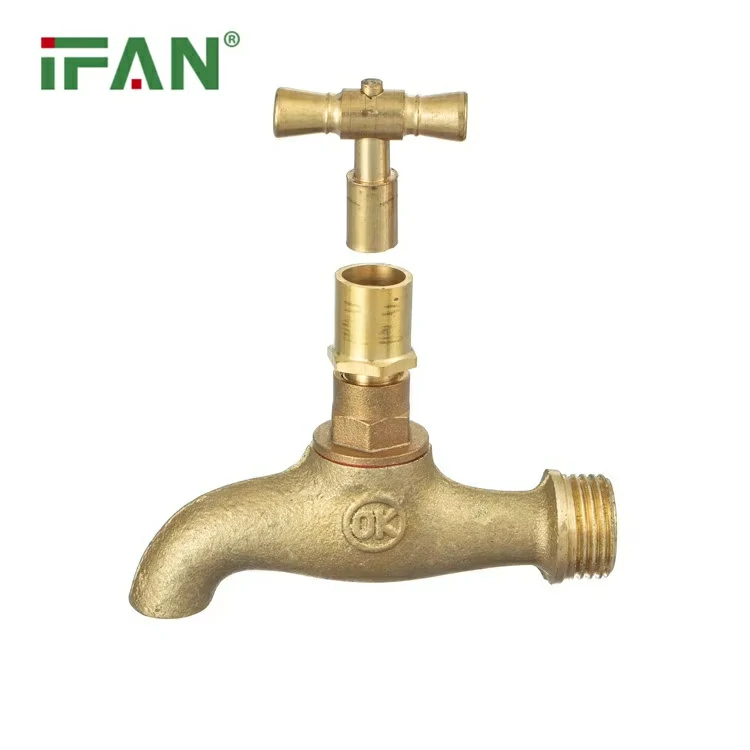
Brass? It’s a different story. Brass is a copper-zinc alloy, and its biggest weakness is something called dezincification. In water with chloride ions or ammonia, the zinc leaches out over time. What’s left is a porous, weak copper structure that can fail. Real-world data shows brass fittings in aggressive water environments can start showing corrosion damage in as little as one year. Stainless steel? You’re looking at 50+ years without a single worry.
Three: Strength and Pressure — Stainless Steel Takes the Crown Again
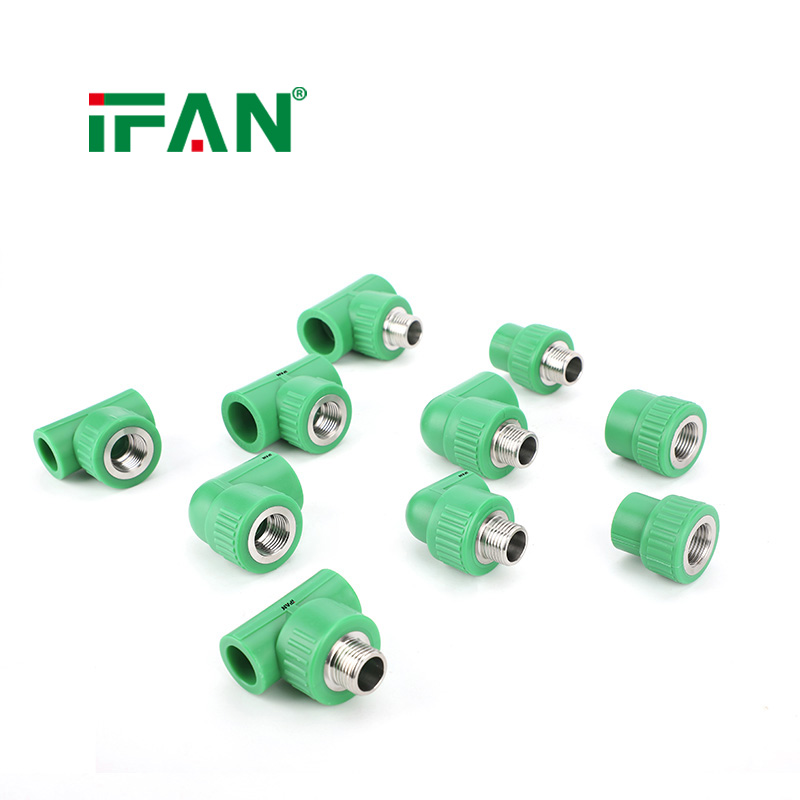
Stainless steel fittings from IFAN’s SS series handle working pressures from 1.6 MPa all the way up to 32 MPa. That makes them perfect for high-rise buildings, commercial plumbing, and industrial water systems. Brass fittings, on the other hand, are generally limited to around 1 MPa or less. For residential low-pressure systems, brass is fine. But if you’re pushing the limits, stainless steel is the only sane choice.
The hardness difference backs this up too. Stainless steel sits at 150–250 HV (Vickers hardness), while brass is only 60–120 HV. That means stainless steel fittings resist wear, deformation, and impact far better than their brass counterparts.
Four: Water Safety — This One’s a Big Deal
If you care about what’s actually flowing through your pipes, stainless steel wins again. 304 stainless steel is the same material used in medical implants. It doesn’t leach anything into your water. No red water, no blue-green water, no weird metallic taste.
Brass has a darker side. The copper and zinc in brass can leach into drinking water, especially when the water sits stagnant overnight. Studies have shown that excessive copper intake is harmful, particularly for children’s cognitive development. Lead in brass solder compounds makes it even worse. IFAN’s brass fittings use lead-free materials, but the copper leaching issue still exists to some degree.
Five: Cost — Brass Has the Edge (For Now)
Let’s be honest about money. Raw brass runs about 42 CNY per kilogram, while 304 stainless steel is around 15.5 CNY per kilogram. So brass raw material costs roughly 2.7 times more. However, stainless steel is harder to machine, which raises processing costs. The end result? For small residential jobs, brass fittings can actually be cheaper upfront. But over a 50-year lifespan, stainless steel from IFAN’s SS series costs significantly less because you never have to replace it.
Six: The Bottom Line — Pick Based on Your Situation
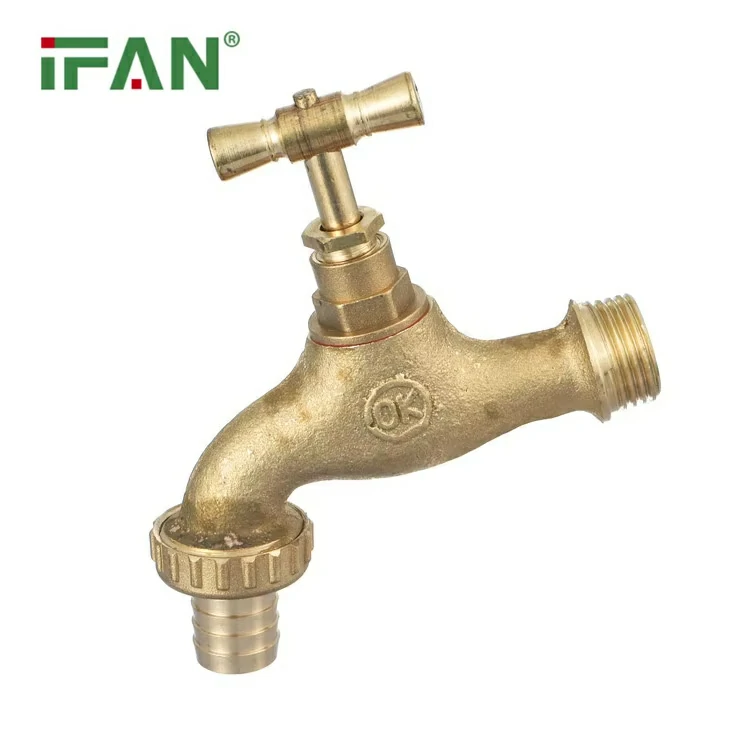
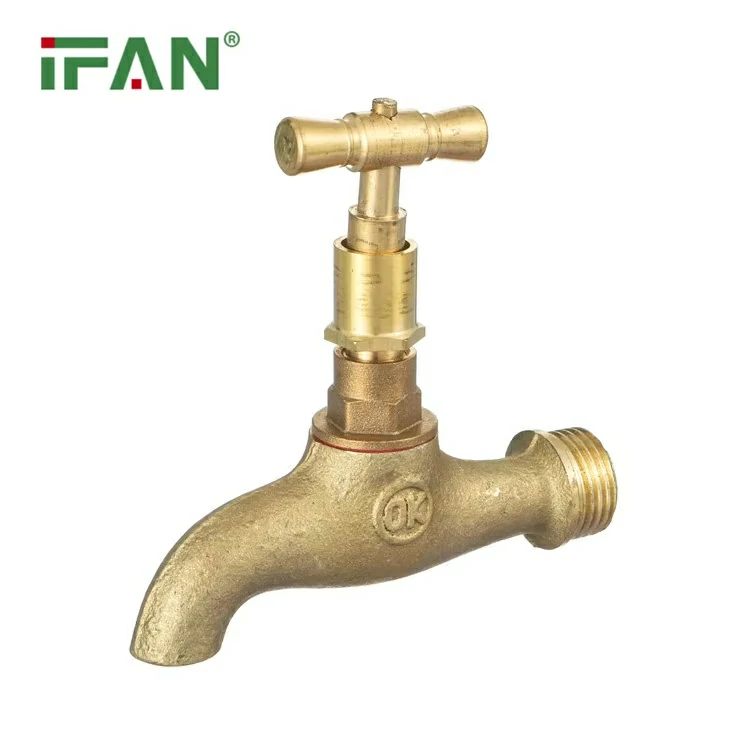
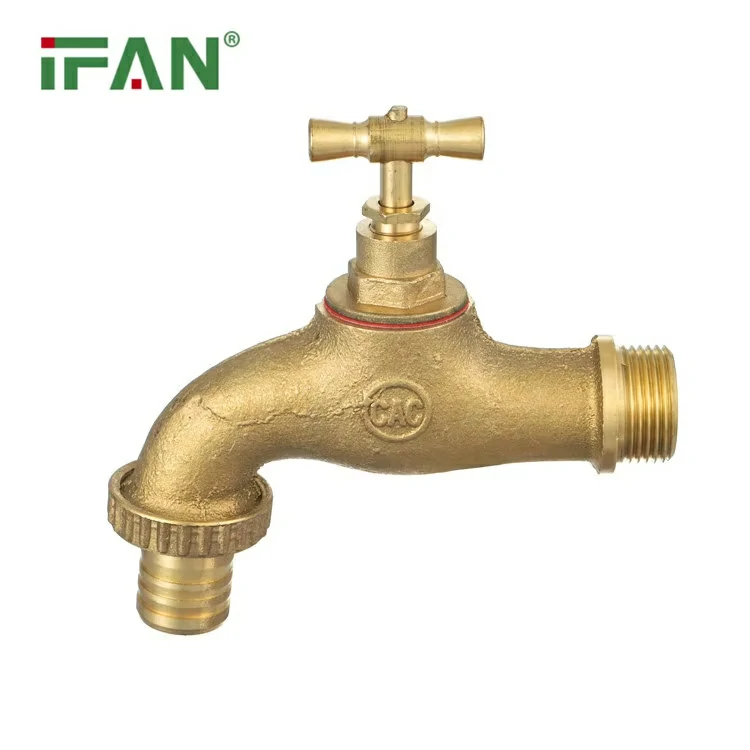
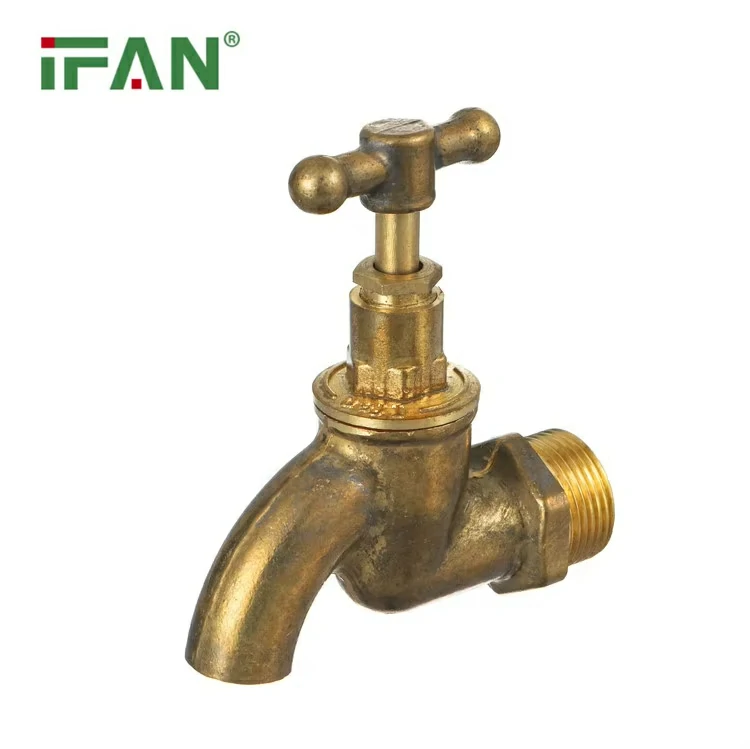
For standard residential plumbing with good water quality, IFAN’s brass PPR fittings are a solid, cost-effective choice. They’re easy to install, seal well, and have decades of proven track record.
But if you’re dealing with harsh water, high pressure, commercial projects, or you just want something that lasts forever — IFAN’s SS stainless steel PPR fittings are the way to go. Better corrosion resistance, higher pressure rating, safer water, longer life. It’s not even close.
Don’t just take our word for it. IFAN offers free samples and a 3-year warranty on all products. Test it yourself, then decide.