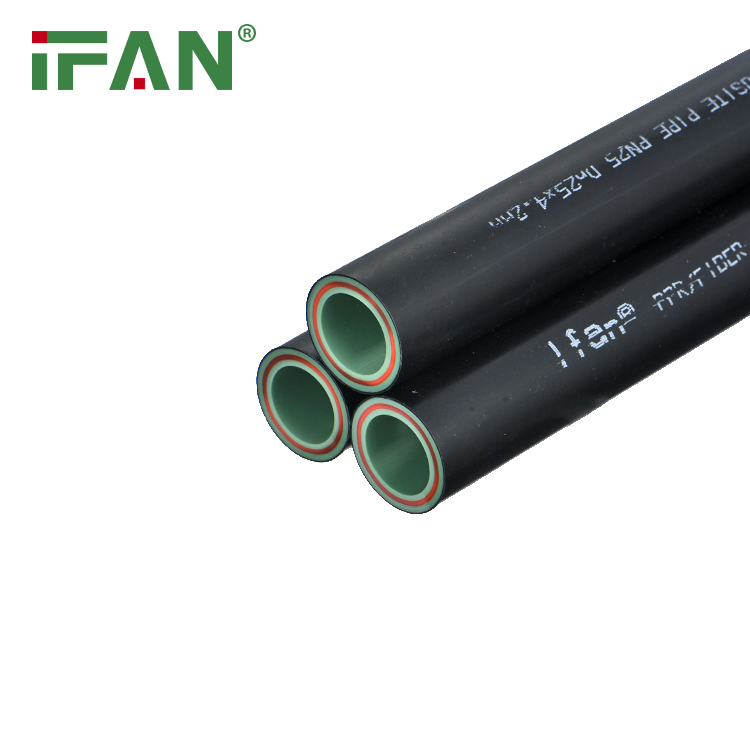
Exploring the Cost-Efficiency of PPR Fiberglass Pipes
Introduction
PPR (Polypropylene Random Copolymer) fiberglass pipes have gained popularity in various industries due to their numerous advantages, including cost-efficiency. In this article, we will explore the cost-efficiency of PPR fiberglass pipes and how they can contribute to long-term savings. Let’s break down each section into separate headings.
1. Initial Investment
The initial cost of PPR fiberglass pipes may be slightly higher compared to traditional piping materials. However, this initial investment is offset by the long-term benefits they offer. PPR fiberglass pipes have excellent durability and resistance to corrosion, which reduces the need for frequent repairs or replacements. This results in lower maintenance costs and minimizes downtime, ultimately saving money in the long run.
2. Energy Efficiency
PPR fiberglass pipes have superior thermal insulation properties, which help to reduce heat loss during fluid transportation. This translates into energy savings, especially for systems that require temperature-controlled environments or for applications where efficiency is crucial. The reduced energy consumption contributes to cost savings over the lifespan of the piping system.
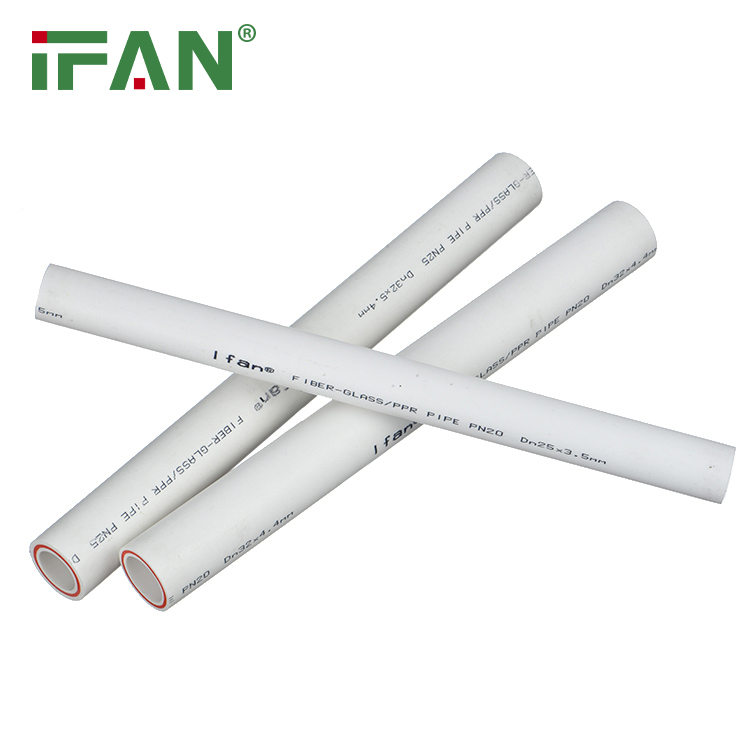
3. Reduced Installation Time and Labor Costs
The installation process for PPR fiberglass pipes is relatively quick and straightforward, resulting in reduced labor costs. The pipes are lightweight and easy to handle, making installation faster and more efficient. Additionally, the use of specialized joining methods, such as socket fusion welding or electrofusion, eliminates the need for complex and time-consuming techniques like soldering or threading. This reduces installation time and minimizes labor expenses.
4. Resistance to Chemicals and Corrosion
PPR fiberglass pipes exhibit excellent resistance to a wide range of chemicals and corrosive substances. This eliminates the need for expensive protective coatings or linings, reducing both material costs and ongoing maintenance requirements. The pipes’ ability to withstand harsh chemical environments ensures long-term reliability and longevity, resulting in cost savings over time.
5. Long Service Life
PPR fiberglass pipes are designed to have a long service life, often exceeding 50 years. Their robust construction and resistance to aging, UV radiation, and environmental factors contribute to their longevity. With proper maintenance and care, the need for frequent replacements is reduced, saving on material and labor costs associated with pipe replacement.
6. Reduced Leakage and Water Loss
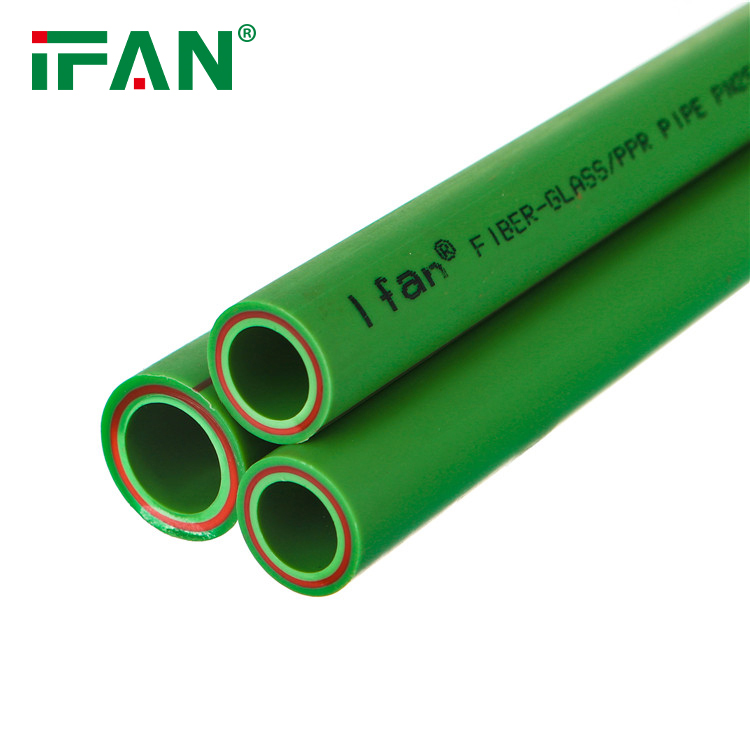
PPR fiberglass pipes have excellent joint integrity, resulting in reduced leakage and water loss. The tight and secure joints, created through fusion welding methods, ensure a reliable and leak-free system. The reduction in water loss not only saves on water expenses but also minimizes the need for repairs and the associated costs of water damage restoration.
Conclusion
PPR fiberglass pipes offer a cost-efficient solution for various industries. While the initial investment may be higher, the long-term benefits outweigh the upfront costs. The durability, energy efficiency, reduced installation time, and labor costs, resistance to chemicals and corrosion, long service life, and minimal leakage contribute to the overall cost savings. By choosing PPR fiberglass pipes, industries can achieve long-term cost-efficiency, improve operational efficiency, and enjoy the advantages of a reliable and durable piping system.