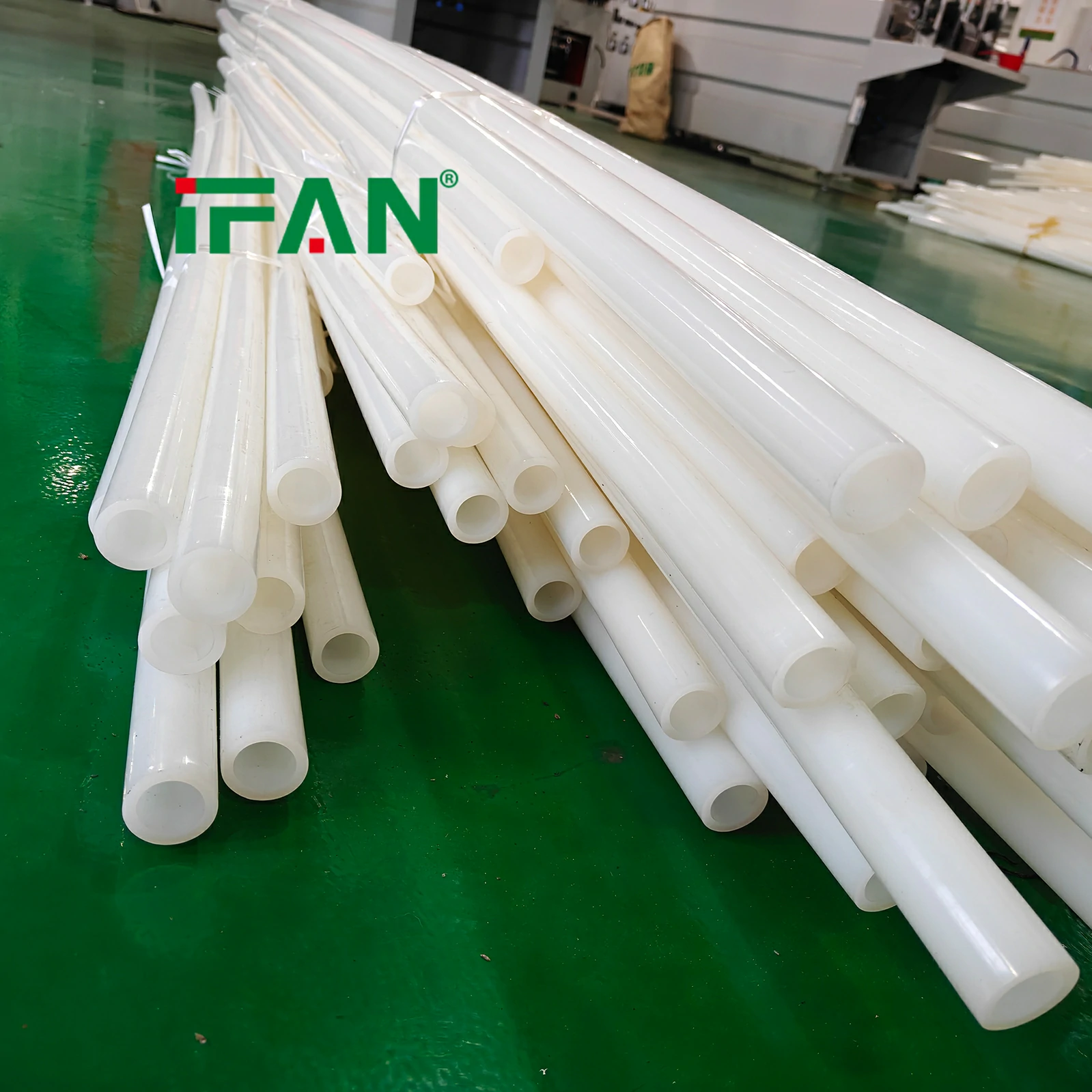
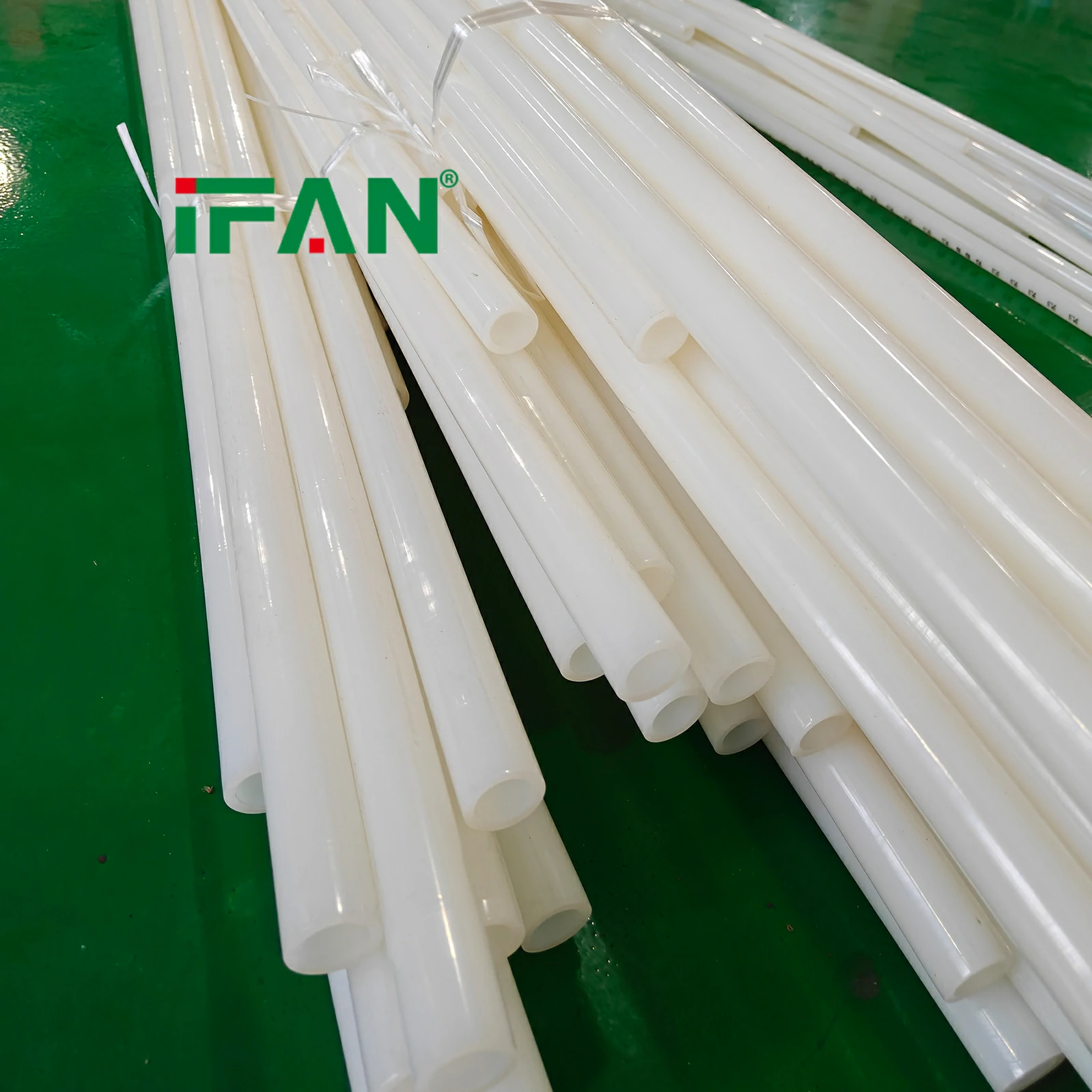
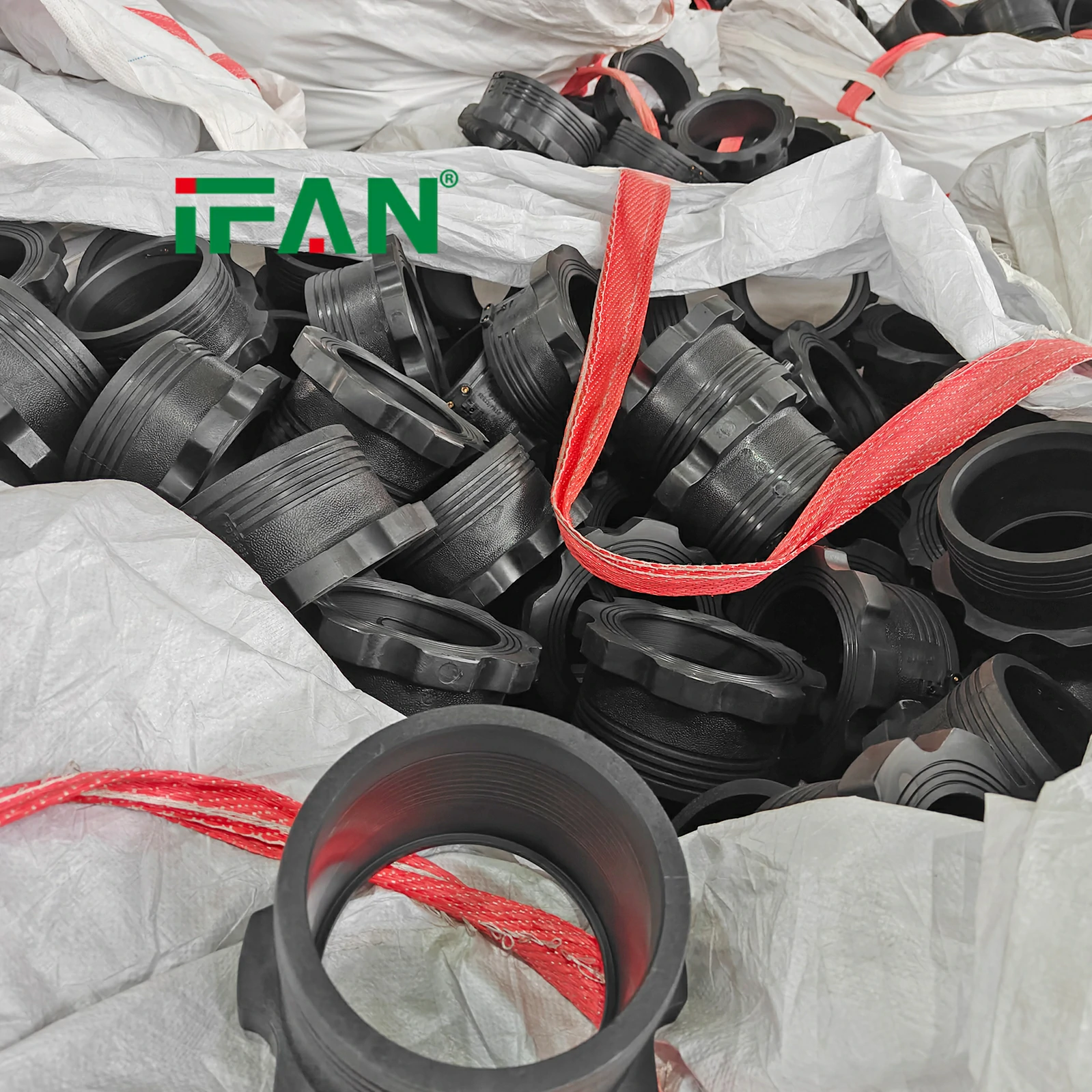
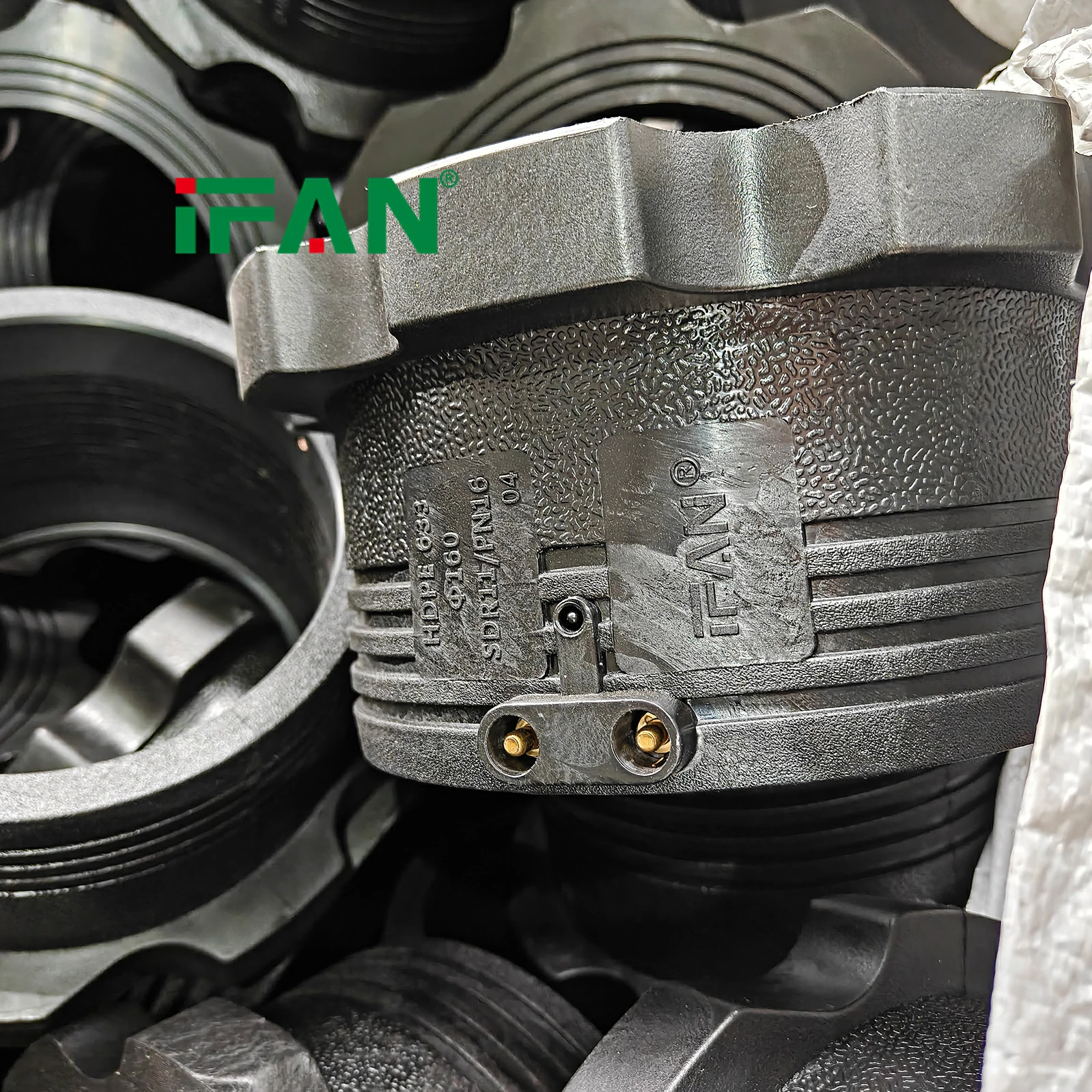
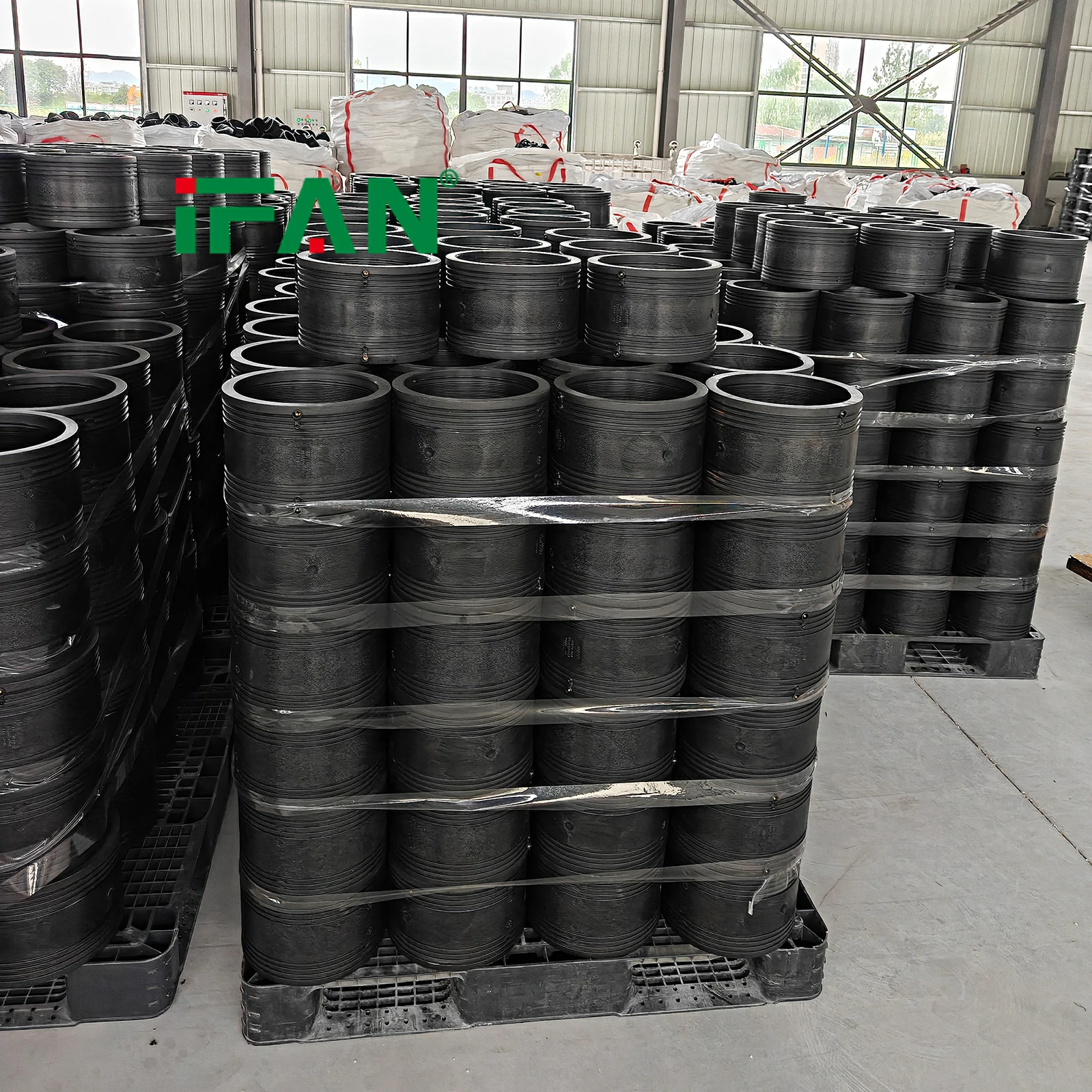
Underground water supply systems require reliable pipe connections. These connections must withstand internal pressure, soil movement, moisture, and long-term operating conditions. HDPE electrofusion fittings provide a practical solution for joining polyethylene pipes in buried water pipelines.
Electrofusion technology creates a permanent joint between compatible HDPE pipes and fittings. It uses electrical resistance wires embedded inside the fitting. When an approved electrofusion control unit supplies power, the wires generate heat. This heat melts the contact surfaces and forms a fused connection after cooling.
HDPE electrofusion fittings are widely considered for municipal water networks, residential developments, industrial water supply, and underground distribution pipelines. Proper product selection and installation are essential for long-term performance.
Why Use HDPE Electrofusion Fittings for Underground Water Supply?
Underground pipelines face different challenges from exposed pipe systems. Soil pressure, ground movement, groundwater, and external loads can affect pipeline connections. A suitable jointing method helps reduce potential leakage points.
HDPE electrofusion fittings offer several practical advantages.
Reliable Fused Connections
Electrofusion creates a joint by melting the compatible surfaces of the pipe and fitting. Once the joint completes the required cooling period, the connection becomes an integrated part of the pipeline.
A correctly prepared and fused joint can provide reliable sealing. This is important for buried water supply networks, where finding and repairing leaks may require excavation.
Corrosion Resistance
HDPE does not rust like conventional steel piping. It also offers resistance to many substances found in soil and water.
This property makes HDPE suitable for many underground environments. However, chemical exposure must still be evaluated when unusual soil or groundwater conditions exist.
Flexibility for Underground Installation
HDPE pipes can accommodate a degree of bending and ground movement. This flexibility can help underground pipelines respond to settlement and changes in soil conditions.
The performance of the complete system still depends on pipe dimensions, installation depth, bedding, backfill, and external loading.
Reduced Joint Leakage Risk
Electrofusion provides a fused connection rather than relying only on threaded or mechanically compressed sealing surfaces.
This can help reduce leakage risks when installers follow the manufacturer’s preparation and fusion procedures. Incorrect scraping, contamination, alignment, or cooling can still cause joint failure.
Common Types of HDPE Electrofusion Fittings
Different underground water supply projects require different connection arrangements. Choosing the correct fitting helps maintain pipeline compatibility and installation quality.
HDPE Electrofusion Couplers
Electrofusion couplers connect two HDPE pipes with compatible outside diameters. They are commonly used for straight pipeline sections and pipe repairs where an approved repair procedure permits their use.
Couplers are available in different sizes and pressure classes. Buyers should confirm the pipe material, outside diameter, SDR, and fitting specifications before ordering.
HDPE Electrofusion Elbows
Electrofusion elbows change the direction of a pipeline. Common designs include 45-degree and 90-degree elbows.
They are useful around buildings, road crossings, equipment areas, and underground pipeline routes. The correct angle can reduce the need for complicated pipe arrangements.
HDPE Electrofusion Tees
Electrofusion tees create branch connections in water distribution systems. Equal tees connect pipes with matching diameters. Reducing tees provide a smaller branch outlet.
They are commonly used to supply separate buildings, service areas, or distribution lines.
HDPE Electrofusion Reducers
Reducers connect pipes with different outside diameters. They help adapt the pipeline layout when a water network changes size.
Before installation, check the reducer’s dimensions and compatibility with the connected pipe systems.
HDPE Electrofusion Saddles
Electrofusion saddles create branch outlets on an existing main pipe. They can help expand an underground water network without replacing a complete pipe section.
Some saddle designs support tapping operations, while others require a separate cutting procedure. Never assume that every saddle supports live tapping. Always follow the product instructions.
Applications in Underground Water Supply Projects
HDPE electrofusion fittings support many types of buried water infrastructure.
Municipal Water Distribution
Municipal water networks use underground pipelines to deliver treated water to residential and commercial areas. Electrofusion couplers, elbows, tees, and reducers help connect different sections of the distribution system.
Reliable joints are important because leaks can waste treated water and increase maintenance costs.
Residential Water Supply
Housing developments often require underground water connections between the main network and individual buildings.
HDPE electrofusion fittings help create branch connections and route pipelines around site structures. Their selection should match the project’s water pressure and pipe specifications.
Industrial Water Pipelines
Factories and industrial facilities may use buried HDPE pipelines for process water, cooling water, and general water distribution.
The fitting material must be suitable for the water composition and operating conditions. Temperature and chemical exposure should be checked before installation.
Agricultural Water Distribution
Underground HDPE pipelines can supply irrigation systems across farms and agricultural properties.
Electrofusion fittings provide options for connecting main lines, branch pipelines, and different pipe diameters. Correct installation helps support consistent water delivery.
How to Choose the Right HDPE Electrofusion Fittings
Selecting the correct fitting requires more than checking its nominal size. Several technical factors affect compatibility and performance.
Confirm Pipe Outside Diameter
HDPE electrofusion fittings are designed for specific pipe outside diameters. The fitting must match the actual pipe dimensions.
A fitting with an incorrect diameter may not provide the required contact and fusion conditions.
Check SDR Compatibility
SDR describes the relationship between a pipe’s nominal outside diameter and wall thickness. It is calculated by dividing the nominal outside diameter by the nominal wall thickness.
Check the fitting manufacturer’s approved SDR range. Do not assume that fittings for one SDR automatically suit every HDPE pipe.
Identify the Pipe Material Grade
Common HDPE pipe materials include PE80 and PE100. The fitting must be approved for use with the selected pipe material.
Material compatibility is important for achieving a suitable fused joint.
Verify Pressure Requirements
Underground water pipelines operate under different pressure conditions. The required fitting pressure rating must suit the system design.
Consider normal operating pressure, possible pressure surges, and relevant design requirements. Do not determine the fitting rating from the pipe material alone.
Review Standards and Certifications
Project specifications may refer to standards such as ISO 4427 or EN 12201 for polyethylene water supply systems.
The applicable requirements depend on the project location and design. Buyers should check the relevant standard edition and confirm that the pipe and fitting documentation meets the project specification.
Check Electrofusion Equipment Compatibility
Electrofusion fittings require a compatible control unit. The equipment must support the fitting’s specified fusion parameters.
Some products use barcode-based identification. Others require manual entry of the fusion data. Confirm the method before purchasing fittings or arranging installation equipment.
Installation Process for Underground HDPE Electrofusion Fittings
Correct installation is essential for a reliable underground water pipeline. Even high-quality fittings can fail if the joint preparation is poor.
Step 1: Inspect the Pipe and Fitting
Check the pipe surface for deep scratches, cracks, deformation, or contamination. Inspect the fitting for visible damage.
Confirm that the fitting size and specifications match the pipe.
Step 2: Cut the Pipe Correctly
Cut the pipe squarely using suitable cutting equipment. Remove burrs and loose material from the cut end.
A square cut helps the pipe enter the fitting at the correct depth.
Step 3: Mark the Insertion Depth
Measure and mark the required insertion depth on the pipe. The mark helps installers confirm that the pipe reaches the correct position inside the fitting.
Step 4: Scrape the Pipe Surface
Remove the oxidized surface layer from the fusion area using an approved mechanical scraper.
This step is critical. Ordinary wiping does not replace mechanical scraping.
Step 5: Clean and Align the Joint
Clean the prepared surfaces with an approved cleaning product. Keep the fusion area free from dust, grease, moisture, and other contamination.
Insert the pipe into the fitting according to the marked depth. Use suitable clamps to prevent movement during fusion.
Step 6: Complete the Fusion Cycle
Connect the electrofusion control unit and follow the fitting manufacturer’s instructions.
Use the specified fusion parameters. Do not estimate voltage, heating time, or other settings.
Step 7: Allow Full Cooling
Keep the joint secured throughout the required cooling period. Moving the pipe or applying stress too early can damage the fused connection.
Follow the manufacturer’s cooling instructions before removing clamps or continuing installation.
Step 8: Inspect and Record the Joint
Check the completed joint for visible problems. Record relevant installation information when required by the project.
Pressure testing should follow the approved project procedure and applicable standards. Do not use a newly fused joint before the required cooling and inspection steps are complete.
Common Mistakes to Avoid
Several installation mistakes can reduce the reliability of underground HDPE electrofusion joints.
- Skipping mechanical scraping: The oxidized pipe surface can interfere with fusion quality.
- Using the wrong fitting size: Incorrect dimensions can prevent proper contact.
- Ignoring SDR compatibility: The fitting must be suitable for the pipe configuration.
- Allowing pipe movement: Movement during fusion or cooling can affect the joint.
- Using incorrect fusion settings: Always follow the manufacturer’s specified parameters.
- Removing clamps too early: Premature movement may damage the joint.
- Ignoring site conditions: Water, mud, and dust can contaminate the fusion area.
- Backfilling without inspection: Check the completed joints and follow the project’s installation and testing requirements.
Good installation procedures help reduce rework and support the service life of the underground pipeline.
HDPE Electrofusion Fittings vs. Butt Fusion Fittings
Electrofusion and butt fusion are both common methods for joining HDPE pipes. Each method has different equipment and installation requirements.
| Comparison | Electrofusion | Butt Fusion |
|---|---|---|
| Joining method | Electrical heating inside the fitting | Heated pipe ends pressed together |
| Typical products | Couplers, tees, elbows, saddles | Pipe-to-pipe joints and compatible fittings |
| Equipment | Electrofusion control unit | Butt fusion machine |
| Installation space | Useful in many restricted areas | Requires room for the machine and pipe alignment |
| Joint preparation | Scraping and cleaning are essential | Facing, heating, and alignment are essential |
| Common applications | Branch connections and fitting joints | Long straight pipeline sections |
The best method depends on pipe diameter, site access, project design, and available equipment. Some projects use both methods in the same pipeline system.
What to Consider When Buying Underground HDPE Electrofusion Fittings
Choosing a suitable supplier is an important part of project preparation.
Start by confirming the complete product range. A supplier offering couplers, elbows, tees, reducers, and saddles can help simplify purchasing for different pipeline layouts.
Next, request technical information. This should include dimensions, material grade, compatible SDR range, pressure specifications, applicable standards, and fusion instructions.
Packaging also matters. Fittings should be protected from damage and contamination during storage and transportation. Clear product identification helps warehouse teams and installers select the correct items.
For large projects, consider the supplier’s ability to support consistent specifications across multiple orders. Confirm lead times, available sizes, customization options, and documentation before placing the order.
Choose IFAN for HDPE Pipe and Fitting Solutions
IFAN supplies a range of plumbing and pipeline products for water supply and other piping applications. Its product portfolio includes plastic pipes, pipe fittings, and related plumbing components.
For underground water supply projects, buyers can discuss their required HDPE fitting types, sizes, and technical specifications with the IFAN team. OEM and ODM services, along with customization options, can support different product and market requirements.
Before ordering, provide the pipe outside diameter, SDR, material grade, pressure requirements, and applicable project standards. This information helps identify suitable product specifications.
Conclusion
HDPE electrofusion fittings are an effective option for connecting underground polyethylene water supply pipelines. Couplers, elbows, tees, reducers, and saddles support different pipeline layouts and branch connections.
Successful installation depends on correct fitting selection and careful joint preparation. Pipe compatibility, surface scraping, alignment, fusion parameters, and cooling procedures all matter.
By choosing suitable products and following approved installation practices, contractors can build reliable underground water supply systems. Working with an experienced piping supplier such as IFAN can also help simplify product selection and project procurement.