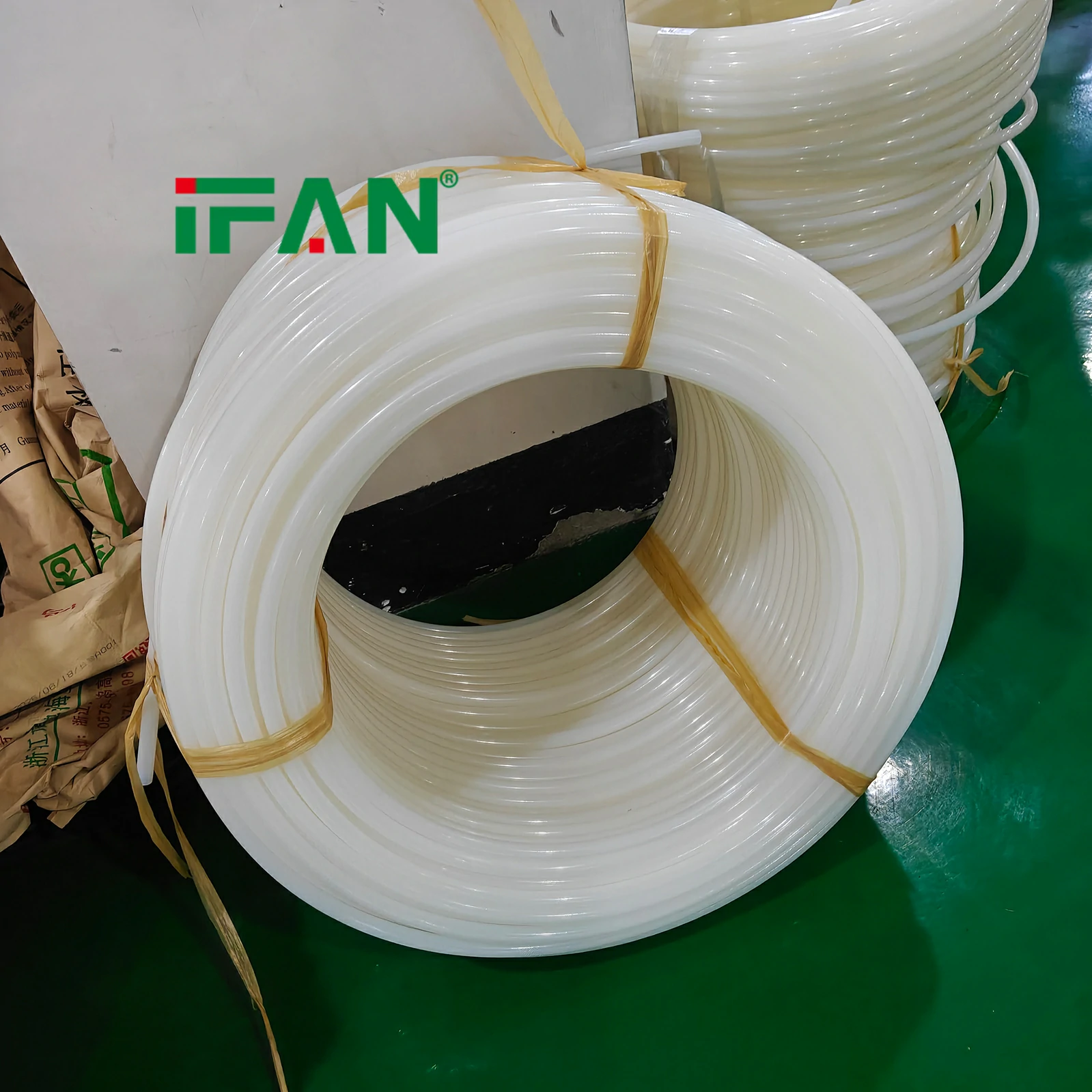
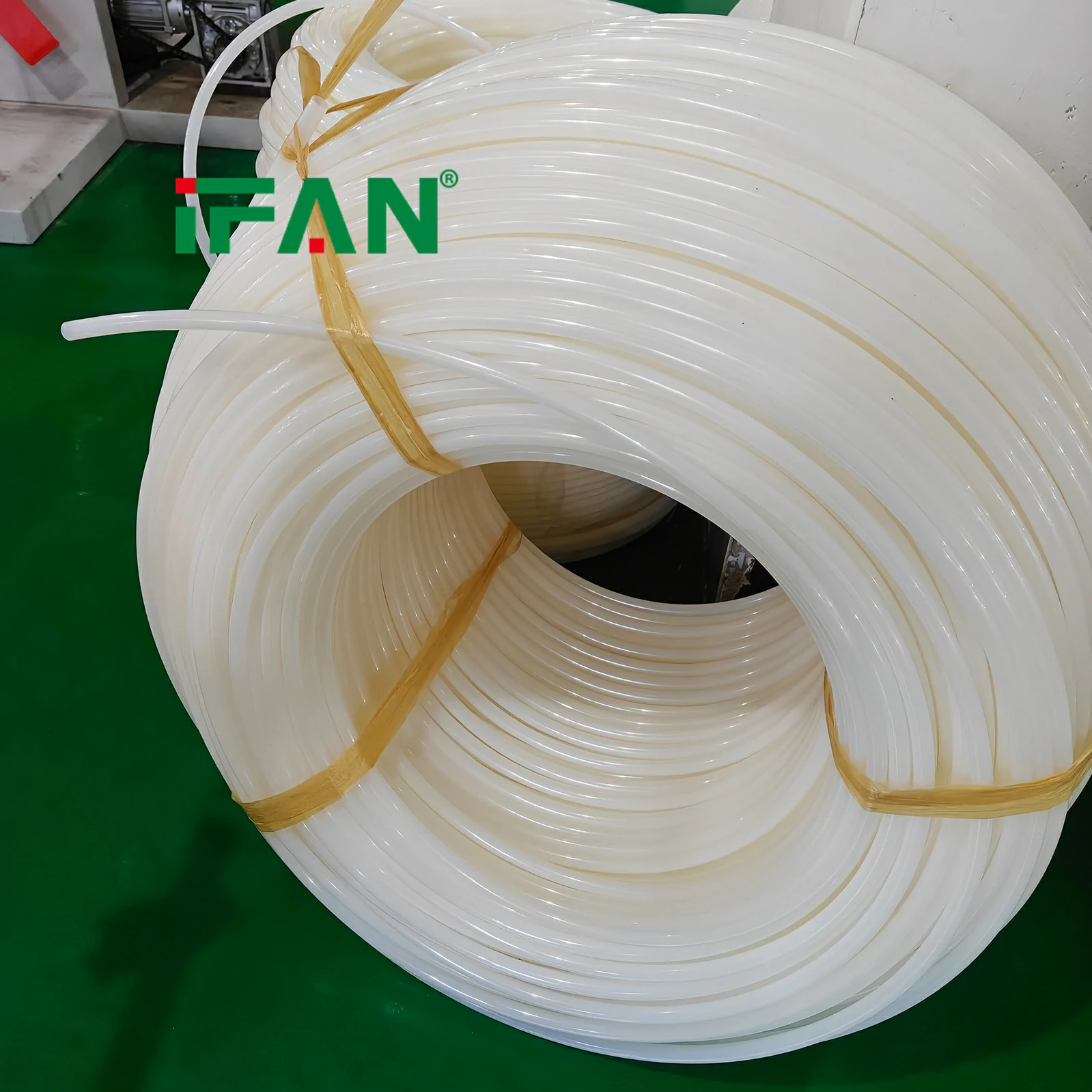
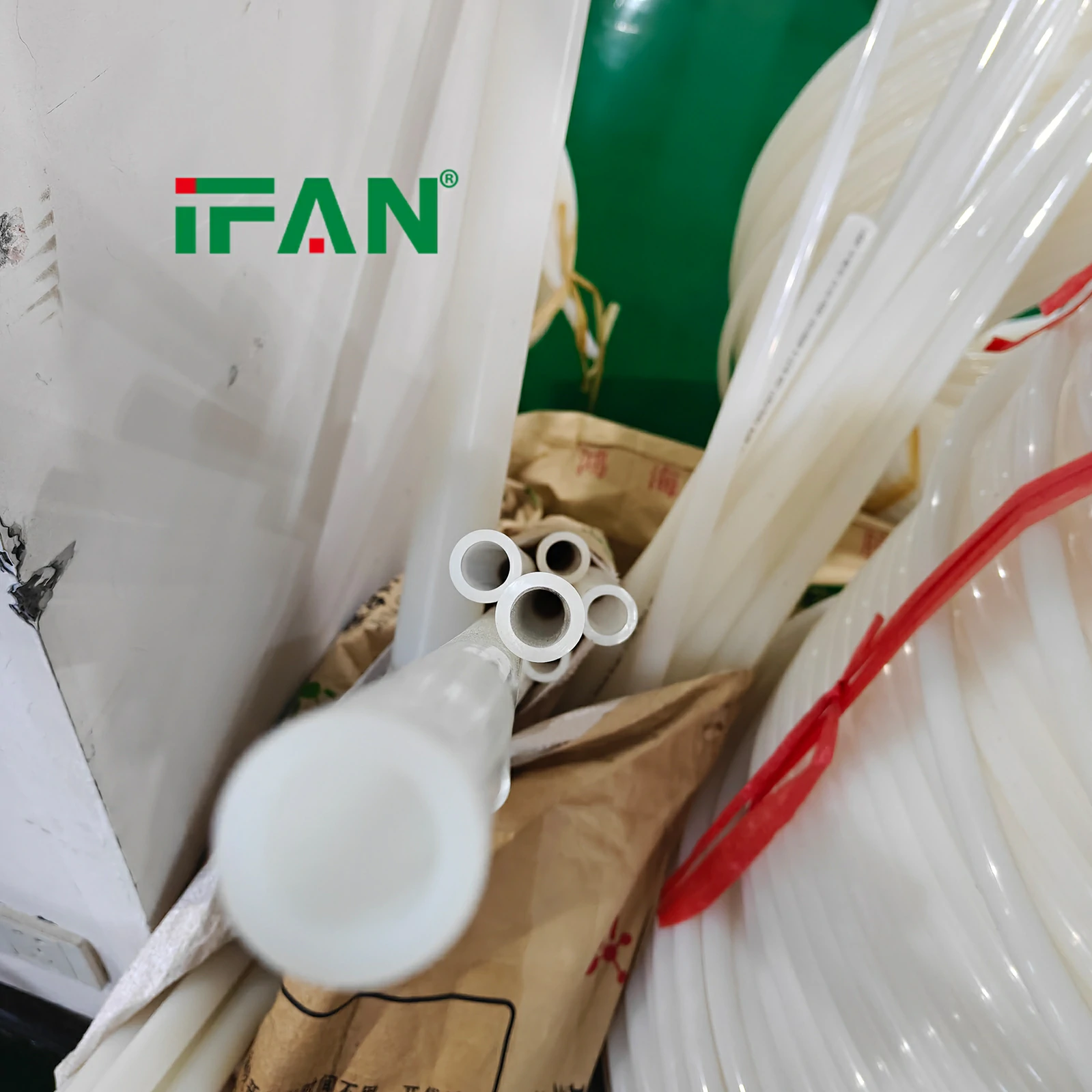
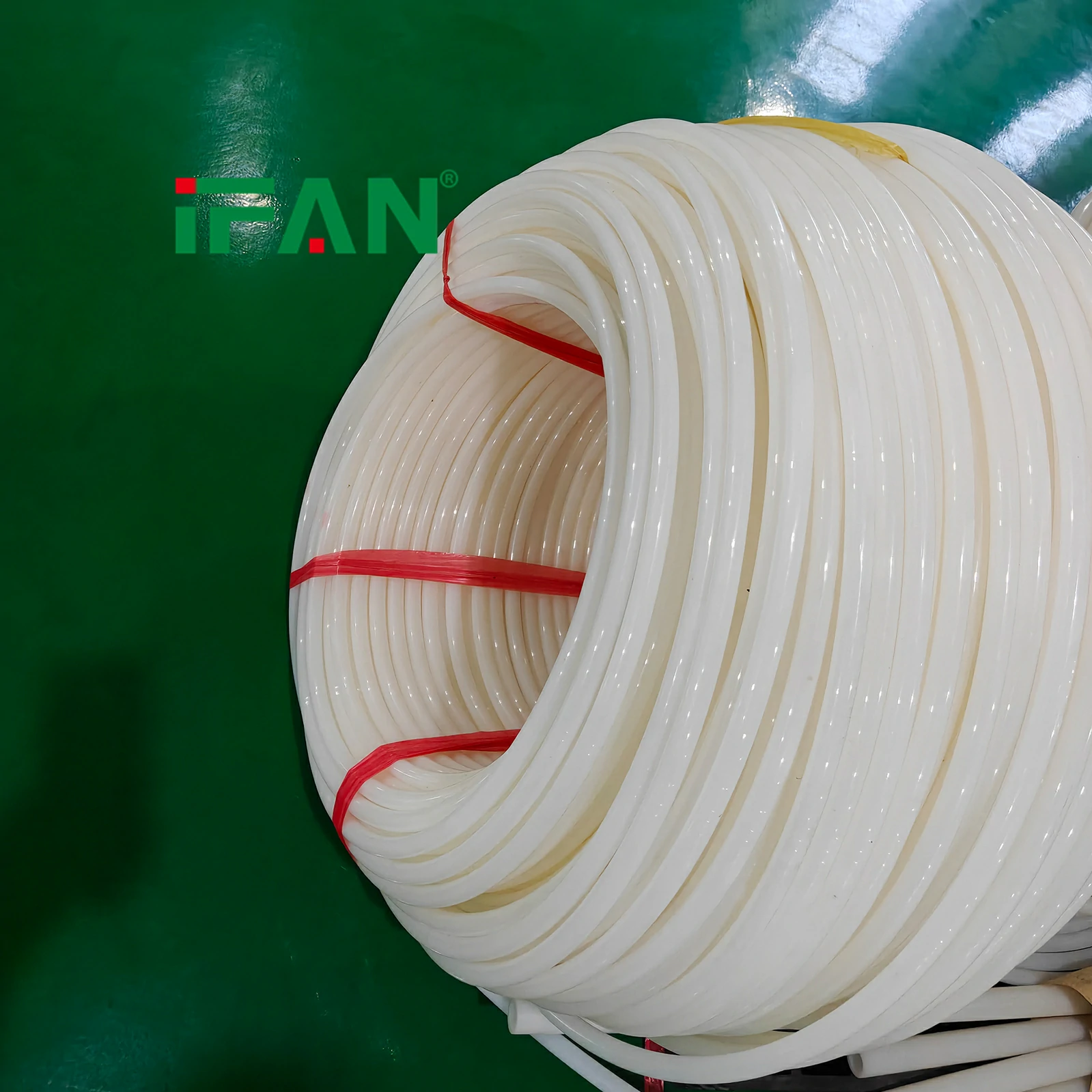
Recreational vehicles need plumbing systems that are compact, lightweight, and reliable. Unlike residential buildings, RVs have limited installation space and may experience frequent vibration, road movement, and changing temperatures. Choosing the right pipe material is essential for maintaining a dependable water supply.
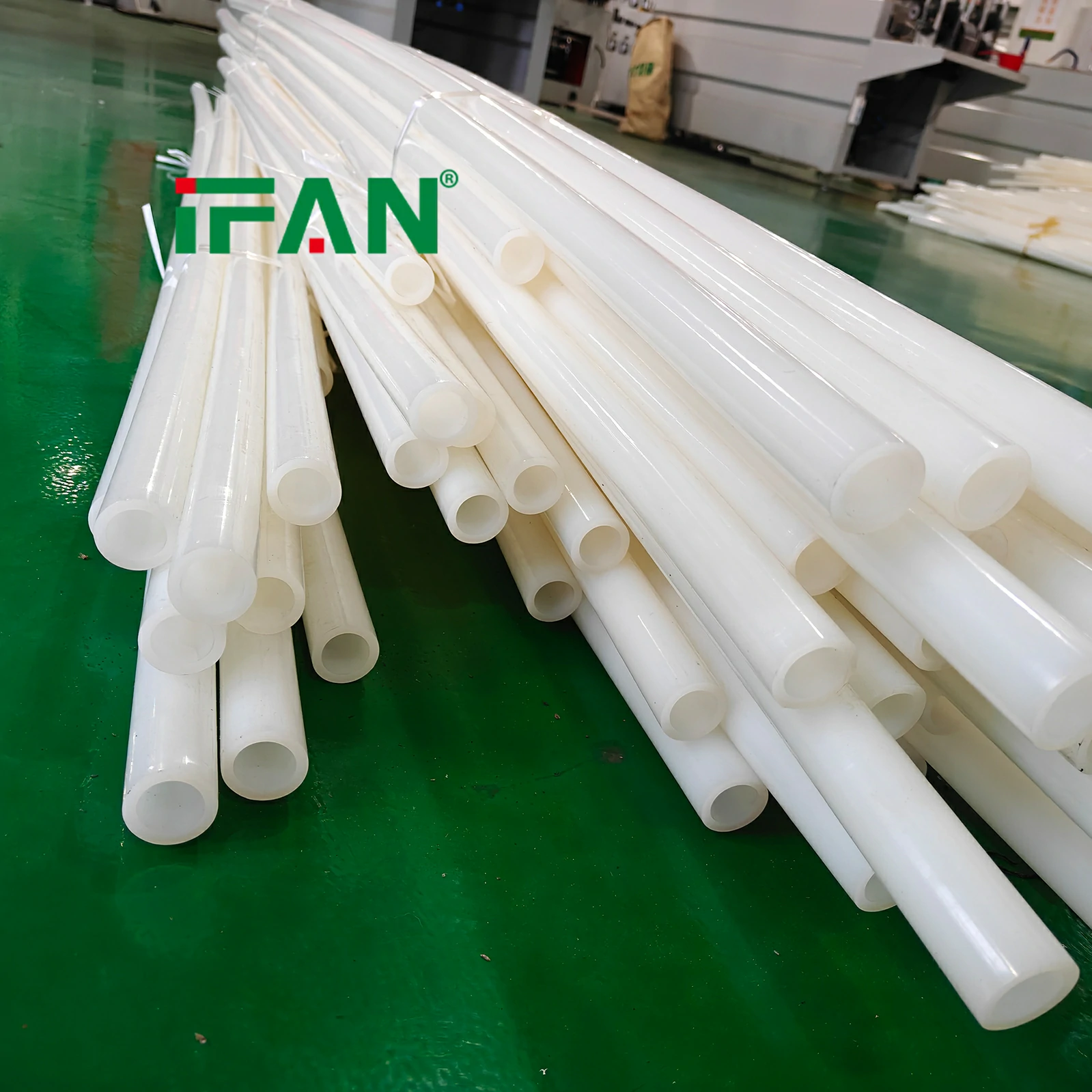
PEX-A pipe is a popular option for RV water systems. It combines flexibility with resistance to corrosion and many common plumbing stresses. Its lightweight construction makes it suitable for routing water lines through cabinets, wall cavities, floors, and other confined spaces.
Whether installing a new RV plumbing system or replacing existing water lines, understanding PEX-A pipe specifications can help buyers and installers make better decisions. Pipe size, connection compatibility, temperature ratings, and installation methods all affect system performance.
Why Use PEX-A Pipe for RV Water Systems?
RV plumbing systems face different conditions from stationary residential installations. Pipes must fit into compact layouts and withstand movement during travel. PEX-A offers several useful characteristics for these applications.
Flexible Installation in Limited Spaces
PEX-A pipe is highly flexible. It can bend around many obstacles without requiring a separate elbow at every change in direction.
This makes routing easier inside RV walls, floors, and storage compartments. Fewer directional fittings can also reduce the number of connections in the system.
However, installers must follow the manufacturer’s minimum bend radius. Sharp bends and kinks can damage the pipe and restrict water flow.
Lightweight Construction
Weight matters in recreational vehicles. Every component contributes to the vehicle’s overall load.
PEX-A pipe is lightweight compared with many traditional metal plumbing materials. It is also commonly supplied in coils, which makes transportation and installation convenient.
Its flexibility can reduce the need for numerous rigid fittings. This may simplify plumbing layouts and help control installation weight.
Corrosion Resistance
PEX-A does not rust like steel or copper. It also resists many substances commonly found in domestic water systems.
This helps maintain a durable water distribution network. However, water chemistry and chemical compatibility should still be considered.
Resistance to Freezing-Related Expansion
PEX-A can expand when water inside the pipe freezes. This property may reduce the likelihood of bursting compared with some rigid pipe materials.
However, PEX-A is not freeze-proof. Severe or prolonged freezing can still damage pipes and connected fittings.
RV owners who travel in cold climates should protect exposed water lines. Insulation, suitable heating systems, and proper winterization remain important.
Reduced Noise and Vibration Transmission
Road vibration can place stress on RV plumbing components. Flexible PEX-A pipe can help accommodate movement when properly supported.
It may also transmit less pipe noise than some rigid metal systems. Correct support and protection are still necessary to prevent rubbing, abrasion, and damage during travel.
Common Applications of PEX-A Pipe in RV Plumbing
PEX-A can serve different parts of an RV’s water distribution system.
Fresh Water Supply Lines
PEX-A pipe can distribute fresh water from the RV’s water inlet or onboard tank to different fixtures.
Typical connections include kitchen sinks, bathroom sinks, showers, and toilets. The pipe and fittings must be suitable for potable water applications.
Hot and Cold Water Distribution
Many RV plumbing systems use separate hot and cold water lines.
PEX-A can connect the water heater to hot water fixtures and distribute cold water from the main supply. The selected product must meet the temperature and pressure requirements of the system.
Onboard Water Tank Connections
Some RVs include a freshwater storage tank and a pump. PEX-A can connect these components to the distribution network when suitable fittings and installation methods are used.
The plumbing layout should allow access to the pump, tank connections, and maintenance points.
Bathroom and Kitchen Renovations
PEX-A is useful when replacing aging RV plumbing lines. Its flexibility can make it easier to route new pipes through existing spaces.
During renovation, check the condition of the water heater, pump, valves, and existing connections. New pipe should be compatible with the remaining plumbing components.
RV Shower and Outdoor Water Connections
PEX-A can supply showers and selected outdoor water outlets. These connections may require additional protection from impact, sunlight, and freezing temperatures.
Use suitable fittings and protective covers where necessary.
Choosing the Right PEX-A Pipe Size for an RV
Correct pipe sizing helps maintain suitable water flow and pressure. RV plumbing systems usually have compact layouts, but fixture demand and pump capacity still matter.
Common nominal PEX pipe sizes include 3/8 inch, 1/2 inch, and 3/4 inch.
3/8-Inch PEX-A Pipe
Some RV plumbing systems use 3/8-inch pipe for selected fixture connections or compact distribution sections.
Its suitability depends on the required flow rate and the length of the pipe run.
1/2-Inch PEX-A Pipe
Half-inch PEX-A pipe is a common choice for residential-style fixture supply lines.
It may serve sinks, toilets, showers, and other RV fixtures, depending on the plumbing design.
3/4-Inch PEX-A Pipe
Three-quarter-inch pipe may be used for larger supply lines or sections with higher flow requirements.
The choice should consider pump output, pipe length, fittings, and the number of fixtures operating at the same time.
| Nominal Pipe Size | Possible RV Application |
|---|---|
| 3/8 inch | Selected fixture connections |
| 1/2 inch | Common fixture supply lines |
| 3/4 inch | Larger distribution or supply lines |
These are general examples rather than universal RV sizing rules. Always follow the vehicle manufacturer’s specifications and the plumbing system design.
PEX-A Pipe Connection Methods for RV Plumbing
PEX-A pipe can work with different connection systems. The selected fittings must be compatible with the pipe and approved for the intended application.
PEX Expansion Fittings
Expansion connections are commonly used with PEX-A pipe.
A specialized tool expands the pipe end. The fitting is inserted into the expanded opening. The pipe then contracts around the fitting to create a secure connection.
This method takes advantage of PEX-A’s elastic recovery. Installers must follow the fitting manufacturer’s expansion procedure.
PEX Crimp Fittings
Crimp fittings use a metal ring around the pipe and fitting. A compatible tool compresses the ring to secure the connection.
The correct ring size, fitting dimensions, and crimp tool are essential. Always check compatibility before combining components.
PEX Clamp Fittings
Clamp connections use a metal clamp to hold the pipe against the fitting. A dedicated tool tightens the clamp according to the specified procedure.
These systems can be useful in compact plumbing areas. Correct tool adjustment and installation are important for leak prevention.
Push-to-Connect Fittings
Push-to-connect fittings may be used in selected RV plumbing applications. They allow compatible pipe to connect without conventional crimping or expansion tools.
However, not every push fitting is approved for every PEX-A product or operating condition. Check the manufacturer’s instructions before use.
Transition Fittings
RV plumbing repairs may require connections between PEX-A and existing components made from other materials.
Use approved transition fittings for connections to copper, CPVC, threaded components, pumps, and water heaters. Do not assume that different fitting systems are interchangeable.
How to Install PEX-A Pipe in an RV
RV plumbing installation requires careful routing and secure connections. The following steps provide a general guide.
Step 1: Plan the Plumbing Layout
Identify the freshwater tank, pump, water heater, inlet, and plumbing fixtures.
Plan the pipe routes through accessible spaces. Avoid sharp edges, hot surfaces, moving mechanical parts, and areas that may experience impact.
Step 2: Confirm Pipe Specifications
Choose a pipe size that matches the system design. Check the pipe’s pressure and temperature ratings.
For drinking water supply, confirm that the product meets the applicable potable water requirements.
Step 3: Measure and Cut the Pipe
Measure the required length and cut the pipe using a suitable PEX cutter.
Make a clean, square cut. Avoid crushing the pipe or leaving damaged edges.
Step 4: Install Compatible Fittings
Select expansion, crimp, clamp, or another approved connection system.
Follow the manufacturer’s instructions for each fitting. Use the correct tools and check that connections are properly completed.
Step 5: Route and Support the Pipe
Secure the pipe with suitable supports. Avoid excessive tension and allow for movement caused by temperature changes.
In an RV, supports should also prevent pipes from rubbing against sharp surfaces during travel.
Step 6: Protect Vulnerable Sections
Install insulation or protective sleeves where needed. Keep pipes away from exhaust components, heaters, and other high-temperature areas.
Pay special attention to plumbing beneath the vehicle or near exterior walls.
Step 7: Test the System
Reconnect the water supply and inspect all joints.
Perform the pressure or leakage test specified by the RV manufacturer and applicable plumbing requirements. Check for leaks before closing access panels or using the system.
Important Considerations for RV PEX-A Plumbing
A good pipe material alone cannot guarantee a reliable RV water system. Installation conditions and vehicle use also matter.
Vibration and Road Movement
RVs experience repeated vibration while driving. Unsupported pipes may move, rub against structural components, or place stress on fittings.
Use suitable clips and protective sleeves. Avoid rigidly fixing every section without allowing for necessary movement.
Freeze Protection and Winterization
Water inside an RV plumbing system can freeze during cold weather. Even flexible PEX-A pipe can be damaged under severe conditions.
Before winter storage, follow the vehicle manufacturer’s winterization procedure. This may include draining the tank, pump, water heater, and water lines.
Temperature Near Water Heaters
PEX-A has defined operating temperature limits. Pipe routing near a water heater must follow the manufacturer’s requirements.
Do not place pipe close to exhaust outlets or surfaces that exceed its permitted temperature range.
UV Exposure
PEX-A is generally not designed for prolonged direct sunlight unless the specific product has an appropriate UV rating.
Protect exposed sections and store unused pipe according to the product instructions.
Potable Water Safety
Freshwater lines must use products suitable for drinking water applications.
Check relevant certifications and local requirements. Also ensure that sealants, cleaning products, and other installation materials are compatible with potable water systems.
Maintenance Access
RV plumbing components may require inspection or replacement. Keep important joints, valves, pumps, and filters accessible where practical.
Avoid placing unnecessary connections behind permanently sealed panels.
PEX-A Pipe vs. Other Materials for RV Plumbing
Several materials are used in recreational vehicle plumbing. Their suitability depends on the vehicle design and operating conditions.
| Feature | PEX-A | CPVC | Copper |
|---|---|---|---|
| Flexibility | High | Rigid | Rigid |
| Weight | Lightweight | Lightweight | Heavier |
| Corrosion resistance | Does not rust | Corrosion-resistant | Can corrode under certain conditions |
| Connection methods | Expansion, crimp, clamp | Solvent cement and approved fittings | Soldering or mechanical fittings |
| Routing | Suitable for curved routes | Requires fittings for direction changes | Requires fittings for direction changes |
| Freeze behavior | Can expand, but is not freeze-proof | Can crack | Can split |
PEX-A is attractive for many RV applications because it combines flexibility and low weight. The final material choice should also consider repair access, vehicle specifications, and local requirements.
Common RV PEX-A Plumbing Mistakes to Avoid
Incorrect installation can cause leaks and unnecessary maintenance. Avoid these common problems:
- Using incompatible fittings: Match the pipe with an approved connection system.
- Ignoring bend radius: Excessive bending can kink or damage the pipe.
- Poor pipe support: Unsecured lines may move and rub during travel.
- Routing near heat sources: Keep pipe within its permitted temperature range.
- Leaving exposed sections unprotected: Protect vulnerable pipes from impact and sunlight.
- Skipping freeze protection: Winterize the system before freezing conditions.
- Using non-potable materials: Freshwater lines require suitable products.
- Ignoring connection instructions: Use the correct tools and installation procedures.
- Skipping leak testing: Inspect all joints before returning the RV to service.
A careful installation helps reduce failures and makes future maintenance easier.
What to Look for When Buying PEX-A Pipe for RV Water Systems
Buyers should check several product details before selecting PEX-A pipe.
First, confirm the nominal size, wall thickness, material classification, and operating pressure and temperature ratings. These specifications must match the RV plumbing design.
Next, verify potable water suitability. Freshwater applications require products that meet the relevant drinking water requirements in the target market.
Check the available connection systems as well. Matching expansion fittings, crimp fittings, clamps, and transition fittings can simplify installation and replacement work.
Packaging and coil length may also matter for RV manufacturers and plumbing distributors. Consistent product specifications and clear identification can help with inventory management.
For larger orders, ask about OEM and ODM services, customization options, and delivery arrangements.
Explore IFAN PEX-A Pipe and Fitting Solutions
IFAN supplies plumbing products for residential and other piping applications. Its product portfolio includes plastic pipes, fittings, and related plumbing components.
For RV water system projects, buyers can discuss pipe dimensions, connection requirements, and matching fittings with the IFAN team. OEM and ODM services, along with customization options, can support different product requirements.
Before ordering, provide the required pipe size, material specifications, operating conditions, and target market requirements. This helps identify suitable products for RV freshwater and hot water distribution applications.
Conclusion
PEX-A pipe is a practical option for many RV water systems. Its flexibility, lightweight construction, and corrosion resistance make it suitable for compact plumbing layouts.
It can serve freshwater supply lines, hot and cold water distribution, and selected replacement projects. Compatible expansion, crimp, and clamp fittings provide different connection options.
However, reliable RV plumbing requires more than selecting a flexible pipe. Proper support, vibration protection, freeze prevention, temperature control, and leak testing are all essential.
By choosing suitable PEX-A pipe and following the correct installation procedures, RV manufacturers, contractors, and owners can build dependable water distribution systems for recreational vehicles.