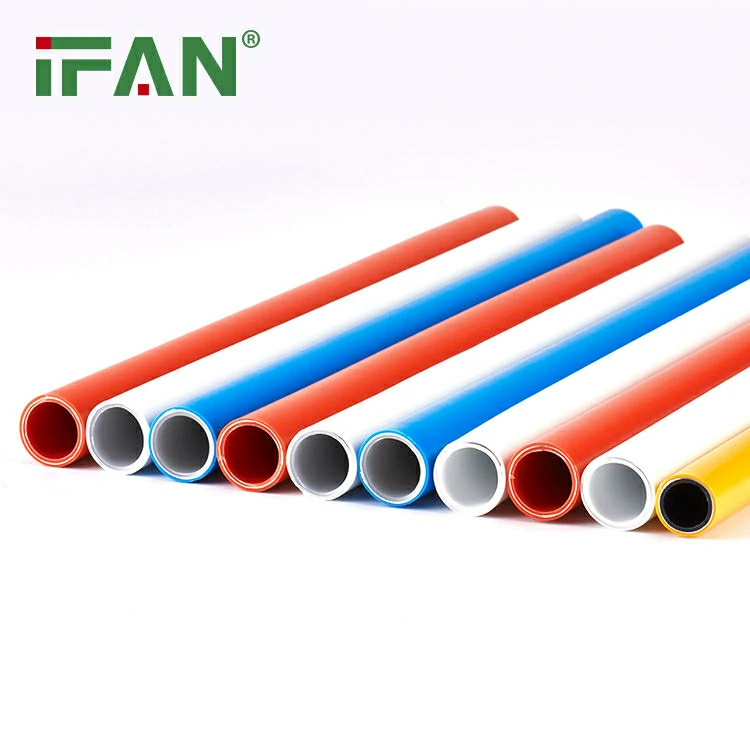
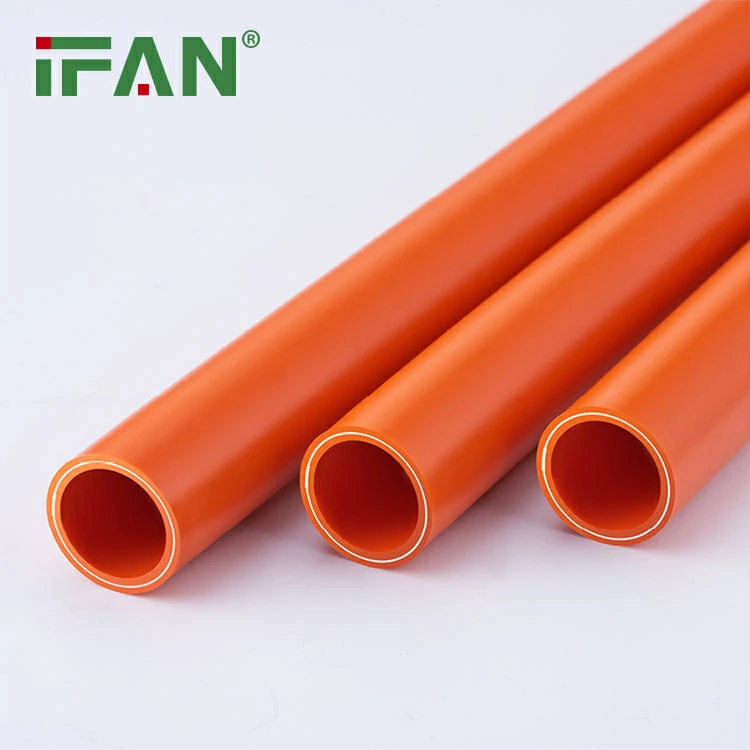
HDPE Fittings: Low Environmental Impact for Maximum Energy Efficiency
In today’s world, environmental concerns are at the forefront of everything we do. From fuel-efficient cars to biodegradable packaging, we are constantly looking for ways to reduce our impact on the planet. That is why HDPE fittings are becoming an increasingly popular choice in the construction industry. Not only are they low in environmental impact, but they also offer maximum energy efficiency. Let’s take a closer look at what makes HDPE fittings such a valuable investment for your next project.
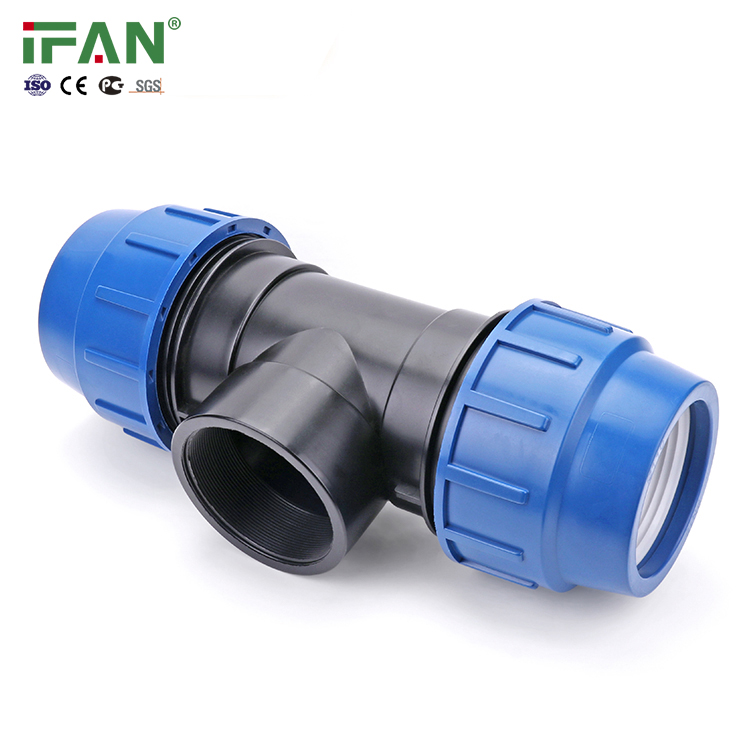
HDPE fittings are made from high-density polyethylene. This material is strong, durable, and resistant to chemicals and UV rays. It is also highly recyclable, which means that it can be reused or repurposed at the end of its life cycle. This is a significant advantage over traditional materials, such as PVC or copper, which are often discarded in landfills.
One of the key features of HDPE fittings is their ability to provide maximum energy efficiency. Thanks to their smooth internal surface, HDPE fittings create less friction than other materials. This means that they require less energy to pump water through pipes and fittings, resulting in lower operating costs and reduced energy consumption.
Another advantage of HDPE fittings is their versatility. They can be used in a wide range of applications, including potable water systems, natural gas distribution, and industrial piping. They are also resistant to corrosion and are not affected by rust or scale buildup. This makes them ideal for use in harsh environments, where other materials may deteriorate over time.
When it comes to installing HDPE fittings, the process is relatively simple. This material can be joined together using a variety of methods, including butt fusion, socket fusion, and electrofusion. This allows for quick and easy installation, which can greatly reduce project timelines and labor costs.
In conclusion, HDPE fittings are a valuable investment for any construction project. They offer a low environmental impact, maximum energy efficiency, and versatile applications. By choosing HDPE fittings, you are not only reducing your carbon footprint, but also improving the overall efficiency and longevity of your piping system. So, why not make the switch to the future of piping technology today?
Take action now and choose HDPE fittings for your next project. Your wallet and the planet will thank you!
IFAN factory started in 1993. And IFAN has workshop 120000 square meter with 610 staff. IFAN can design and produce all plumbing pipe and fitting include PPR,PVC,CPVC PPSU HDPE PEXA PEXB PERT pipe and fitting ,brass fitting, brass ball valve ,heating system , gas system , sanitary faucets and hose, In the past 30 Years, IFAN has never forgotten his mission-To protect health and safety. And IFAN factory use best materials to produce high quality pipe and fittings with automatic production line and high tech quality control machines. The most important,IFAN can guarantee that all pipes and fittings manufactured by IFAN are qualified.
Free Sample(Click Here to Get Free Sample)