Introduction to HDPE Quick-Connect Fittings
HDPE (High-Density Polyethylene) quick-connect fittings have revolutionized the piping industry, offering a fast, reliable, and cost-effective solution for connecting HDPE pipes. These fittings are designed to simplify installation processes and enhance the performance of piping systems across various applications.
What Are HDPE Quick-Connect Fittings?
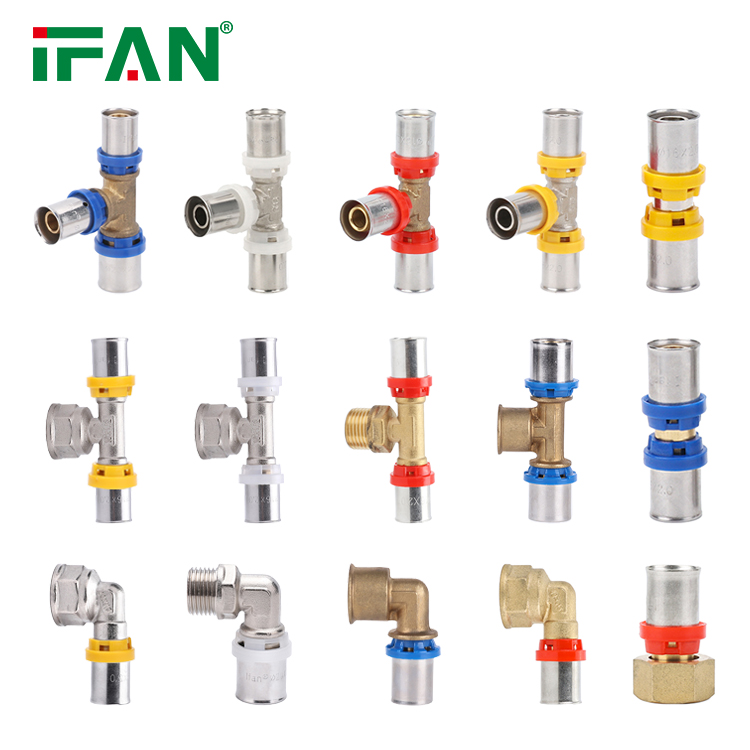
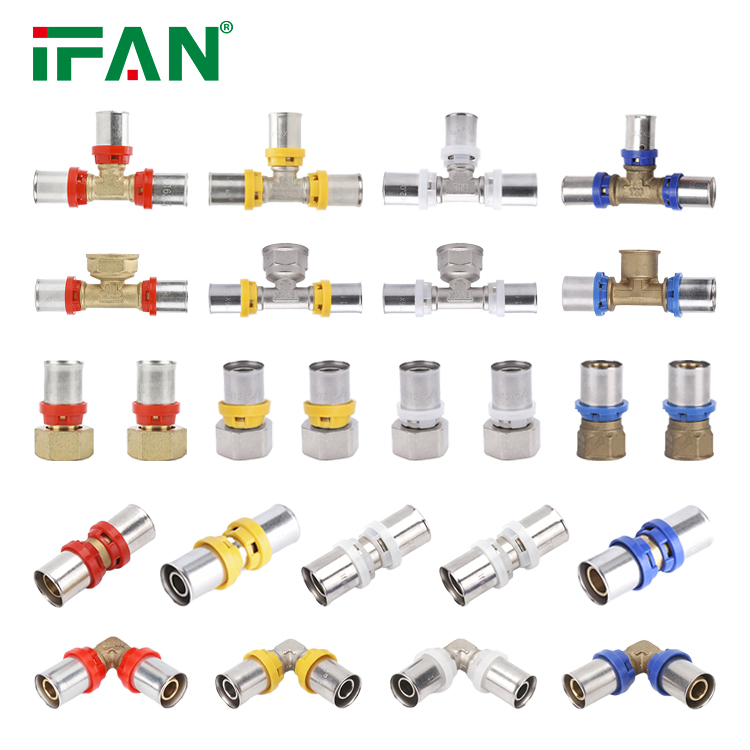
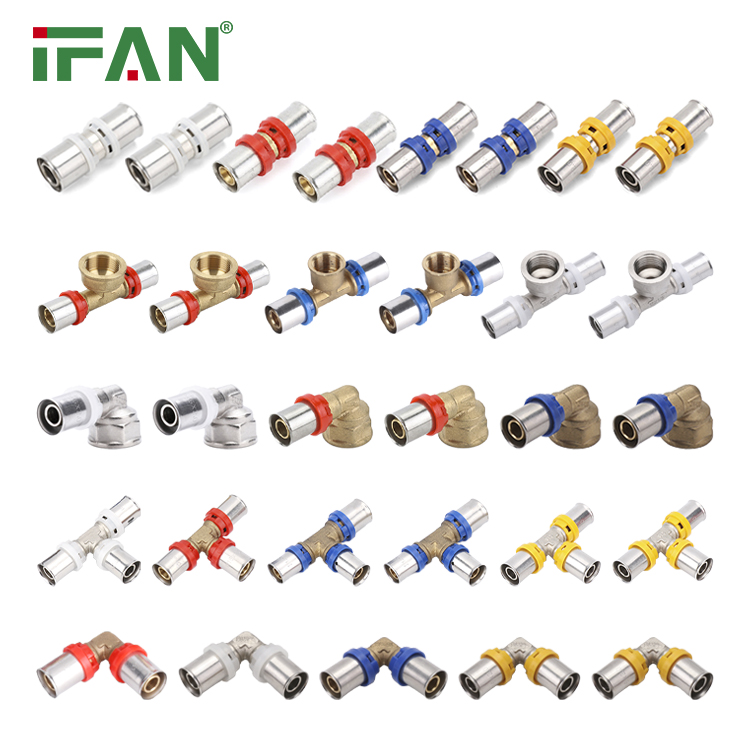
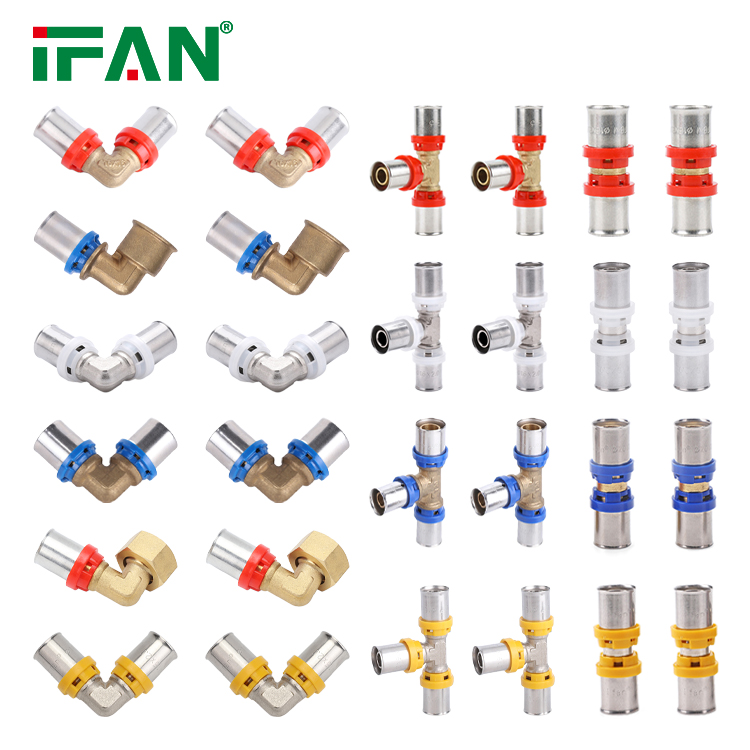
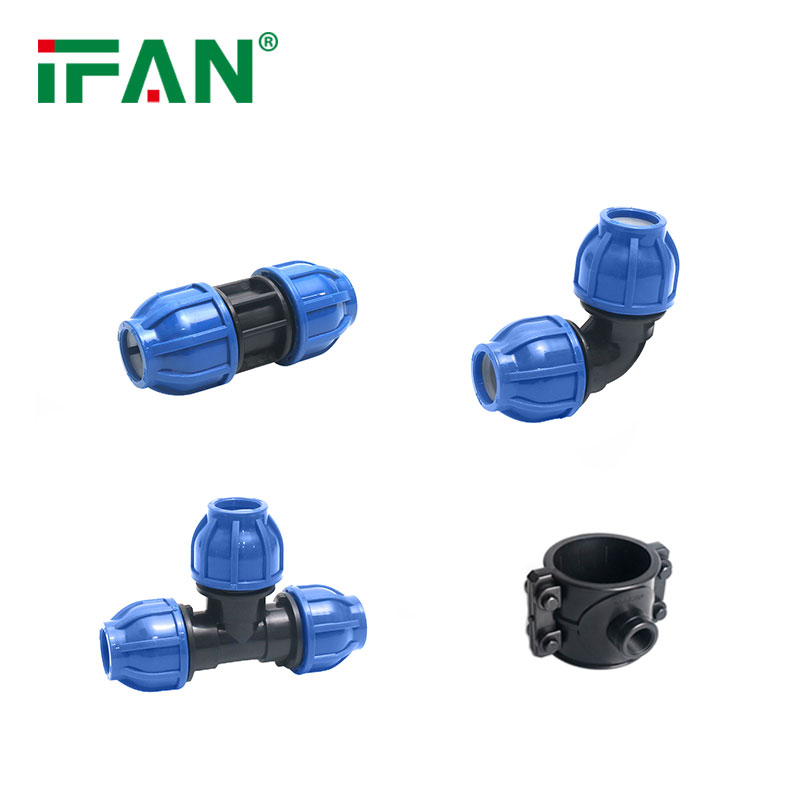
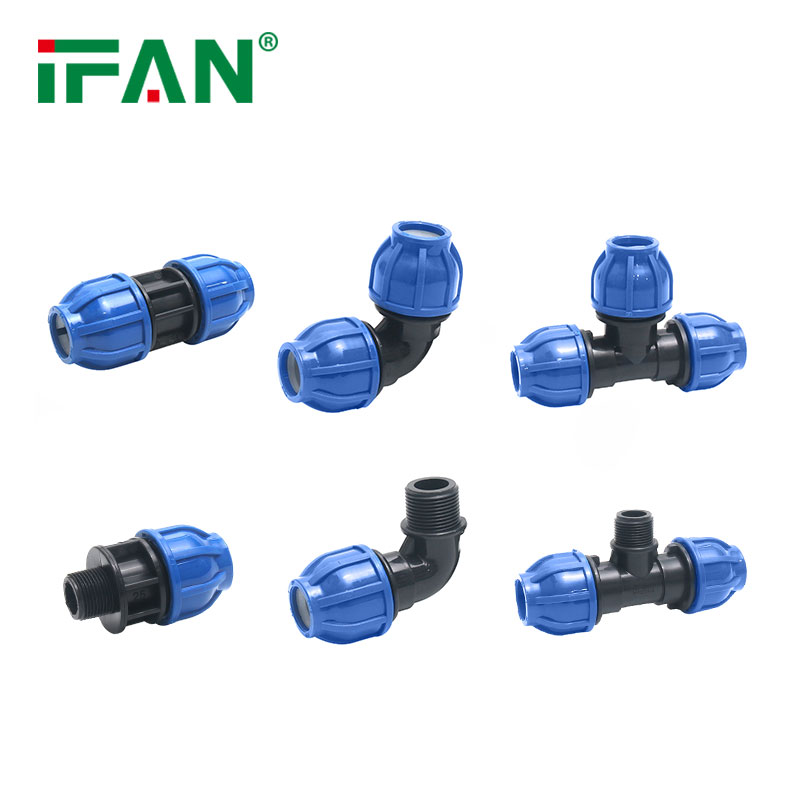
HDPE quick-connect fittings are specialized components that allow for rapid and secure connections between HDPE pipes. They feature innovative design elements that eliminate the need for traditional welding or threading methods, significantly reducing installation time and complexity. These fittings are commonly used in potable water, irrigation, and industrial applications.
Applications of HDPE Quick-Connect Fittings
- Potable Water Systems: HDPE quick-connect fittings provide a safe and leak-free solution for connecting pipes in drinking water distribution systems. They ensure the integrity of the water supply and reduce the risk of contamination.
- Irrigation Systems: In agricultural settings, HDPE quick-connect fittings allow for easy installation and maintenance of irrigation pipes. They help ensure optimal water distribution for crop growth and enhance the efficiency of irrigation systems.
- Industrial Applications: HDPE quick-connect fittings are also widely used in industrial piping systems, such as chemical processing and oil and gas transmission. Their resistance to chemicals and high temperatures ensures reliable performance in demanding environments.
Advantages of HDPE Quick-Connect Fittings
- Fast Installation: HDPE quick-connect fittings eliminate the need for welding or threading, reducing installation time and labor costs. This makes them a cost-effective choice for large-scale piping projects.
- Leak-Free Connections: The unique design of HDPE quick-connect fittings ensures a tight and secure seal, minimizing the risk of leaks. This ensures the integrity of the piping system and reduces the need for maintenance and repairs.
- Ease of Use: These fittings are designed for simple installation, even by inexperienced personnel. This makes them an accessible choice for a wide range of users, from DIY enthusiasts to professional contractors.
- Durability: HDPE is a highly durable material that can withstand harsh environments and chemicals. HDPE quick-connect fittings maintain their performance over time, providing a long-lasting solution for piping systems.
Conclusion
HDPE quick-connect fittings are an innovative solution for connecting HDPE pipes in various applications. Their fast installation, leak-free connections, ease of use, and durability make them a preferred choice for piping professionals. As the demand for efficient and reliable piping systems continues to grow, HDPE quick-connect fittings are poised to play a vital role in the future of the industry.