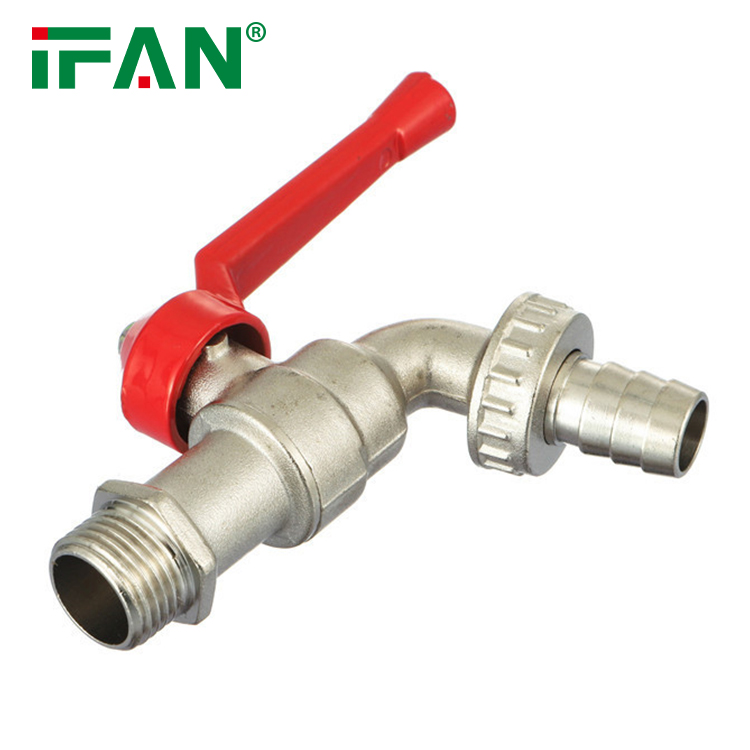
When the handle is turned, the valve stem moves up and down to allow water to flow. When the valve is open, water flows around the washer and out the spout. With the valve open, the water flows through the pipe, out of the spout and into the sink or basin.
When the tap is turned off, the valve stem moves to its original position and pushes the washer against the seat. The washer seals the opening completely, preventing water from flowing out. As the valve stem moves up and down, it moves the washer up and down as well. This movement, combined with the water pressure, creates a seal between the washer and the seat, thus stopping water from flowing out of the tap.
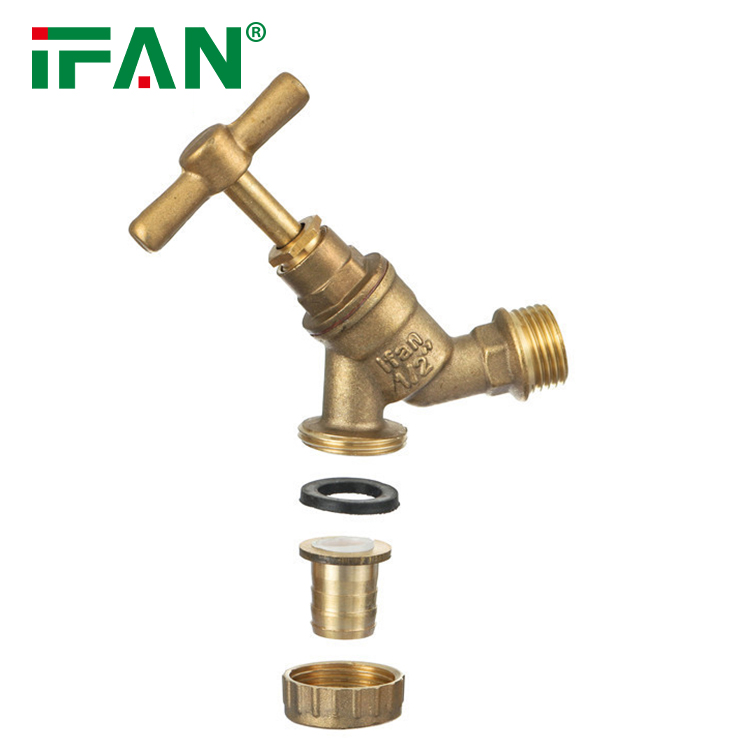
- Maintaining Your Brass Tap:
Proper maintenance of your brass tap is essential to ensure its longevity. Regular cleaning and lubrication will prevent dirt and grime from building up and keep the tap functioning correctly. Use a damp cloth to wipe the tap and remove any dirt or debris that may have accumulated. Use a mild detergent or soap to clean the tap if it is particularly dirty or greasy.
Lubrication is another essential aspect of maintaining your brass tap. Install a lubricant on the washer and valve stem to prevent the rubber from hardening and cracking. A silicone-based grease is recommended, as it will not damage the rubber washer.
- Conclusion:
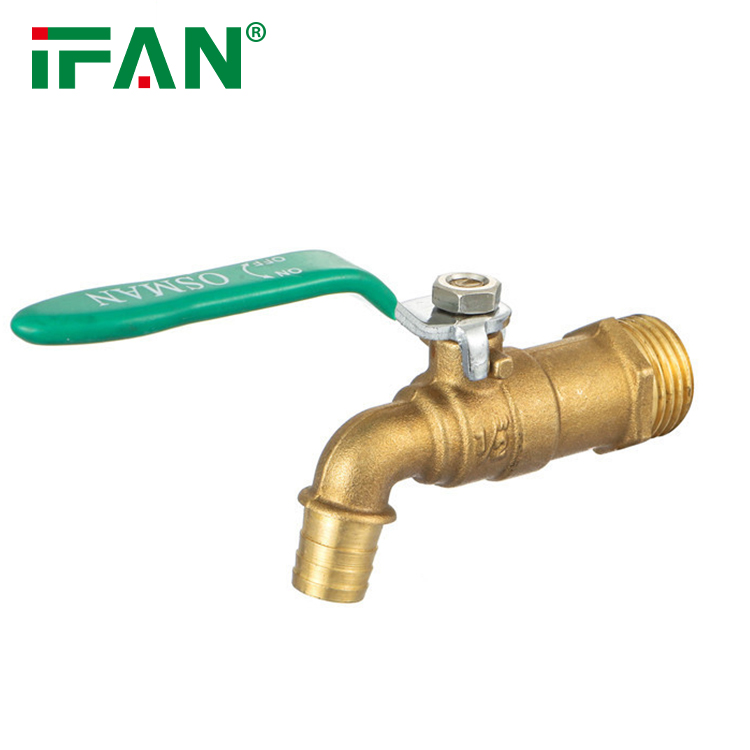
In summary, a brass tap is an essential plumbing fixture that is used to control the flow of water. It is made up of several components, including the handle, spout and valve, which work in conjunction to control the water flow. Regular cleaning and lubrication are critical to maintain the tap’s performance and extend its lifespan. By following the simple maintenance tips outlined above, you can ensure that your brass tap remains functional and efficient for years to come.