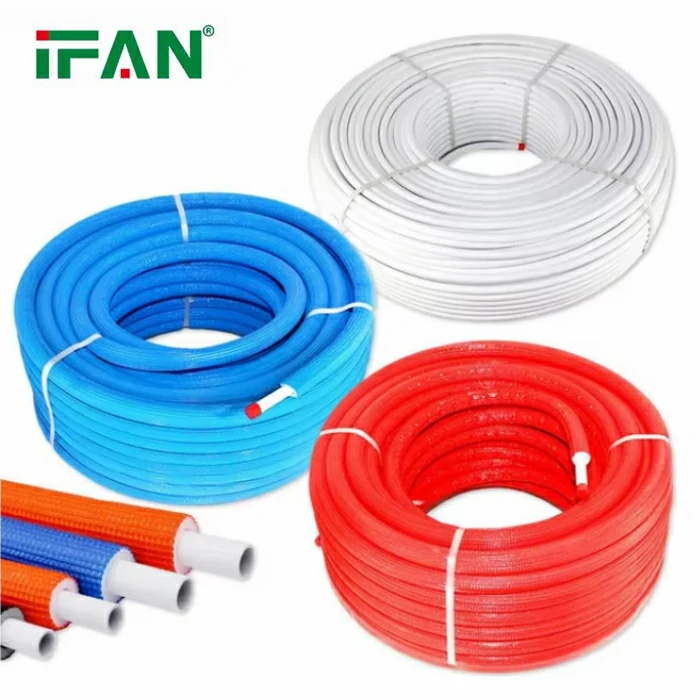
How to Connect IFAN PPR Pipe with Copper Tubing in Plumbing Systems — 3 Methods That Actually Work
Why Would You Even Mix PPR and Copper in One System?
Here’s the thing most homeowners don’t think about until the plumbing starts going in. PPR pipe is cheap, lightweight, easy to install — it’s the default for main water lines. But the moment you get to the fixtures — faucets, water heaters, toilet supply lines — copper tubing is still king. Why? Copper handles heat better, takes more pressure, and the fitting ecosystem has been rock-solid for decades.
So the real question isn’t “which one is better.” It’s “how do I connect these two different materials without leaking?” That’s exactly what IFAN has built its product line around.
3 Ways to Join PPR and Copper — Ranked by Real-World Use
Method 1: Metal-Insert Transition Fittings — The Go-To Choice
This is what you’ll see in 90% of residential installations. IFAN makes PPR fittings with brass inserts embedded inside. One end heat-fuses to your PPR pipe. The other end has a threaded male or female connection that screws directly into a copper fitting. Kitchen sink? PPR main line → IFAN brass insert elbow → copper tube → faucet. No welding, no open flame, done in under 30 minutes.
The biggest win here? It’s removable. Faucet dies in five years? Unscrew the copper side. The PPR side stays untouched.
Method 2: Flange Connection — For Large-Diameter Lines
When you’re dealing with pipes over 63mm — think main inlet lines for a large house or small commercial building — flanges are the way to go. IFAN offers PPR flange adapters that bolt directly to copper flanges. It’s bulletproof sealing, but it’s expensive and bulky. You won’t see this in a standard apartment renovation.
Method 3: Press-Fit Connections — The Rising Trend
Copper press fittings have exploded in popularity in North America and Europe over the past few years. No solder, no fire — just a press tool locks it in place. IFAN carries brass press fittings that pair with their PPR transition pieces. This method shines in renovation work where you can’t shut off the main water line for the whole building.
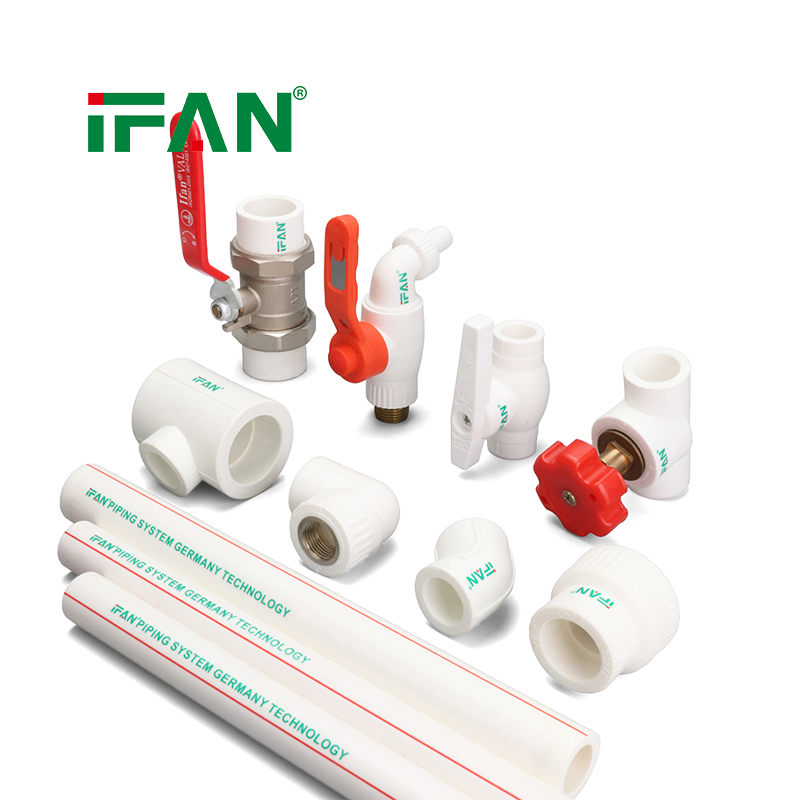
What Makes IFAN Different for Copper-PPR Integration?
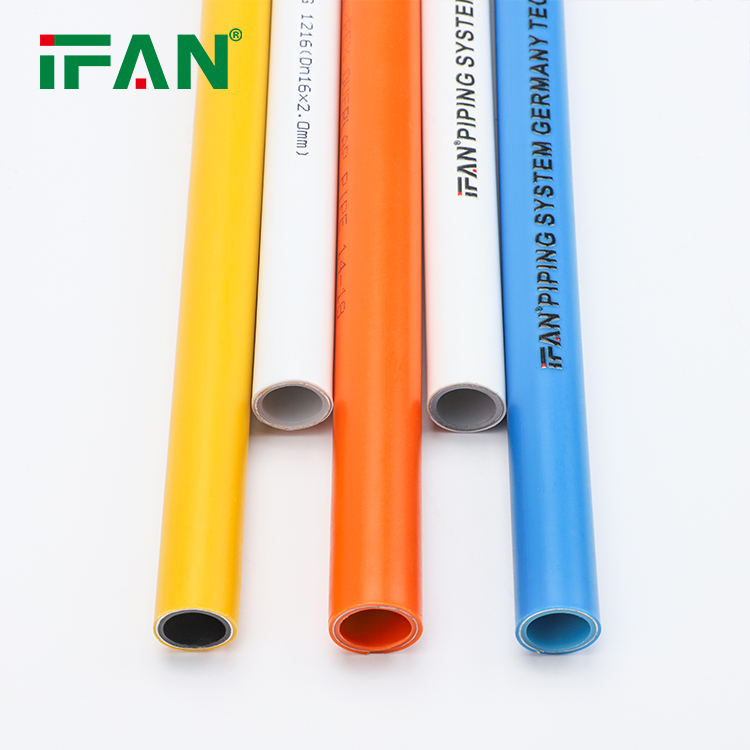
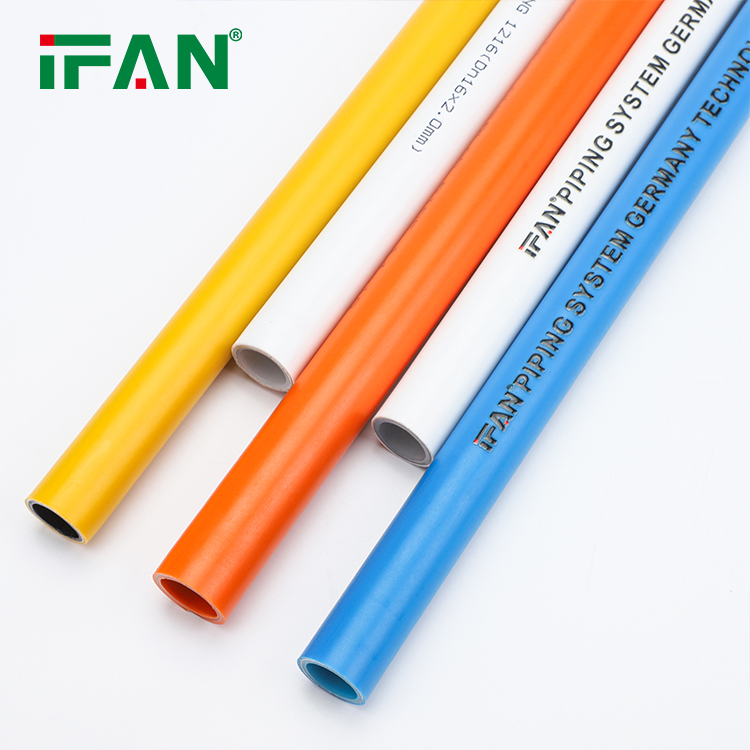
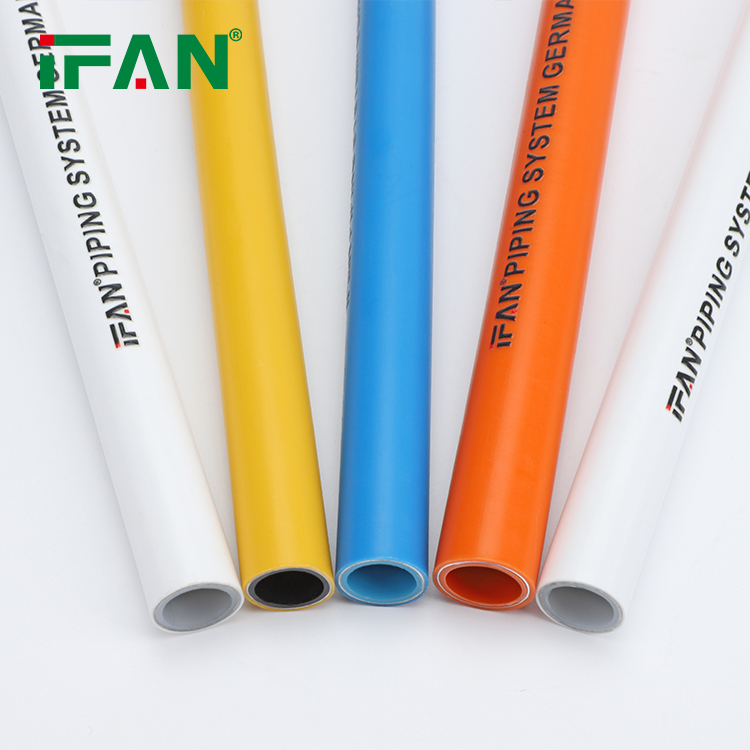
Most manufacturers do PPR or brass — not both. IFAN does both, and they’ve designed products that work together from day one. Their PPR Copper Stabi Pipe is a prime example: PPR on the outside, copper on the inside, one pipe that eliminates the need for transition fittings entirely.
Their brass fittings carry CE and ISO certifications and are exported to Europe and the Middle East. The thread precision is machine-cut, not stamped. Compare that to a no-name fitting that strips its threads after two years — then you’re pulling up floors to fix a leak that cost you 300indamagesbecauseyousaved5 on fittings.
3 Mistakes That Will Wreck Your Installation
First: Don’t heat-fuse PPR and connect copper at the same time. The fusion temperature is around 260°C. If copper fittings are already attached, that heat transfers through and can damage the sealing rings. Always fuse the PPR end first, let it cool, then tighten the copper side.
Second: PPR and copper expand at different rates. PPR expands a lot. Copper barely moves. On long straight runs, you need expansion joints — otherwise, when it gets cold, the PPR shrinks and pulls the joint apart.
Third: Teflon tape is not a fix. It’s a supplement. Real sealing comes from machining precision. IFAN’s brass fittings are precision-turned, so you barely need tape at all.
Bottom Line
Mixing PPR and copper in one plumbing system isn’t a problem — it’s standard practice. The only question is whether your transition pieces are up to the job. IFAN makes both sides of that equation, and they’re designed to work together. Skip the random hardware store mix-and-match. Go with IFAN’s copper-PPR integration system. Fewer leaks, less headache, done right the first time.