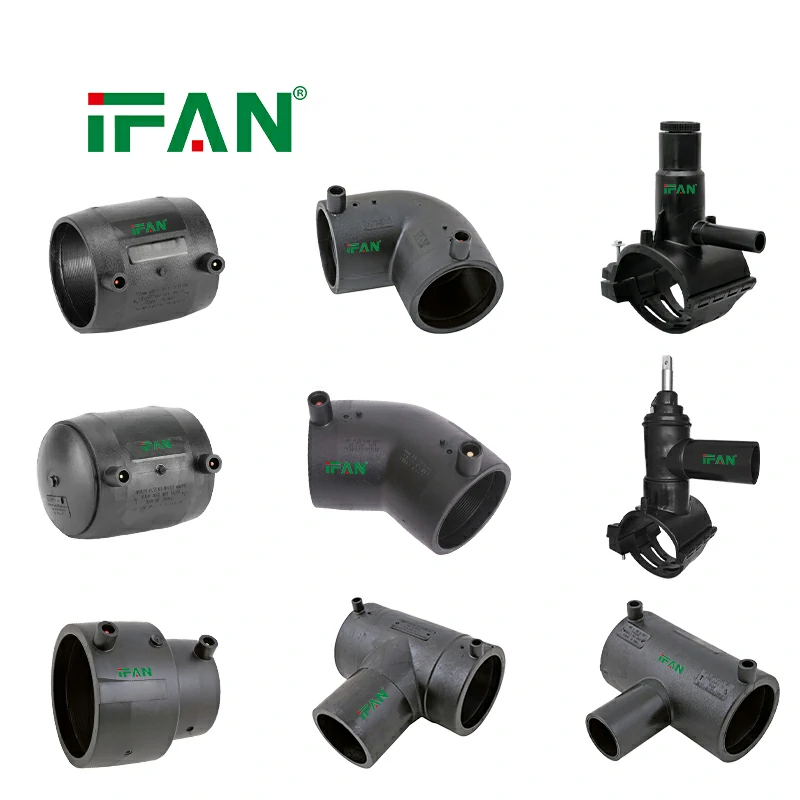
PPR (Polypropylene Random) fittings are a sustainable solution for your plumbing needs, and one that provides a plethora of benefits. From its durability and strength to its eco-friendly design, PPR is a fantastic choice for modern plumbing systems. In this article, we’ll take a closer look at PPR fittings and highlight their most significant advantages.

Sustainability: A Core Tenet of PPR Fittings
PPR fittings are made primarily of plastic, making them a sustainable and eco-friendly alternative to traditional plumbing materials. Unlike metal fittings, PPR is recyclable, and its production leaves a minimal carbon footprint. Compared to other types of plastic piping materials, PPR fittings offer enhanced longevity, reducing waste by lasting up to three times longer than their counterparts.
Strength and Durability: Benefits that Matter
PPR fittings can withstand high temperatures and pressures, making them ideal for use in hot and cold water systems. They are durable, with a life span of up to 50 years, making them an excellent investment for plumbing projects. In addition to resistance against pressure, PPR fittings also respond well to shock and vibration, ensuring that they won’t break easily when exposed to stress. Overall, the superior strength of PPR fittings makes them a reliable and long-lasting alternative to traditional fittings.
Ease of Installation: Workability Matters
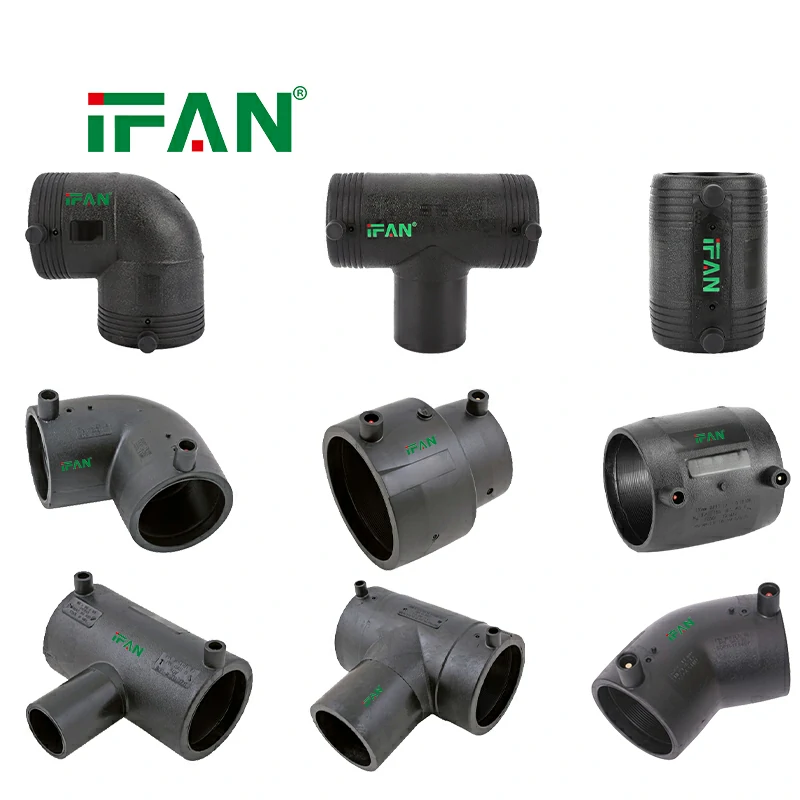
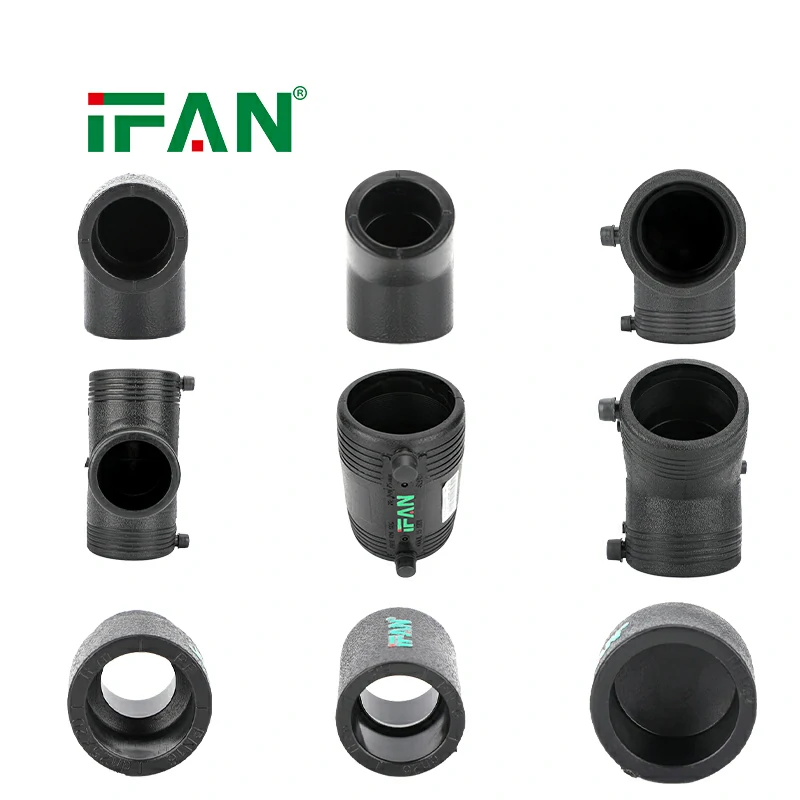
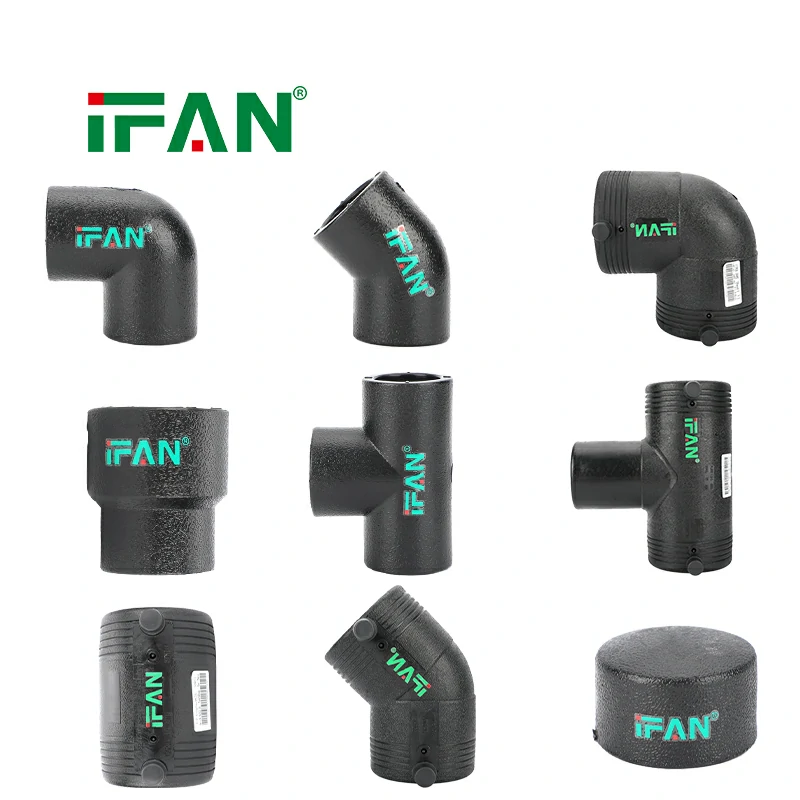
Installing PPR fittings is easy and stress-free, even for novice plumbers. The fittings are lightweight and straightforward, making them easy to handle and install. Unlike metal fittings, PPR fittings require fewer tools, and they are designed to fit precisely, which reduces the risk of leaks or over-tightening. Furthermore, PPR fittings come in diverse shapes and sizes, making them adaptable to various plumbing applications.
Improved System Efficiency: Cost-Effective in the Long-term
PPR fittings not only grant immediate benefits of installation efficiency but also provide long-term cost benefits. Since the fittings are highly durable and don’t corrode, there’s minimal need for maintenance, which reduces the long-term costs of the plumbing system. Additionally, PPR fittings don’t accumulate sediment, ensuring that there’s no need to flush the system regularly, saving both time and money.
Endnotes
All in all, PPR fittings are an excellent option for your plumbing needs. Their sustainable design, strength and durability, ease of installation, and efficiency make them a valuable investment. Consider this eco-friendly alternative to traditional plumbing fittings to build a reliable and long-lasting plumbing system and enjoy peace of mind knowing that you’ve chosen a sustainable and cost-efficient option.