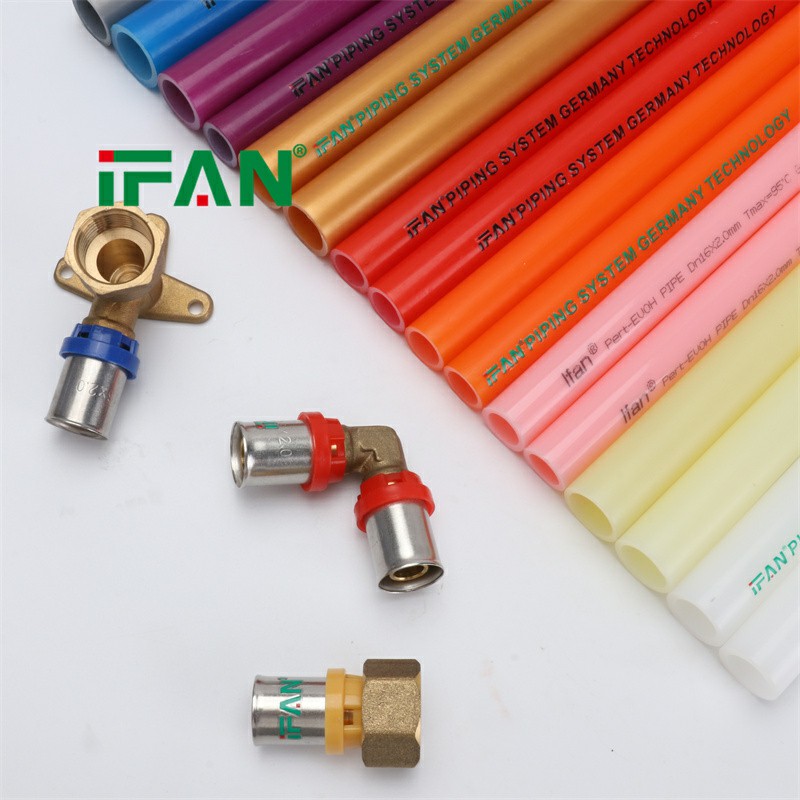
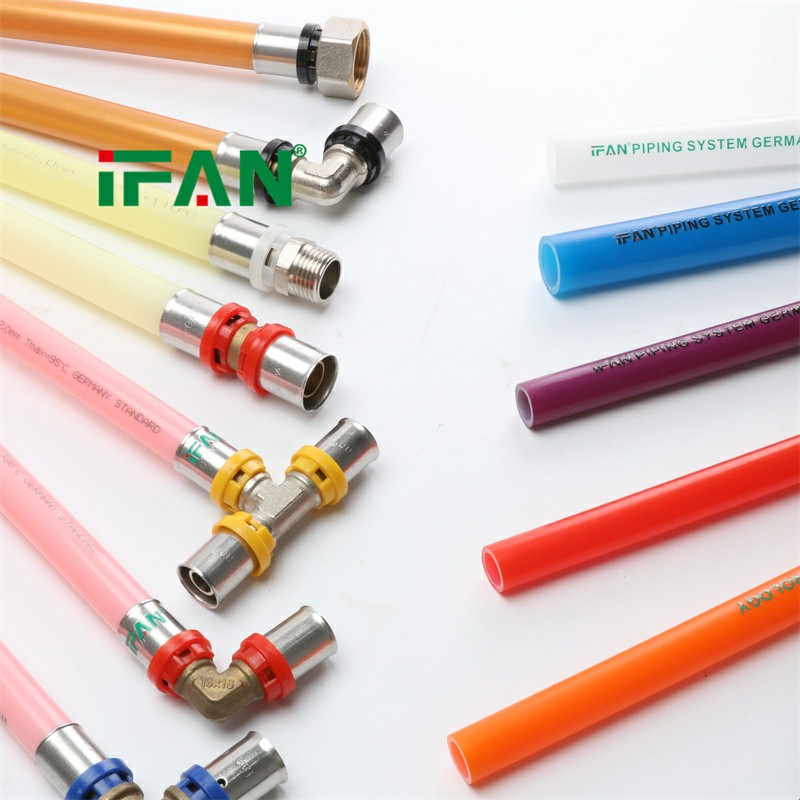
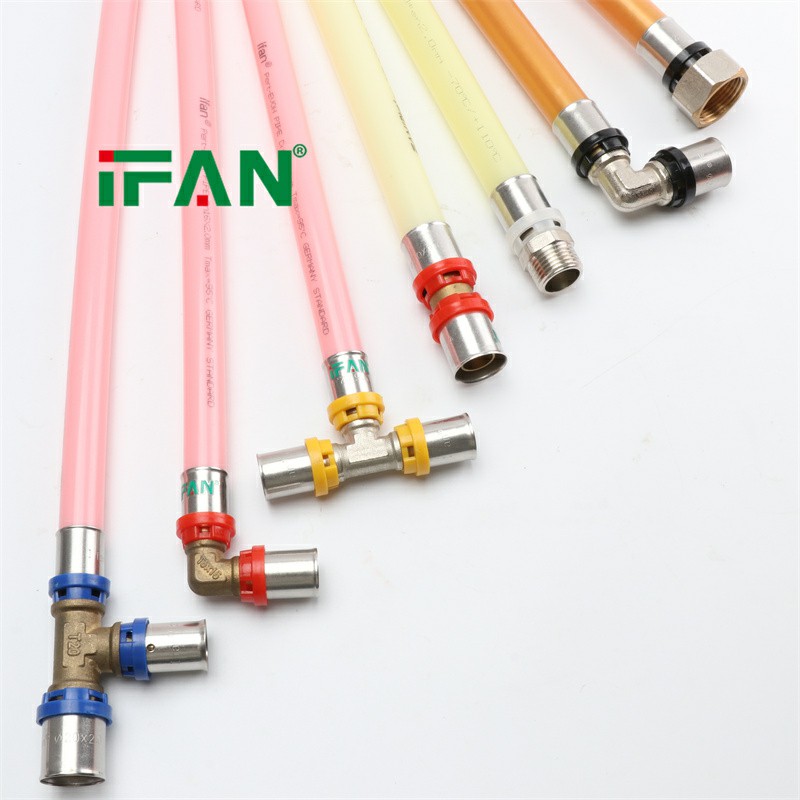
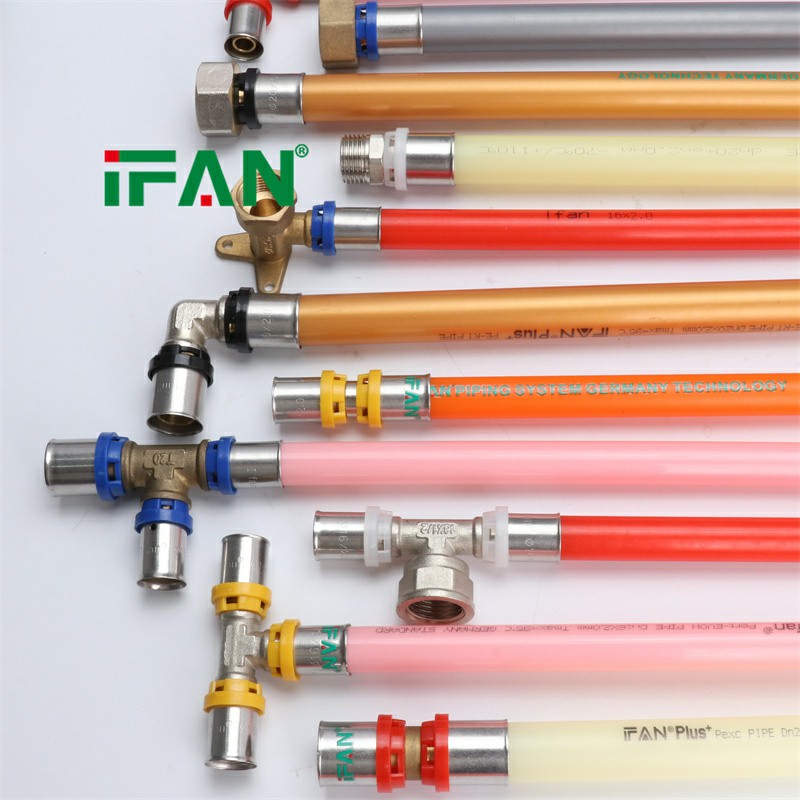
In recent years, PEX plumbing has become one of the most popular choices for residential, commercial, and industrial piping systems. The flexibility, durability, and ease of installation offered by PEX pipes make them a top choice for water distribution, radiant heating, and plumbing systems. To meet growing demand and to enhance production capabilities, manufacturers are embarking on “massive” capital spending schemes aimed at increasing the output of pressure PEX pipes in Europe and the United States.
In this article, we will explore the reasons behind the capital spending initiatives to boost PEX pipe production, how these changes will impact the global plumbing industry, and why PEX fittings are integral to ensuring the success and reliability of PEX plumbing systems. Additionally, we will discuss the expected benefits for consumers, professionals, and the environment.
The Growing Demand for PEX Pipes
The increasing adoption of PEX pipes across various markets is driving the demand for higher output and better performance. With industries constantly evolving and urbanization continuing to rise in both developed and emerging markets, there has been a notable shift toward flexible, cost-effective, and high-performing plumbing solutions. PEX pipes fit this demand perfectly and are being integrated into an array of applications, from residential homes to large-scale commercial projects and industrial installations.
The advantages of PEX pipes include:
- Flexibility: They can be bent easily, making them ideal for tight spaces.
- Corrosion Resistance: Unlike metal pipes, PEX pipes are resistant to corrosion, scaling, and pitting.
- Durability: PEX pipes can withstand high pressures and extreme temperatures, ensuring long-term reliability.
- Ease of Installation: Because of their flexibility and the availability of PEX fittings, they are easier to install than traditional copper or PVC pipes.
As these benefits continue to drive adoption, manufacturers are responding by ramping up production capabilities to meet rising demand in both Europe and the US.
The “Massive” Capital Spending Plans
To meet the increased demand for PEX piping, manufacturers in both Europe and the United States are planning significant investments in their manufacturing facilities. These “massive” capital spending schemes are designed to improve production capacity, enhance quality control, and introduce new, more advanced technologies for pressure PEX pipe production.
Why Are Companies Investing in PEX Pipe Production?
Several factors contribute to the push for higher output and greater investments in the PEX piping industry:
1. Rising Demand for Plumbing Systems
As mentioned earlier, PEX pipes have gained popularity for their versatility, and their use has increased significantly in residential and commercial plumbing. The global market for PEX pipes is expected to grow steadily, especially in regions like Europe and North America, where demand for efficient plumbing solutions is surging.
2. Improved Manufacturing Technology
Advancements in manufacturing technology have allowed for higher-quality PEX pipes to be produced more efficiently. Modern PEX extrusion processes are not only faster but also reduce waste, making production more sustainable and cost-effective. The capital spending plans include investing in state-of-the-art extrusion lines, automated machinery, and improved manufacturing techniques.
3. Shifting Preferences from Copper to PEX
As more consumers and contractors realize the advantages of PEX plumbing, there has been a significant shift away from traditional copper piping. Copper pipes are expensive, difficult to work with, and more prone to corrosion over time. In contrast, PEX pipes are more affordable, easier to install, and have a longer service life. This shift in preference is contributing to the need for higher production capacities.
4. Expansion of Global Markets
Manufacturers are not only focusing on increasing output in Europe and the US but are also expanding into new and emerging markets. Developing countries, particularly in Asia and Latin America, are beginning to adopt PEX plumbing due to its affordability and versatility. This expansion requires increased production volumes to meet the demands of these regions.
Impact of Increased Output of Pressure PEX Pipes
The focus on increasing the output of pressure PEX pipes will have wide-reaching impacts on various aspects of the plumbing industry, as well as on consumers and professionals alike. Here are some key areas where we can expect to see changes:
1. Cost Reduction for Consumers
With an increase in production capacity and the resulting economies of scale, PEX pipes will become even more affordable for consumers. As manufacturers ramp up their output, they will be able to reduce the overall cost of PEX pipes and PEX fittings. This will make PEX plumbing an even more attractive option for homeowners and contractors working on new construction, renovations, or repairs.
2. Improved Availability and Shorter Lead Times
Higher production capacity will result in faster delivery times for PEX pipes and PEX fittings. Plumbing professionals will benefit from quicker turnaround times, allowing them to complete projects more efficiently. For consumers, this means fewer delays and more flexibility in scheduling installation.
3. Higher Quality Standards
As manufacturers invest in advanced technologies and modernize their production processes, they will be able to produce higher-quality PEX pipes. This will lead to even better performance and reliability, reducing the risk of leaks, damage, or failure in plumbing systems. In turn, consumers will enjoy longer-lasting plumbing systems that require fewer repairs.
4. Environmental Benefits
The capital spending schemes also focus on reducing environmental impacts. The introduction of new, more efficient manufacturing techniques reduces waste and energy consumption, making the production of PEX pipes more sustainable. Additionally, PEX pipes are made from recyclable materials, and the reduction of copper usage is an environmentally friendly alternative. This increased focus on sustainability aligns with broader goals of reducing the carbon footprint in the construction industry.
5. Job Creation and Economic Growth
The increased output of PEX pipes will lead to job creation in the manufacturing sector. New factories, updated facilities, and additional staffing will be required to meet the growing demand. This not only strengthens the PEX pipe manufacturing industry but also contributes to economic growth in the regions where these plants are located.
The Role of PEX Fittings in Plumbing Systems
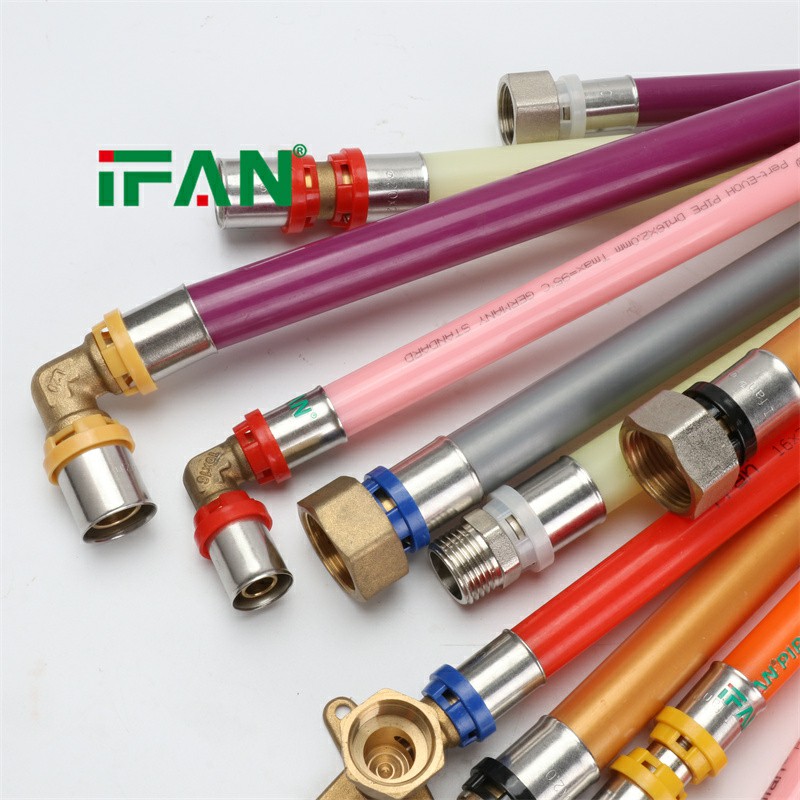
As the production of PEX pipes increases, the importance of PEX fittings cannot be overstated. PEX fittings are essential for creating leak-free connections between PEX pipes, and their reliability is crucial for the success of any PEX plumbing system.
Types of PEX Fittings
There are several types of PEX fittings, each designed for specific installation techniques. Some of the most common types include:
- Crimp Fittings: These are the most traditional type of PEX fittings and require a crimping tool to secure the fitting to the pipe.
- Clamp Fittings: These are similar to crimp fittings but use a stainless steel clamp instead of a metal crimp ring to secure the connection.
- Push-Fit Fittings: These fittings are designed for ease of use, allowing for quick installation without the need for tools.
- Compression Fittings: These fittings use a compression nut to secure the PEX pipe to the fitting, often used in older or retrofit installations.
The growing demand for PEX piping naturally results in an increased need for high-quality PEX fittings. The expansion of production facilities for PEX pipes in Europe and the US will likely see parallel investments in the manufacturing of PEX fittings to keep pace with the rising demand.
How High-Quality PEX Fittings Improve Plumbing Systems
High-quality PEX fittings ensure that PEX pipes are securely connected, preventing leaks and maintaining the integrity of the plumbing system. As more manufacturers invest in state-of-the-art production facilities, the quality of PEX fittings will continue to improve, leading to longer-lasting, more reliable plumbing systems.
Conclusion
The “massive” capital spending schemes to increase the output of pressure PEX pipes in Europe and the US are a direct response to the growing demand for efficient, cost-effective, and durable plumbing solutions. With advancements in manufacturing technologies and increased production capacities, PEX pipes and PEX fittings will become more affordable, accessible, and reliable. This will ultimately benefit consumers, contractors, and the environment, while supporting the ongoing adoption of PEX plumbing systems worldwide.
As manufacturers continue to innovate and expand their capabilities, we can expect to see better quality, lower costs, and more sustainable practices across the entire plumbing industry. The future of PEX plumbing looks bright, with improved systems that meet the evolving needs of a global market.
Frequently Asked Questions (FAQs)
1. What are the advantages of using PEX plumbing over traditional piping materials?
PEX plumbing offers several advantages, including flexibility, resistance to corrosion, ease of installation, and lower costs compared to copper or PVC pipes. It is also more durable and can handle extreme temperatures and pressures.
2. How does the increase in PEX pipe production benefit homeowners?
With increased production capacity, PEX pipes will become more affordable and readily available, leading to lower installation costs and faster project completion for homeowners.
3. What are PEX fittings, and why are they important?
PEX fittings are used to connect PEX pipes in plumbing systems. They are essential for ensuring leak-free, secure connections and maintaining the integrity of the plumbing system.
4. Are PEX pipes environmentally friendly?
PEX pipes are made from recyclable materials, and the reduction in the use of copper for plumbing applications makes them a more environmentally friendly option compared to traditional metals.
5. How long do PEX pipes typically last?
With proper installation and maintenance, PEX pipes can last up to 40-50 years, making them a long