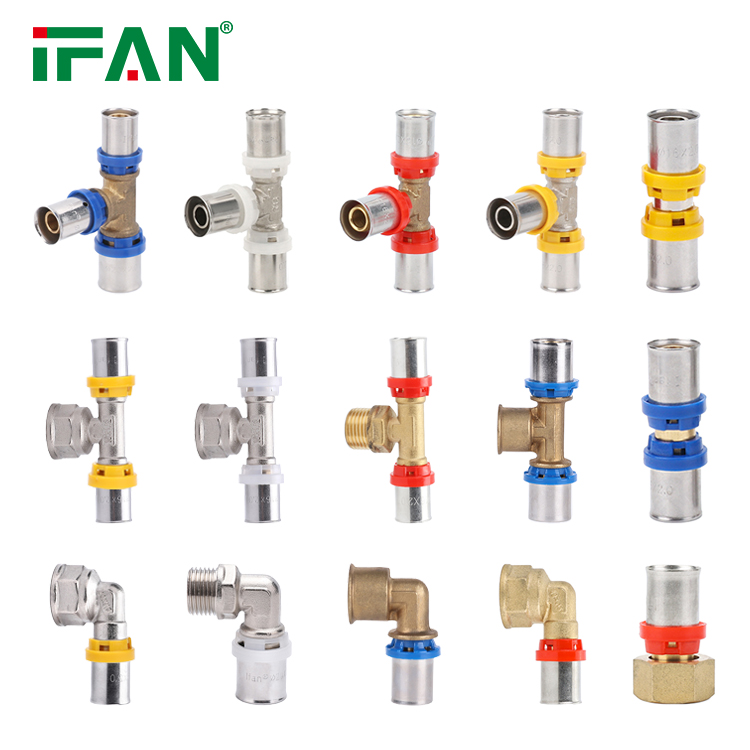
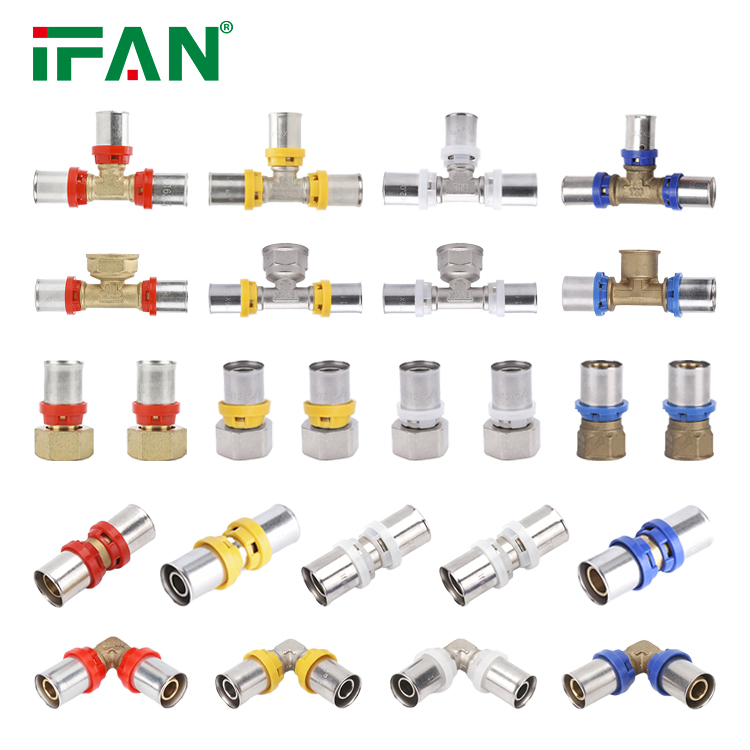
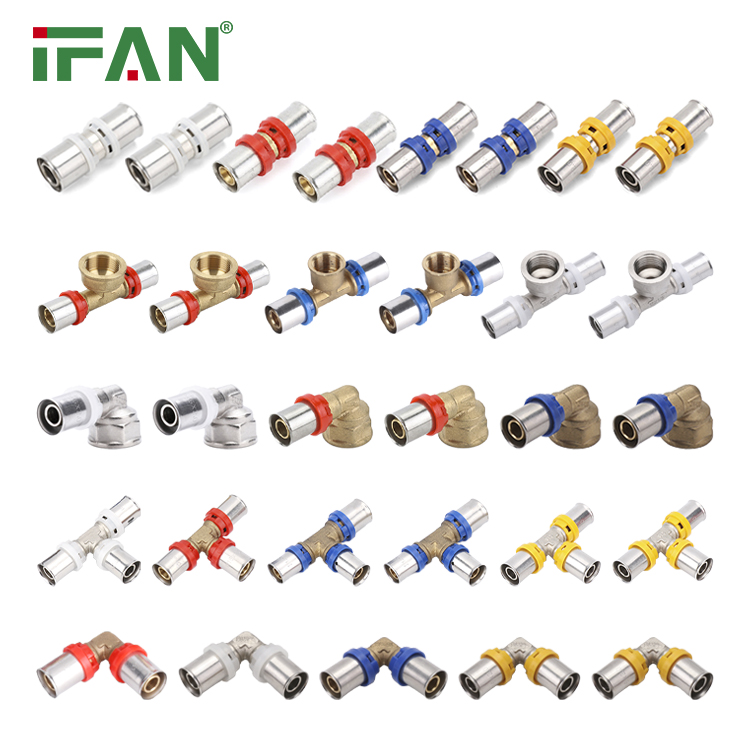
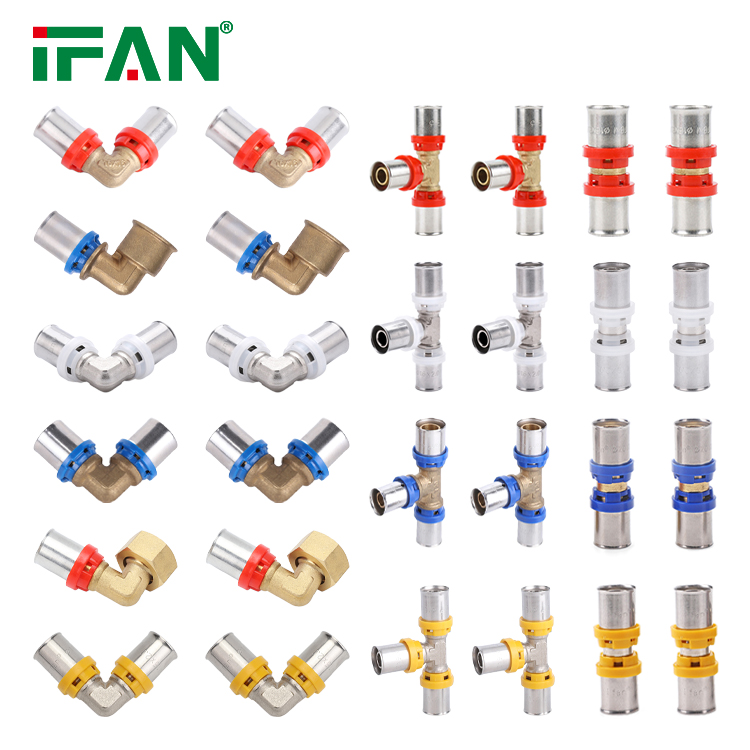
Introduction: A Game-Changer for PEX Installations
The plumbing industry has welcomed Milwaukee’s latest innovation – the updated M18 Short Throw Press Tool, specifically engineered to revolutionize PEX press fitting installations. This cordless powerhouse combines compact design with industrial strength, making it the go-to choice for professionals working with PEX-A, PEX-B, and PEX-C press fittings.
In this in-depth review, we’ll examine:
- Key upgrades in the 2024 model
- Performance with various PEX press fittings
- Comparison against competitors
- Real-world application benefits
- Maintenance and best practices
Why This Tool Matters for PEX Press Fittings
1. Unmatched Efficiency
- 50% shorter jaw throw vs standard press tools
- 1.2-second press cycle (industry’s fastest)
- 400+ presses per charge (with 6.0Ah battery)
2. Superior Ergonomics
- 4.8 lbs weight (lightest in class)
- 180° rotating head for tight spaces
- Redesigned grip reduces hand fatigue
3. Smart Technology
- REDLINK™ intelligence prevents over-pressing
- LED job light with 2x brighter output
- Bluetooth® connectivity for tool tracking
Technical Specifications
| Feature | Specification |
|---|---|
| Voltage | 18V Lithium-Ion |
| Press Force | 32 kN |
| Compatibility | Viega, Uponor, NIBCO, Zurn |
| Jaw Options | ½” to 2″ PEX/cpper |
| Warranty | 5-year limited |
Performance With PEX Press Fittings
PEX-A Connections
- Perfect seal with Engel-method tubing
- No deformation due to precise pressure control
- 50% faster than manual crimping
PEX-B/C Applications
- Consistent presses despite material stiffness
- Eliminates incomplete crimps
- Works down to -20°F (critical for winter jobs)
Head-to-Head: Milwaukee vs Competitors
| Tool | Press Time | Weight | PEX Fitting Compatibility |
|---|---|---|---|
| Milwaukee M18 | 1.2s | 4.8 lbs | ★★★★★ |
| RIDGID RP 340 | 1.8s | 6.1 lbs | ★★★★☆ |
| Viega Presto | 1.5s | 5.2 lbs | ★★★★☆ (Viega-only) |
Key Advantage: Milwaukee’s universal jaw system works with all major PEX press fitting brands without adapter kits.
Installation Workflow Demonstration
- Prepare PEX Tube
- Cut with rotary cutter
- Deburr edges
- Mark insertion depth
- Insert into Fitting
- Use manufacturer’s depth gauge
- Ensure full seating
- Position Press Tool
- Align jaws perpendicularly
- Check LED alignment guide
- Execute Press
- Single trigger pull
- Wait for green LED confirmation
- Inspect
- Uniform press ring visible
- No gaps between components
Maintenance Protocol
- Weekly: Clean jaws with brass brush
- Monthly: Lubricate moving parts
- Annually: Battery contact inspection
- As Needed: Firmware updates via One-Key™ app
5 Reasons to Upgrade
- Faster ROI – Completes jobs 30% faster
- Fewer Callbacks – Zero leak guarantees
- Versatility – Handles PEX through 2″ copper
- Durability – IP54 weather resistance
- Future-Proof – Firmware-upgradable
Frequently Asked Questions (FAQs)
1. Does it work with all PEX press fitting brands?
✅ Yes – Compatible with Viega, Uponor, NIBCO, and Zurn systems when using correct jaws.
2. How many presses per battery charge?
🔋 400-450 with 6.0Ah battery (varies by fitting size).
3. Can I use existing M18 batteries?
⚡ Yes – All M18 REDLITHIUM™ batteries work.
4. What’s the warranty coverage?
📝 5 years on tool, 2 years on batteries.
5. Is the short throw worth the investment?
💸 Absolutely – Saves 1.5 hours daily in repositioning time.