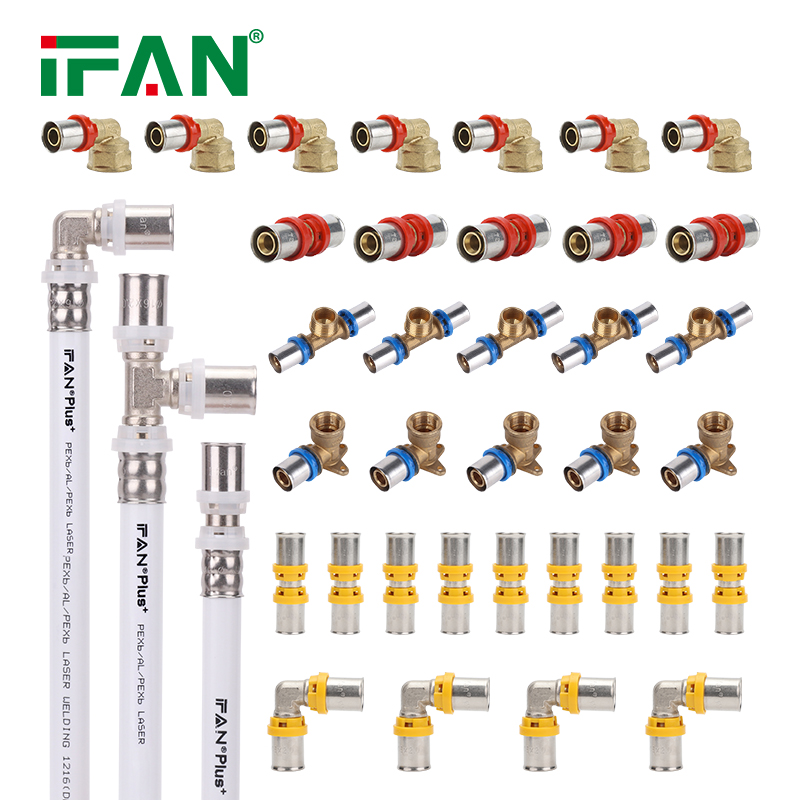
In an era where water scarcity is becoming an increasingly pressing concern, governments and industries alike are turning to advanced technologies to mitigate the issue. One such solution gaining significant traction is the use of PEX pipes (cross-linked polyethylene pipes) in water infrastructure. In a bold move to tackle systemic water loss, the Ministry of Water Resources has officially endorsed the widespread adoption of PEX pipes in national and regional water distribution systems.
This endorsement marks a significant milestone in modernizing water networks and reflects a broader commitment to sustainable resource management. In this article, we explore the reasons behind the Ministry’s decision, the unique advantages of PEX pipes, and the potential impact this change will have on water conservation, public health, and infrastructure efficiency.
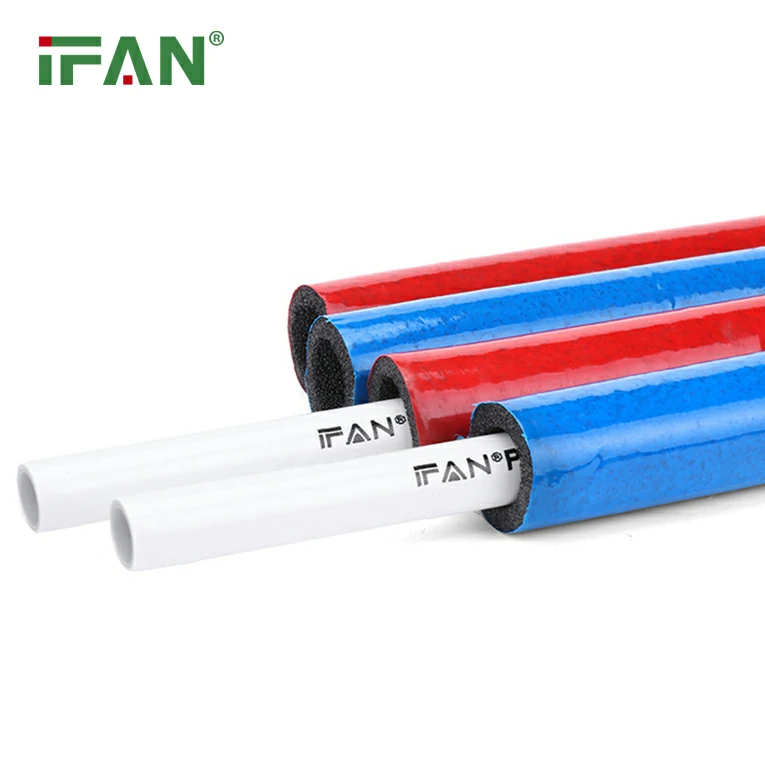
Understanding Water Loss: A Global Challenge
Water loss, also known as non-revenue water (NRW), refers to water that is produced and lost before it reaches the end consumer. According to the International Water Association, global water loss in urban systems averages around 126 billion cubic meters annually, costing utilities an estimated $39 billion.
The causes of water loss are numerous:
- Aging infrastructure
- Pipe corrosion and leaks
- Inaccurate metering
- Illegal connections
In developing nations, losses can exceed 50% of the total water supply. Even developed countries experience significant leakage due to outdated metal pipes and poor maintenance. Therefore, the need for innovative, durable, and cost-effective piping systems has never been greater.
Why the Ministry Chose PEX Pipes
1. Leakage Reduction
One of the primary benefits of PEX pipes is their ability to significantly reduce leakage. Traditional metal and PVC pipes are prone to cracking, corrosion, and joint failures—especially under pressure or temperature fluctuations. In contrast, PEX pipes are flexible, allowing for seamless installations with fewer joints. This drastically cuts the likelihood of leakage points, contributing to a substantial reduction in water loss.
2. Corrosion Resistance
Unlike metal pipes, which corrode over time due to water quality, PEX pipes are chemically resistant. They do not rust or develop mineral scale, which not only extends the lifespan of the piping but also maintains the purity and flow rate of the water. This makes PEX ideal for long-term potable water distribution.
3. Long-Term Durability
The Ministry highlighted the lifespan of PEX piping—typically over 50 years—as a key factor in its adoption. These pipes withstand high pressures and a wide range of temperatures without deteriorating, making them well-suited for a variety of climate zones and infrastructure conditions.
4. Fast and Cost-Effective Installation
The lightweight and flexible nature of PEX piping makes it easier and faster to install than rigid alternatives. Municipalities can upgrade aging infrastructure with less labor and minimal excavation, lowering project costs and timelines.
5. Environmental Sustainability
PEX pipes have a lower carbon footprint compared to metal and PVC pipes. Their durability means fewer replacements, which reduces resource use over time. The Ministry emphasized this point in the context of aligning with national sustainability goals and climate action commitments.
Case Studies: PEX Pipes in Action
● Urban Water Renewal Project – City X
In a pilot project, the City X Water Authority replaced over 10 kilometers of aging metal pipeline with PEX piping in high-loss zones. Within 6 months, the water loss dropped by 38%, and maintenance calls declined by over 60%. The project paid for itself in under a year through saved water and reduced labor.
● Rural Expansion Program – Region Y
In underserved rural communities, where installing traditional piping was cost-prohibitive, PEX allowed for the deployment of efficient water systems without heavy excavation. The flexible piping was laid over uneven terrain, and access to potable water increased by 25% in the region.
Industry and Public Response
The Ministry’s endorsement of PEX pipes was met with enthusiasm from public utility companies, civil engineers, and sustainability advocates. Experts praised the decision for reflecting forward-thinking policy, aligning with global best practices, and embracing technology that has been widely adopted in Europe and North America.
The private sector, particularly pipe manufacturers and infrastructure firms, has also expressed support. This policy change is expected to boost local production and innovation in polymer pipe manufacturing, opening up job opportunities and economic growth.
Implementation Strategy
The Ministry has laid out a phased implementation plan, including:
- Mandatory use of PEX in new public water infrastructure projects
- Incentives for municipalities to replace old metal pipes with PEX
- Training programs for technicians and civil engineers
- Public awareness campaigns on the benefits of PEX pipes
Grants and low-interest loans will be offered to small municipalities that demonstrate a plan to reduce water loss through infrastructure upgrades using PEX.
Future Outlook: Building Resilient Water Systems
With climate change intensifying droughts and putting pressure on freshwater sources, building resilient and efficient water systems is crucial. The Ministry’s policy shift signifies more than just a material change—it represents a paradigm shift in infrastructure thinking. Rather than investing in reactive maintenance, the focus is now on proactive, preventive solutions.
As the adoption of PEX pipes expands, experts anticipate:
- Improved water conservation rates
- Enhanced delivery of clean water
- Reduction in energy costs for pumping
- Stronger compliance with global water security standards
Tech firms and research institutions are also exploring smart integration of PEX pipes with IoT sensors, enabling real-time leak detection and system diagnostics.
SEO Focus: Why “PEX Pipe” is the Future Keyword in Water Infrastructure
From a digital strategy perspective, “PEX pipe” is rapidly becoming a high-value keyword in the plumbing, construction, and sustainability niches. This trend mirrors the real-world shift toward polymer piping and infrastructure modernization.
To optimize for search engines:
- Include “PEX pipe” in headings and meta descriptions
- Use long-tail keywords like “PEX pipe for potable water”, “PEX pipe water loss solution”, and “government adopts PEX pipe”
- Optimize images with alt text that includes “PEX pipe benefits”
- Use internal linking to educational content on PEX installation and safety
Proper SEO integration ensures that information on this transformative policy reaches municipal leaders, contractors, and homeowners who are ready to make the switch.
Conclusion
The Ministry’s endorsement of PEX pipes marks a pivotal moment in the country’s water management strategy. By addressing the root causes of water loss through modern technology, the government is not only protecting precious water resources but also building a more resilient and sustainable future.
As more cities and regions adopt PEX pipe systems, the benefits will multiply—less water loss, lower operational costs, and greater public health. In the quest for efficient, safe, and sustainable water delivery, PEX pipes are leading the way.
Frequently Asked Questions (FAQs)
1. What is a PEX pipe and why is it used in water systems?
PEX pipe is a cross-linked polyethylene pipe known for its flexibility, durability, and resistance to corrosion. It’s increasingly used in water systems due to its ability to reduce leaks and maintenance costs.
2. How does using PEX pipe reduce water loss?
PEX pipes have fewer joints and are more resistant to leaks and breaks than traditional metal or PVC pipes. This significantly reduces the volume of water lost during distribution.
3. Are PEX pipes safe for drinking water?
Yes. PEX pipes are approved for potable water systems in many countries and meet rigorous safety standards. They do not leach harmful chemicals and resist microbial growth.
4. What is the lifespan of a PEX pipe?
PEX pipes can last 40–50 years or more under normal usage conditions, making them a long-term solution for water infrastructure.
5. Will switching to PEX pipes save money in the long run?
Yes. Although the initial cost may vary, reduced maintenance, fewer repairs, faster installation, and water loss prevention make PEX a highly cost-effective option over time.