Introduction
In the realm of plumbing, PEX (cross-linked polyethylene) pipes have gained significant popularity for hot-water systems due to their flexibility, resistance to corrosion, and ease of installation. However, as the plumbing industry continues to evolve, it is essential to examine the performance characteristics of PEX pipes in greater detail, especially in comparison to other materials like PPR (Polypropylene Random Copolymer) pipes. This article will delve into the performance characteristics of PEX pipe hot-water systems, focusing on their efficiency, durability, and overall effectiveness, while also highlighting the advantages of PPR pipes in specific applications.
Understanding PEX Pipes in Hot-Water Systems
What are PEX Pipes?
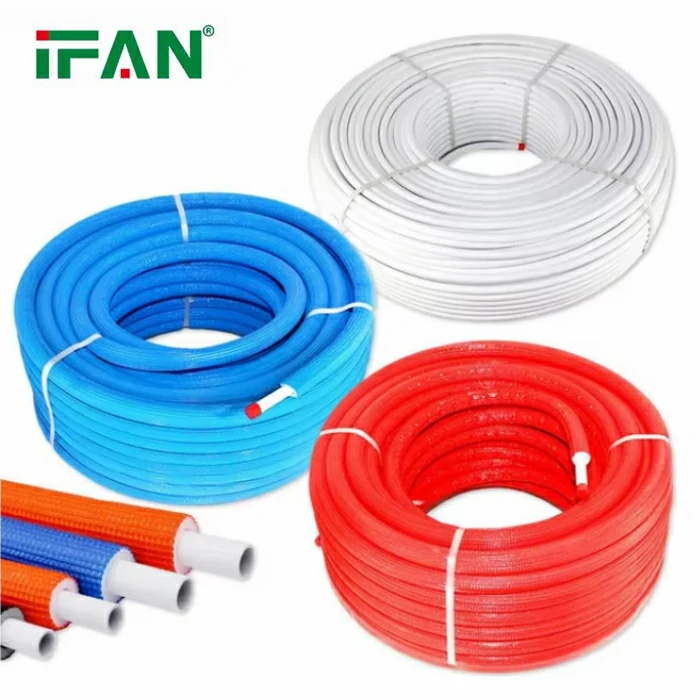
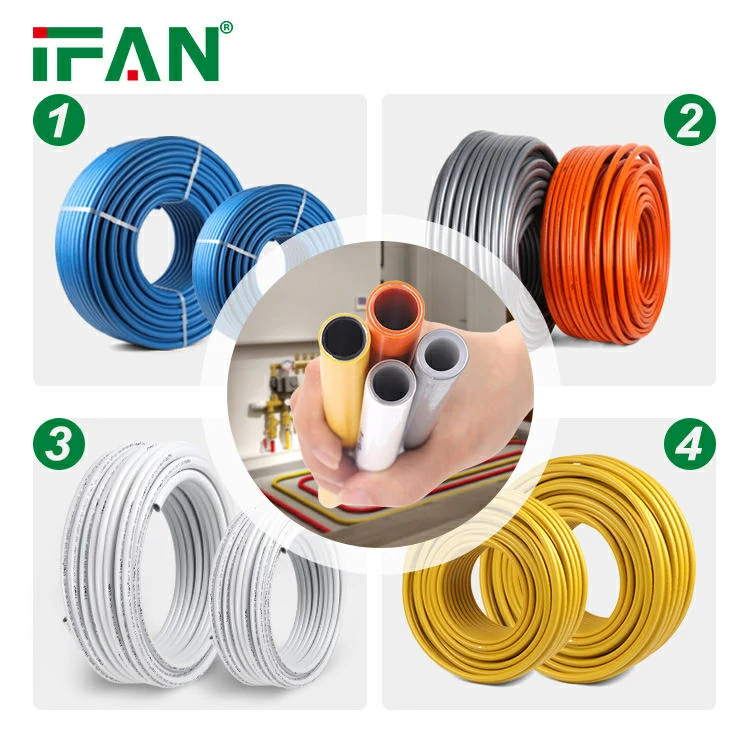
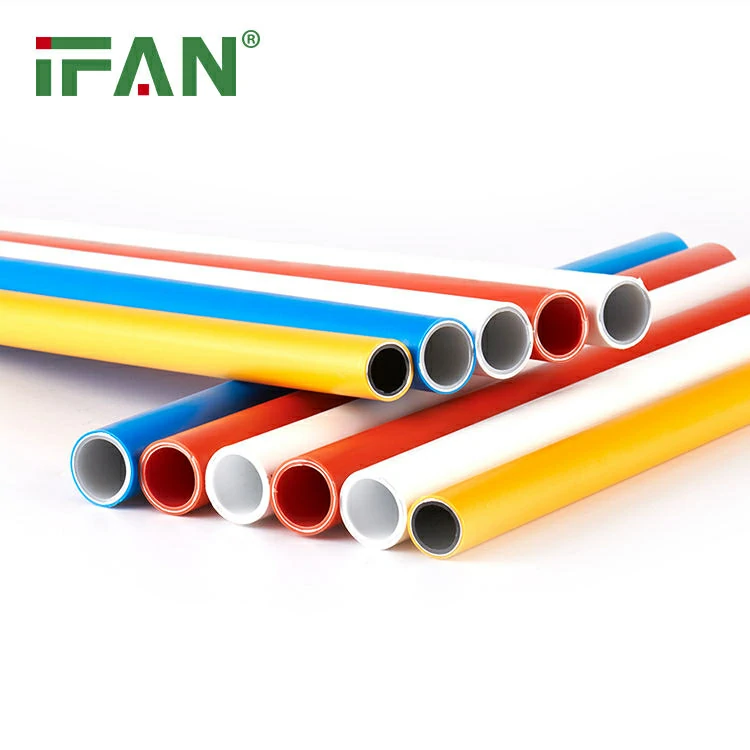
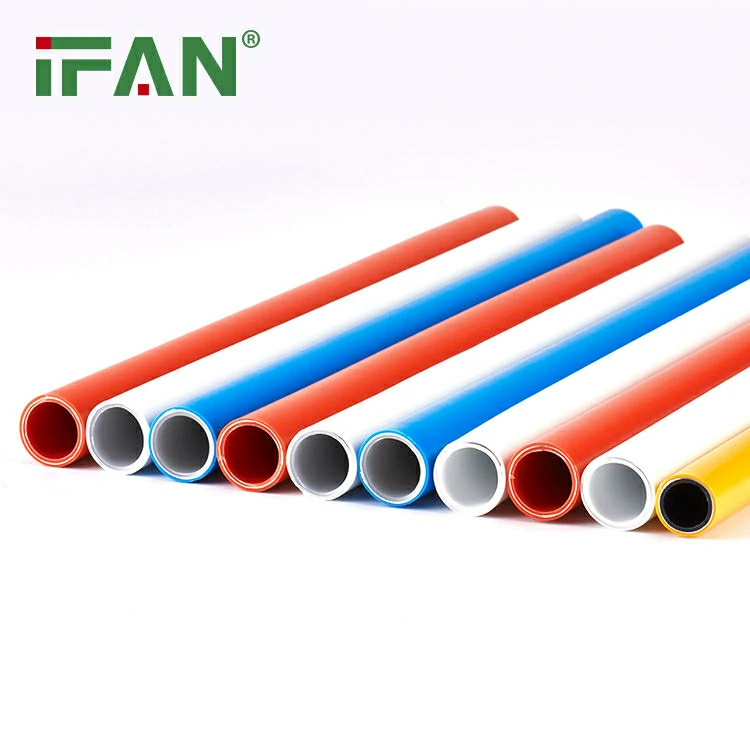
PEX pipes are made from a type of plastic that has undergone a cross-linking process to enhance its properties. This process increases the pipe’s strength, flexibility, and resistance to thermal expansion. PEX pipes are available in various sizes and colors, making them suitable for a wide range of applications, including residential and commercial hot-water systems.
Advantages of PEX Pipes in Hot-Water Systems
- Flexibility: One of the most significant advantages of PEX pipes is their flexibility. This allows for easier installation in tight spaces and reduces the need for fittings, which can lead to potential leak points.
- Corrosion Resistance: PEX pipes are resistant to corrosion and scale buildup, which is particularly beneficial in hot-water systems where minerals can accumulate over time.
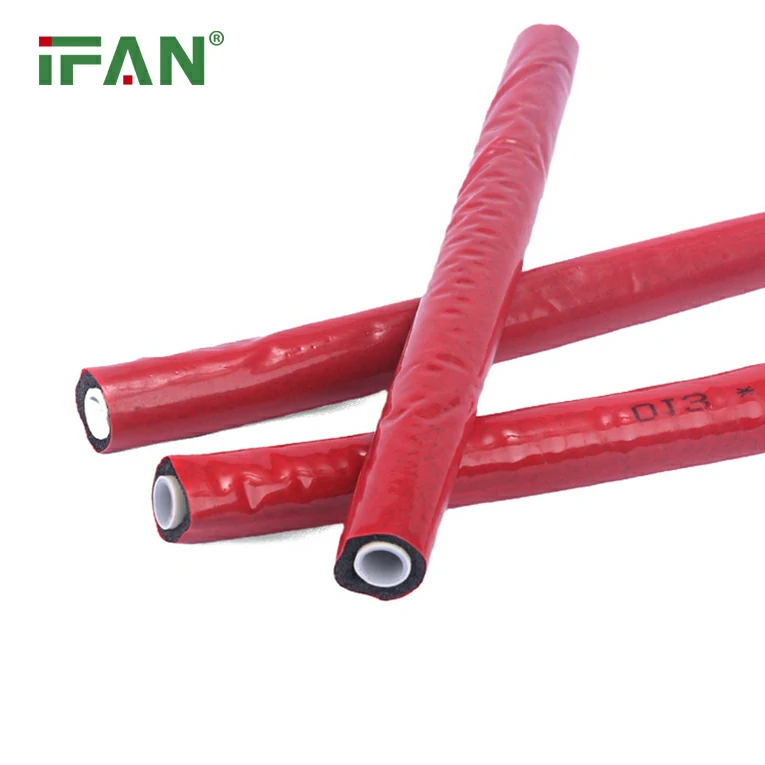
- Thermal Insulation: PEX pipes provide excellent thermal insulation, which helps to maintain water temperature and reduce energy costs in hot-water systems.
- Ease of Installation: The lightweight nature of PEX pipes makes them easier to handle and install compared to traditional materials like copper or PVC.
Performance Characteristics of PEX Pipe Hot-Water Systems
1. Temperature Resistance
PEX pipes are designed to withstand high temperatures, making them suitable for hot-water applications. They can typically handle temperatures up to 200°F (93°C) without compromising their structural integrity. This characteristic is crucial for hot-water systems, as it ensures that the pipes can deliver hot water efficiently without risk of failure.
2. Pressure Ratings
The pressure rating of PEX pipes is another critical performance characteristic. PEX pipes are available in various pressure ratings, which are essential for ensuring that the system can handle the demands of hot-water delivery. Most PEX pipes are rated for pressures up to 80 psi (pounds per square inch) at 180°F (82°C), making them suitable for most residential hot-water systems.
3. Freeze Resistance
One of the notable advantages of PEX pipes is their resistance to freezing. Unlike rigid pipes, PEX can expand slightly when water freezes, reducing the risk of bursting. This characteristic is particularly beneficial in regions with cold climates, where hot-water systems are vulnerable to freezing temperatures.
4. Longevity and Durability
PEX pipes have a long lifespan, typically exceeding 50 years when properly installed and maintained. Their resistance to corrosion, scaling, and other forms of degradation contributes to their durability, making them a reliable choice for hot-water systems.
5. Noise Reduction
Another performance characteristic of PEX pipes is their ability to reduce noise. PEX pipes tend to be quieter than traditional metal pipes, which can transmit sound more readily. This characteristic is particularly advantageous in residential applications, where noise reduction is a priority.
Comparing PEX Pipes to PPR Pipes
While PEX pipes offer numerous advantages for hot-water systems, it is essential to consider the performance characteristics of PPR pipes as a competitive alternative.
Advantages of PPR Pipes
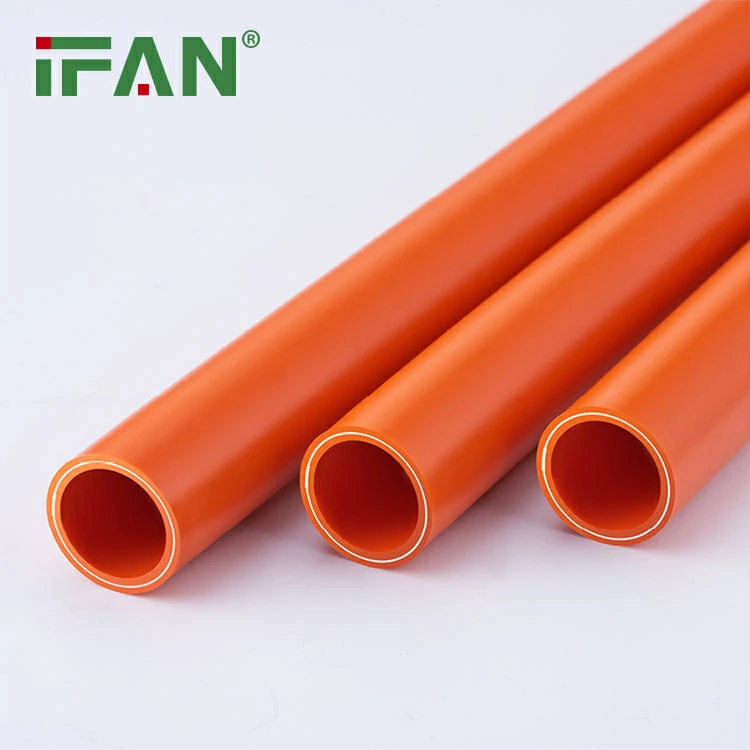
- High-Temperature Resistance: PPR pipes can withstand temperatures up to 95°C (203°F), making them suitable for hot-water applications. This high-temperature resistance is comparable to that of PEX pipes.
- Chemical Resistance: PPR pipes are resistant to a wide range of chemicals, making them an excellent choice for industrial applications where exposure to corrosive substances is a concern.
- Leak-Free Joints: PPR pipes can be joined using heat fusion, creating strong, leak-free joints. This feature enhances the overall integrity of the plumbing system.
- Eco-Friendly: PPR pipes are fully recyclable, aligning with sustainable building practices and reducing environmental impact.
- Longevity: PPR pipes have a lifespan of over 50 years, similar to that of PEX pipes, offering long-term reliability.
Performance Comparison
When comparing PEX and PPR pipes in hot-water systems, several factors come into play:
- Installation Flexibility: PEX pipes are more flexible than PPR pipes, allowing for easier installation in complex layouts. This flexibility can reduce installation time and labor costs.
- Thermal Insulation: PEX pipes provide excellent thermal insulation, which can lead to energy savings in hot-water systems. PPR pipes also offer some insulation properties but may not be as effective as PEX in maintaining water temperature.
- Cost Considerations: PEX pipes are generally more affordable than PPR pipes, making them a popular choice for residential applications. However, PPR pipes may be more cost-effective in industrial settings due to their chemical resistance and longevity.
- Noise Levels: PEX pipes tend to be quieter than PPR pipes, which can be an essential consideration in residential applications where noise reduction is a priority.
Installation Considerations for PEX and PPR Pipes
Best Practices for PEX Pipe Installation
- Use Proper Fittings: Ensure that appropriate fittings are used to maintain the integrity of the system and prevent leaks.
- Avoid Sharp Bends: While PEX pipes are flexible, avoid sharp bends that could compromise the pipe’s performance.
- Insulate Exposed Pipes: Insulating exposed PEX pipes can help maintain water temperature and reduce energy costs.
- Follow Local Codes: Always adhere to local plumbing codes and regulations when installing PEX pipes.
Best Practices for PPR Pipe Installation
- Heat Fusion Joining: Use heat fusion techniques to create strong, leak-free joints.
- Proper Sizing: Ensure that PPR pipes are appropriately sized for the application to prevent pressure drops and inefficiencies.
- Regular Inspections: Conduct regular inspections of the plumbing system to identify any potential issues early.
- Adhere to Standards: Follow local building codes and standards when installing PPR pipes.
Conclusion
The performance characteristics of PEX pipes in hot-water systems demonstrate their effectiveness and reliability as a plumbing solution. Their flexibility, temperature resistance, and durability make them an excellent choice for both residential and commercial applications. However, PPR pipes also offer unique advantages that can make them a competitive alternative in specific scenarios. Understanding the strengths and weaknesses of both materials is crucial for plumbing professionals and consumers alike, ensuring that they make informed decisions when selecting piping solutions for hot-water systems.
FAQs
- What are the main advantages of PEX pipes in hot-water systems?
- PEX pipes offer flexibility, corrosion resistance, excellent thermal insulation, and ease of installation, making them ideal for hot-water applications.
- How do PPR pipes compare to PEX pipes?
- PPR pipes provide high-temperature resistance, chemical resistance, and leak-free joints, making them suitable for specific applications, while PEX pipes excel in flexibility and thermal insulation.
- What is the typical lifespan of PEX and PPR pipes?
- Both PEX and PPR pipes have a lifespan of over 50 years when properly installed and maintained.
- Can PEX pipes withstand freezing temperatures?
- Yes, PEX pipes can expand slightly when water freezes, reducing the risk of bursting, making them suitable for cold climates.
- What are the best practices for installing PEX and PPR pipes?
- Best practices include using proper fittings, avoiding sharp bends, insulating exposed pipes, and adhering to local plumbing codes and standards.