PEX Al PEX vs PEX Piping

PEX (cross-linked polyethylene) is a type of plastic tubing used in plumbing and heating applications. There are two primary types of PEX piping: PEX-Al-PEX and PEX.

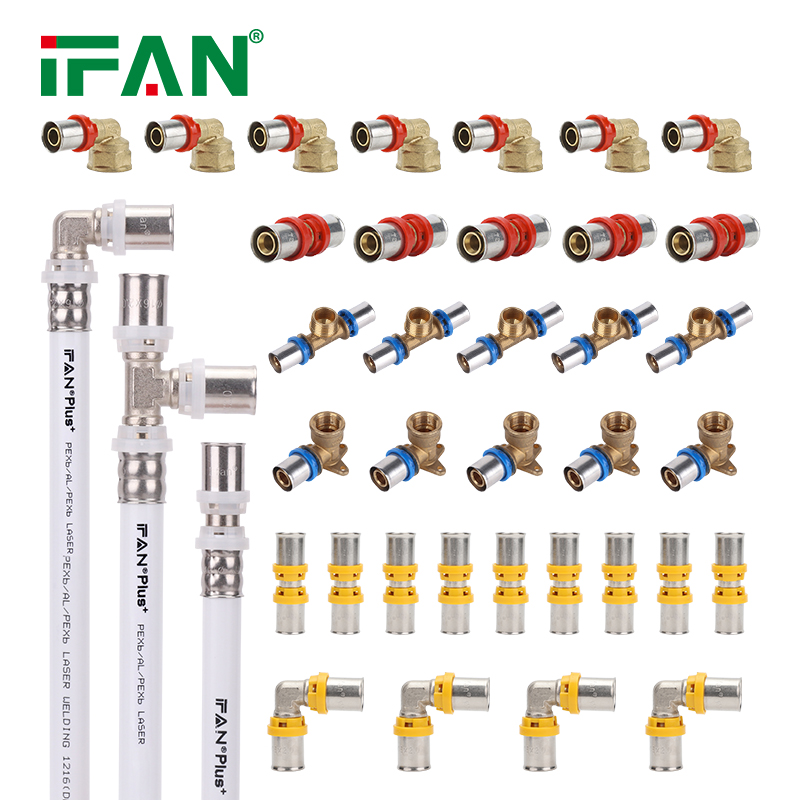
PEX-Al-PEX, also known as aluminum PEX, is a multilayer pipe made up of three layers. The outer and inner layers are made of PEX, while the middle layer is made of aluminum. This design makes PEX-Al-PEX pipes more rigid and durable than traditional PEX pipes. They are also more resistant to temperature changes and are suitable for both hot and cold water applications. PEX-Al-PEX is often used in radiant floor heating systems, where the aluminum layer provides additional strength and durability to the pipes.

PEX pipes, on the other hand, are made of a single layer of PEX material. They are more flexible and easier to install than PEX-Al-PEX pipes, making them a popular choice for plumbing applications. PEX pipes are available in a range of sizes and are suitable for both hot and cold water applications.

Overall, both PEX-Al-PEX and PEX pipes have their advantages and are suitable for different applications. PEX-Al-PEX is more rigid and durable, making it suitable for radiant floor heating systems, while PEX pipes are more flexible and easier to install, making them a popular choice for plumbing applications. The choice between PEX-Al-PEX and PEX will depend on the specific requirements of your plumbing or heating system.
Share:

Facebook
Twitter
Pinterest
LinkedIn

Leave a Comment

Your email address will not be published. Required fields are marked *

On Key

Related Posts

How Stainless Steel PPR Fittings Resist Thread Stripping

Honestly, after so many years in the plumbing game, I’ve seen it all. But IFAN SS304 PPR Fittings? They genuinely caught my attention. Let me break down why these are so damn good and why I keep pushing IFAN products. 1. SS304 Stainless Steel + PPR — A Match Made in Heaven Let’s talk material

Comparing Stainless Steel vs Brass PPR Fittings for Water Systems

One: Why This Comparison Matters More Than You Think Let’s cut to the chase. When you’re building or renovating a water system, the fittings you choose are literally the joints that hold everything together. Get them wrong, and you’re dealing with leaks, contamination, and a headache that lasts decades. Two of the most popular metallic

Why Stainless Steel Inserts Prevent PPR Fitting Leaks

The Real Reason Your PPR Fittings Leak (And It’s Not What You Think) Most people blame the pipe when a leak shows up. But here’s the truth — the pipe itself rarely fails. The problem is almost always the fitting. And more specifically, it’s the metal insert sitting inside that fitting. Traditional PPR fittings use

PPR Pipe Stiffness Class and Its Effect on Buried Installations

Is Your Underground Pipe Slowly Getting Crushed Right Under Your Feet? Look, most people spend weeks picking tile colors and countertop materials during renovation. Then they throw some pipes in the ground, cover them up, and forget about them. Three years later — bathroom leaking, kitchen damp, water bill through the roof. You tear up

Understanding PNR and MOP Ratings on PPR Pipes

Don’t Just Check the Price — These Two Numbers on the Pipe Matter Most Let’s be honest — most people walk into a plumbing supply store and the first thing they ask is “how much per meter?” The seller gives a number, you compare it with another shop, and you buy the cheapest one. But

Get Free Quote NOW