PEX Fittings for Radiant Heating Systems: Efficient Heat Distribution
Introduction
Radiant heating systems are highly efficient and comfortable methods of heating a space. PEX (cross-linked polyethylene) fittings play a crucial role in these systems by facilitating the distribution of heated water through PEX tubing. In this article, we will explore the benefits of using PEX fittings for radiant heating systems, including their compatibility with PEX tubing, versatility in system design, durability, ease of installation, and efficient heat transfer. Let’s delve into this topic by breaking it down into easy-to-understand sections.
1. Compatibility with PEX Tubing
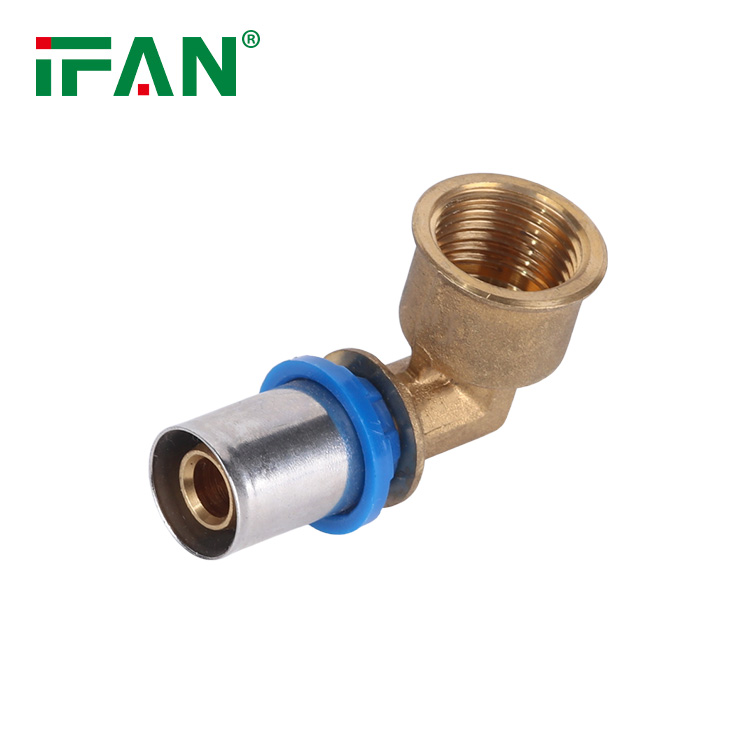
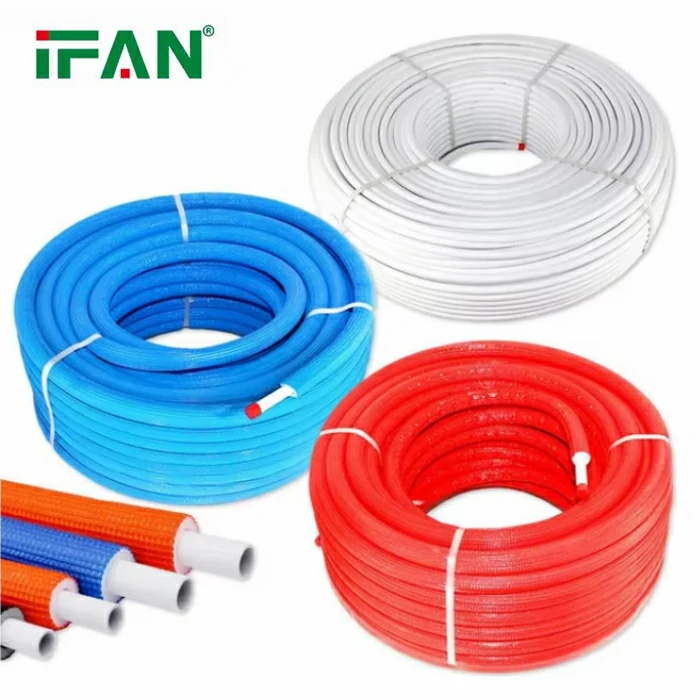
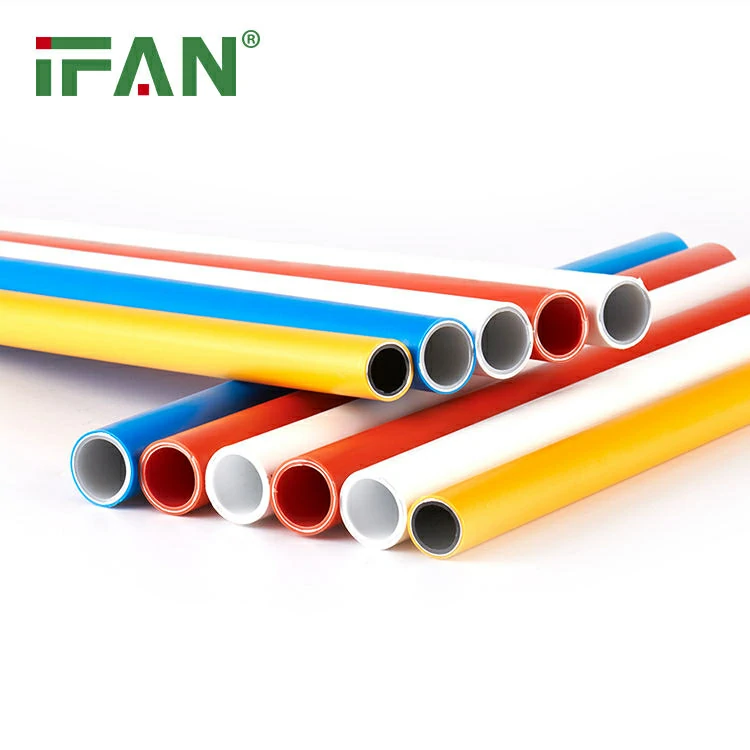
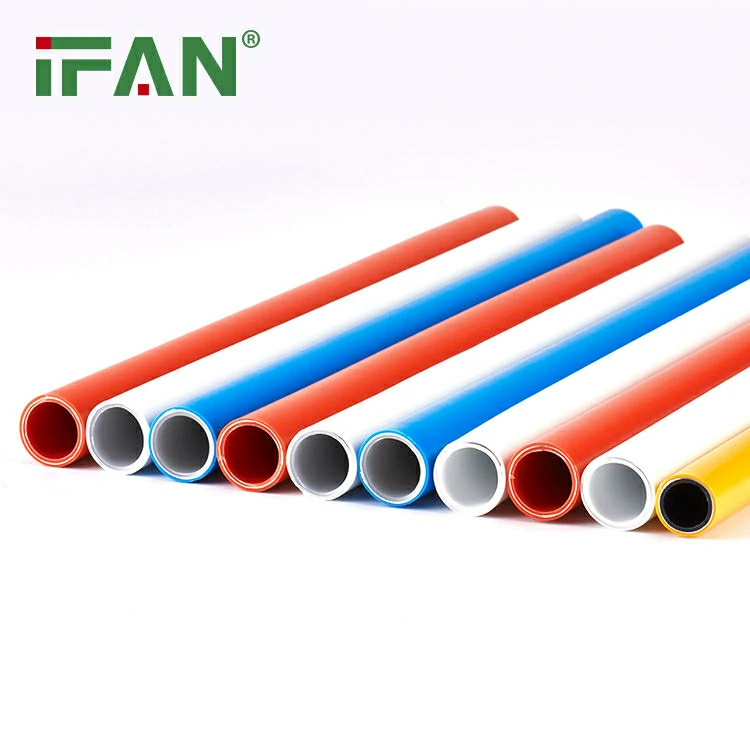
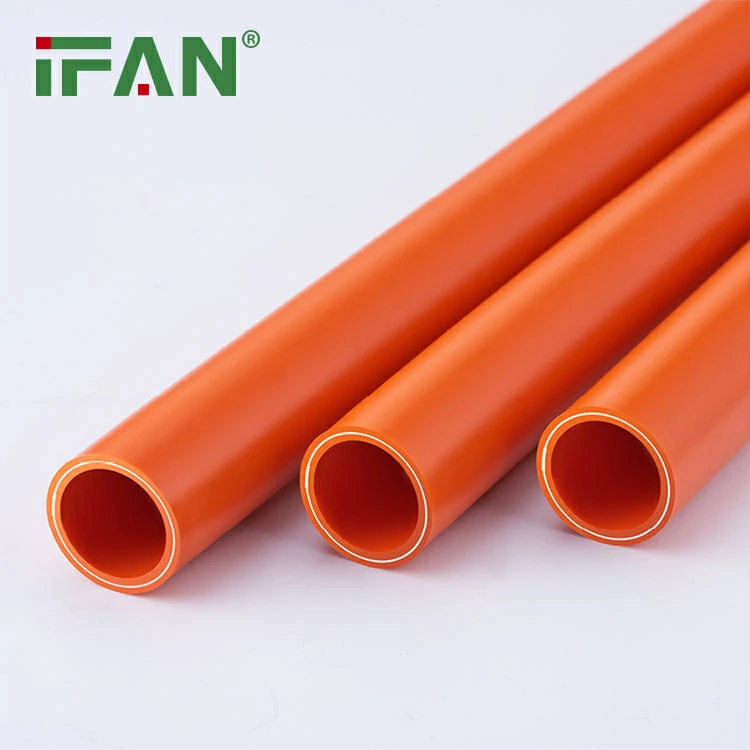
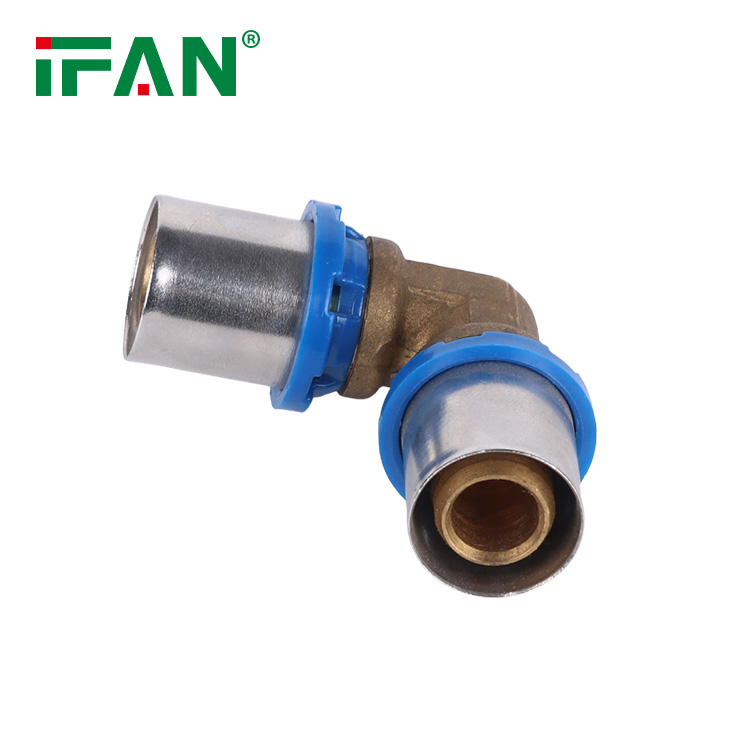
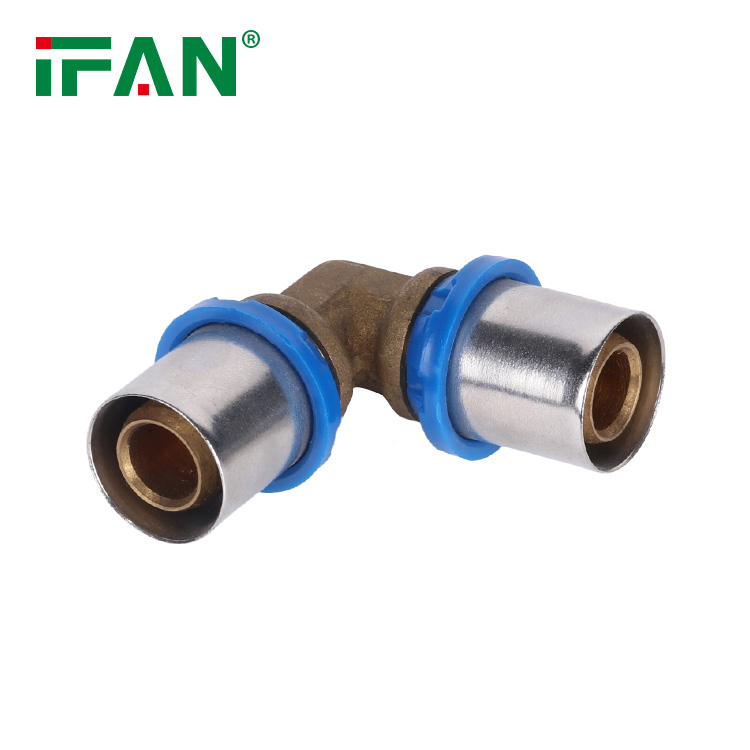
PEX fittings are specifically designed to work seamlessly with PEX tubing, ensuring a secure and leak-free connection in radiant heating systems. PEX tubing is known for its flexibility and ability to withstand high temperatures, making it an ideal choice for radiant heating applications. PEX fittings, ranging from couplings and tees to elbows and manifold adapters, allow for easy connections between PEX tubing runs, ensuring efficient heat distribution throughout the system.
2. Versatility in System Design
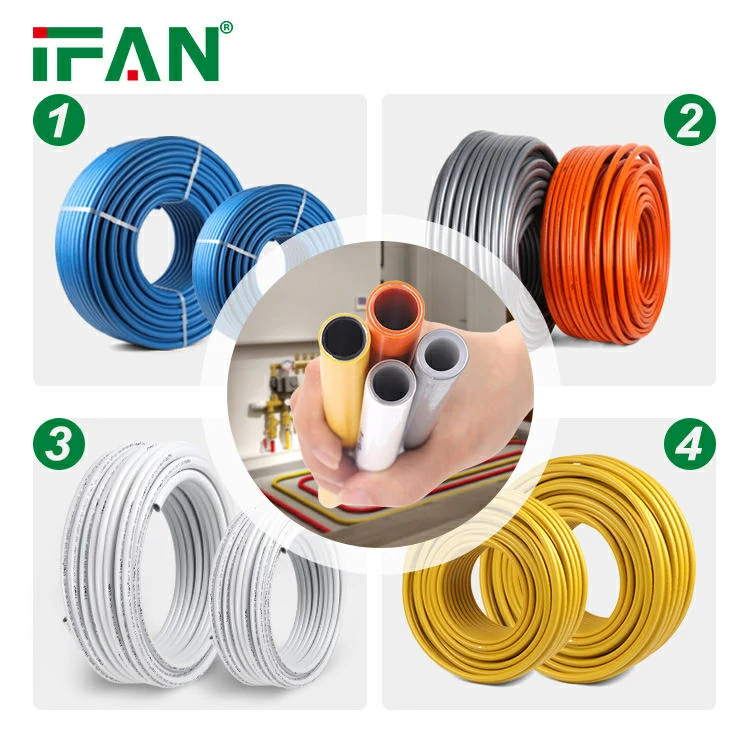
One of the advantages of PEX fittings is their versatility in system design for radiant heating. Whether you are installing a hydronic floor heating system, wall panels, or ceiling panels, PEX fittings provide the flexibility to create customized layouts. The ability to easily maneuver and connect PEX tubing with various fittings allows for precise and efficient heat distribution in different areas of a building. The versatility of PEX fittings ensures that radiant heating systems can be tailored to meet the specific heating requirements of each space.
3. Durability and Longevity
PEX fittings are known for their durability and long-lasting performance. Made from corrosion-resistant materials such as brass or plastic, PEX fittings are designed to withstand the demands of radiant heating systems. They can endure high water temperatures and pressure variations without compromising the integrity of the connection. The durable construction of PEX fittings ensures reliable performance, minimizing the need for frequent repairs or replacements, and contributing to the overall longevity of the radiant heating system.
4. Ease of Installation
Installing a radiant heating system with PEX fittings is a straightforward process, thanks to their ease of installation. PEX fittings are available in various connection types, including crimp, compression, and push-fit, providing flexibility to installers. The installation process involves simply connecting PEX tubing to the fittings, creating secure and reliable joints. The simplicity and efficiency of the installation process save time and labor costs, making PEX fittings a preferred choice for radiant heating system installations.
5. Efficient Heat Transfer
PEX fittings contribute to efficient heat transfer in radiant heating systems. The smooth interior surface of PEX fittings minimizes resistance to water flow, allowing for optimal heat exchange between the heated water and the surrounding environment. This efficient heat transfer ensures that the radiant heating system operates at its full potential, providing consistent and comfortable heating throughout the space. With PEX fittings, the radiant heating system can achieve high energy efficiency while maintaining a comfortable indoor environment.
Conclusion
PEX fittings are essential components of radiant heating systems, enabling efficient heat distribution throughout a building. Their compatibility with PEX tubing, versatility in system design, durability, ease of installation, and efficient heat transfer make them an ideal choice for these systems. By utilizing PEX fittings, radiant heating systems can be customized to meet specific heating requirements, ensuring comfort and energy efficiency. The durability and longevity of PEX fittings contribute to th