PEX Fittings – Pipe Fittings: An Essential Component of PEX Plumbing Systems
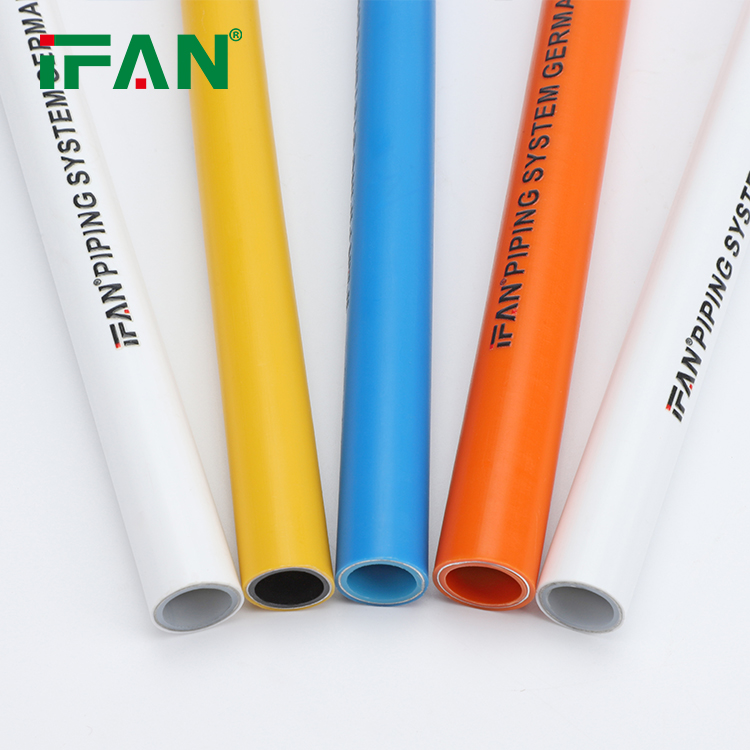
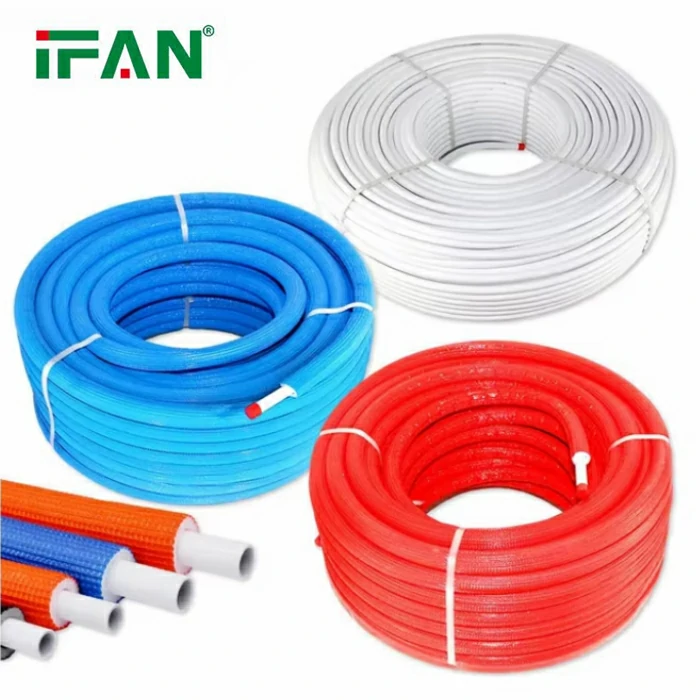
PEX fittings, also known as pipe fittings, play a crucial role in establishing secure and leak-free connections in PEX (cross-linked polyethylene) plumbing systems. This comprehensive overview examines the types of PEX fittings available, their functions, installation methods, and advantages.
Types of PEX Fittings
There are various types of PEX fittings designed to accommodate different plumbing requirements:
- PEX Crimp Fittings: PEX crimp fittings employ a crimp ring or cinch clamp to secure the connection between the fitting and the PEX pipe. They are widely used due to their affordability, ease of installation, and compatibility with PEX-A, PEX-B, and PEX-C tubing.
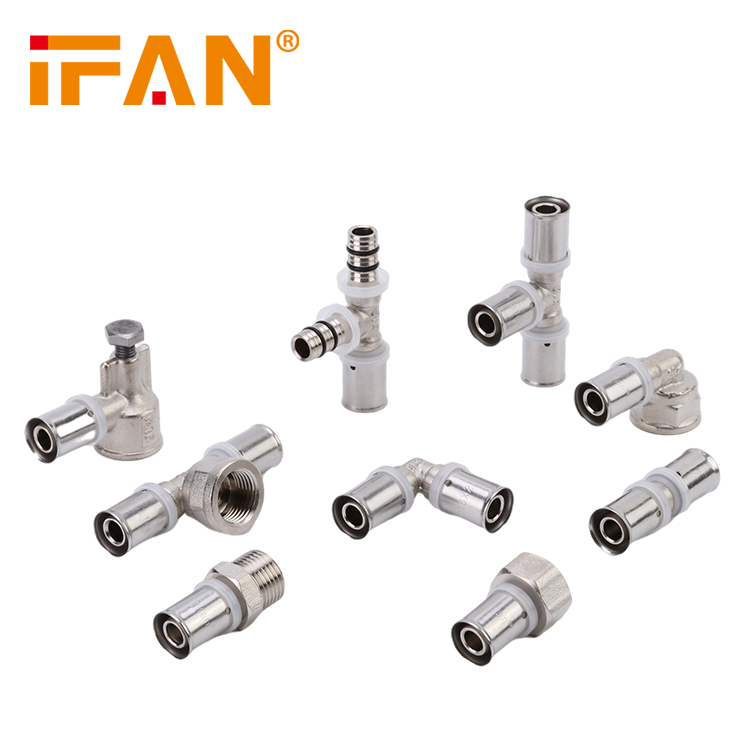
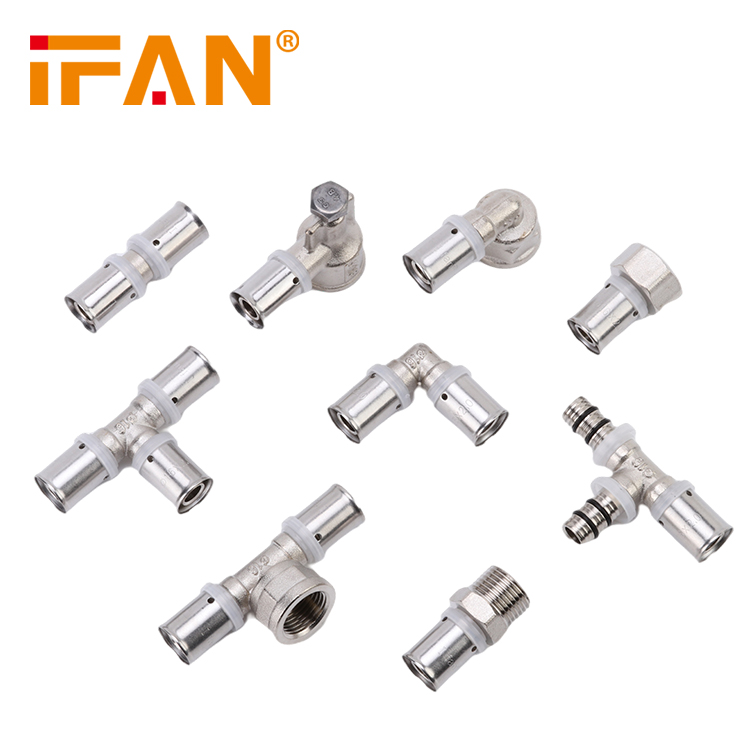
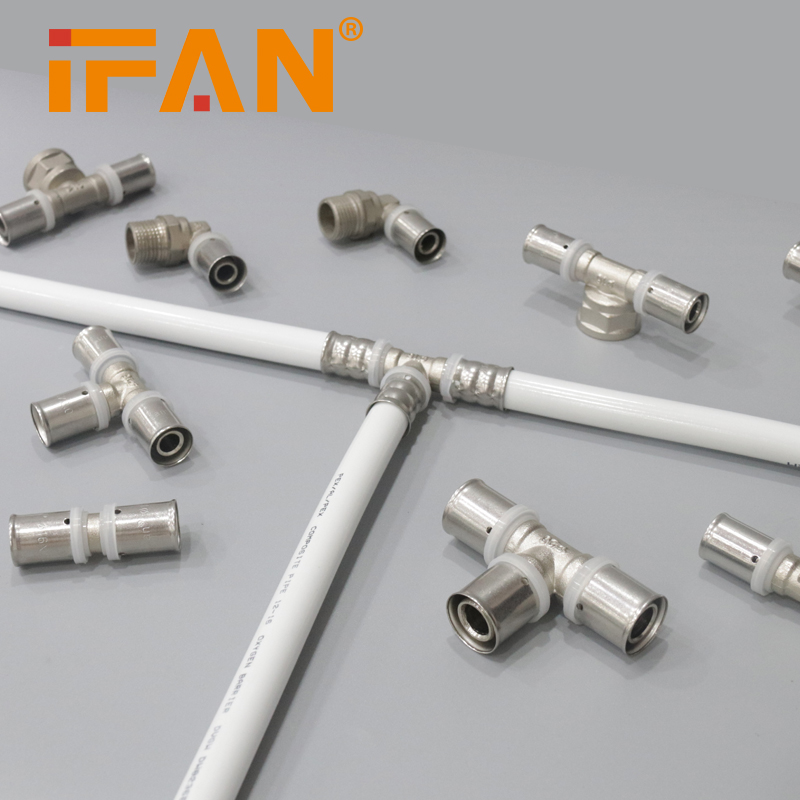
- PEX Press Fittings: PEX press fittings utilize a press tool to compress the fitting onto the PEX pipe, creating a watertight connection. These fittings offer a reliable and efficient installation process and are compatible with PEX-A, PEX-B, and PEX-C tubing.
- PEX Expansion Fittings: PEX expansion fittings utilize a specialized expansion tool to enlarge the PEX pipe and insert the fitting, creating a secure connection as the pipe shrinks back. They are specifically designed for PEX-A tubing and offer excellent long-term performance.
- PEX Push Fittings: PEX push fittings feature a push-to-connect mechanism that allows for easy and tool-free installation. They are convenient for quick repairs or modifications in the plumbing system, but are not suitable for high-pressure applications.
Functions of PEX Fittings
PEX fittings serve several essential functions in plumbing systems:
- Connection: PEX fittings enable the secure connection between PEX pipes, ensuring a continuous and leak-free flow of water.
- Direction Change: PEX fittings allow pipes to change direction, facilitating the proper routing of water lines in complex plumbing systems.
- Branching: PEX fittings are used to create branch connections, enabling the expansion of the plumbing network without compromising the integrity of the system.
- Valve Integration: PEX fittings can incorporate valves, such as ball valves or shut-off valves, allowing for convenient control of water flow in specific sections of the plumbing system.
Installation Methods for PEX Fittings
The installation of PEX fittings typically involves the following steps:
- Prepare the PEX Pipe: Cut the PEX pipe to the desired length using a specially designed PEX pipe cutter. Ensure the pipe ends are clean, smooth, and free from any debris.
- Choose the Appropriate Fitting: Select the PEX fitting based on the specific application, fitting type, and size required for the plumbing system.
- Insert the Fitting: Insert the PEX pipe into the fitting, ensuring it goes in fully and securely.
- Apply the Connection Method: Depending on the chosen fitting type, employ crimping, pressing, expansion, or push mechanisms to establish a reliable connection between the fitting and the PEX pipe.
- Inspect the Connection: Visually inspect the connection to ensure proper alignment and secure attachment. Perform a pressure test, if necessary, to verify the integrity of the connection and identify any potential leaks.
Advantages of PEX Fittings
PEX fittings offer several advantages over traditional plumbing fittings:
- Flexibility: PEX fittings are highly flexible, allowing for easier installation in tight spaces and around obstacles.
- Corrosion Resistance: PEX fittings are resistant to corrosion, ensuring long-term durability and minimizing the risk of pipe deterioration.
- Reduced Leak Potential: The secure connections made with PEX fittings reduce the chances of leaks, minimizing water damage and the need for costly repairs.
- Compatibility: PEX fittings are compatible with various types of PEX tubing, enabling plumbing systems to be customized to meet specific requirements.
Conclusion
PEX fittings are indispensable components in PEX plumbing systems, providing reliable connections, facilitating directional changes, branching, and valve integration. With different fitting types available, such as crimp, press, expansion, and push fittings, they offer versatility and adaptability to suit various plumbing applications. The installation of PEX fittings is straightforward, and their advantages, including flexibility, corrosion resistance, reduced leak potential, and compatibility, make them a preferred choice for modern plumbing systems.