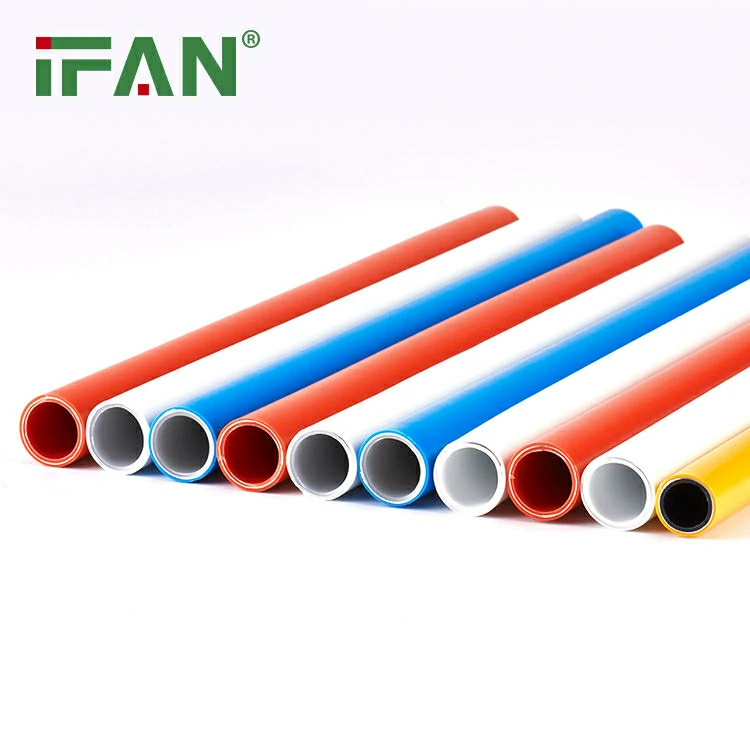
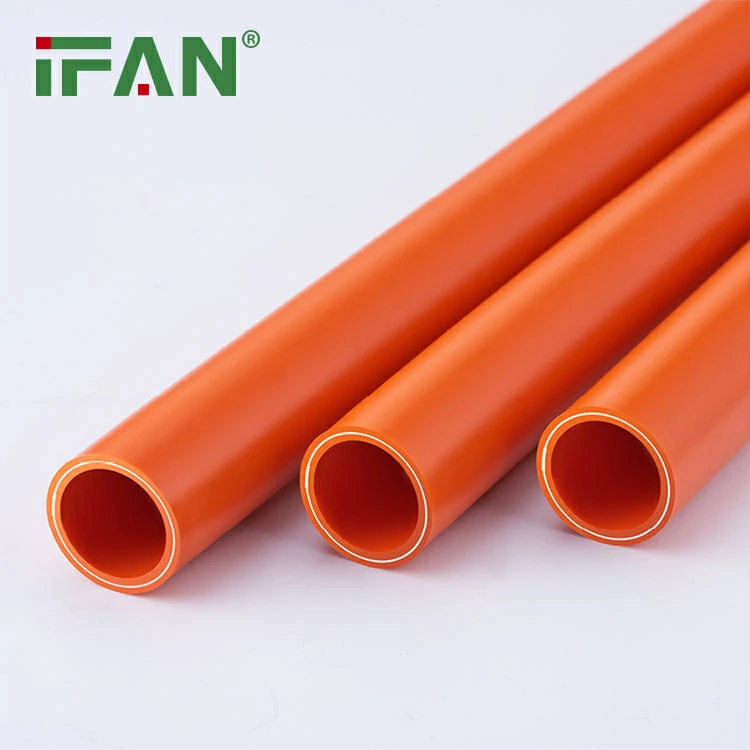
Title: Pex Insulation Pipe: The Smart Choice for Smart Homes
Introduction
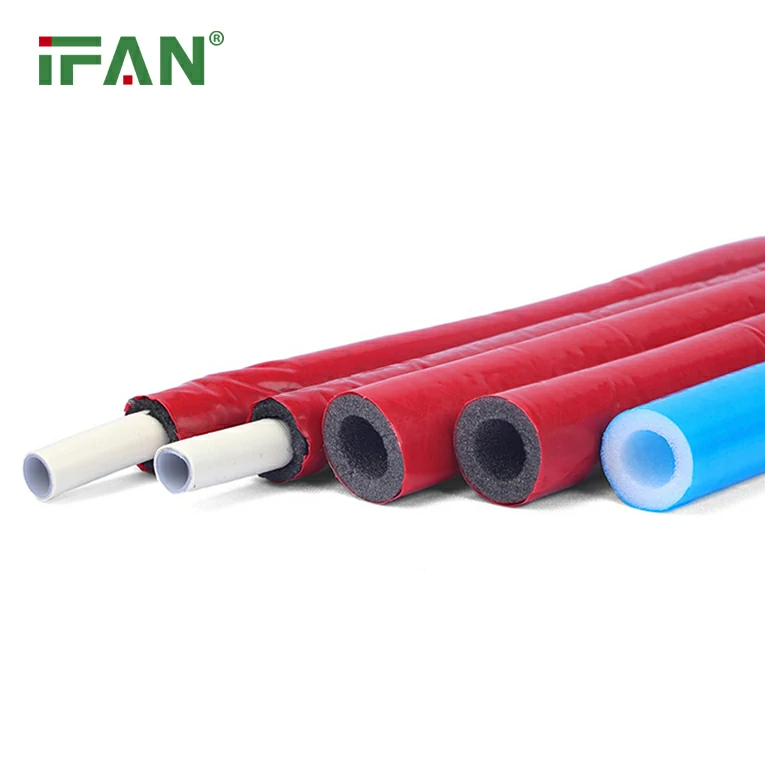
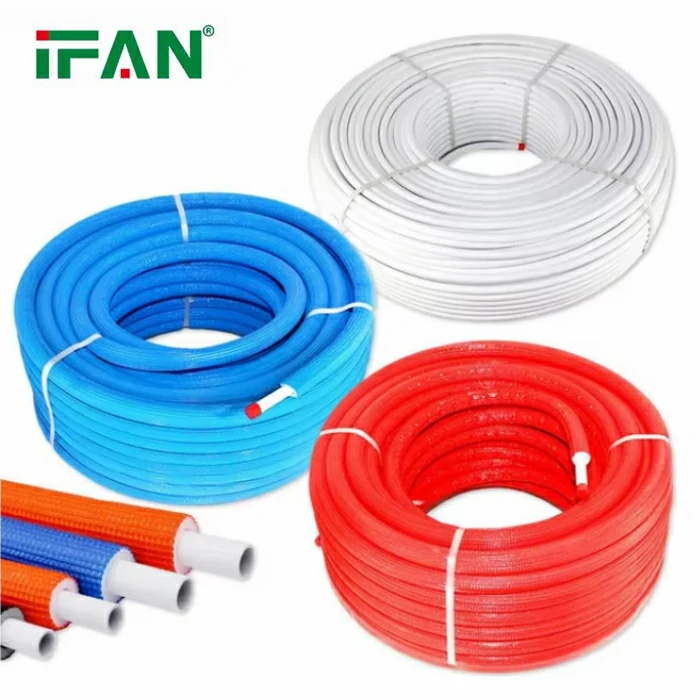
In the fast-paced world of modern technology, smart homes are becoming increasingly popular. With the rise of smart devices and energy-efficient solutions, it’s important to choose the right materials for your home. Pex insulation pipes are a smart choice for smart homes, offering a range of advantages over traditional piping systems.
Efficiency and Savings
One of the key advantages of Pex insulation pipes is their high level of efficiency. These pipes are designed to minimize heat loss, reducing energy consumption and lowering utility bills. By investing in Pex insulation pipes, homeowners can enjoy long-term savings on heating and cooling costs.
Durability and Longevity
Pex insulation pipes are highly durable and resistant to corrosion, making them a reliable option for smart homes. These pipes have a long lifespan, reducing the need for frequent maintenance and replacement. With proper installation and care, Pex insulation pipes can last for years without any issues.
Flexibility and Versatility
Pex insulation pipes are incredibly flexible, making them easy to install in a variety of spaces. These pipes can be bent and shaped to fit around obstacles, reducing the need for additional fittings and connections. Their versatility makes them a great choice for smart homes with complex layouts.
Energy Efficiency
Pex insulation pipes have excellent thermal conductivity, ensuring that hot water stays hot and cold water stays cold. This helps to improve the overall energy efficiency of a home, reducing the demand on heating and cooling systems. By choosing Pex insulation pipes, homeowners can create a more sustainable and eco-friendly living environment.
Resistance to Freezing
One of the common issues with traditional pipes is their susceptibility to freezing and bursting in cold weather. Pex insulation pipes are designed to withstand freezing temperatures, preventing costly water damage and disruptions to the home. This feature is especially valuable for smart homes located in cold climates.
Low Maintenance
Unlike other types of piping systems, Pex insulation pipes require minimal maintenance to stay in good condition. These pipes are resistant to scaling and corrosion, reducing the risk of leaks and blockages. With routine inspections and occasional cleaning, homeowners can keep their Pex insulation pipes in optimal working condition.
Cost-Effective Installation
Pex insulation pipes are relatively easy to install, especially compared to rigid metal pipes. This can help to lower the overall cost of a plumbing project and reduce the installation time. Homeowners can save money on labor costs and enjoy a quicker turnaround time when opting for Pex insulation pipes.
Improved Indoor Air Quality
Pex insulation pipes are made from non-toxic materials that do not leach harmful chemicals into the water supply. This helps to maintain a high level of indoor air quality and ensure that the water flowing through the pipes is safe for consumption. For families living in smart homes, this is a crucial benefit to consider.
Conclusion
In conclusion, Pex insulation pipes are a smart choice for smart homes due to their efficiency, durability, flexibility, and energy-saving capabilities. By investing in Pex insulation pipes, homeowners can enjoy long-term savings, improved indoor air quality, and peace of mind knowing that their plumbing system is reliable and sustainable. Upgrade your home with Pex insulation pipes and experience the benefits of modern technology in every aspect of your daily life.