When embarking on a plumbing project, one of the most fundamental decisions you’ll face is choosing your piping material and connection method. For decades, copper piping with soldered joints was the undisputed gold standard. Today, PEX tubing with pipe press fittings presents a powerful modern alternative. This comprehensive guide breaks down the key differences between these two systems to help you decide which is right for your next installation.
The Contenders: Traditional Copper vs. Modern PEX Press
Copper Piping: A tried-and-true material installed using a torch, solder, and flux. It’s a rigid metal system known for its longevity.
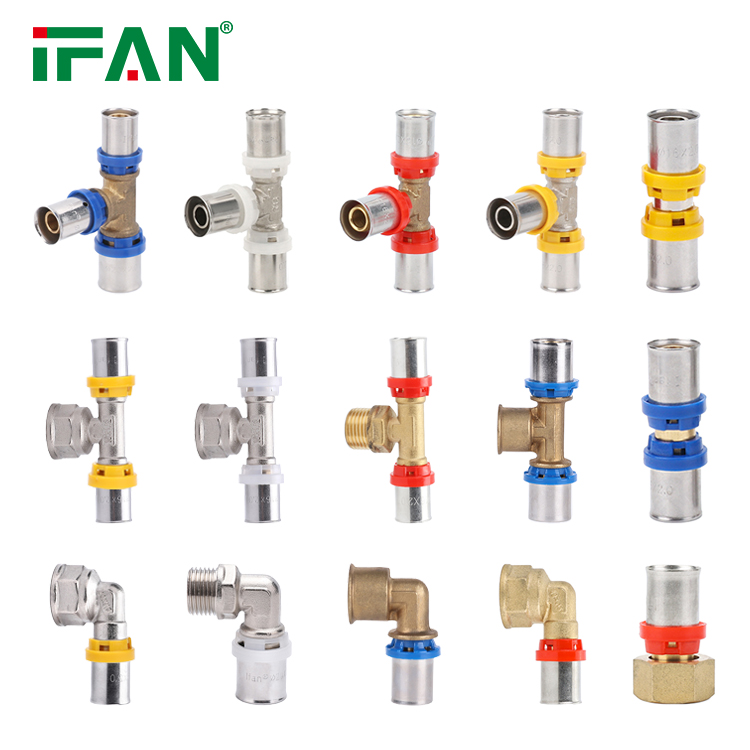
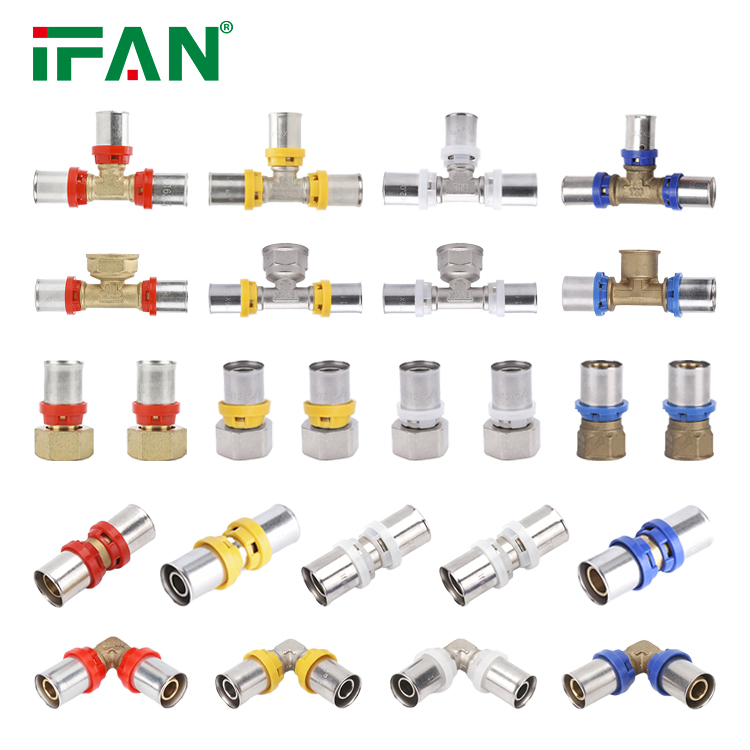
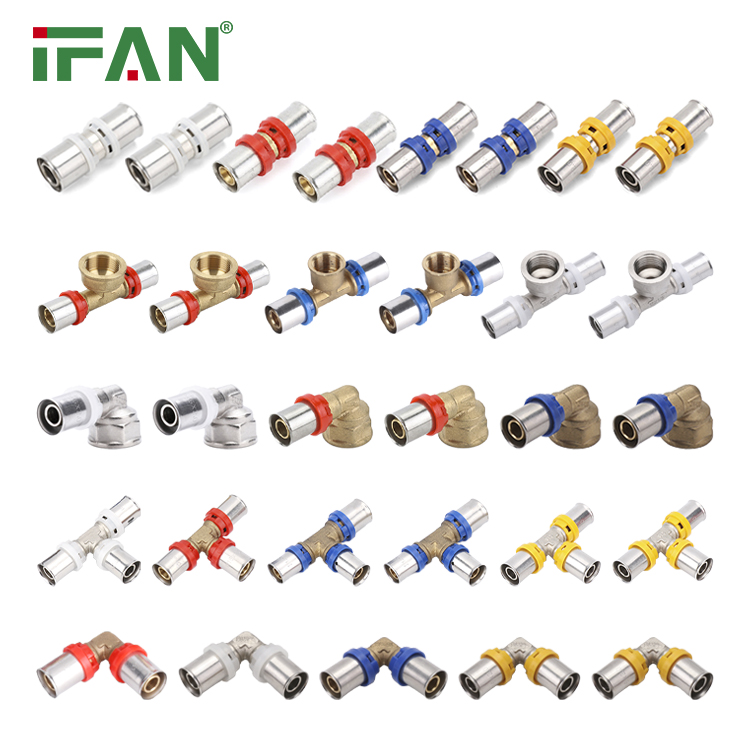
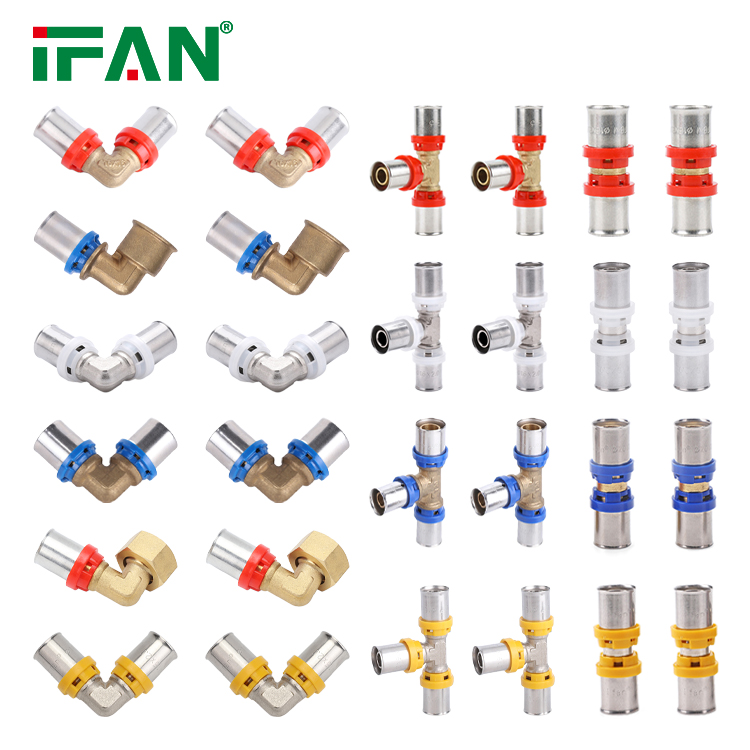
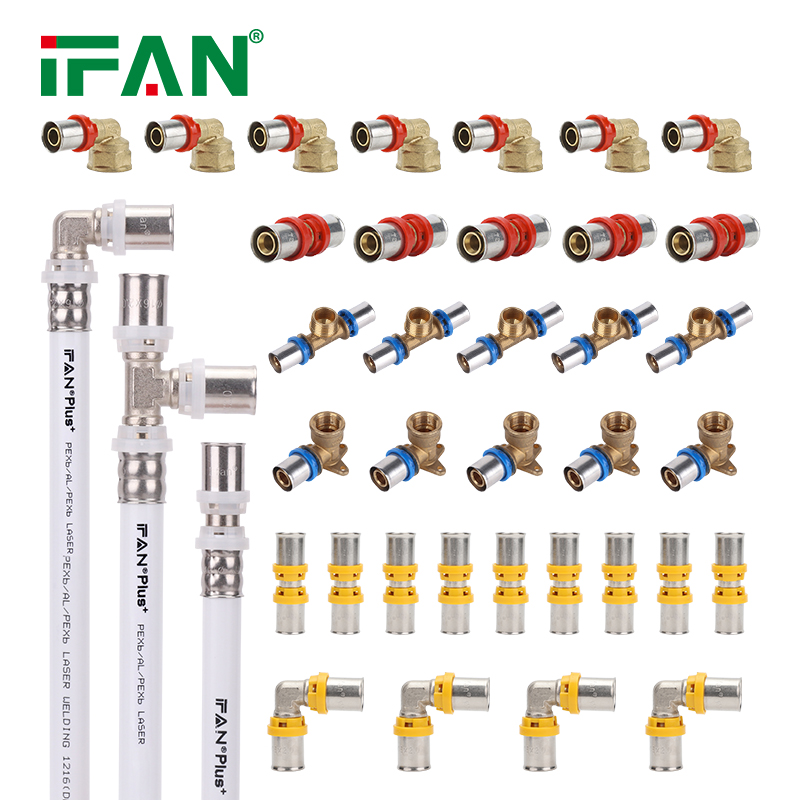
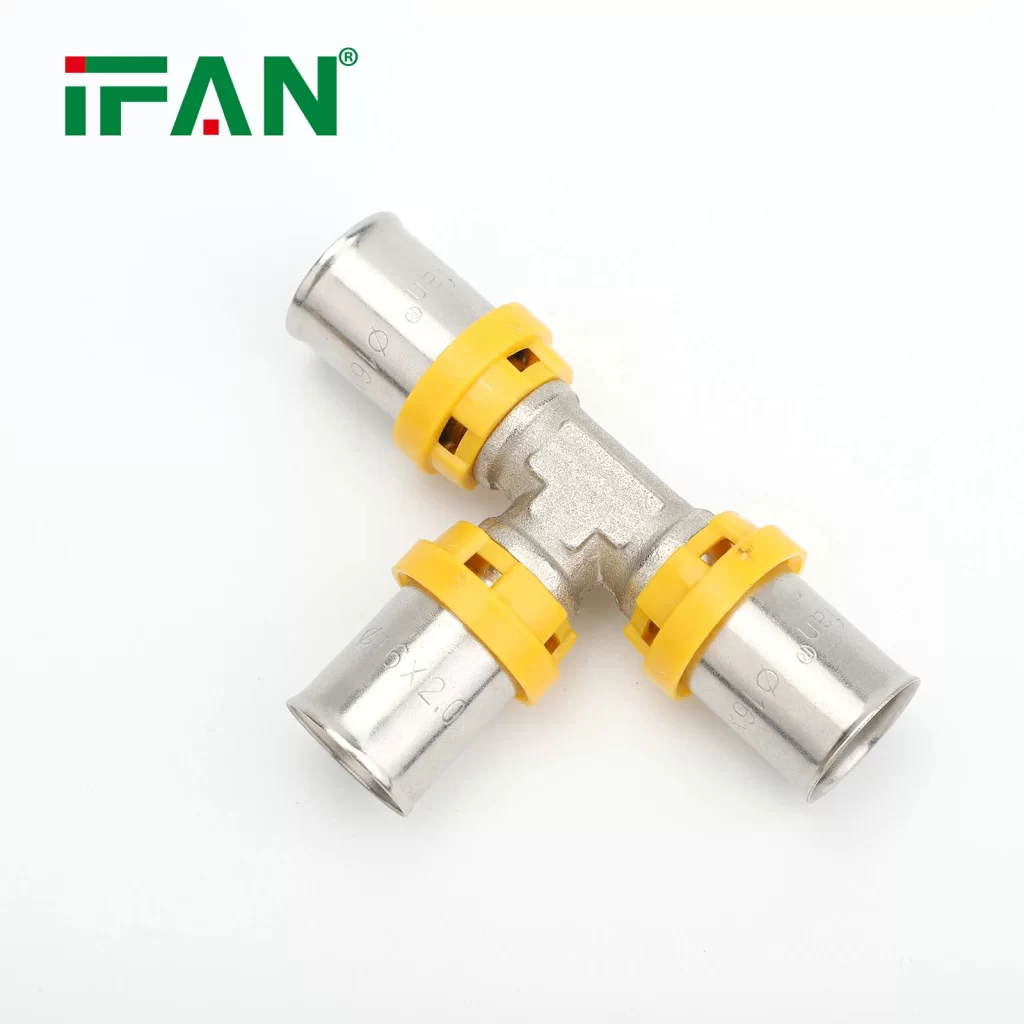
PEX with Press Fittings: A flexible polymer tubing installed using a specialized press tool and proprietary fittings that crimp onto the pipe in seconds.
Let’s compare them across several critical categories.
1. Installation: Skill, Speed, and Safety
This is where the difference is most dramatic.
- Copper: Installation is a craft. It requires skill to properly clean, flux, heat, and solder each joint. The process is time-consuming, creates fire hazards, and is impossible to do in wet conditions or tight spaces without great risk.
- PEX Press: Installation is a rapid, mechanical process. After a clean cut, the fitting is pressed onto the tube with a battery-powered tool, creating a perfect seal in 3-5 seconds. It requires less specialized skill, is exponentially faster, and is a cold-process with no open flame, making it safer and suitable for any environment.
Winner: PEX Press. The speed, safety, and ease of installation are overwhelmingly superior.
2. Cost: Material and Labor
The cost analysis has two parts: material cost and labor cost.
- Material Cost: The copper pipe itself is generally more expensive than PEX tubing. However, the pipe press fittings are more expensive than individual solder fittings. In terms of raw materials, copper often has a higher upfront cost.
- Labor Cost: This is the deciding factor. The incredible speed of the PEX press system drastically reduces labor time. For a professional, a job that takes a day with copper might take a few hours with PEX press. This labor savings almost always makes the total installed cost of a PEX press system lower.
Winner: PEX Press. While material costs can be comparable, the massive reduction in labor time makes it the more cost-effective solution overall.
3. Performance and Durability
- Freeze Resistance: PEX is the clear winner. It can expand and contract, significantly reducing the chance of bursting if water inside freezes. Copper is rigid and will often split under the same pressure.
- Corrosion and Scale: Copper is susceptible to corrosion from acidic water and can develop scale buildup inside the pipe over decades, restricting flow. PEX is completely immune to corrosion and scale.
- Water Flow: Copper pipes typically have a smoother interior wall, which can offer slightly better flow characteristics than smaller-sized PEX. However, the inner diameter of pipe press fittings is often designed to minimize flow restriction.
- Longevity: Well-soldered copper systems have a proven track record of lasting 50+ years. PEX is a newer material, but all indications and accelerated aging tests suggest a lifespan of 50+ years as well.
Winner: Tie, with edges to PEX. PEX wins on freeze resistance and corrosion, while copper has a longer historical track record.
4. Other Considerations
- Flexibility: PEX tubing can bend around corners, often eliminating the need for extra fittings and reducing leak points. Copper is rigid and requires an elbow fitting for every turn.
- Water Taste: Some people report a plastic taste with PEX, though this usually dissipates over time. Copper can impart a metallic taste.
- UV Resistance: Neither material should be exposed to direct sunlight for prolonged periods. PEX is particularly susceptible to UV degradation.
Conclusion: Which Should You Install?
The choice between traditional copper and modern PEX with pipe press fittings ultimately depends on your priorities.
- Choose Copper Piping if: You are a purist who values a proven, long-term history and are working on a project where material cost is less of a concern than using a traditional method. It may also be specified for certain commercial applications or in local codes.
- Choose PEX with Press Fittings if: You value speed, safety, and overall cost-efficiency. It is the undeniable choice for professional plumbers looking to increase job profitability, DIYers seeking a more achievable project, and anyone working in retrofit situations where fire risk is a major concern.
For the vast majority of residential and commercial plumbing applications today, PEX with press fittings represents the future: a faster, safer, and equally reliable system that is steadily becoming the new industry standard.
Frequently Asked Questions (FAQ)
1. Are PEX press fittings as reliable as soldered copper joints?
Yes. Major manufacturers subject their press systems to rigorous testing, and they consistently meet or exceed the performance standards of soldered joints. The combination of a mechanical crimp and an EPDM O-ring creates a robust, leak-proof seal that is highly resistant to vibration and pressure spikes.
2. Can I connect PEX press to my existing copper pipes?
Absolutely. This is one of the greatest strengths of the system for renovations. You can use a press fitting adapter to connect new PEX lines directly to existing copper pipes, provided the copper is properly cut and deburred.
3. Is there a risk of the O-rings in the fittings failing?
The EPDM O-rings used are specifically designed for potable water systems and have a service life that exceeds 50 years. They are tested to withstand chlorinated water and extreme temperature cycles, making them perfectly suitable for a home’s lifespan.
4. Which system is better for DIY homeowners?
While a manual crimp or clamp system might be more DIY-friendly due to lower tool cost, PEX press is the easiest to achieve a guaranteed, professional result. The tool rental cost is worth it for the assurance of a perfect connection on every joint. Soldering copper has a much steeper learning curve and higher risk.
5. Do local codes allow PEX press systems?
PEX and press technology are approved by all major model plumbing codes (IPC and UPC). However, always check with your local building department to confirm acceptance, as some local amendments can vary. In most regions, it is fully approved for potable water, heating, and other applications.