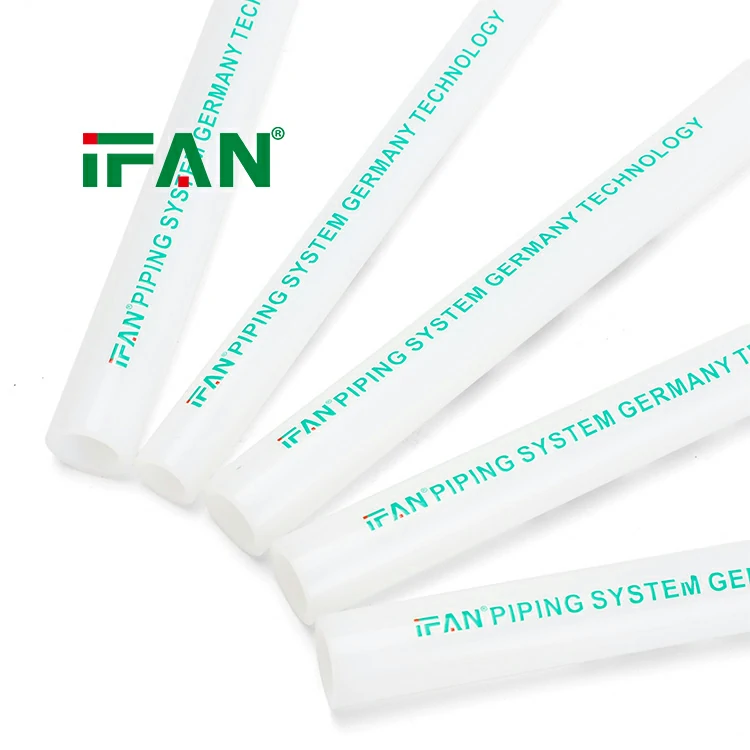
Introduction to PPR Ball Valve
PPR (Polypropylene Random Copolymer) Ball Valve is a key component in modern fluid handling systems, renowned for its durability, ease of operation, and versatile applications. This article aims to provide a comprehensive overview of PPR Ball Valves, focusing on its unique features, applications, and advantages.
What is a PPR Ball Valve?
PPR Ball Valve is a quarter-turn rotary motion valve that controls the flow of fluids through its spherical disc or “ball.” The ball has a hole or port that aligns with the flow channel to allow fluid passage when the valve is open. When rotated 90 degrees, the port is perpendicular to the flow, effectively shutting off the fluid.
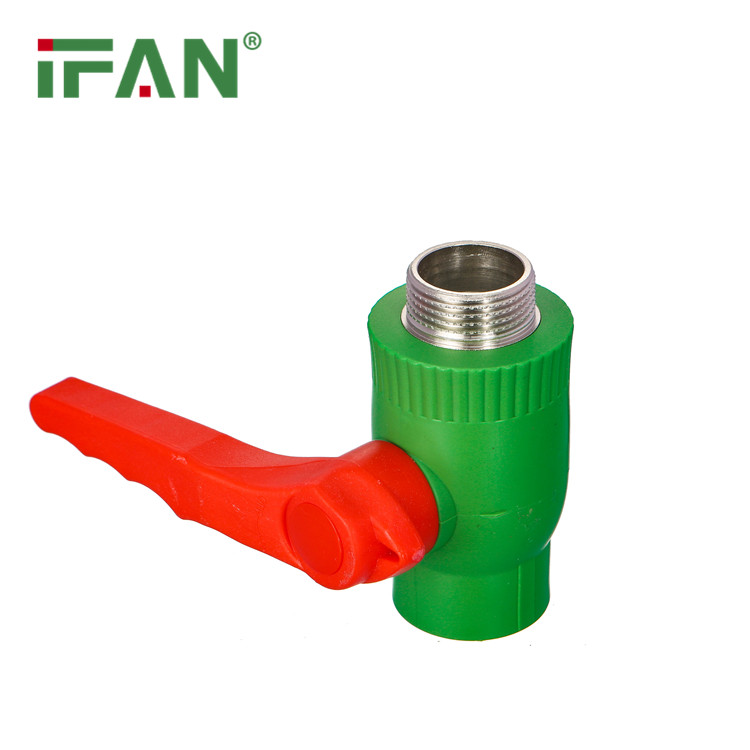
Unique Features of PPR Ball Valve
- Material Properties: PPR, a thermoplastic polymer, offers excellent chemical resistance, high temperature tolerance, and low moisture absorption. This ensures the durability and longevity of PPR Ball Valves in various environments.
- Live-Loaded Seating: The valve’s seat is designed with a spring-loaded mechanism that ensures tight sealing, minimizing leakage.
- Quarter-Turn Operation: Quick and easy to operate, PPR Ball Valves require minimal rotation (90 degrees) to switch between open and closed positions.
Applications of PPR Ball Valve
PPR Ball Valves find extensive applications in various industries, including but not limited to:
- Water Supply and Distribution: Used in both residential and commercial water systems to control the flow of potable water.
- Chemical Processing: Resistant to various chemicals, PPR Ball Valves are suitable for handling corrosive fluids in chemical plants.
- Food and Beverage Industry: Hygienic and corrosion-resistant, PPR Ball Valves are ideal for fluid handling in the food and beverage industry.
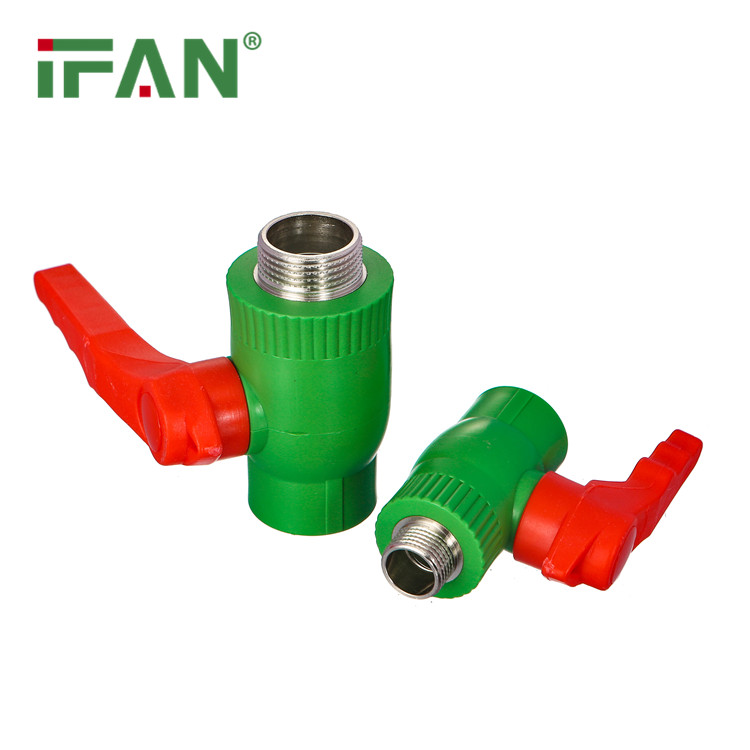
Advantages of PPR Ball Valve
- Durability: The material properties of PPR ensure long-lasting performance and durability.
- Ease of Operation: Quick quarter-turn operation allows for efficient fluid control.
- Versatile Applications: Suitable for a wide range of fluids and environments.
- Cost-Effectiveness: Compared to other valve types, PPR Ball Valves offer excellent value for money.
Conclusion
PPR Ball Valve is a reliable and versatile choice for fluid handling systems. Its unique features, including material properties, live-loaded seating, and quarter-turn operation, make it an efficient and cost-effective solution for various applications. Understanding the basics of PPR Ball Valve can help professionals make informed decisions when selecting the right valve for their needs.