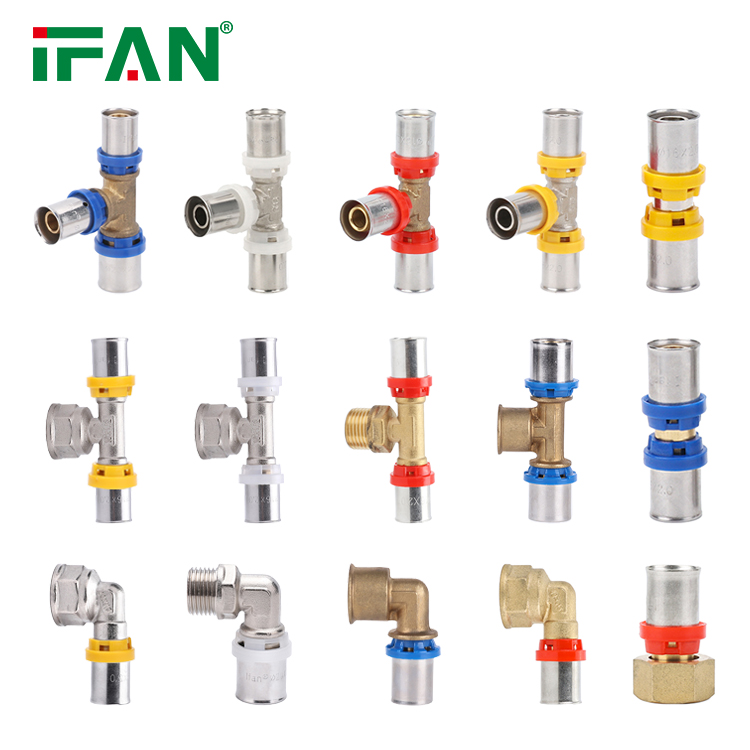
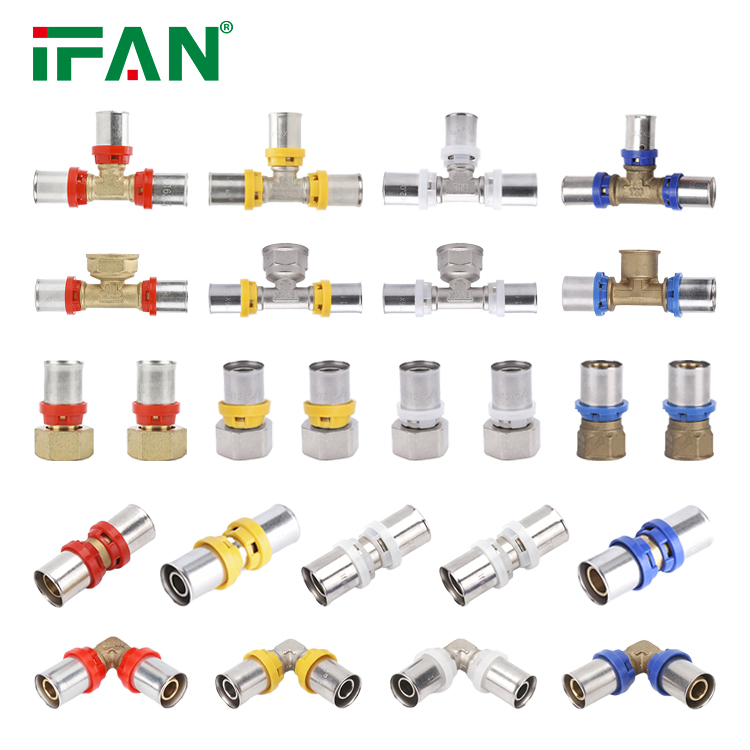
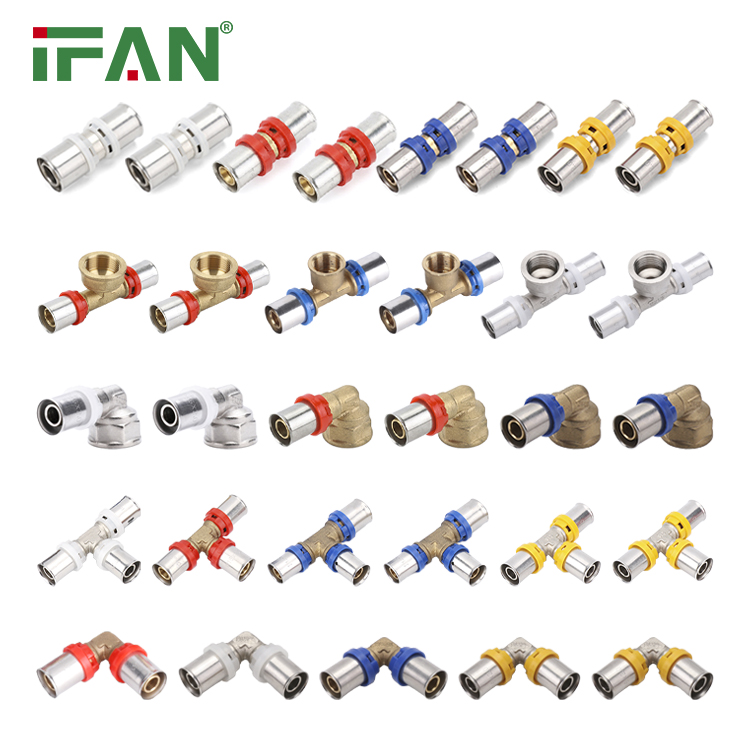
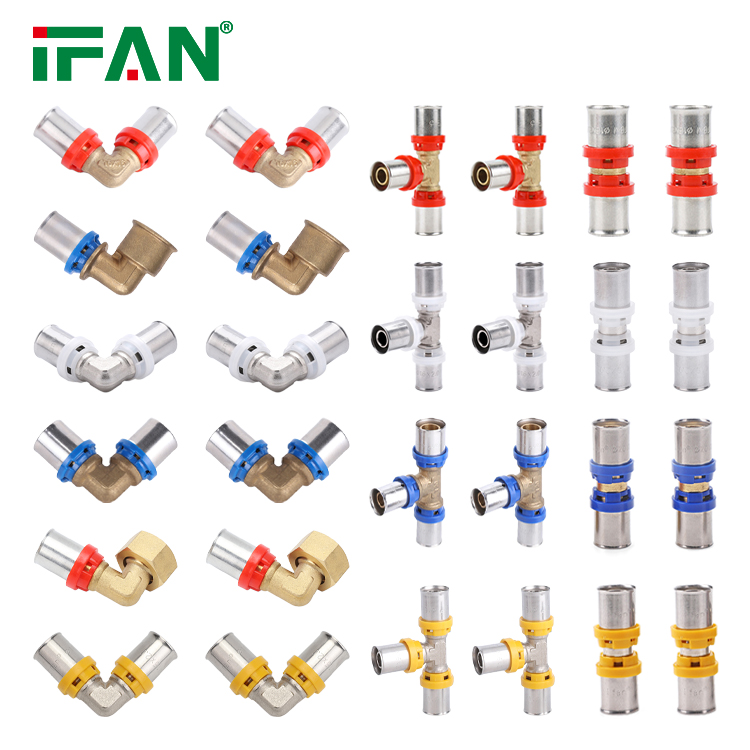
Introduction
In modern plumbing systems, the demand for durable, leak-proof, and versatile components has given rise to a new generation of pipe fittings and control valves. One of the standout solutions in this domain is the PPR female ball valve with brass pipe fitting, specifically designed for both cold and hot water feeding systems. As buildings across residential, commercial, and industrial sectors seek higher efficiency and reliability, these fittings, when paired with PEX pipe systems, deliver unparalleled performance.
This article explores the features, benefits, compatibility, and applications of the PPR female ball valve with brass fittings, emphasizing the synergy with PEX pipe installations. Whether you’re a professional plumber or a DIY enthusiast, understanding this product can significantly enhance your water system’s safety and lifespan.
What is a PPR Female Ball Valve?
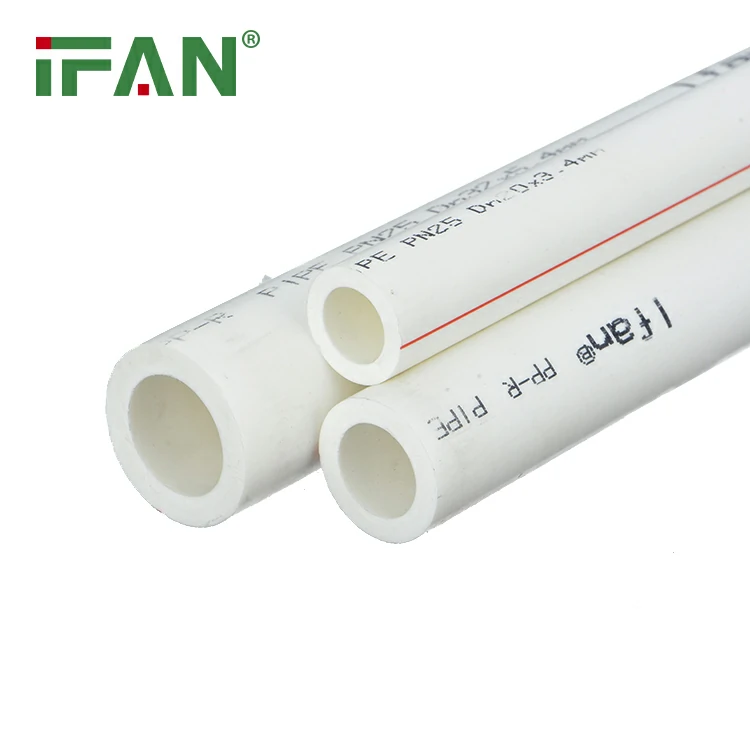
A PPR (Polypropylene Random Copolymer) female ball valve is a high-performance plumbing valve designed to control the flow of water or other fluids through a pipe. It features a ball-shaped disc housed inside the valve body, which rotates to allow or block the flow.
The female configuration refers to the threaded opening into which a male-threaded fitting (usually made of brass or PEX-compatible material) is inserted. This kind of valve is:
- Thermally stable – resistant to both hot and cold water
- Chemically inert – doesn’t react with water or cleaning agents
- Corrosion-resistant – outlasts traditional metal fittings
- Leak-proof – especially when combined with brass and PEX pipe fittings
Brass Pipe Fittings: The Perfect Companion
Brass is widely used in plumbing because of its durability, resistance to rust and corrosion, and excellent machinability. When brass is used in conjunction with a PPR valve, the system benefits from:
- Mechanical strength for high-pressure applications
- Improved sealing capability
- Longevity under thermal cycling
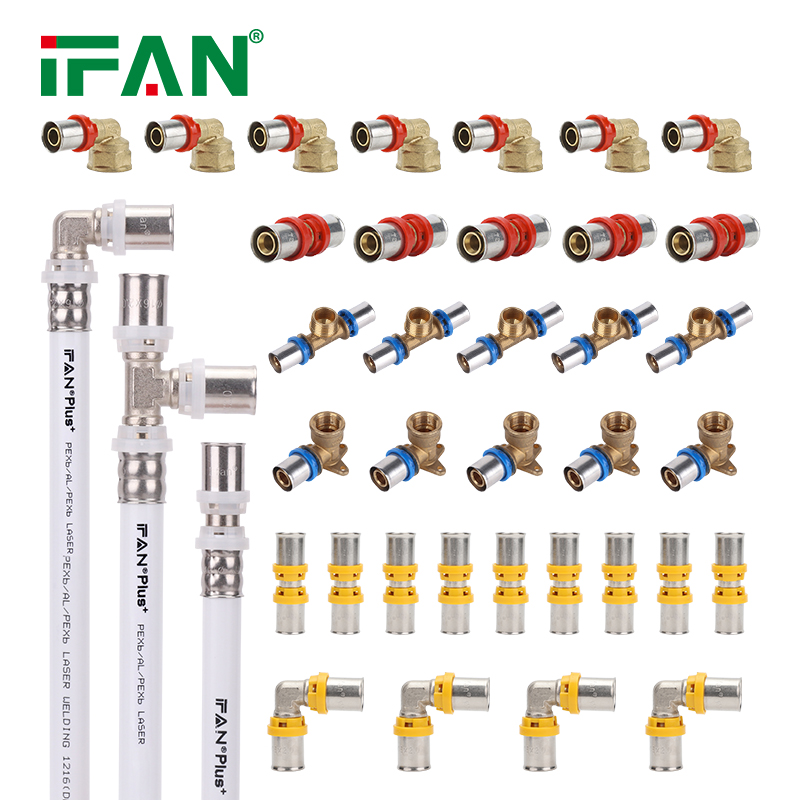
- Compatibility with both PPR and PEX pipe systems
Brass inserts are typically placed at the threading points to ensure tight, secure connections that don’t degrade over time, even in fluctuating temperature environments.
Why Use PEX Pipe with PPR Ball Valves?
The PEX (cross-linked polyethylene) pipe has revolutionized plumbing due to its flexibility, resistance to scale and chlorine, and affordability. When PEX pipe is integrated into a system with PPR female ball valves and brass fittings, it creates a hybrid solution that offers the best of all materials.
Advantages of Using PEX Pipes:
- Flexibility: Easily bent around corners, reducing the need for multiple joints.
- Cost-effective: Lower installation cost than copper or galvanized steel.
- Temperature resilience: Handles both high and low temperatures, ideal for hot/cold water systems.
- No corrosion: PEX doesn’t corrode like metal pipes, reducing maintenance.
Compatibility
To connect PEX pipe to PPR female ball valves:
- Use brass adapters or compression fittings.
- Utilize PEX crimp or expansion rings for secure, leak-proof connections.
Applications in Cold and Hot Water Systems
These fittings are ideal for:
- Residential plumbing: Kitchens, bathrooms, and laundry rooms
- Commercial buildings: Hotels, hospitals, and office buildings
- Industrial facilities: Manufacturing processes that require precise water control
- Underfloor heating systems: Using PEX pipes as the distribution medium
Because of the PPR’s resistance to heat and brass’s mechanical strength, the combination is particularly effective in systems where water temperatures range from freezing cold to scalding hot.
Installation Tips
Proper installation ensures performance and longevity:
- Measure and cut: Cut the PEX pipe cleanly with a pipe cutter.
- Insert fittings: Use brass adapters to connect to the PPR ball valve.
- Crimp or expand: Use the appropriate method depending on the type of PEX.
- Test pressure: Always pressure test the system post-installation.
Ensure all threads are sealed with plumber’s tape or approved thread sealant to prevent leaks.
Sustainability and Longevity
A key benefit of using PEX pipes with PPR ball valves is sustainability. These materials:
- Reduce energy losses in hot water distribution
- Lower the risk of leaks and water damage
- Extend system life, minimizing replacement frequency
- Use recyclable materials, aligning with green building certifications
When installed correctly, a system combining these components can easily last 50 years or more.
Market Demand and Trends
With the global push toward energy-efficient infrastructure, the use of PPR ball valves, brass fittings, and PEX pipes is rising. Consumers demand:
- Faster installations
- Low-maintenance solutions
- Reliable performance in extreme temperatures
- Materials compatible with new and legacy systems
As a result, these components are now standard in smart home systems, eco-friendly buildings, and infrastructure upgrades.
Conclusion
The combination of PPR female ball valves, brass pipe fittings, and PEX pipe has set a new benchmark in modern plumbing. Their synergy provides unmatched strength, reliability, and ease of installation for cold and hot water feeding systems. Whether for new builds or retrofits, this integrated approach is not only practical but also future-proof.
Frequently Asked Questions (FAQ)
1. Can PEX pipes be directly connected to PPR female ball valves?
Yes, but you’ll need appropriate brass or plastic adapter fittings that bridge the material difference and ensure secure threading.
2. Are PPR valves better than PVC valves for hot water systems?
Yes. PPR valves are more resistant to heat and pressure, making them ideal for hot water applications compared to PVC.
3. Is brass safe for drinking water when used with PEX pipes?
Absolutely. Most modern brass fittings used in plumbing are low-lead or lead-free and compliant with potable water standards.
4. How long do systems with PPR valves and PEX pipes last?
When installed properly, these systems can last over 50 years under normal operating conditions.
5. Are these components compatible with underfloor heating systems?
Yes. PEX pipes are especially common in radiant floor heating systems, and PPR valves help control water flow efficiently.