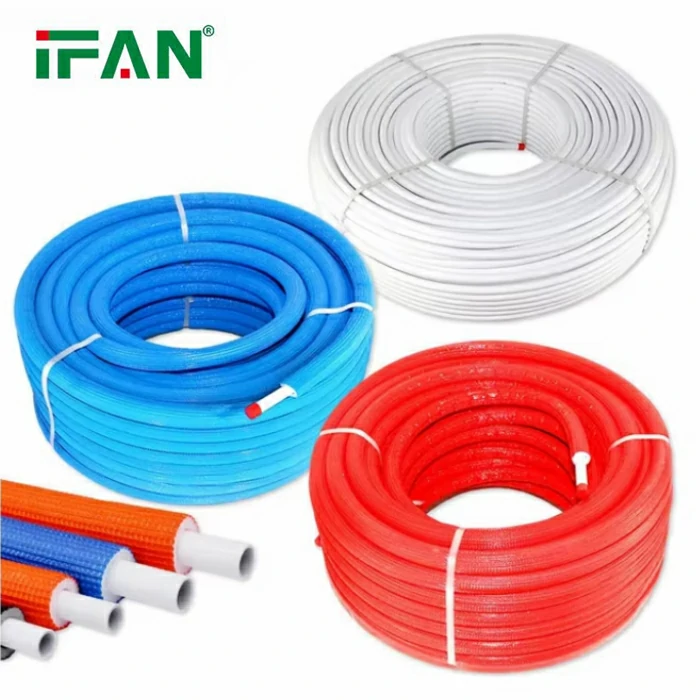
Introduction to PPR Female Socket
In the realm of plumbing and piping systems, the PPR Female Socket, also known as the PPR Female Direct, plays a pivotal role in ensuring smooth and secure connections. This comprehensive guide delves into the intricacies of the PPR Female Socket, highlighting its unique features, applications, and the advantages it brings to various industries.
What is a PPR Female Socket?
The PPR Female Socket is a type of pipe fitting designed with female threads to enable threaded connections. Constructed from Polypropylene Random Copolymer (PPR), this fitting offers exceptional durability, corrosion resistance, and heat tolerance. Its smooth inner surface reduces fluid resistance, enhancing the overall efficiency of the piping system.
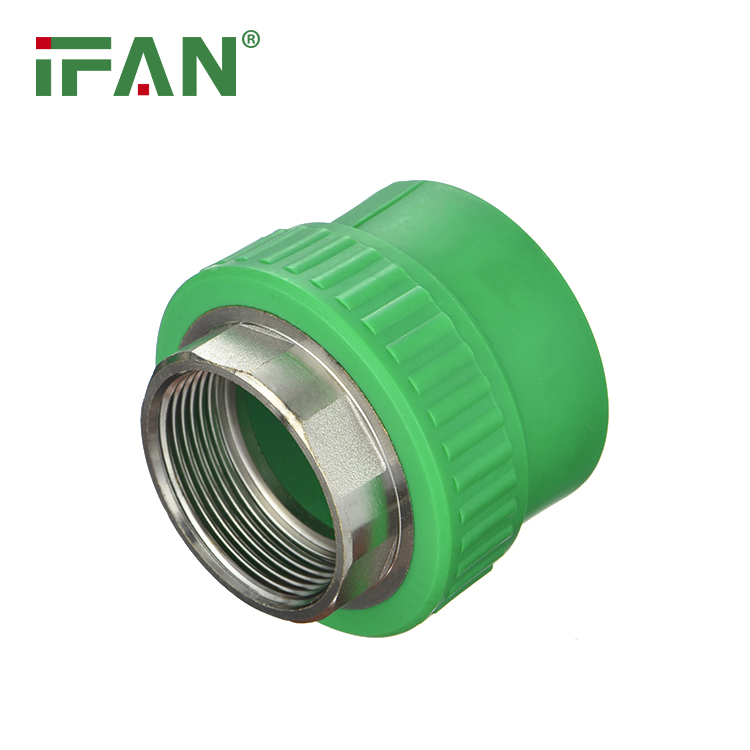
Key Features of PPR Female Socket
- High Durability: PPR Female Sockets are made from a robust material that can withstand harsh environments and continuous use.
- Corrosion Resistance: The PPR material is inherently resistant to corrosion, ensuring long-lasting performance in various applications.
- Smooth Inner Surface: The smooth inner surface of the socket minimizes fluid resistance, promoting efficient fluid flow.
- Versatile Design: Available in various sizes and configurations, PPR Female Sockets can be used in a wide range of applications.
Applications of PPR Female Socket
PPR Female Sockets find applications across multiple industries, including:
- Residential Plumbing: Used in bathrooms, kitchens, and other areas to connect pipes and fixtures securely.
- Commercial Plumbing: Ideal for office buildings, hospitals, and other commercial facilities where reliable piping systems are crucial.
- Industrial Applications: Suitable for chemical processing plants, food and beverage manufacturing, and other industries requiring corrosion-resistant piping solutions.
Installation and Maintenance
- Proper Installation: Ensure that the PPR Female Socket is securely fitted to the pipe and tightened to the appropriate torque to prevent leaks.
- Regular Maintenance: Regularly inspect the socket for any signs of wear or damage and replace it promptly if necessary.
- Cleaning: Keep the socket clean and free of debris to maintain optimal performance.
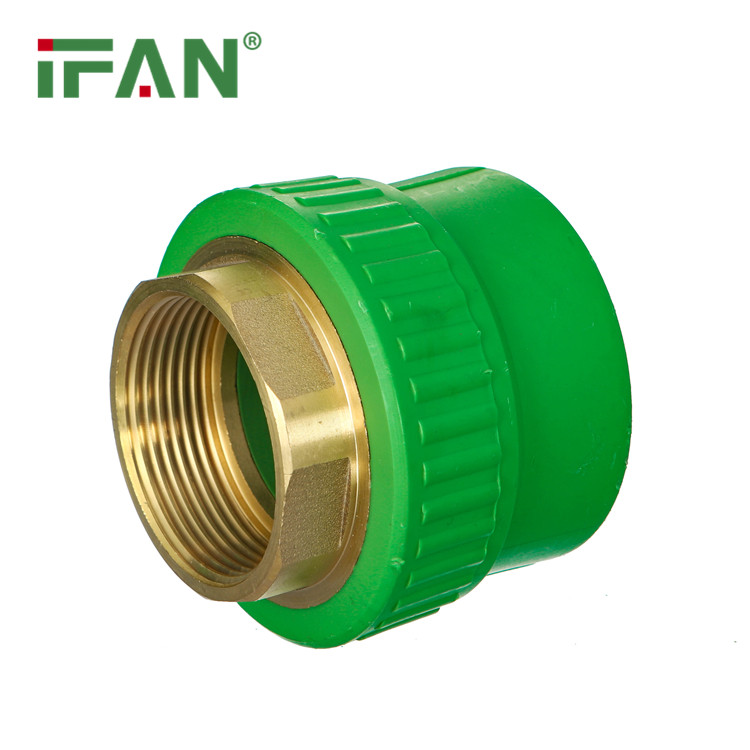
Advantages of Using PPR Female Socket
- Secure Connections: The threaded design of the PPR Female Socket ensures secure and leak-free connections.
- Easy Installation: The socket can be easily installed without the need for special tools or equipment.
- Cost-Effective: PPR Female Sockets are cost-effective solutions for various piping applications.
Conclusion
The PPR Female Socket is a reliable and versatile component in plumbing and piping systems. Its unique features and advantages make it a preferred choice for professionals across various industries. By understanding the applications, installation, and maintenance requirements of the PPR Female Socket, professionals can ensure smooth and efficient piping systems for their projects.