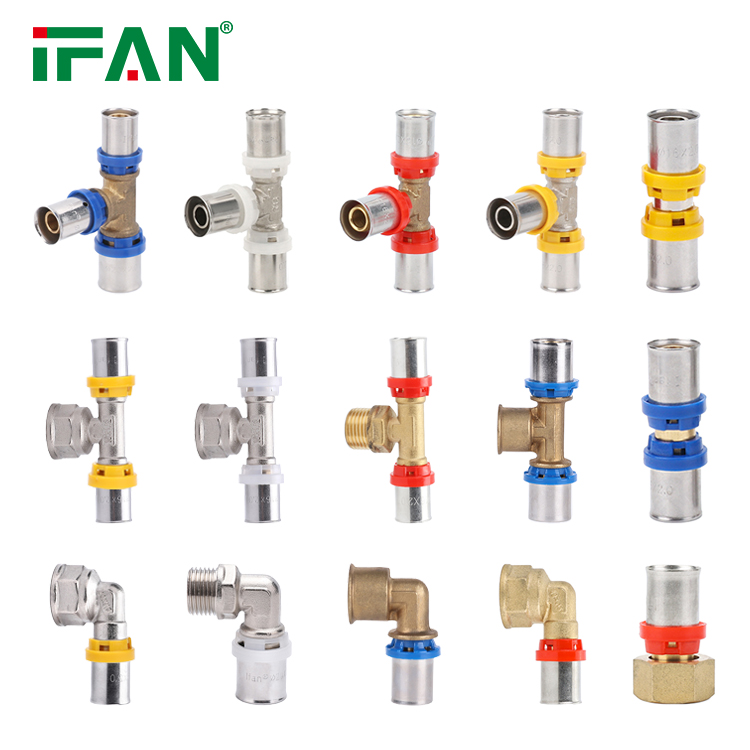
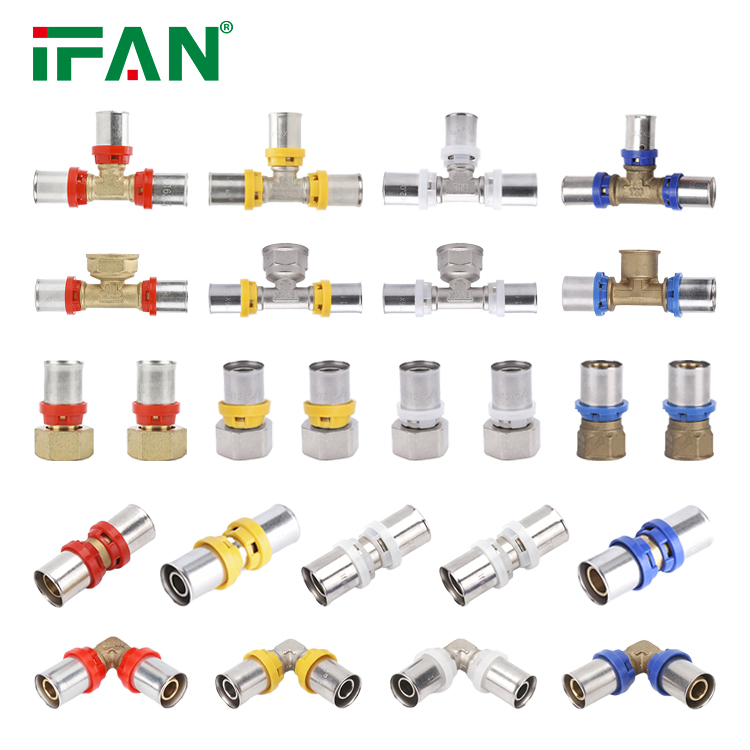
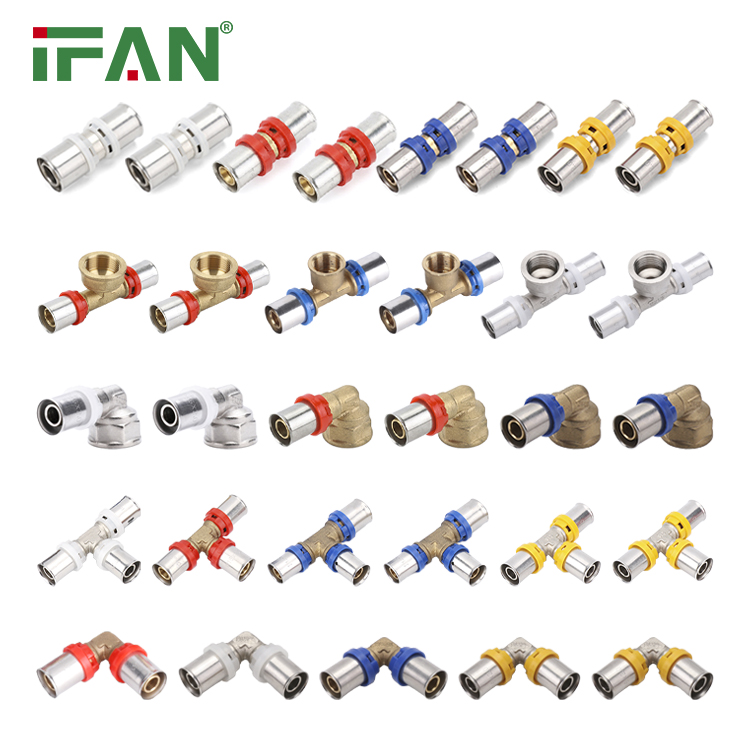
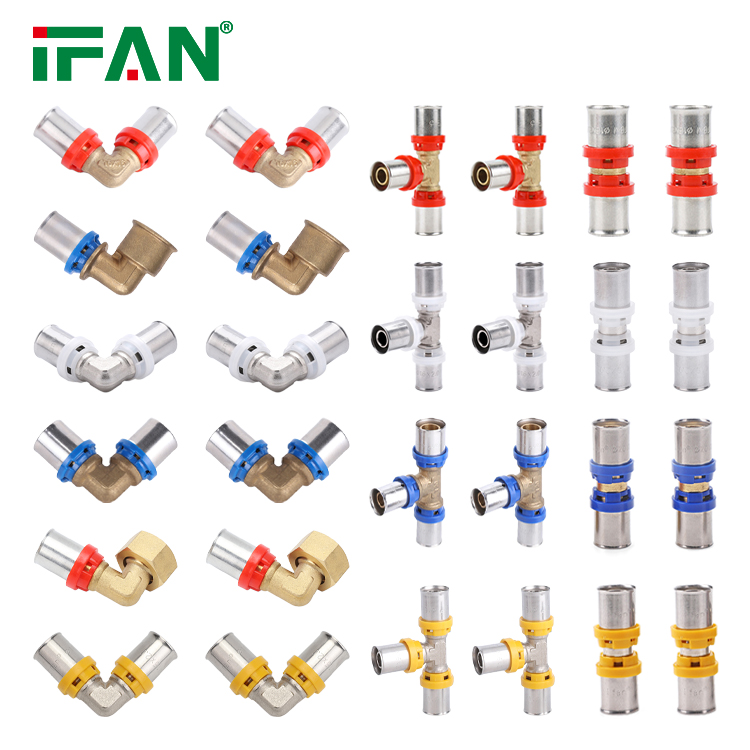
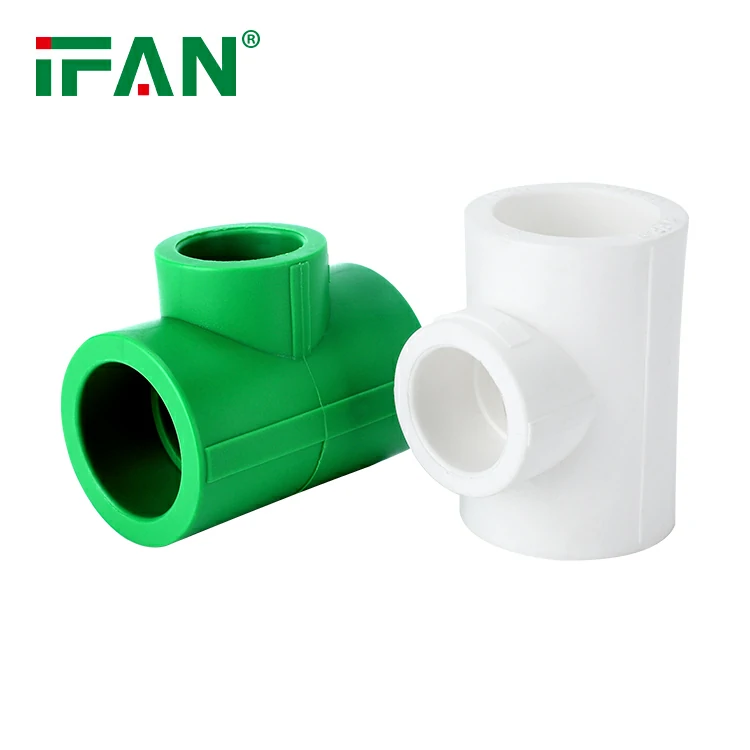
The PPR fittings market in India has seen significant growth in recent years, driven by the rapid urbanization, infrastructure development, and increasing demand for modern plumbing solutions. PPR fittings, which are made from polypropylene random copolymer, have become a key component in water supply and heating systems due to their durability, cost-effectiveness, and environmental benefits. This article provides a strategic assessment of the PPR fittings market in India, analyzing the factors driving its growth, key trends, challenges, and future prospects.
Growing Demand for PPR Fittings in India
India’s plumbing industry has evolved significantly, particularly in the past decade. With the government’s focus on expanding urban infrastructure and improving water supply systems, there has been an increased demand for reliable and durable piping solutions. PPR fittings have emerged as one of the most popular choices for both residential and commercial plumbing systems due to their superior properties.
PPR fittings are known for their corrosion resistance, high thermal stability, and ability to handle high-pressure conditions. Unlike traditional metal pipes, PPR pipes and fittings are not susceptible to rust or scaling, making them a long-lasting and cost-effective choice for plumbing applications. Their durability and resistance to corrosion make them ideal for both hot and cold water systems, which is particularly important in India’s varying climate conditions.
Key Drivers of the PPR Fitting Market
- Infrastructure Development and Urbanization
The rapid pace of urbanization in India is one of the key factors driving the growth of the PPR fittings market. As more people move to cities, the demand for housing and commercial buildings increases. Consequently, there is a rising need for efficient and durable plumbing systems. PPR fittings have become a preferred choice due to their reliability and long lifespan. - Government Initiatives
The Indian government’s push to improve sanitation and water supply infrastructure, particularly through initiatives like the Smart Cities Mission and the Atal Mission for Rejuvenation and Urban Transformation (AMRUT), has provided a significant boost to the PPR fittings market. These programs aim to provide better water supply and sewerage systems to urban areas, further driving the demand for modern plumbing solutions. - Rising Awareness of Environmental Sustainability
With growing concerns about environmental sustainability, there is a rising demand for eco-friendly building materials and solutions. PPR fittings are made from recyclable materials and are free from harmful chemicals, which aligns with the global trend toward green building practices. This environmental friendliness makes them a popular choice for developers, builders, and homeowners who are increasingly prioritizing sustainability. - Cost-Effectiveness and Durability
The long-term cost-effectiveness of PPR fittings is another factor driving their popularity in India. While the initial cost may be higher than traditional metal pipes, the durability and low maintenance costs of PPR fittings make them a more economical choice in the long run. The resistance of PPR fittings to corrosion and scale buildup reduces the need for frequent repairs and replacements, further lowering overall costs.
Key Trends in the PPR Fitting Market
- Growing Preference for Multi-Utility Systems
There is an increasing preference for multi-utility systems in both residential and commercial applications. PPR fittings are being used not only for water supply systems but also for heating, gas distribution, and industrial fluid transportation. The versatility of PPR fittings makes them ideal for these applications, further expanding their market reach. - Technological Advancements in Manufacturing
The manufacturing process of PPR fittings has seen significant advancements in recent years. New technologies and innovations in production methods have enhanced the quality and performance of PPR products. As manufacturers focus on improving product design, strength, and ease of installation, the adoption of PPR fittings is likely to increase across various segments of the plumbing market. - Growing Presence of International and Local Manufacturers
The Indian PPR fittings market is witnessing increased competition with the entry of both international and local players. Major international brands, along with established Indian manufacturers, are expanding their presence in the market. This increased competition has led to innovations in product offerings and improved distribution channels, further benefiting the end consumer. - Increasing Adoption in Industrial Applications
PPR fittings are gaining popularity in industrial applications due to their ability to handle high-temperature and high-pressure conditions. Industries such as chemicals, pharmaceuticals, food processing, and power generation require reliable and durable piping systems, which is driving the demand for PPR fittings in these sectors.
Challenges in the PPR Fitting Market
- High Initial Investment
While PPR fittings offer long-term cost savings, their initial installation cost can be higher compared to traditional metal pipes. This can be a barrier to adoption, particularly in cost-sensitive segments of the market, such as low-income housing and rural areas. - Limited Awareness in Rural Markets
Despite the increasing popularity of PPR fittings in urban areas, there is still limited awareness of their benefits in rural markets. The adoption of PPR products in these regions is slow, and there is a need for increased education and marketing efforts to promote the advantages of these fittings. - Competition from Alternative Materials
While PPR fittings have gained significant market share, they face competition from alternative materials such as CPVC, UPVC, and metal pipes. These materials are often perceived as more affordable or easier to work with, making it essential for PPR fittings manufacturers to differentiate their products through quality, durability, and long-term value.
Future Prospects of the PPR Fitting Market in India
The PPR fittings market in India is expected to continue growing in the coming years, driven by the expanding construction sector, government initiatives, and increasing awareness of the benefits of PPR products. The market is likely to see more innovations in product design and manufacturing, further enhancing the appeal of PPR fittings for a wide range of applications.
Additionally, the growing focus on sustainability and eco-friendly building practices will provide further opportunities for the PPR fittings market. As the Indian plumbing industry continues to evolve, the demand for high-quality, durable, and cost-effective solutions like PPR fittings will remain strong.
Conclusion
The PPR fittings market in India is poised for significant growth, fueled by urbanization, government initiatives, technological advancements, and increasing demand for sustainable solutions. As PPR fittings continue to gain popularity due to their durability, resistance to corrosion, and cost-effectiveness, the market is expected to expand across residential, commercial, and industrial applications. However, challenges such as high initial costs and competition from alternative materials need to be addressed for broader adoption.
Frequently Asked Questions (FAQs)
- What are PPR fittings and why are they popular?
PPR fittings are made from polypropylene random copolymer and are used to connect pipes in plumbing systems. They are popular due to their durability, corrosion resistance, and ability to handle high pressure and temperatures, making them ideal for water supply and heating systems. - What are the advantages of using PPR fittings in plumbing?
The main advantages of PPR fittings are their long lifespan, corrosion resistance, and cost-effectiveness in the long run. They also have excellent thermal stability and are suitable for both hot and cold water systems. - What are the key drivers of the PPR fittings market in India?
Key drivers include urbanization, government initiatives to improve infrastructure, rising awareness of environmental sustainability, and the cost-effectiveness and durability of PPR fittings. - What challenges does the PPR fittings market face in India?
Challenges include high initial installation costs, limited awareness in rural markets, and competition from alternative materials like CPVC and UPVC pipes. - What is the future outlook for the PPR fittings market in India?
The future outlook is positive, with strong growth expected due to expanding construction and infrastructure sectors, government initiatives, and increasing adoption of sustainable building materials.