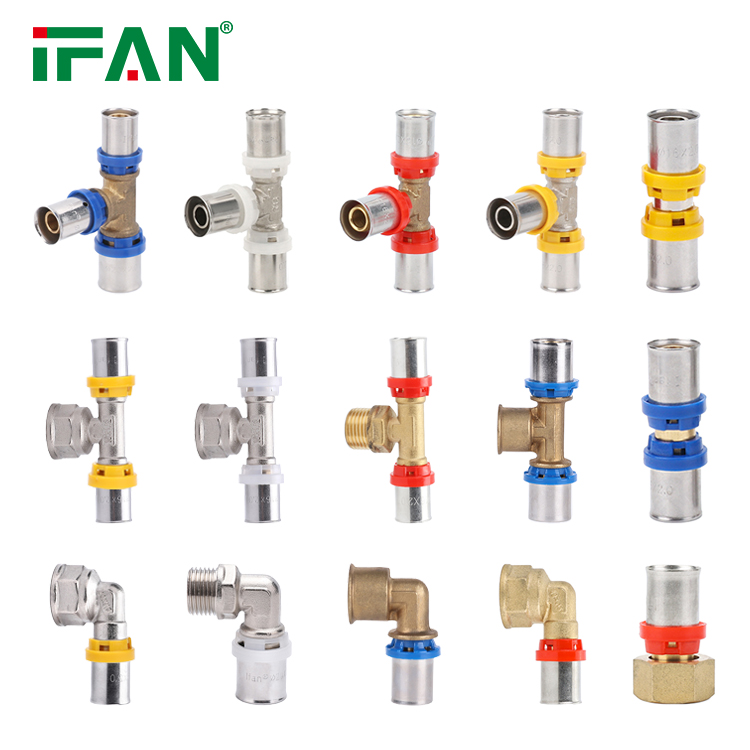
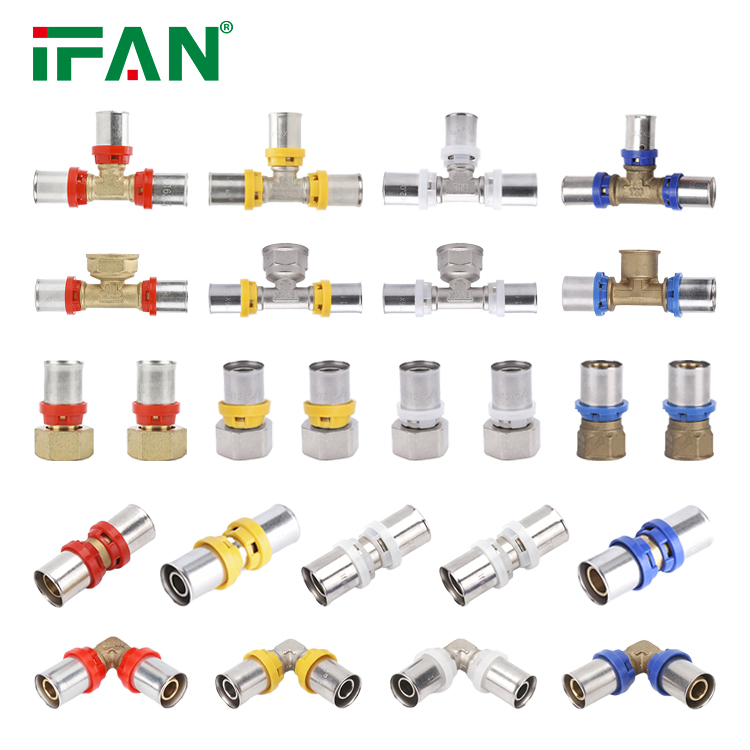
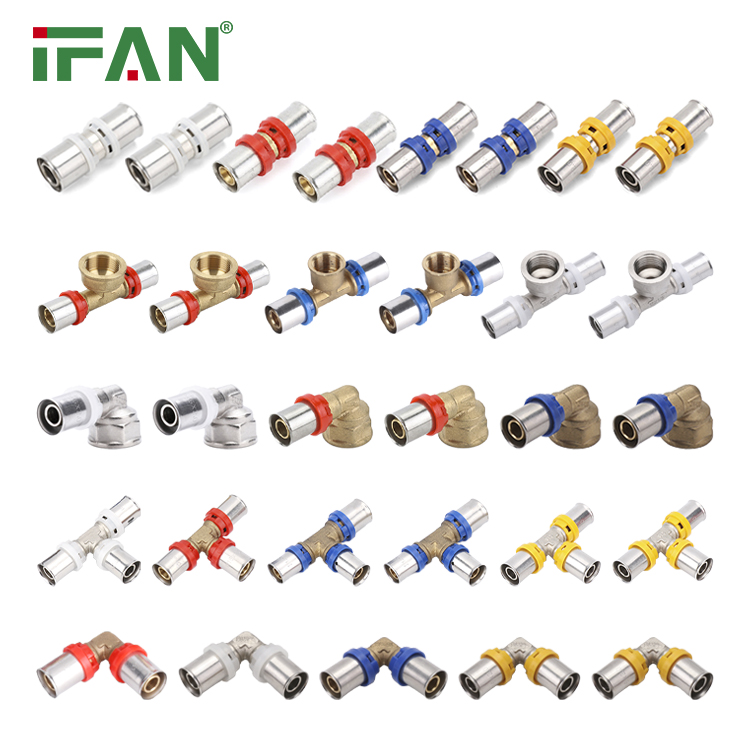
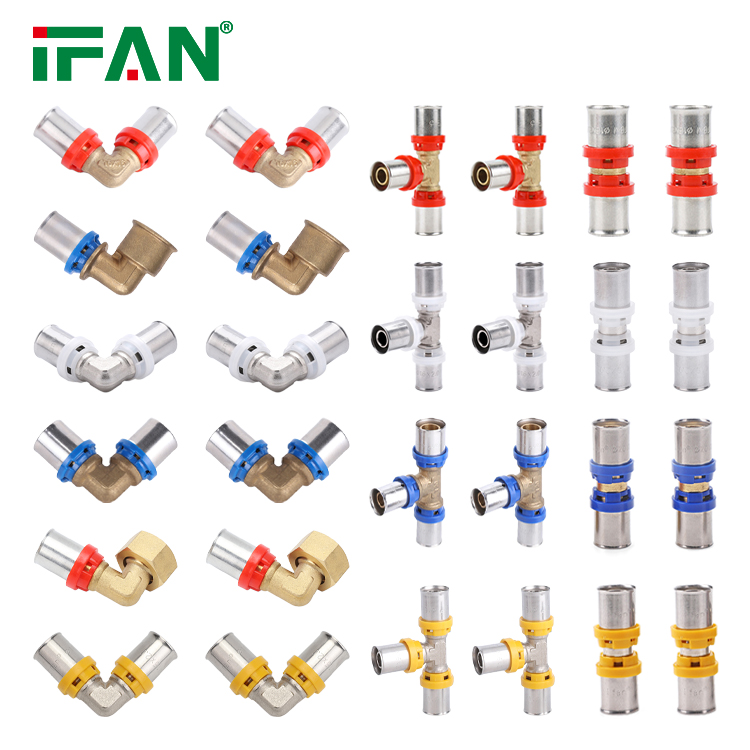
Polypropylene Random Copolymer (PPR) fittings have become a cornerstone in modern plumbing systems. These fittings are widely used in residential, commercial, and industrial applications due to their durability, resistance to high temperatures, and cost-effectiveness. The PPR pipe and fitting industry has evolved significantly over the years, with manufacturers constantly setting new standards in the production process to improve quality, performance, and sustainability. In this article, we explore the advancements in PPR fittings manufacturing, highlighting key trends and innovations that are shaping the future of plumbing systems.
What are PPR Fittings?
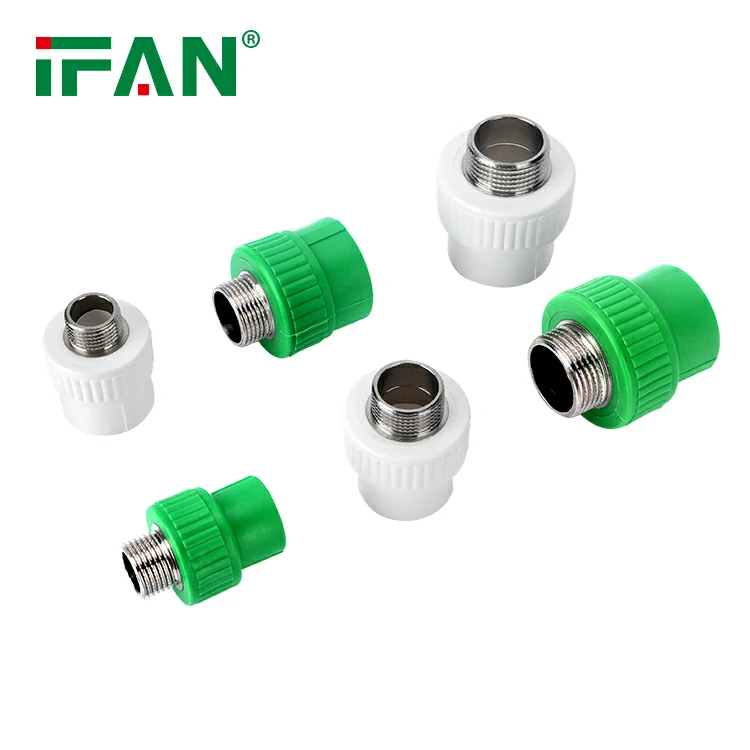
PPR fittings are components used in plumbing systems to connect PPR pipes, which are made from polypropylene random copolymer. These fittings include elbows, tees, reducers, couplings, and other essential connectors, all designed to form leak-free, efficient piping systems for transporting hot and cold water, as well as for industrial fluids and gases. The main reason PPR pipes and fittings are widely used is their ability to withstand high-pressure conditions and their resistance to corrosion, scale, and chemicals.
Advancements in PPR Fittings Manufacturing
In recent years, PPR fittings manufacturing has witnessed significant innovations aimed at improving performance, longevity, and environmental impact. Manufacturers are now employing cutting-edge technologies to enhance the quality of PPR pipes and fittings, ensuring that they meet the stringent requirements of modern plumbing systems.
1. Improved Material Quality
One of the most notable advancements in PPR fittings manufacturing is the improvement in material quality. Manufacturers are now using high-quality, raw polypropylene copolymer materials that are subjected to rigorous quality control standards. The addition of special additives, such as anti-UV agents and stabilizers, enhances the material’s resistance to temperature fluctuations and outdoor exposure, extending the lifespan of the fittings.
The use of reinforced PPR materials, such as glass fiber or mineral compounds, further strengthens the fittings, making them suitable for high-pressure applications and ensuring they maintain structural integrity over long periods.
2. Advanced Injection Molding Technology
Injection molding is the primary method used in PPR fittings manufacturing. New technologies have improved the precision and efficiency of the injection molding process, allowing manufacturers to produce fittings with better dimensional accuracy, smooth surfaces, and stronger weld joints.
Recent advancements in injection molding machines have also reduced production times and waste, making the manufacturing process more efficient and environmentally friendly. The adoption of multi-cavity molds allows for the production of large quantities of PPR fittings in a short amount of time, reducing costs while maintaining high quality.
3. Fusion Technology for Seamless Connections
Fusion welding or heat fusion technology is the most commonly used method for connecting PPR pipes and fittings. Recent innovations in fusion technology have enabled manufacturers to design and produce fittings that require less time and energy to fuse, making the installation process quicker and more efficient.
Additionally, the development of automatic welding machines has improved the consistency of the fusion process, ensuring that joints are consistently strong and leak-free. As a result, the overall reliability of PPR systems has been significantly improved.
4. Sustainability and Eco-friendly Manufacturing
Sustainability is a growing concern in the manufacturing industry, and the PPR fittings sector is no exception. Manufacturers are increasingly focusing on producing eco-friendly products that are both recyclable and energy-efficient. The use of non-toxic and environmentally friendly raw materials is a major trend in PPR fittings production, as it minimizes the environmental footprint of these products.
Moreover, advancements in recycling technologies have made it possible to recycle PPR pipes and fittings at the end of their lifecycle, reducing the amount of plastic waste that ends up in landfills.
5. Customization and Smart Fittings
The demand for customized PPR fittings is on the rise, particularly for specialized plumbing systems in commercial and industrial applications. Manufacturers are now offering a wide range of sizes, shapes, and configurations of PPR fittings to meet specific requirements.
In addition to customization, there is an increasing trend toward the development of “smart” PPR fittings. These fittings incorporate sensors and monitoring devices that can track the flow rate, pressure, and temperature of the fluid passing through the pipes. Smart PPR fittings allow for real-time monitoring and diagnostics, helping to detect leaks and improve the overall efficiency of the plumbing system.
Benefits of PPR Fittings
PPR fittings offer a wide range of advantages that make them the go-to choice for many plumbing systems:
- Durability: PPR fittings are highly resistant to wear and tear, ensuring that plumbing systems last longer without the need for frequent repairs.
- Corrosion Resistance: Unlike metal pipes, PPR fittings do not corrode, rust, or scale, even in high-temperature conditions.
- Chemical Resistance: PPR fittings are resistant to a wide variety of chemicals, making them suitable for industrial applications that involve transporting aggressive fluids.
- Low Maintenance: The longevity and durability of PPR fittings reduce the need for frequent maintenance or replacement, leading to lower overall maintenance costs.
- Environmental Friendliness: The materials used in PPR fittings are recyclable, and the manufacturing process has become more eco-friendly, contributing to a more sustainable plumbing industry.
The Future of PPR Fittings Manufacturing
As the plumbing industry continues to evolve, PPR fittings manufacturers are focused on improving product performance, reducing environmental impact, and meeting the increasing demand for high-quality, customizable solutions. The integration of new technologies, such as smart fittings, advanced fusion methods, and eco-friendly production processes, is setting new standards in the manufacturing of PPR pipes and fittings. With these advancements, PPR fittings will continue to play a key role in building efficient, reliable, and sustainable plumbing systems for the future.
Frequently Asked Questions (FAQs)
- What are PPR fittings used for?
PPR fittings are primarily used to connect PPR pipes in plumbing systems for transporting water, chemicals, and other fluids in residential, commercial, and industrial applications. - How do PPR fittings compare to PVC fittings?
PPR fittings are more durable and resistant to high temperatures and chemicals compared to PVC fittings. They also offer better long-term performance, especially in hot water systems. - What is fusion welding, and why is it used in PPR fittings?
Fusion welding is a process where two PPR pipes or fittings are heated and then joined together to form a strong, leak-free connection. It is widely used in PPR systems because it ensures a seamless and durable joint. - Can PPR fittings be used for both hot and cold water systems?
Yes, PPR fittings are suitable for both hot and cold water systems due to their ability to withstand high temperatures and pressure. - Are PPR fittings environmentally friendly?
Yes, PPR fittings are made from recyclable materials, and the manufacturing process has become more eco-friendly, making them a sustainable choice for plumbing systems.