Introduction:
The plumbing industry is a key pillar of infrastructure development, and PPR fittings have become a critical component in modern plumbing systems. As demand for efficient, durable, and eco-friendly plumbing solutions rises, the trading of PPR fittings has garnered significant attention. These fittings, made from Polypropylene Random Copolymer (PPR), are highly resistant to corrosion, heat, and chemicals, making them ideal for a wide range of applications, from residential to industrial plumbing. This article explores the dynamics of the PPR fitting trading market, its growth potential, and the opportunities for businesses and investors alike.
What Are PPR Fittings?
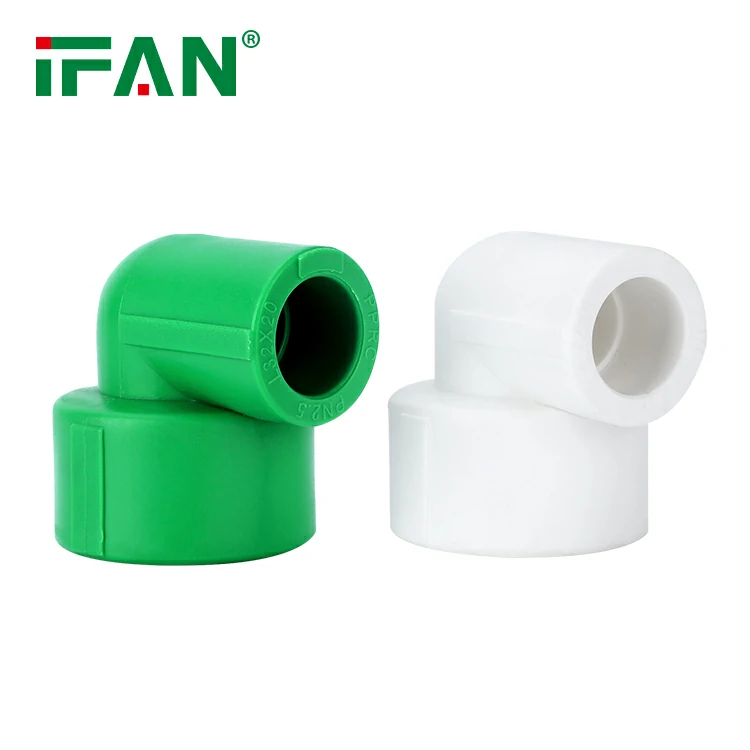
Before delving into the trading aspect, it’s essential to understand what PPR fittings are and why they have gained so much popularity in the plumbing industry. PPR fittings are components used to connect PPR pipes in water supply and heating systems. Made from Polypropylene Random Copolymer, these fittings are durable, resistant to high temperatures, and corrosion-resistant.
These fittings are often used in a wide variety of applications, including:
- Residential plumbing (hot and cold water supply)
- Industrial plumbing systems
- Commercial buildings (hot water heating systems)
- Irrigation systems
The strength and durability of PPR fittings make them an ideal solution for water distribution, and they are increasingly replacing traditional materials like copper and steel in many regions.
The Global Demand for PPR Fittings
The demand for PPR fittings has skyrocketed in recent years due to various factors:
- Sustainability and Eco-friendliness: With rising awareness about environmental sustainability, many regions have shifted towards materials that are not only durable but also recyclable. PPR fittings meet these criteria, making them a preferred choice for eco-conscious buyers.
- Cost-Effectiveness: Compared to traditional materials like copper or steel, PPR fittings offer a more affordable solution without compromising on durability or functionality. As construction projects, both residential and commercial, grow in scale, more builders are turning to PPR fittings as a cost-effective alternative.
- Durability and Longevity: PPR fittings have an extended lifespan due to their resistance to corrosion, chemical degradation, and high temperatures. These qualities have made them particularly popular in regions with harsh weather conditions or fluctuating temperatures.
- Ease of Installation: Compared to other materials, PPR fittings are relatively easy to install. This reduces labor costs and speeds up the construction process, further increasing their appeal in the global market.
PPR Fitting Trading Market: Key Players and Trends
The PPR fitting trading market is characterized by a mix of local and international players. Several factors influence the dynamics of this market, including:
- Regional Demand: In regions with growing infrastructure development, such as Asia, Africa, and the Middle East, there is a rising demand for PPR fittings. As urbanization increases in these areas, so does the need for durable and cost-effective plumbing systems.
- Global Supply Chain: The trade of PPR fittings often involves a complex supply chain, with manufacturers in regions like China, India, and Turkey exporting products globally. The availability of raw materials, labor costs, and shipping logistics are important factors that influence the pricing and availability of these fittings.
- Technological Advancements: Advances in production techniques and materials have also contributed to the growing popularity of PPR fittings. Manufacturers are increasingly developing advanced, high-performance fittings that meet the demands of both domestic and international markets.
- Regulatory Standards: Different countries have varying regulations and standards for plumbing materials. As PPR fittings gain popularity, manufacturers and traders must ensure compliance with local regulations in terms of quality, safety, and environmental impact.
Opportunities in the PPR Fitting Trading Market
The PPR fitting trading market offers various opportunities for businesses and investors. Here are some key areas of opportunity:
- Exporting to Developing Markets: With rapid urbanization in developing countries, the demand for PPR fittings is expected to grow significantly. Businesses that can navigate the complexities of exporting and meet the local market requirements will find significant growth potential.
- Product Innovation: As the demand for PPR fittings continues to rise, there is room for product innovation. Manufacturers who can create more advanced and specialized products—such as PPR fittings designed for high-pressure systems or those that meet specific environmental standards—can gain a competitive edge in the market.
- Expansion of Distribution Networks: Companies that are already established in the PPR fittings sector can increase their market share by expanding their distribution networks to underserved regions. Online platforms and digital marketing also provide opportunities to reach customers directly.
- Sustainability Focus: As sustainability becomes more important to consumers and governments, the demand for eco-friendly and recyclable plumbing materials is on the rise. Manufacturers that focus on producing sustainable PPR fittings will be able to tap into a growing market segment.
Challenges in PPR Fitting Trading
While the opportunities are vast, the PPR fitting trading market also comes with challenges:
- Intense Competition: The market for PPR fittings is competitive, with numerous manufacturers and suppliers vying for market share. Companies need to focus on quality, pricing, and customer service to differentiate themselves from their competitors.
- Price Fluctuations: Raw material costs and shipping expenses can fluctuate, affecting the pricing of PPR fittings. Traders and manufacturers need to monitor these fluctuations closely to maintain profit margins.
- Quality Assurance: As demand for PPR fittings increases, maintaining consistent product quality becomes challenging. Companies need to invest in quality control measures to ensure their products meet the required standards and regulations.
Conclusion
The PPR fitting trading market is poised for significant growth in the coming years, driven by the rising demand for cost-effective, durable, and eco-friendly plumbing solutions. As the world continues to urbanize, the need for efficient plumbing systems becomes more critical. PPR fittings, with their many advantages, will continue to play a central role in this growth.
For businesses and investors, there are ample opportunities to enter the PPR fitting market. However, they must navigate the complexities of global trade, ensure quality products, and stay abreast of industry trends. Whether through exporting, innovation, or expanding distribution networks, the potential for success in the PPR fitting trading market is vast.
FAQs
- What are PPR fittings used for?
PPR fittings are used in plumbing systems to connect PPR pipes for water supply, drainage, and heating systems. They are resistant to corrosion, high temperatures, and chemicals. - Why are PPR fittings considered eco-friendly?
PPR fittings are made from recyclable materials, making them a sustainable choice for modern plumbing systems. Their durability also reduces the need for frequent replacements, further promoting environmental benefits. - What factors influence the price of PPR fittings?
The price of PPR fittings is influenced by raw material costs, manufacturing expenses, shipping logistics, and market demand. Price fluctuations in these areas can affect the final cost of fittings. - How do I choose the right PPR fittings for my plumbing system?
The right PPR fittings depend on factors such as pipe size, water pressure, temperature requirements, and specific system needs. It’s important to consult with professionals or suppliers to ensure compatibility. - Where can I buy PPR fittings for my plumbing needs?
PPR fittings are available through a variety of suppliers, both locally and online. You can purchase them from plumbing wholesalers, home improvement stores, or directly from manufacturers and distributors through digital platforms.