PPR Fittings for Underground Plumbing: Ensuring Longevity
Underground plumbing has been used for decades to transport water from one location to another without having to worry about unsightly pipes and fixtures. However, the longevity of underground plumbing has always been a concern for many homeowners and contractors.
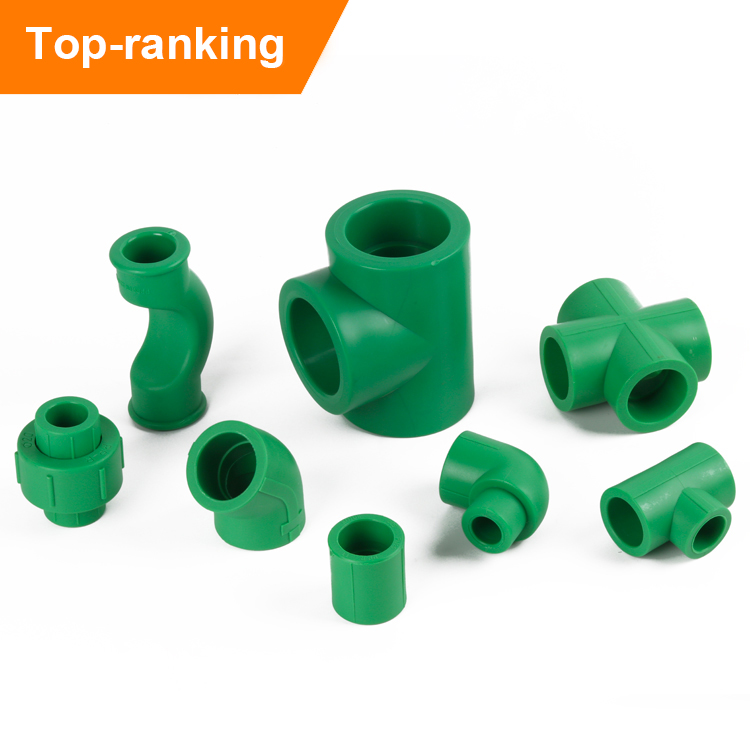
Fortunately, PPR fittings have emerged as a solution to this problem. PPR, or polypropylene random copolymer, is a durable, heat-resistant plastic used in a variety of applications, including underground plumbing. The material is highly resistant to cracking, warping, and corrosion, making it ideal for use in underground plumbing.
One of the main advantages of using PPR for underground plumbing is its ability to withstand extreme temperatures and pressure. When installed correctly, PPR fittings can handle high pressure and temperatures, ensuring a long-lasting and reliable plumbing system that can withstand harsh environmental conditions.
Another benefit of PPR fittings is their ease of installation. Unlike other plumbing materials, PPR fittings require no welding or special tools for installation. They can be easily connected using heat fusion, which creates a strong, watertight seal between the pipes and fittings.
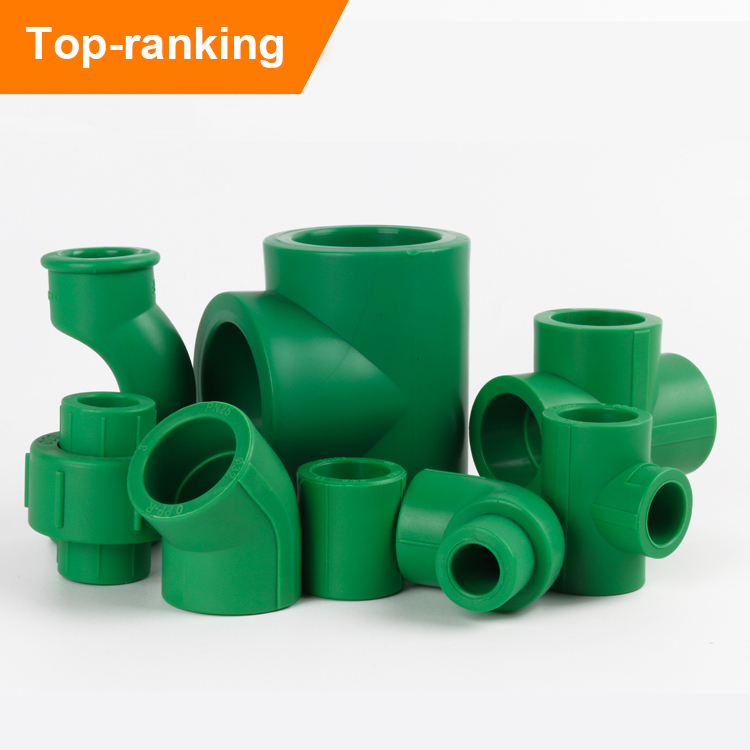
PPR fittings are also lightweight and flexible, making them easier to install and maneuver into tight spaces like trenches and underground tunnels. They can be easily cut to any length, allowing for greater flexibility and customization in plumbing design and installation.
Finally, PPR fittings are extremely cost-effective when compared to other materials like copper and steel. They require less maintenance and repair work, and their durability ensures that they will have a longer lifespan than other materials.
In conclusion, PPR fittings for underground plumbing offer a practical and sustainable solution for homeowners and contractors who want to install a reliable and long-lasting plumbing system. With their numerous benefits, PPR fittings are sure to become the go-to choice for underground plumbing systems for years to come.