Exploring PPR Fittings for Plumbing Renovations and Remodels
When it comes to renovating or remodeling your home, it is important to consider the plumbing system. Upgrading to PPR fittings can be a great option that not only saves you money but also offers numerous benefits.
What are PPR fittings?
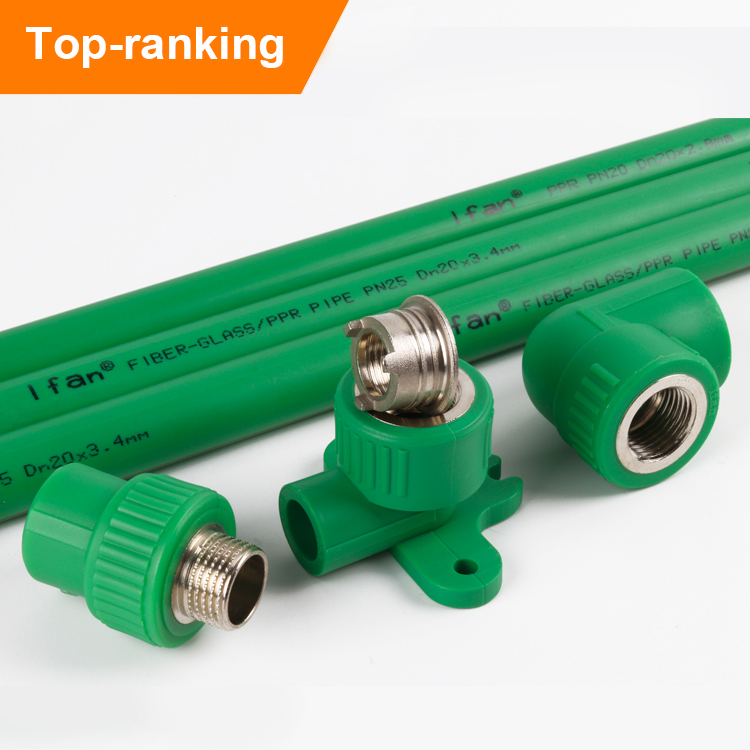
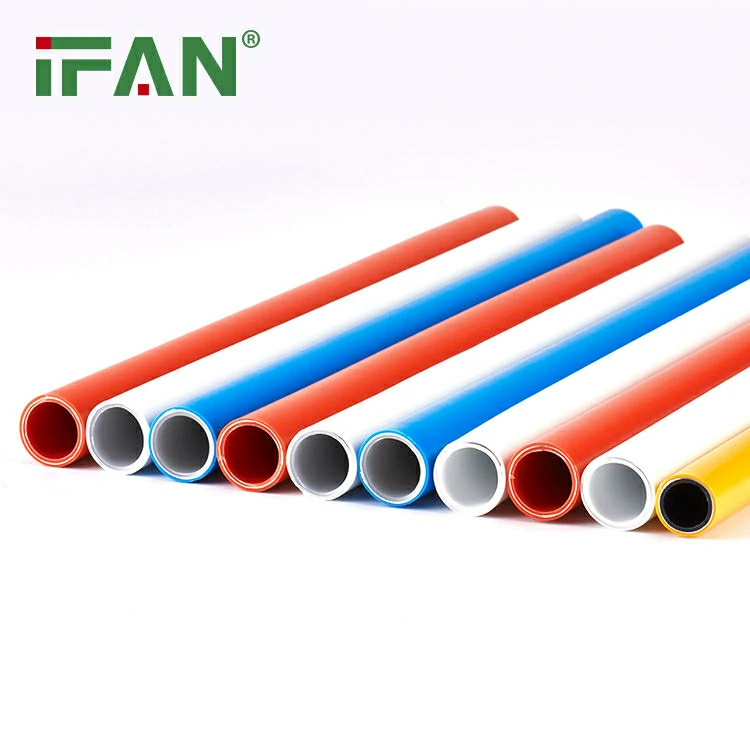
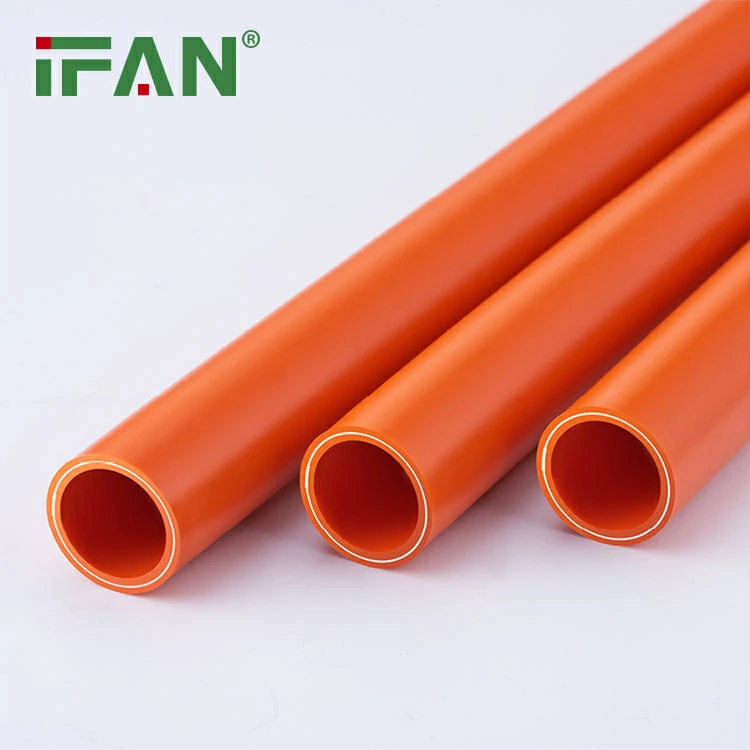
PPR, or polypropylene random copolymer, is a type of plastic material that is commonly used in plumbing and heating systems. PPR fittings are designed to connect PPR pipes, which are known for being durable, corrosion-resistant, and long-lasting. These fittings can be used for both hot and cold water systems, as well as for gas and compressed air.
Why choose PPR fittings?
There are several reasons why PPR fittings are a great option for plumbing renovations and remodels. Firstly, they are very cost-effective compared to other types of plumbing materials. This means that you can save money on your plumbing project without sacrificing quality.
Secondly, PPR fittings are easy to install and require minimal maintenance. Unlike traditional copper pipes, PPR pipes can be bent, cut, and joined using special fittings without the need for soldering or welding. This makes installation much quicker and easier, and also reduces the risk of leaks or other issues occurring down the line.
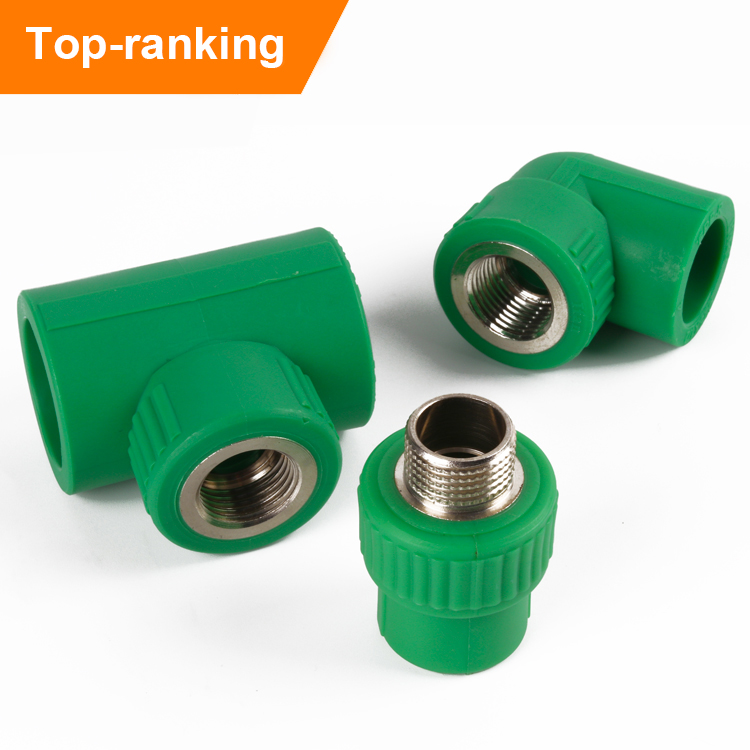
Finally, PPR fittings are also extremely durable and resistant to corrosion, meaning that they will last for many years without needing to be replaced. This is particularly important for plumbing systems that are located in areas that are prone to extreme temperatures or high levels of humidity.
How to choose the right PPR fittings for your project
If you are considering using PPR fittings for your plumbing renovation or remodel, it is important to choose the right fittings for your needs. Factors to consider include the size of the pipes you are using, the type of connection required, and the specific applications you plan to use the fittings for.
Overall, exploring PPR fittings is a great option for anyone looking to upgrade their plumbing system without breaking the bank. With their low cost, easy installation, and long-lasting durability, PPR fittings are quickly becoming a popular choice for homeowners and builders alike.