I. Introduction: Revolutionizing Plumbing with PPR Fittings
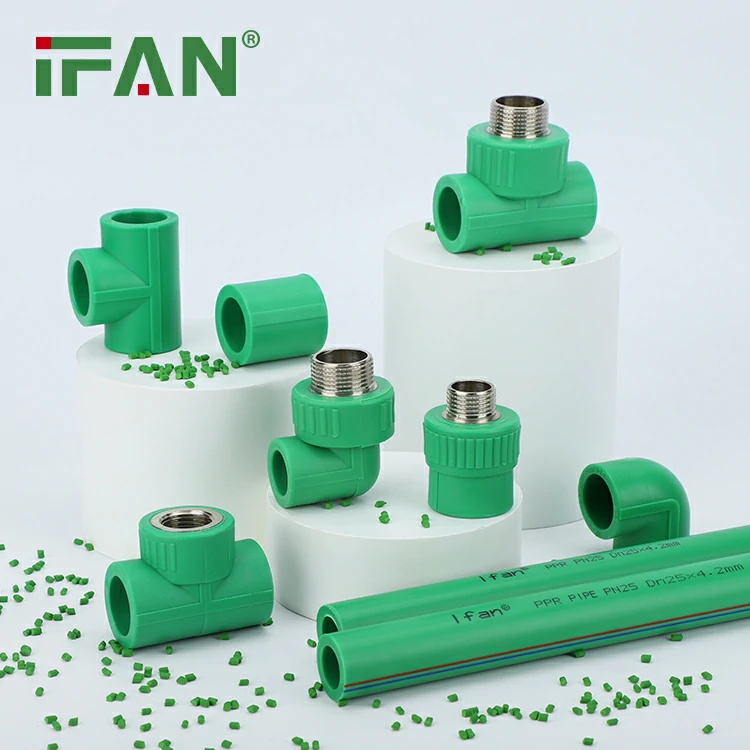
In the ever-evolving world of plumbing, PPR (Polypropylene Random Copolymer) fittings are making waves as the preferred choice for modern piping systems. With their exceptional durability, hygiene standards, and ease of installation, PPR fittings are transforming the way we design and maintain plumbing infrastructure. Today, we delve into the latest news surrounding PPR fittings, showcasing their innovative features and wide-ranging applications.
II. The Strength of PPR: Durable and Reliable Solutions
High-Pressure Resistance – PPR fittings are designed to withstand high pressures, making them ideal for both residential and commercial plumbing systems. This durability ensures a long-lasting and reliable solution for all your piping needs.
Temperature Tolerance – From frigid winters to scorching summers, PPR fittings maintain their performance across a wide range of temperatures. Their thermal stability ensures consistent water quality and reliable performance in both hot and cold water systems.
III. Preserving Hygiene: A Safe Choice for Potable Water
Inherent Corrosion Resistance – Unlike metal fittings, PPR fittings do not corrode or rust, preserving the purity of water in plumbing systems. This feature is crucial for maintaining high hygiene standards and ensuring safe drinking water.
Non-Toxic Composition – PPR fittings are made from non-toxic materials, preventing the introduction of harmful substances into the water supply. This is especially important in applications where water purity is paramount, such as hospitals and residential buildings.
Bacterial Resistance – The smooth, non-porous surfaces of PPR fittings inhibit bacterial growth, minimizing the risk of biofilm formation and contamination. This enhances the overall cleanliness and safety of plumbing systems.
IV. Ease of Installation: Saving Time and Money
Lightweight and Flexible – PPR fittings are lightweight and easy to handle, reducing installation time and labor costs. Their flexibility also allows for quick and seamless connections in tight spaces and complex piping layouts.
Quick Connection Systems – Many PPR fittings feature innovative quick-connection systems that simplify installation and reduce the risk of leaks. These systems ensure a secure and reliable connection every time.
V. Wide-Ranging Applications: From Residential to Industrial
Residential Plumbing – PPR fittings are ideal for residential plumbing systems, providing safe and reliable solutions for hot and cold water distribution, as well as central heating and cooling systems.
Commercial and Industrial – In the commercial and industrial sectors, PPR fittings are used in a variety of applications, including food and beverage processing, chemical manufacturing, and pharmaceutical production. Their durability and hygiene standards make them a popular choice for these demanding environments.
Healthcare Facilities – PPR fittings are critical in healthcare facilities, where hygiene and patient safety are of the utmost importance. Their ability to maintain clean and safe plumbing systems contributes to infection control and patient care.
VI. Market Trends: Growing Demand for PPR Fittings
Increased Awareness – As more people become aware of the benefits of PPR fittings, demand for these products is on the rise. Homeowners, builders, and industry professionals are turning to PPR fittings for their durability, hygiene, and ease of installation.
Innovation and Development – Manufacturers are continuously investing in research and development to improve the performance and functionality of PPR fittings. New technologies and materials are being introduced to enhance their durability, thermal stability, and resistance to bacterial growth.
VII. Conclusion: The Future of Plumbing with PPR Fittings
In conclusion, PPR fittings are revolutionizing plumbing systems worldwide with their exceptional durability, hygiene standards, and ease of installation. As demand for safe and reliable piping solutions grows, PPR fittings are poised to play an increasingly important role in both residential and commercial applications. By choosing PPR fittings, you can ensure a long-lasting and hygienic plumbing system that meets the highest standards of safety and performance.
IFAN
IFAN factory started in 1993. And IFAN has workshop 120000 square meter with 610 staff. IFAN can design and produce all plumbing pipe and fitting include PPR,PVC,CPVC PPSU HDPE PEXA PEXB PERT pipe and fitting ,brass fitting, brass ball valve ,heating system , gas system , sanitary faucets and hose, In the past 30 Years, IFAN has never forgotten his mission-To protect health and safety. And IFAN factory use best materials to produce high quality pipe and fittings with automatic production line and high tech quality control machines. The most important,IFAN can guarantee that all pipes and fittings manufactured by IFAN are qualified. more information pls feel free contact us facebook