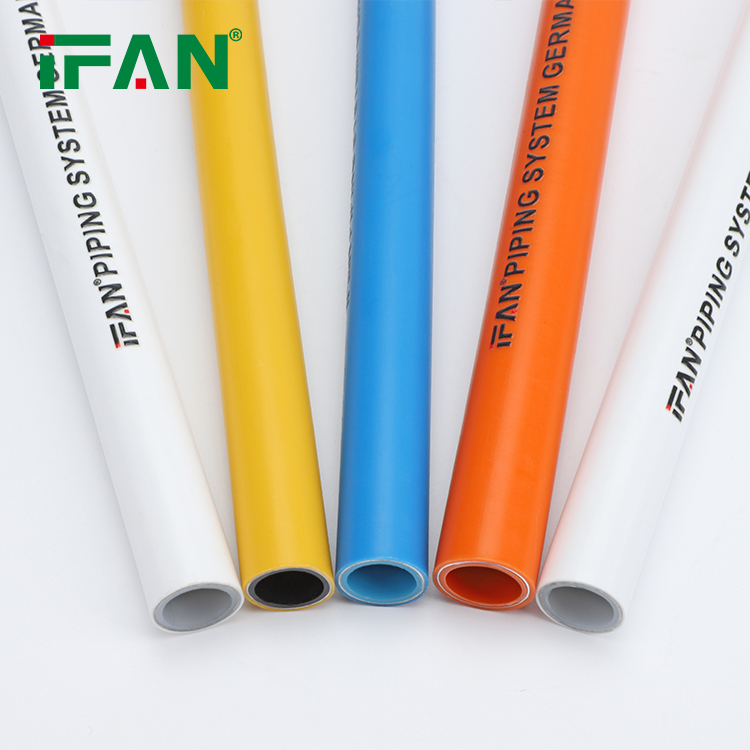
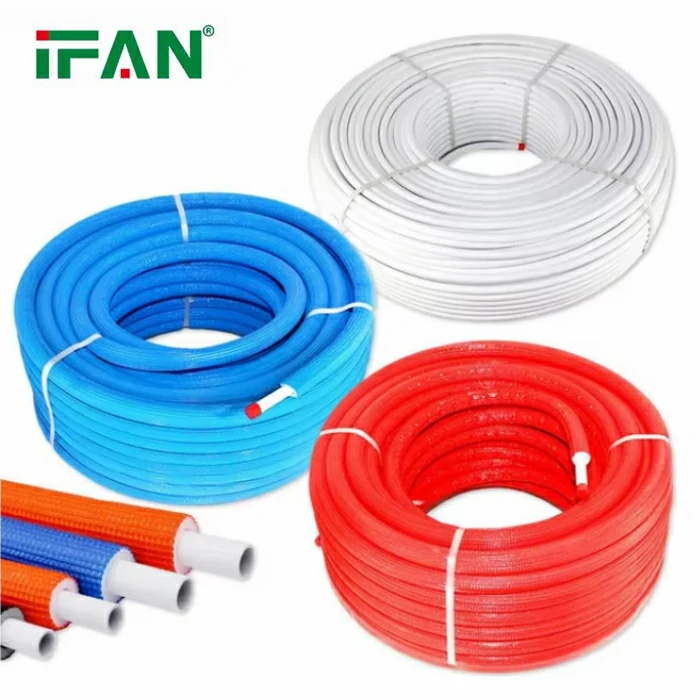
PPR Pipe Fittings: The Solution to Chemical Corrosion in Plumbing Systems
Plumbing systems are an important part of any building’s infrastructure, but they are also vulnerable to chemical corrosion. Chemical corrosion can cause leaks, blockages, and even major infrastructure damage that can be costly to repair. However, PPR pipe fittings have emerged as the ultimate solution to chemical corrosion in plumbing systems.
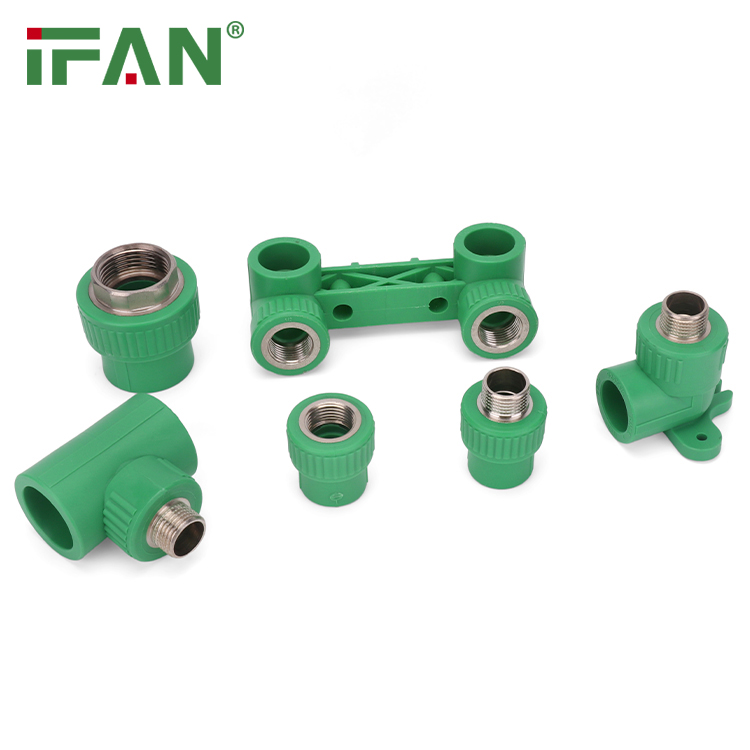
PPR pipe fittings are made from a type of plastic that is highly resistant to chemical corrosion. This makes them an ideal choice for buildings where plumbing systems are exposed to harsh chemicals or environments. Even after years of use, PPR pipe fittings maintain their strength and integrity, preventing leaks and blockages from occurring.
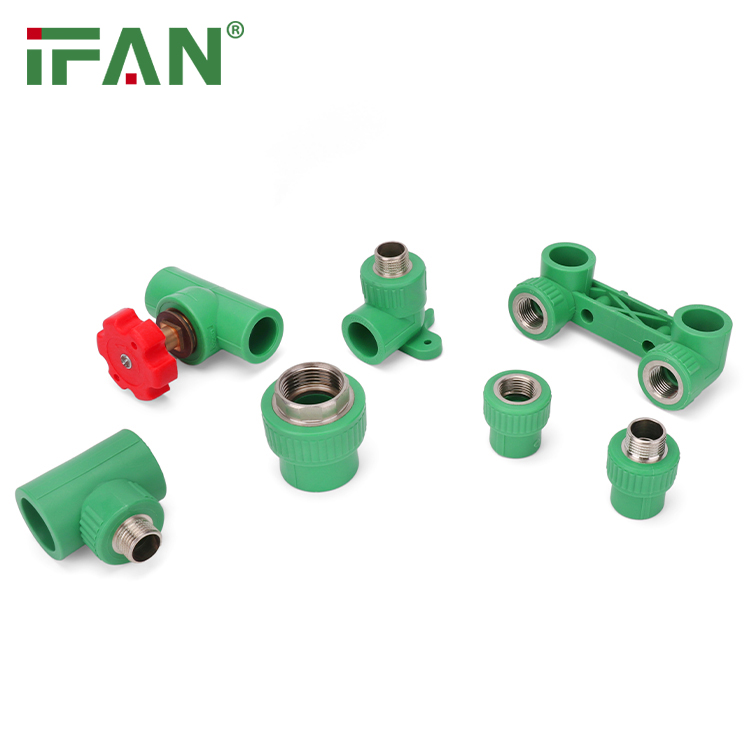
Another benefit of PPR pipe fittings is their ability to withstand high temperatures. They are capable of withstanding temperatures of up to 95 degrees Celsius without losing their shape or chemical resistance. This makes them ideal for hot water systems and other applications where high temperatures are involved.
PPR pipe fittings are also easy to install and use. They are lightweight and flexible, which makes them easy to handle during installation. They can be cut to size, eliminating the need for complicated fittings or connectors. Additionally, they are easy to clean, which helps maintain the hygiene of plumbing systems.
Another important benefit of PPR pipe fittings is their ability to reduce water waste. They have smooth interior surfaces that prevent the buildup of contaminants and debris. This reduces the need for maintenance and also ensures that water flow is not interrupted. As a result, water waste is minimized, leading to cost savings for the building owner.
In conclusion, PPR pipe fittings have emerged as the ultimate solution to chemical corrosion in plumbing systems. They offer superior resistance to harsh chemicals and high temperatures, making them an ideal choice for buildings where plumbing systems are exposed to such conditions. Additionally, they are easy to install and use, reducing the need for maintenance. Finally, they help reduce water waste, leading to cost savings for building owners.