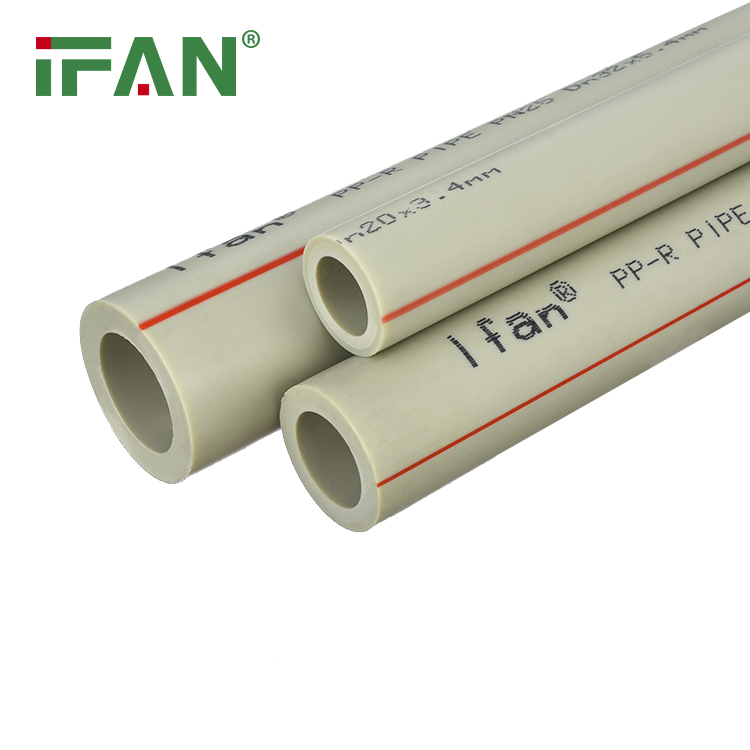
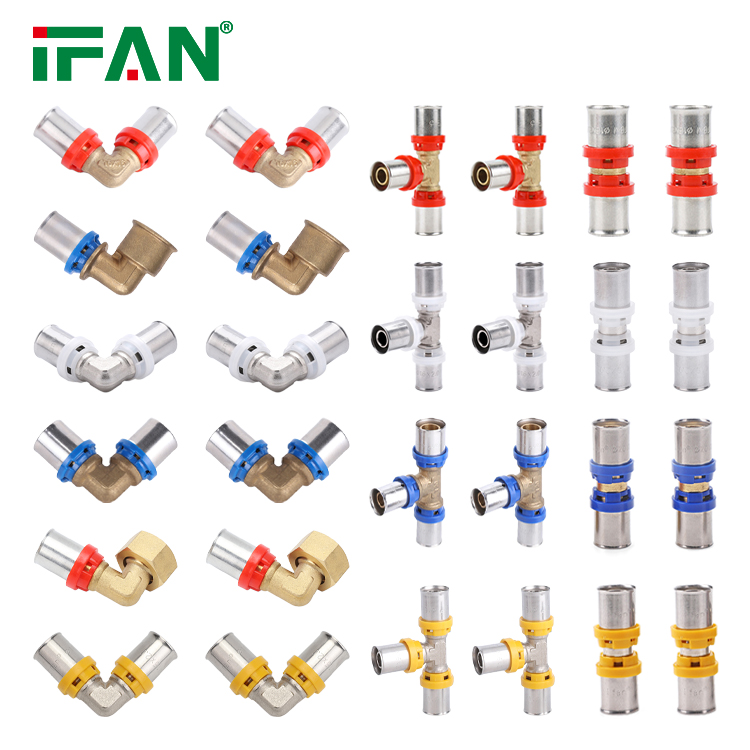
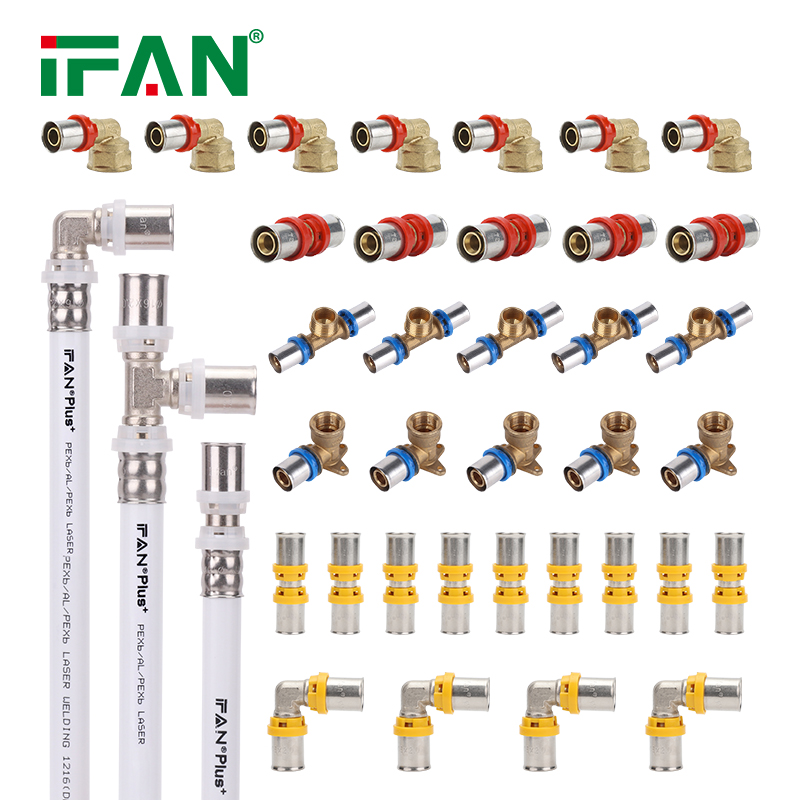
PPR pipe, also known as Polypropylene Random Copolymer Pipe, has revolutionized the plumbing industry by offering a combination of durability, flexibility, and efficiency. In this comprehensive overview, we explore the unique benefits of PPR pipe, its innovative applications, and the factors that make it a standout choice for modern plumbing systems.
Durability Beyond Compare
PPR pipe is renowned for its exceptional durability. Its polypropylene material is highly resistant to corrosion, chemicals, and abrasion, ensuring long-lasting performance even in harsh environments. The material’s unique molecular structure also makes it resistant to cracking and breaking, ensuring reliable operation for years to come.
Flexibility for Versatile Installations
One of the standout features of PPR pipe is its remarkable flexibility. Unlike rigid metal pipes, PPR pipe can be easily bent and shaped to fit complex layouts and tight spaces. This flexibility significantly reduces the need for fittings and connections, simplifying installation and reducing labor costs.
Efficiency in Performance and Installation
PPR pipe offers superior efficiency in both performance and installation. Its smooth interior surface reduces friction losses, allowing for faster fluid flow and lower energy consumption. Additionally, PPR pipe’s lightweight design and easy handling make installation quick and straightforward, minimizing downtime and maximizing productivity.
Eco-Friendly and Sustainable
PPR pipe is a sustainable and eco-friendly choice for plumbing systems. Its polypropylene material is fully recyclable, reducing waste and environmental impact. Additionally, PPR pipe requires less energy to produce compared to traditional metal pipes, further reducing its carbon footprint.
Innovative Applications for Modern Plumbing
PPR pipe’s unique properties make it ideal for a wide range of innovative applications in modern plumbing systems. It is commonly used in hot and cold water distribution, heating and cooling systems, and even in industrial processes that require the transportation of chemicals and other fluids. PPR pipe’s durability and flexibility allow it to handle a variety of fluids and pressures, ensuring reliable operation in diverse environments.
In conclusion, PPR pipe is a revolutionary choice for modern plumbing systems due to its durability, flexibility, efficiency, eco-friendliness, and innovative applications. As the industry continues to evolve, PPR pipe remains a standout contender for reliable and cost-effective plumbing solutions.
Free Sample(Click Here to Get Free Sample)