PPR Pipe: The Versatile Backbone of Modern Piping Solutions

In conclusion, PPR Pipe offers a versatile and reliable solution for modern piping systems. Its unique properties, adaptability, and innovative features make it a preferred choice in various industries and applications.

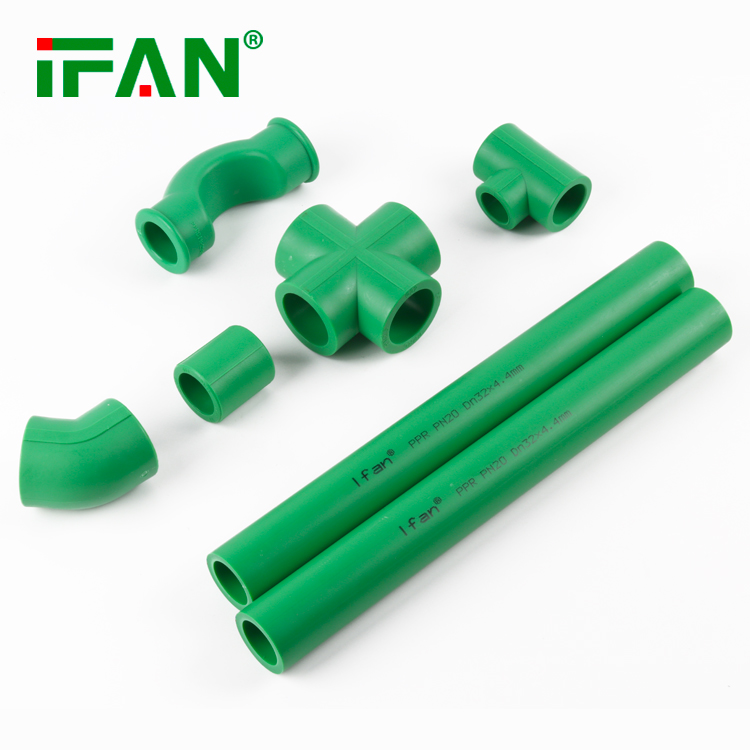
PPR Pipe, also known as PolyPropylene Random Copolymer Pipe, has established itself as a versatile and reliable option for modern piping solutions. Its unique characteristics and adaptability have made it a popular choice in various industries and applications.

Material Composition and Properties

PPR Pipe is composed of PolyPropylene Random Copolymer, a thermoplastic material with exceptional properties. It boasts high resistance to chemicals, heat, and pressure, ensuring durability and longevity. Additionally, PPR Pipe is lightweight yet sturdy, making it easy to transport, handle, and install.

Versatility in Applications

PPR Pipe is highly versatile and finds applications in diverse industries. In the construction sector, it is widely used for hot and cold water supply systems, drainage, and central heating. Its chemical resistance makes it suitable for chemical processing and industrial fluid transfer. Moreover, PPR Pipe is also gaining popularity in agricultural irrigation systems due to its durability and resistance to harsh weather conditions.

Innovative Features

PPR Pipe comes with several innovative features that set it apart from other piping materials. Its smooth inner surface reduces the risk of blockages and ensures efficient fluid flow. The material’s flexibility allows for easier installation in tight spaces and curved layouts. Furthermore, PPR Pipe is environmentally friendly and recyclable, contributing to a sustainable future.

Installation and Maintenance

Installing PPR Pipe is a relatively straightforward process. It is typically joined using thermal fusion methods, which create strong and leak-proof joints. Proper installation ensures the long-term performance and reliability of the piping system. Maintenance of PPR Pipe is also minimal, with regular inspections and cleaning sufficient to maintain its optimal performance.

Choosing the Right PPR Pipe

When selecting PPR Pipe, it is crucial to consider the specific requirements of the application. Factors such as operating pressure, temperature range, and chemical compatibility should be taken into account. It is also essential to choose a reputable manufacturer to ensure the quality and reliability of the product.

In conclusion, PPR Pipe offers a versatile and reliable solution for modern piping systems. Its unique properties, adaptability, and innovative features make it a preferred choice in various industries and applications. With proper installation and maintenance, PPR Pipe can provide long-term performance and durability, ensuring the smooth and efficient operation of piping systems.

Free Sample(Click Here to Get Free Sample)
Share:

Facebook
Twitter
Pinterest
LinkedIn

Leave a Comment

Your email address will not be published. Required fields are marked *

On Key

Related Posts

Female vs Male Threaded Brass Ball Valve Configurations

Female vs Male Threaded Brass Ball Valve Configurations

Thread Configuration as a System Design Decision In the specification of brass ball valves, the internal mechanism—the ball, stem, and seats—often receives the most attention. However, the external thread configuration is just as critical to a successful installation. The choice between a female-threaded and a male-threaded valve dictates how the valve integrates with the surrounding

How to Select IFAN Brass Ball Valves by Temperature Rating

The Critical Role of Temperature in Valve Performance Selecting a brass ball valve based solely on pipe diameter and pressure rating is a common oversight that can lead to premature failure. Temperature is an equally decisive factor. As fluids heat up or cool down, the materials within the valve—specifically the brass body, the PTFE seats,

Brass Ball Valve vs Butterfly Valve for Flow Isolation

Brass Ball Valve vs Butterfly Valve for Flow Isolation

Comparing Two Distinct Approaches to Fluid Control When designing a piping system, selecting the right valve for flow isolation is a decision that impacts operational efficiency, maintenance costs, and overall system reliability. Two of the most common choices are brass ball valves and butterfly valves. While both serve the fundamental purpose of starting and stopping

IFAN Brass Ball Valves for Compressed Air Systems

IFAN Brass Ball Valves for Compressed Air Systems

Why Compressed Air Demands a Different Valve Approach Compressed air systems present unique challenges that differ significantly from water plumbing. The fluid is highly compressible, meaning pressure surges and rapid changes in flow are common. Additionally, compressed air often contains trace amounts of oil, moisture, and particulate matter that can wear down valve components. Selecting

Inside IFAN Brass Ball Valves: Ball, Stem and Seat Assembly

Inside IFAN Brass Ball Valves: Ball, Stem and Seat Assembly

The Internal Mechanics That Determine Valve Performance The outer body of a brass ball valve provides structural support and connection points, but the actual control of fluid flow happens entirely within its core assembly. The ball, stem, and seats form a unified mechanism that must operate smoothly and seal tightly over thousands of open-and-close cycles.

Get Free Quote NOW