Introduction
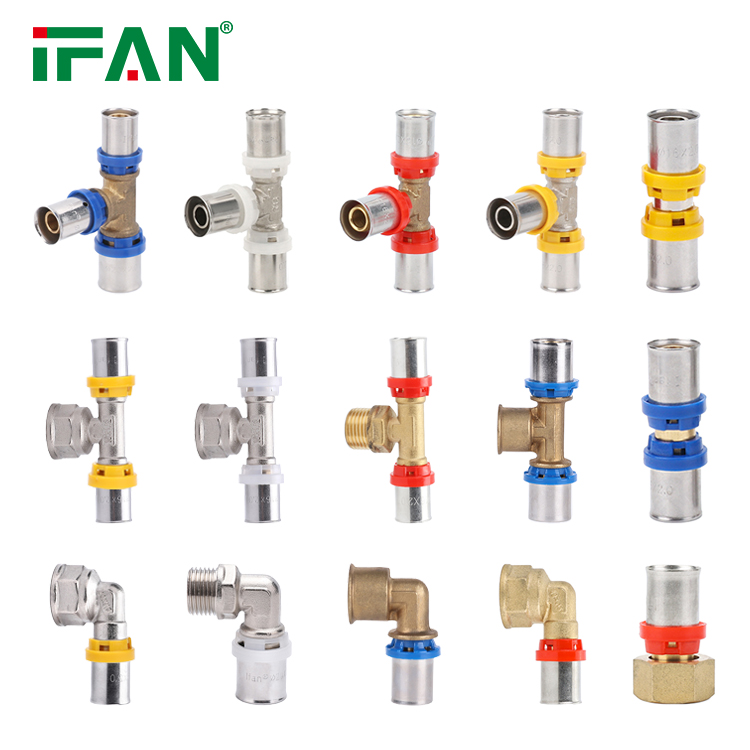
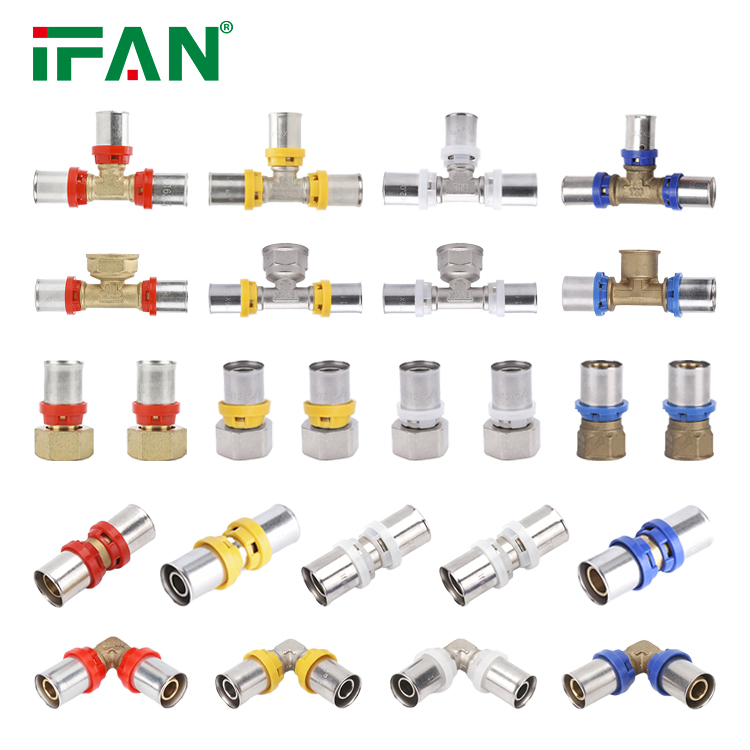
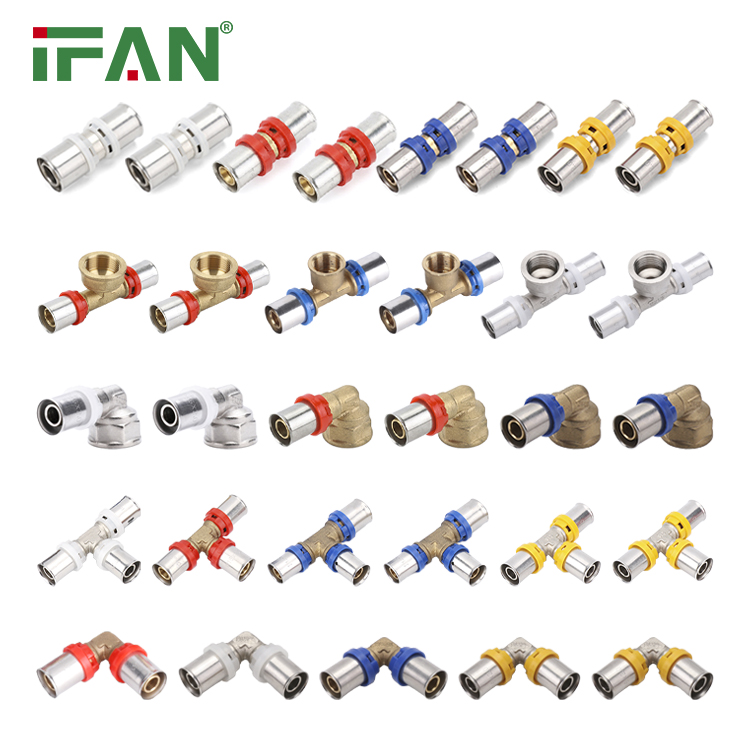
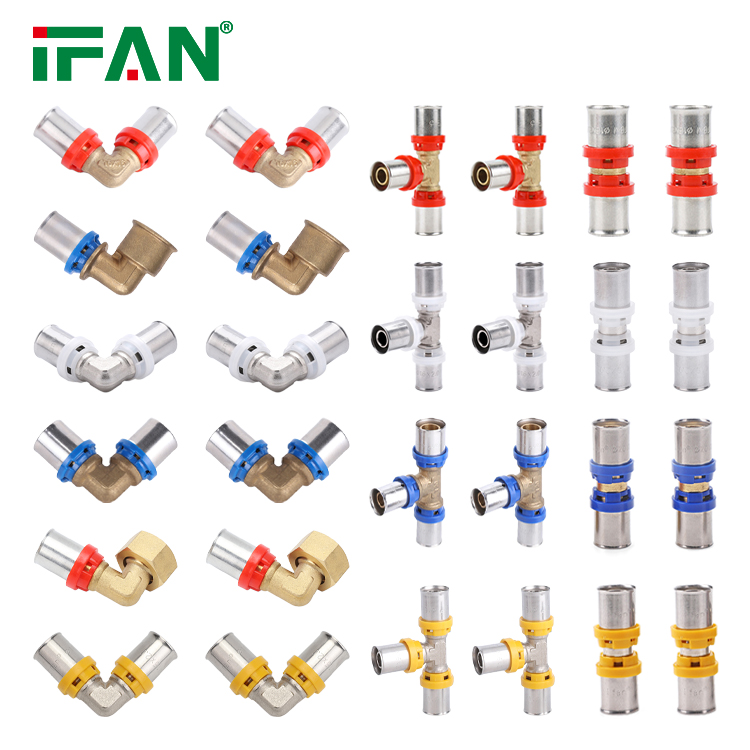
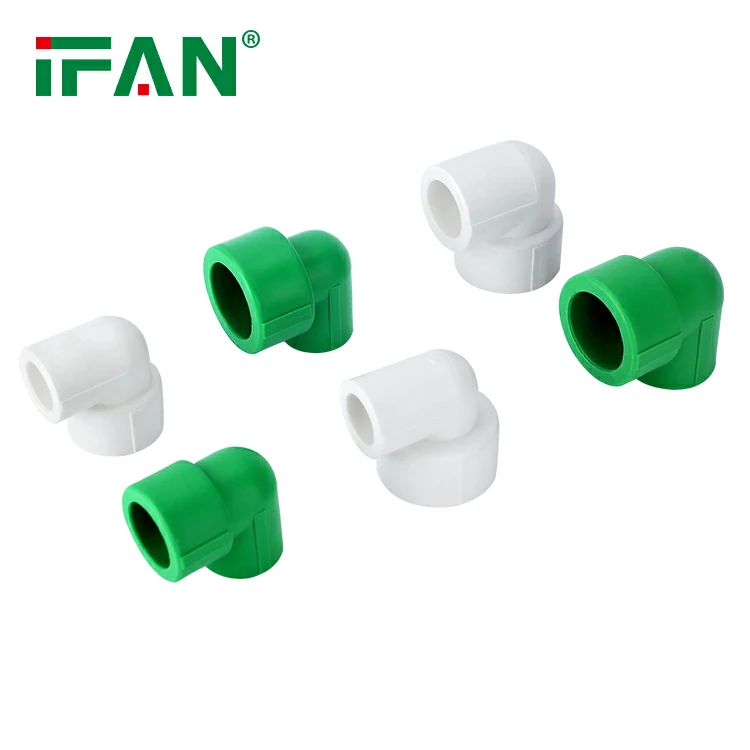
The plumbing industry is undergoing a major transformation with the arrival of high-performance PPR (Polypropylene Random Copolymer) pipes and fittings in the global market. Known for their durability, heat resistance, and eco-friendly properties, PPR fittings are quickly becoming the preferred choice for residential, commercial, and industrial plumbing applications.
This article explores why PPR pipes and fittings are gaining popularity, their key benefits, and how they compare to traditional piping materials like PVC, copper, and galvanized steel.
Why PPR Pipes and Fittings Are Dominating the Market
1. Superior Durability & Longevity
- 50+ years lifespan – Resistant to corrosion, scaling, and chemical damage.
- High-pressure resistance – Rated for PN20 and PN25 systems (20-25 bar).
- Thermal stability – Handles continuous 95°C (203°F) and peak 110°C (230°F) temperatures.
2. Leak-Proof Joints with Heat Fusion Welding
Unlike threaded metal pipes, PPR fittings use heat fusion welding, creating:
✔ Seamless, monolithic connections
✔ Zero leakage risk
✔ Long-term structural integrity
3. Lightweight & Easy Installation
- 50% lighter than metal pipes – Reduces labor and transportation costs.
- No specialized tools needed – Simple welding machines suffice.
4. Eco-Friendly & Safe for Drinking Water
- BPA-free & non-toxic – Certified for potable water.
- Recyclable material – Supports sustainable construction.
5. Cost-Effective Alternative to Metal Pipes
- Lower upfront cost than copper or stainless steel.
- Minimal maintenance – No rust or scaling issues.
Key Applications of PPR Pipes & Fittings
✅ Residential Plumbing – Safe, durable water supply systems.
✅ Commercial Buildings – Hotels, hospitals, and offices.
✅ Industrial Piping – Chemical and high-temperature fluid transport.
✅ HVAC Systems – Reliable hot water circulation.
✅ Agriculture & Irrigation – Corrosion-free water distribution.
Comparison: PPR vs. Traditional Piping Materials
| Feature | PPR | PVC | Copper | Galvanized Steel |
|---|---|---|---|---|
| Lifespan | 50+ years | 25-40 years | 40-70 years | 20-30 years |
| Heat Resistance | 95°C continuous | 60°C max | High | Moderate |
| Corrosion Resistance | Excellent | Good | Moderate | Poor |
| Installation Ease | Very Easy | Easy | Difficult | Difficult |
| Cost | Moderate | Low | High | Moderate |
Market Trends: Why PPR Demand Is Surging
1. Growth in Green Building Projects
- LEED-certified constructions prefer eco-friendly PPR fittings.
2. Replacement of Aging Metal Pipes
- Governments and industries are phasing out lead-based pipes.
3. Expansion in Developing Countries
- Rapid urbanization in Asia and Africa drives PPR adoption.
4. Technological Advancements
- Smart PPR pipes with embedded sensors for leak detection.
Conclusion: The Future of Plumbing Is PPR
With unmatched durability, safety, and cost efficiency, PPR pipes and fittings are revolutionizing modern plumbing systems. As more industries and homeowners recognize their benefits, PPR is set to become the global standard for piping solutions.
Upgrade to PPR today and experience leak-free, long-lasting performance!
FAQs About PPR Pipes and Fittings
1. Are PPR fittings compatible with existing PVC pipes?
Yes, with transition fittings, but heat fusion only works between PPR components.
2. Can PPR pipes be used for outdoor installations?
Yes, if UV-stabilized or insulated to prevent sunlight degradation.
3. How does PPR compare to CPVC for hot water?
PPR handles higher temperatures (110°C vs CPVC’s 93°C) more reliably.
4. What’s the average cost difference between PPR and copper systems?
PPR systems cost 30-50% less installed, with lower maintenance expenses.
5. Where can I buy certified PPR pipes and fittings?
Look for ISO 15874-compliant products at major plumbing suppliers or contact manufacturers directly.
Have more questions? Consult a PPR specialist today!