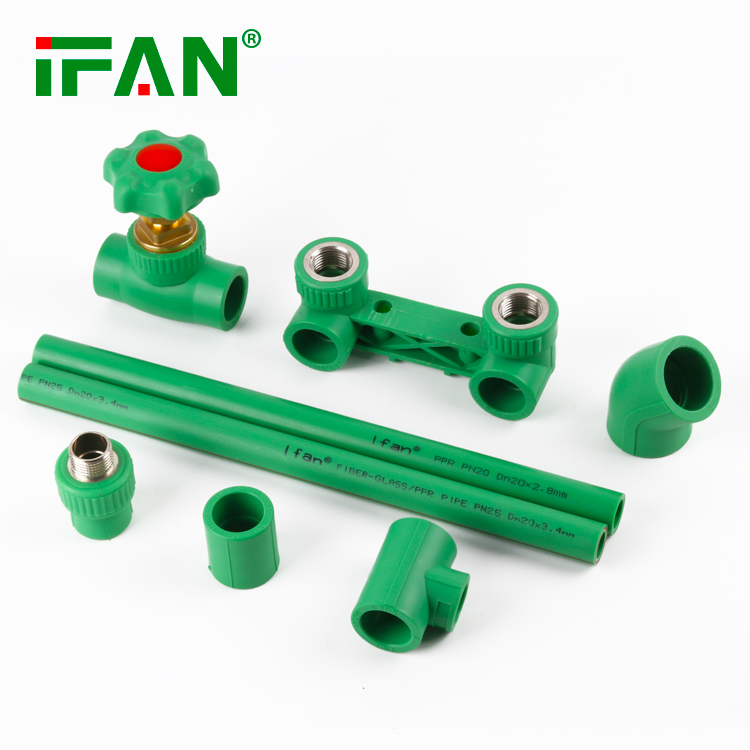
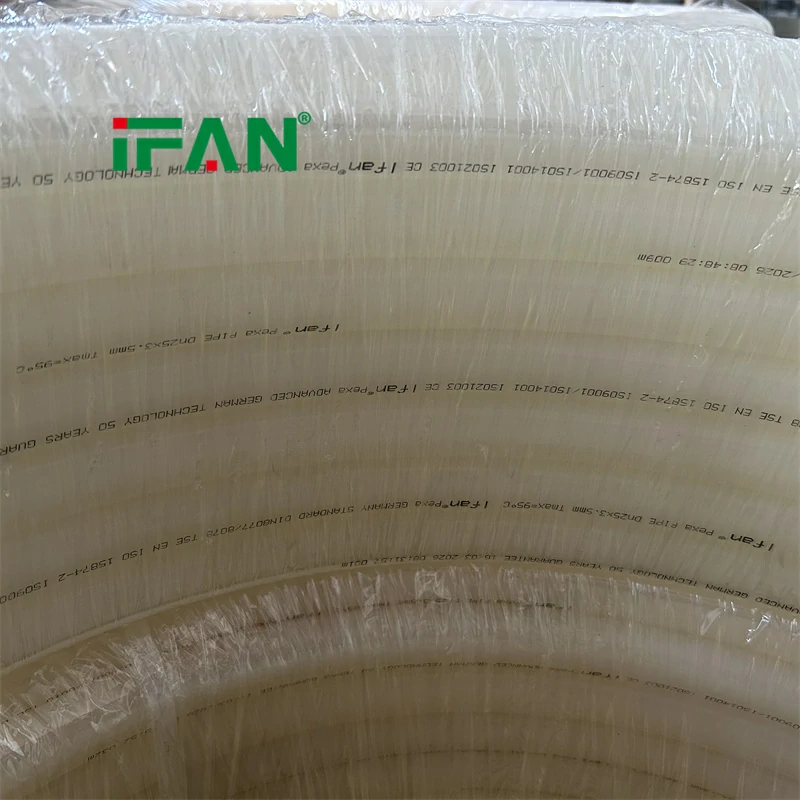
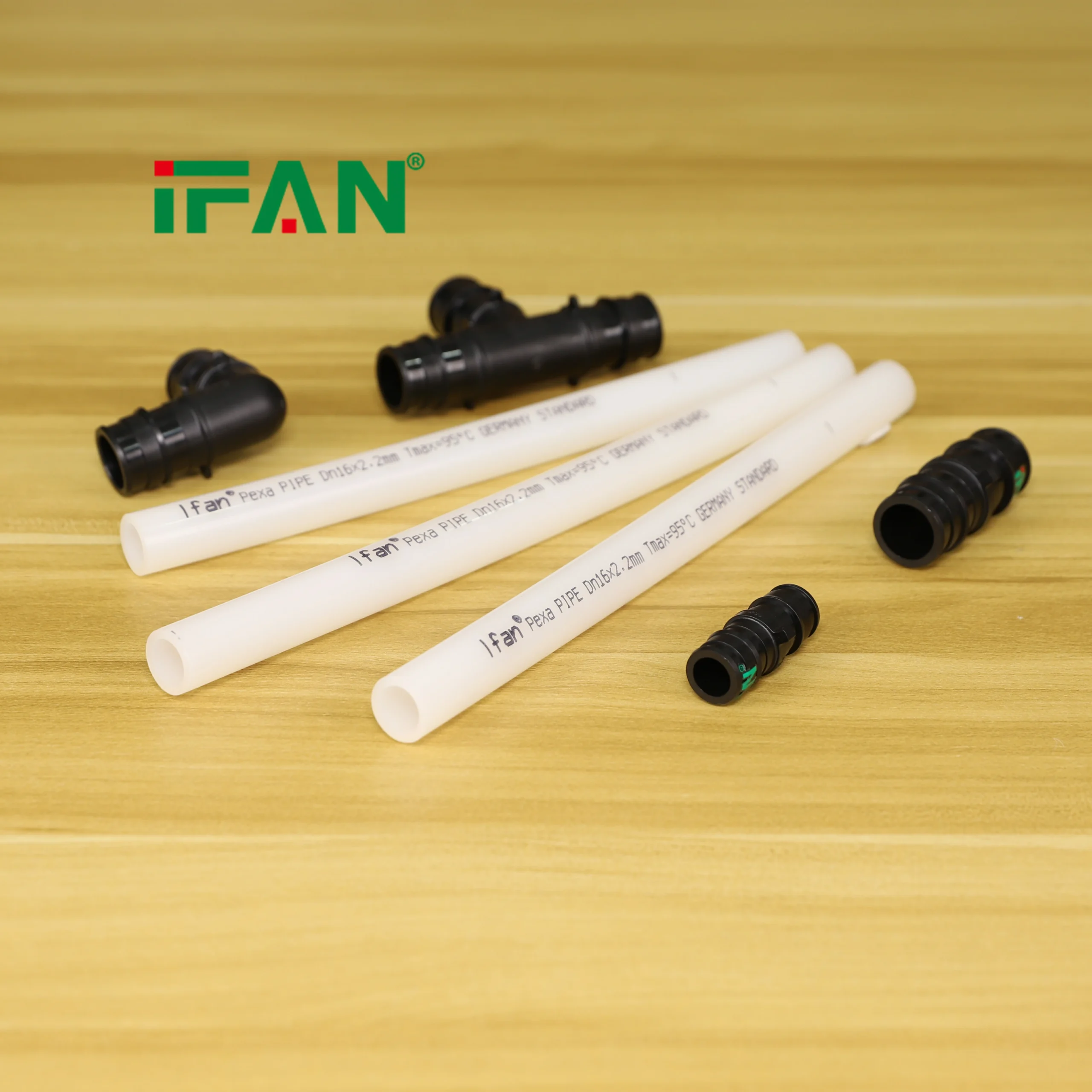
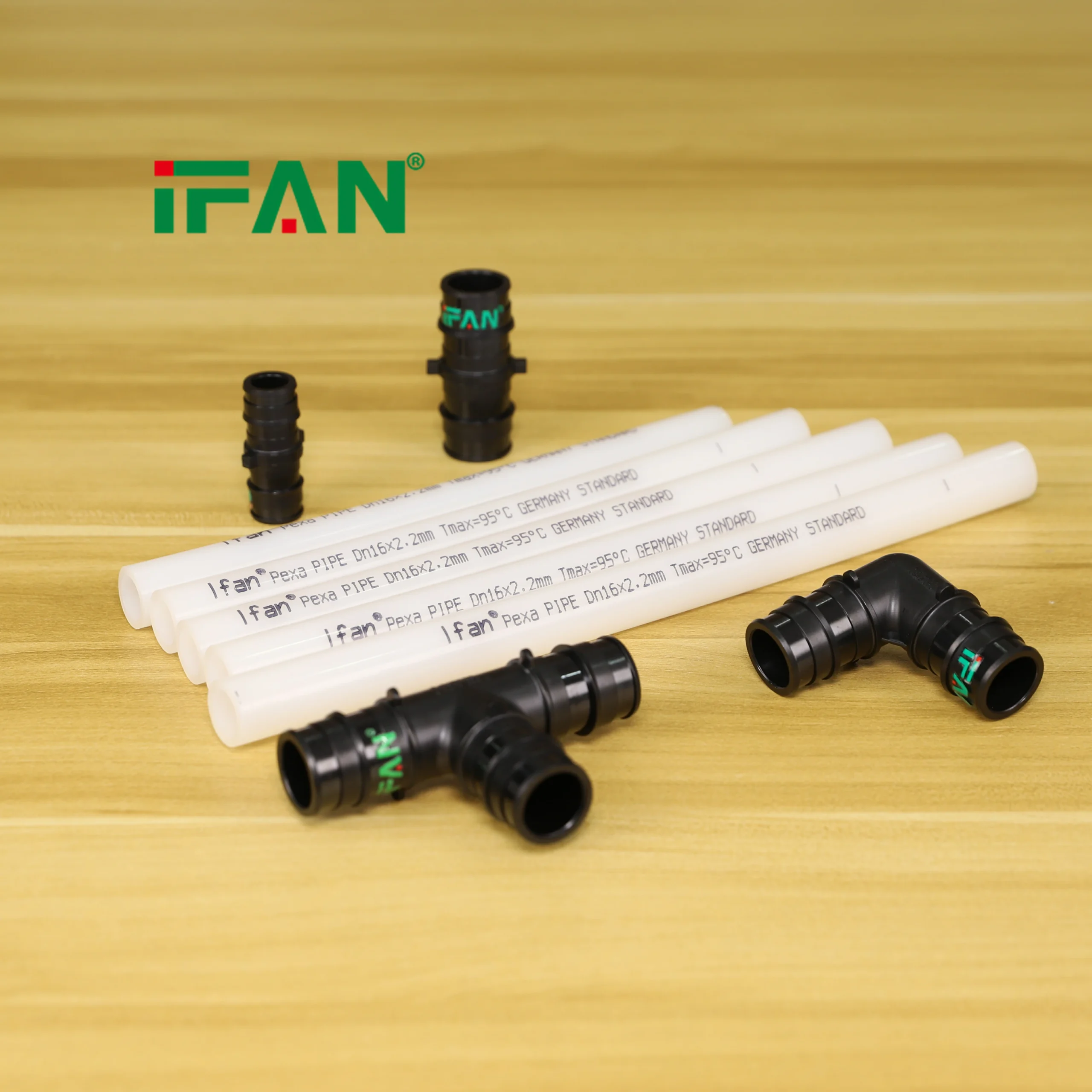
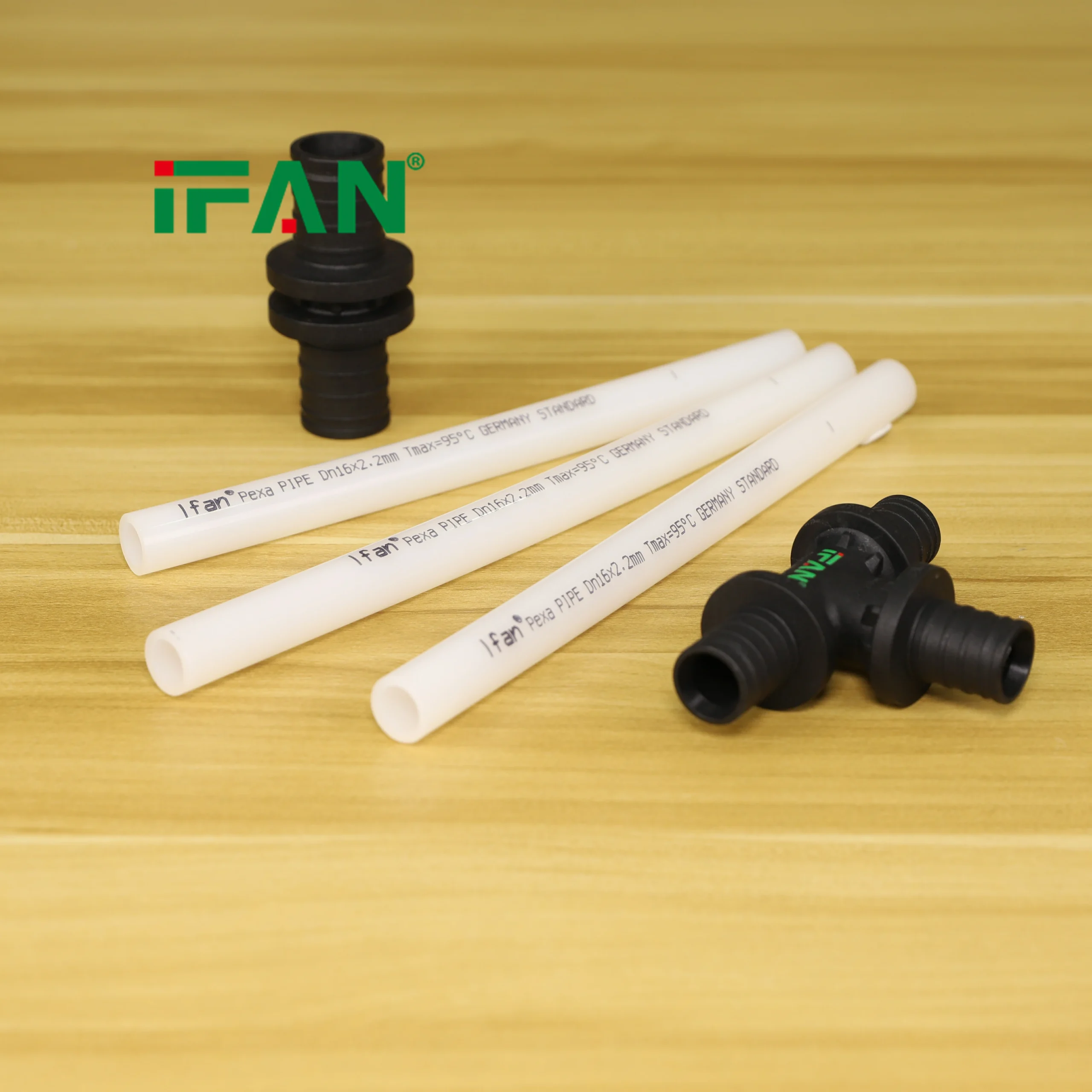
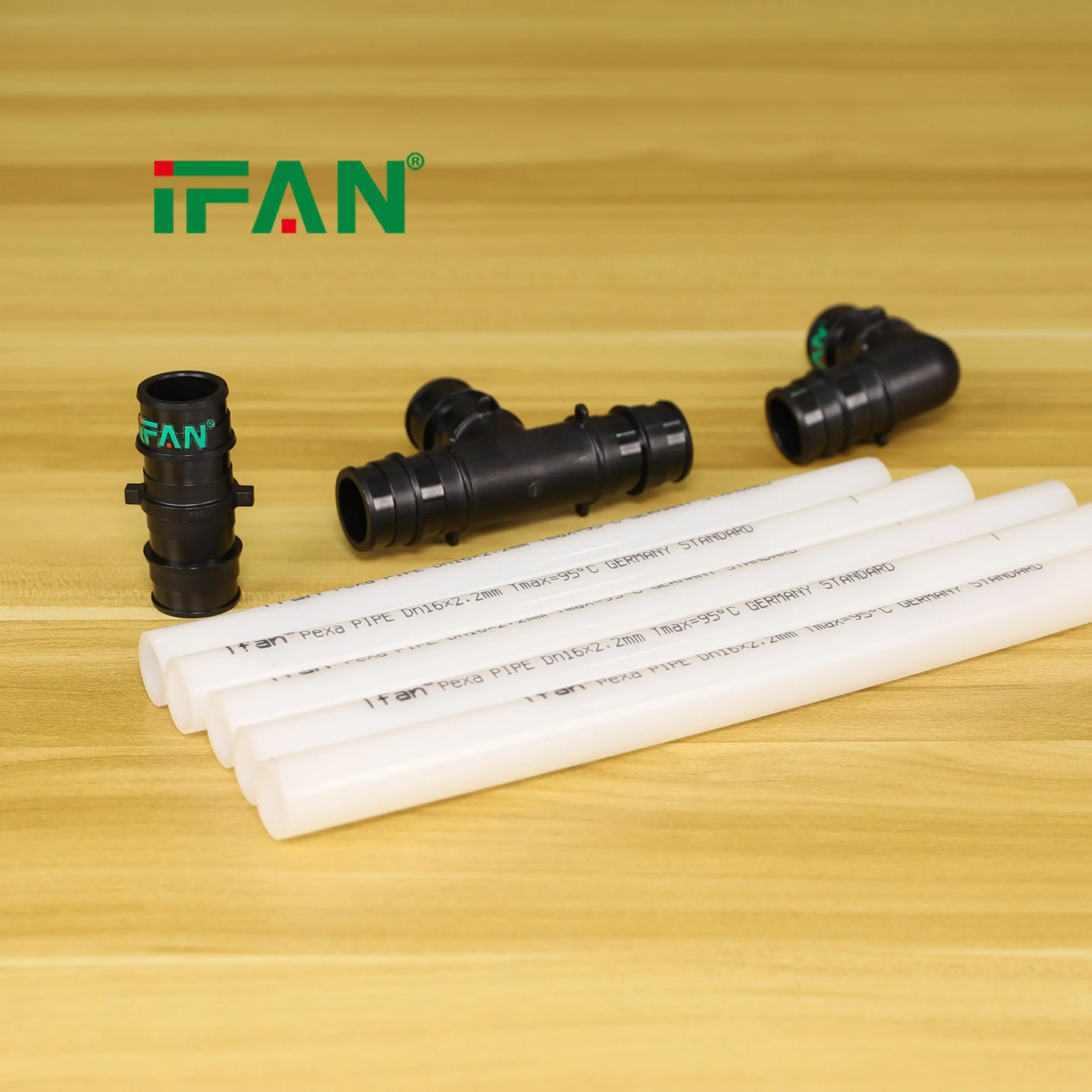
PPR pipes, standing for Polypropylene Random Copolymer Pipes, have revolutionized the modern plumbing industry. This article aims to provide a comprehensive and novel overview of PPR pipes, exploring their unique properties, benefits, applications, as well as installation and maintenance considerations.
Introduction to PPR Pipes
PPR pipes are made from polypropylene random copolymer, a thermoplastic material that offers numerous advantages compared to traditional pipe materials. Its versatility, durability, and ease of installation have made PPR pipes a preferred choice in a wide range of plumbing applications.
Unique Properties of PPR Pipes
PPR pipes exhibit several unique properties that set them apart from other pipe materials. Firstly, they possess excellent chemical resistance, making them suitable for transporting a variety of fluids, including potable water, chemicals, and even hot liquids. This resistance ensures the integrity of the pipe material, preventing degradation or corrosion over time.
Secondly, PPR pipes have a high heat resistance, with a maximum working temperature of up to 95°C. This allows them to be used in hot water systems without any risk of failure or deformation. Additionally, PPR pipes exhibit good dimensional stability, maintaining their shape and size even under extreme conditions.
Furthermore, PPR pipes are lightweight yet strong, offering a high strength-to-weight ratio. This makes them easy to handle, transport, and install, reducing labor costs and installation time.
Applications of PPR Pipes
PPR pipes are widely used in a variety of plumbing applications, both domestic and industrial. In domestic settings, they are commonly found in bathrooms, kitchens, and laundry rooms, where they are used for water supply, drainage, and even gas distribution systems. PPR pipes are also increasingly being used in central heating and cooling systems due to their excellent heat resistance.
In industrial applications, PPR pipes are used in chemical processing plants, pharmaceutical factories, and food and beverage industries. Their chemical resistance and ability to handle hot liquids make them ideal for transporting corrosive chemicals and sanitary fluids.
Installation and Maintenance Considerations
When installing PPR pipes, it is important to follow proper installation procedures to ensure a leak-free and secure system. This includes using the correct pipe fittings and sealants, ensuring that the pipes are properly aligned and supported, and testing the system for leaks after installation. Regular maintenance and inspection of PPR pipe systems are also crucial to ensure their continued performance and reliability.
Conclusion
PPR pipes offer numerous advantages compared to traditional pipe materials, making them a preferred choice in modern plumbing systems. Their unique properties, including chemical resistance, heat resistance, and dimensional stability, as well as their lightweight yet strong construction, make them suitable for a wide range of applications. By following proper installation and maintenance procedures, PPR pipe systems can provide reliable and efficient performance for years to come.
Free Sample(Click Here to Get Free Sample)