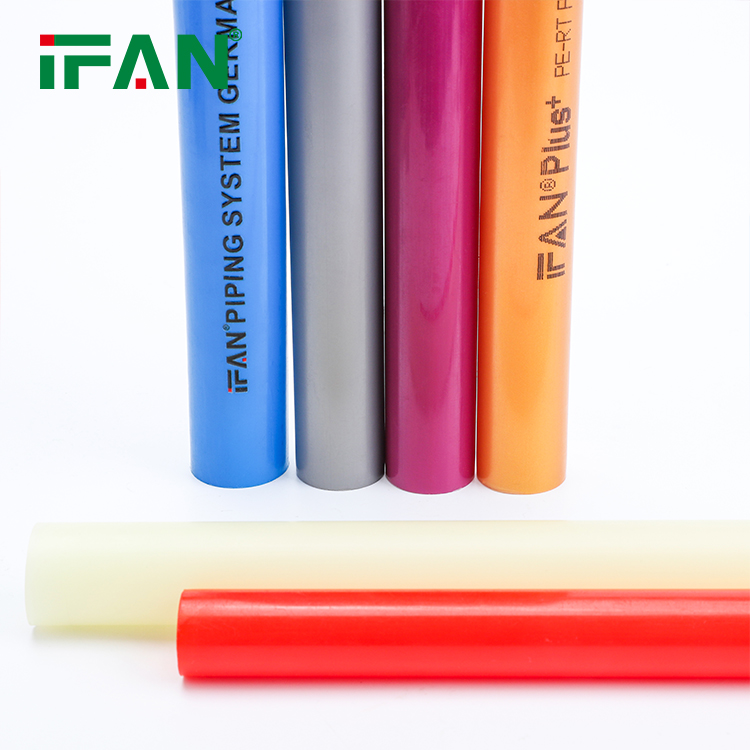
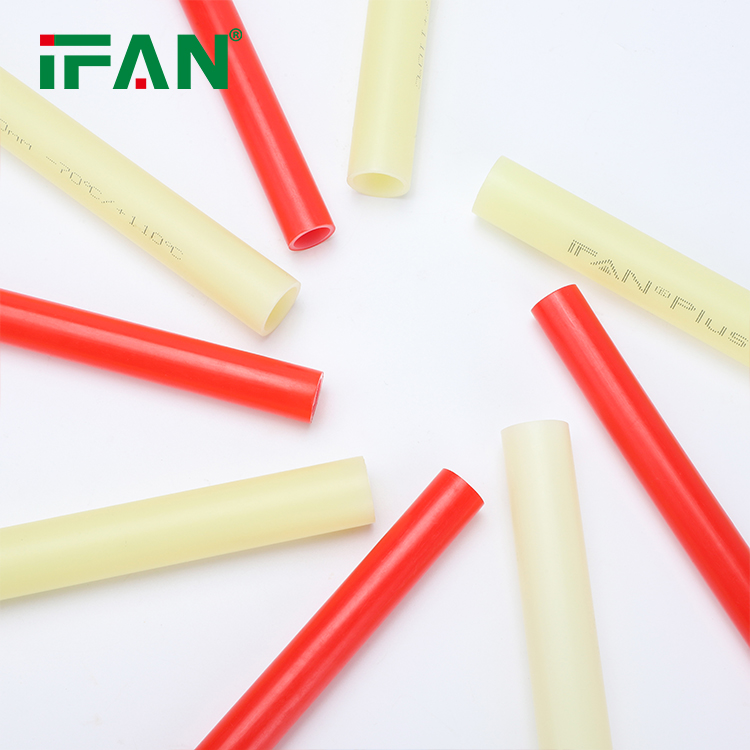
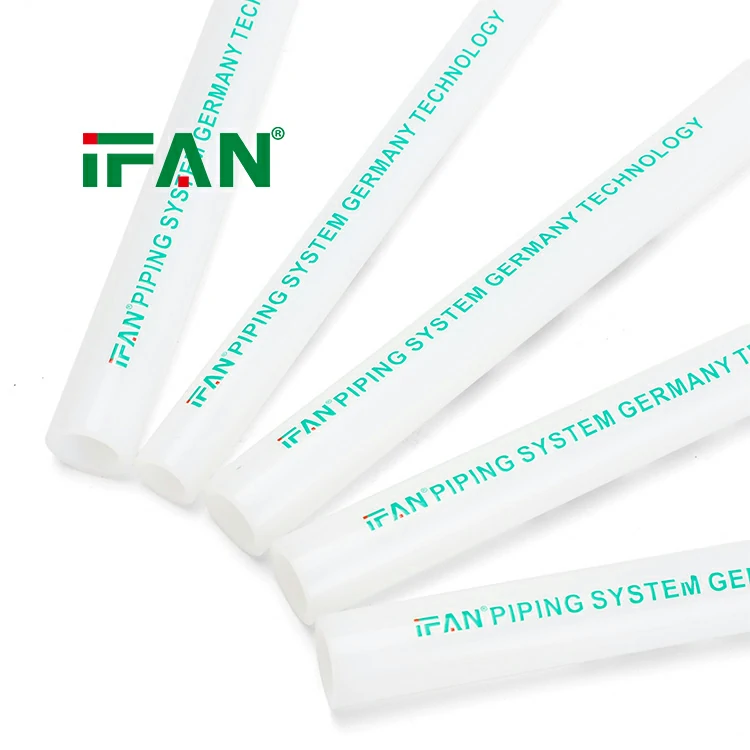
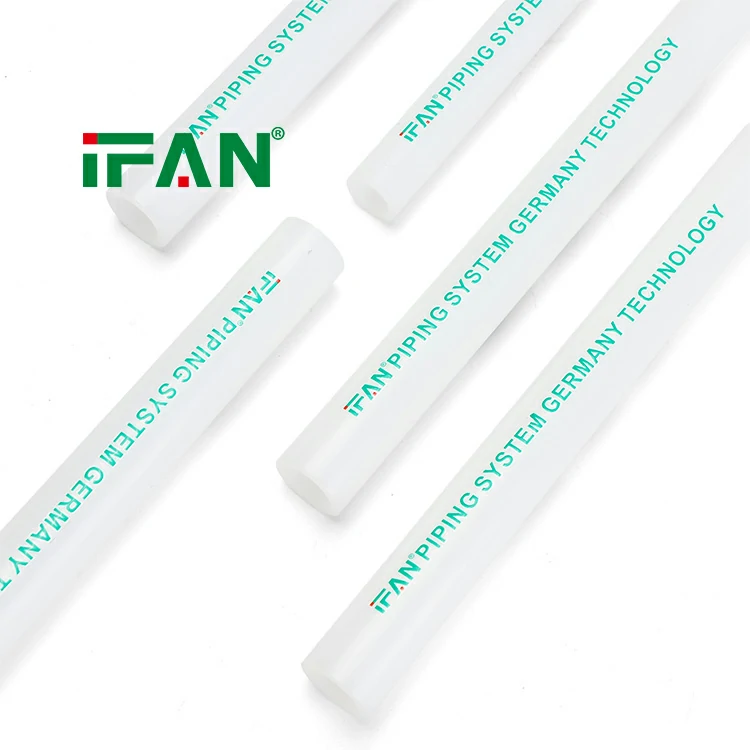
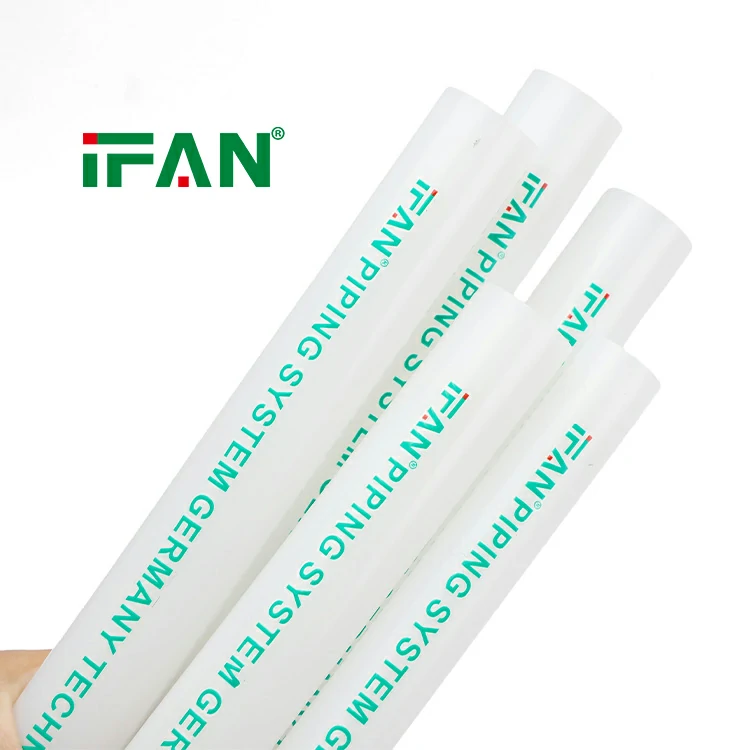
Hydronic radiant heating is a popular choice for residential and commercial buildings. It provides even heat distribution and can improve indoor comfort. Among the available piping materials, PEX-A pipe for hydronic radiant heating stands out for its flexibility, durability, and installation advantages.
PEX-A is made from cross-linked polyethylene. It is designed to handle the demands of modern plumbing and heating systems. Its flexible structure allows installers to create smooth pipe layouts with fewer connections. This can make it a practical option for underfloor heating projects.
For contractors, distributors, and plumbing suppliers, understanding PEX-A pipe helps when selecting materials for different heating applications. The right pipe can support reliable system performance and simplify installation.
What Is PEX-A Pipe for Hydronic Radiant Heating?
PEX-A is a type of cross-linked polyethylene pipe manufactured using the peroxide method. This process creates cross-links between the polymer chains. The resulting structure improves the material’s resistance to heat and mechanical stress.
Hydronic radiant heating systems circulate heated water through pipes installed beneath floors. The heat then transfers through the flooring and into the room. PEX-A pipe is suitable for these systems when its specifications meet the required operating conditions.
Its flexibility makes it easier to arrange heating loops around rooms and other building areas. Installers can also use longer pipe runs to reduce the number of fittings within the floor assembly.
PEX-A pipe is available in different diameters and wall thicknesses. The appropriate size depends on the heating system design, required water flow, and project specifications.
Why Choose PEX-A Pipe for Underfloor Heating?
Underfloor heating requires piping that can withstand repeated heating and cooling cycles. It must also fit the installation layout without unnecessary joints. PEX-A offers several useful characteristics for this purpose.
High flexibility is one of its main advantages. Installers can bend the pipe around corners and follow planned heating circuits. This can reduce installation time on suitable projects.
Good resistance to thermal stress is another benefit. The cross-linked polymer structure helps the pipe maintain its properties under specified operating temperatures.
PEX-A also has good resistance to corrosion and many common chemicals. Unlike metallic pipes, it does not rust when exposed to water. This makes it suitable for closed-loop hydronic heating systems.
Its lightweight construction simplifies transportation and handling. Contractors can move coils around the job site without managing heavy metal piping.
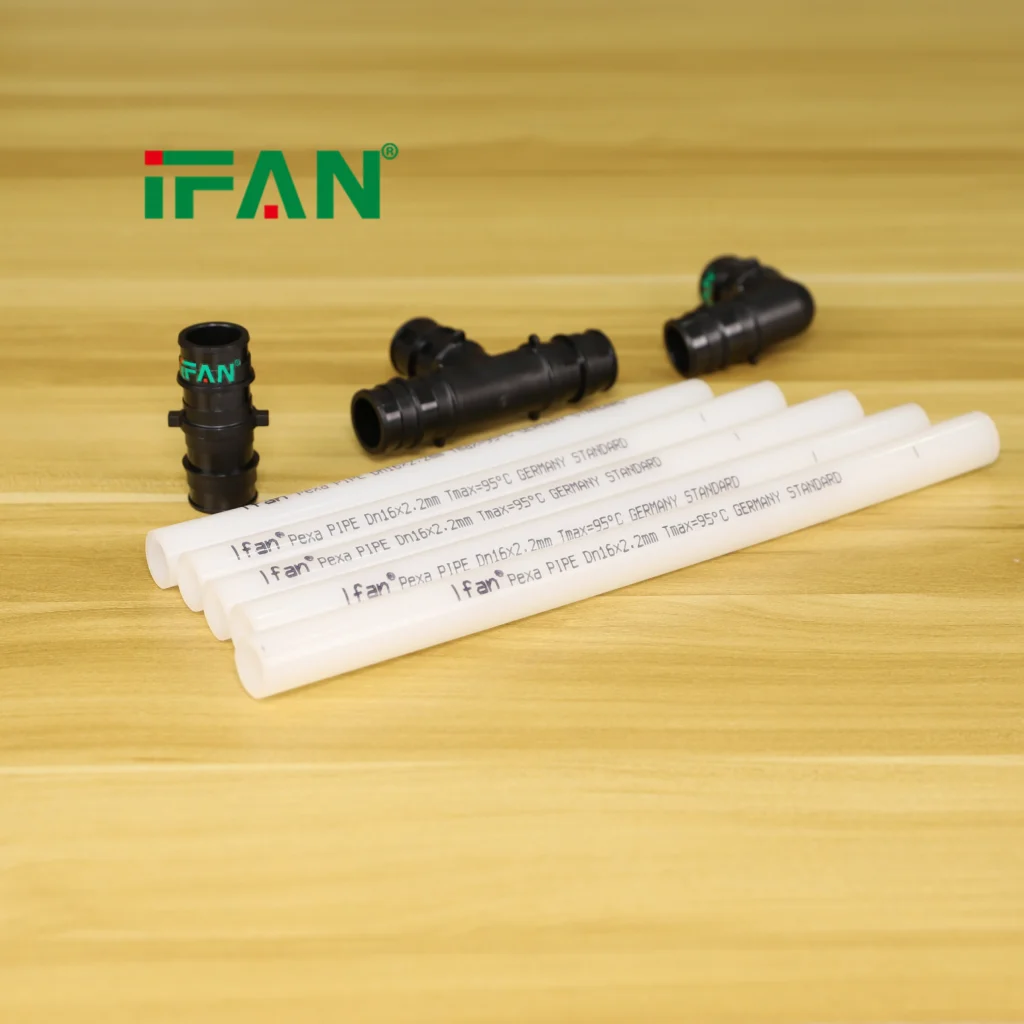
Key Benefits of PEX-A Radiant Heating Pipe
PEX-A pipe offers several benefits for professional heating installations.
Flexible Installation
PEX-A pipe can be routed through complex floor layouts. Its flexibility helps installers create serpentine or spiral heating patterns. These layouts can be adapted to different room shapes.
The ability to use longer continuous lengths can also reduce the number of connections. Fewer concealed joints may lower the risk of leakage when the system is installed correctly.
Resistance to High Temperatures
Radiant heating systems operate with warm water circulating through embedded pipes. PEX-A is designed for heating applications within its rated temperature and pressure limits.
Contractors should check the manufacturer’s technical data before selecting a product. Actual performance depends on operating conditions and the pipe’s specifications.
Durability and Corrosion Resistance
PEX-A does not suffer from the rusting associated with conventional steel pipes. It also offers resistance to scale formation under appropriate water conditions.
These characteristics make it useful for long-term heating installations. Correct system design and water treatment remain important for overall performance.
Shape Recovery
PEX-A has a useful shape-memory characteristic. When the pipe is bent or deformed, it can recover some of its original shape under suitable conditions.
This property can help during installation and may support certain repair procedures. However, installers should follow the manufacturer’s instructions when correcting damaged or excessively bent sections.
PEX-A Pipe in Hydronic Radiant Floor Heating Systems
Hydronic radiant floor heating distributes heat through pipes installed beneath the finished floor. The system may use concrete slabs, screeds, or purpose-built floor panels.
PEX-A pipe carries heated water from a manifold through individual heating circuits. The manifold distributes water to different zones and helps regulate system operation.
Pipe spacing affects heat distribution and system response. Closer spacing may be required in areas with higher heating demands. Wider spacing may work in other locations, depending on the design.
Floor construction also matters. Tile, engineered wood, and other finishes have different thermal characteristics. A professional heating designer should consider these factors when calculating pipe spacing and circuit lengths.
PEX-A pipe can work well in many of these installations. The final choice should match the project’s thermal requirements, installation method, and local building standards.
How to Select the Right PEX-A Heating Pipe
Choosing the correct PEX-A pipe involves more than comparing prices. Buyers and contractors should evaluate several technical details before placing an order.
Pipe Size and Dimensions
Common PEX-A heating pipe sizes include 16 mm and 20 mm, although other sizes are available. The correct diameter depends on the required flow rate, circuit length, and system design.
Using an unsuitable pipe size can affect water flow and heating performance. Contractors should follow the design calculations rather than choosing a size based only on availability.
Temperature and Pressure Ratings
Every heating pipe has specified operating limits. These limits determine whether the product is suitable for a particular hydronic system.
Check the manufacturer’s published ratings and relevant certifications. The selected pipe must meet the expected temperature and pressure requirements throughout normal operation.
Oxygen Barrier Requirements
Oxygen can enter certain hydronic systems through polymer pipe walls. This may contribute to corrosion in ferrous components, including some boilers and pumps.
An oxygen-barrier PEX-A pipe can help limit oxygen diffusion. Contractors should confirm whether the system requires an oxygen barrier and select a compliant product.
Fitting Compatibility
PEX-A systems may use compatible expansion fittings or other approved connection methods. The pipe, fittings, and installation tools must work together as specified.
Using incompatible components can compromise joint reliability. Always check the manufacturer’s compatibility requirements before installation.
PEX-A vs. PEX-B for Radiant Heating
PEX-A and PEX-B are both used in plumbing and heating systems. Their main difference is the manufacturing process and resulting material characteristics.
PEX-A generally offers greater flexibility and stronger shape recovery. This can be useful when installing long heating loops or working around tight bends.
PEX-B is often valued for its stiffness and competitive material cost. It can also provide reliable performance when properly specified for radiant heating.
Neither type is automatically the best choice for every project. Contractors should compare pressure ratings, temperature limits, oxygen-barrier options, installation methods, and total project costs.
The most suitable pipe is the one that meets the system requirements and can be installed correctly.
Installation Tips for PEX-A Hydronic Heating Pipe
Proper installation is essential for long-term heating performance. Before laying the pipe, installers should review the heating plan and mark each circuit.
Avoid sharp bends that exceed the manufacturer’s minimum bend radius. Damaged or kinked sections should be handled according to the manufacturer’s repair instructions.
Secure the pipe with suitable clips, rails, or fixing systems. This helps maintain the planned spacing during installation and floor preparation.
Each circuit should be identified clearly at the manifold. This makes commissioning, balancing, and future maintenance easier.
Pressure testing should follow the applicable installation standard and manufacturer’s instructions. The system should also be inspected before the pipes are covered by concrete or flooring materials.
Why Source PEX-A Pipe from a Reliable Manufacturer?
Product consistency is important for plumbing contractors and wholesale distributors. Variations in dimensions, material quality, or production standards can create problems during installation.
A reliable manufacturer should provide clear product specifications and relevant quality documentation. Buyers should also review packaging, available sizes, production capacity, and delivery arrangements.
For distributors, a stable supply can help maintain inventory and support repeat orders. Contractors may also benefit from technical communication when selecting pipe for specific heating projects.
Comparing suppliers on these factors can help buyers make better purchasing decisions. The lowest initial price does not always represent the lowest overall project cost.
IFAN PEX-A Pipe and Plumbing Solutions
IFAN supplies plumbing products for residential, commercial, and building service applications. Its product range includes pipes, fittings, valves, and related plumbing components.
For distributors, wholesalers, and professional contractors, IFAN offers manufacturing experience and support for product sourcing. Buyers can discuss available specifications, packaging options, and project requirements with the company.
When sourcing PEX-A pipe for hydronic radiant heating, confirm the available product structure, dimensions, temperature and pressure ratings, and oxygen-barrier requirements. These details help ensure that the selected pipe matches the intended application.
If you are looking for a dependable plumbing product supplier, contact IFAN to discuss heating pipe solutions, factory pricing, and sample availability.
Conclusion
PEX-A pipe is a practical option for many hydronic radiant heating systems. Its flexibility, thermal resistance, and shape recovery can simplify installation and support efficient pipe routing.
Successful results depend on more than the pipe material alone. Correct sizing, suitable fittings, proper circuit design, and professional installation all contribute to system reliability.
Contractors and distributors should evaluate product specifications before making a purchasing decision. By selecting suitable PEX-A pipe and following established installation practices, they can build heating systems that meet project requirements and deliver consistent performance over time.
For businesses seeking plumbing products for heating and water supply applications, IFAN is a supplier worth considering. Its product range and manufacturing capabilities can support different sourcing needs across the plumbing industry.