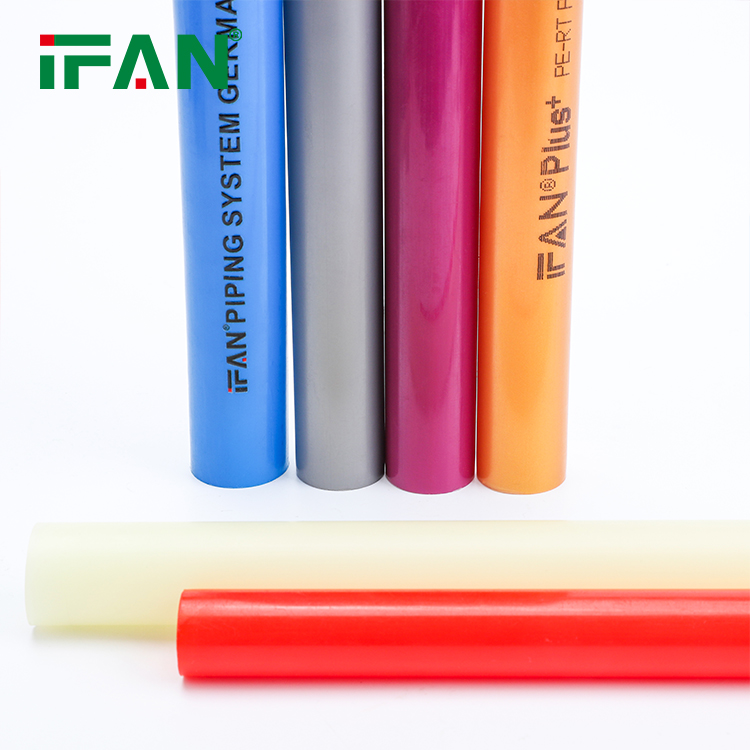
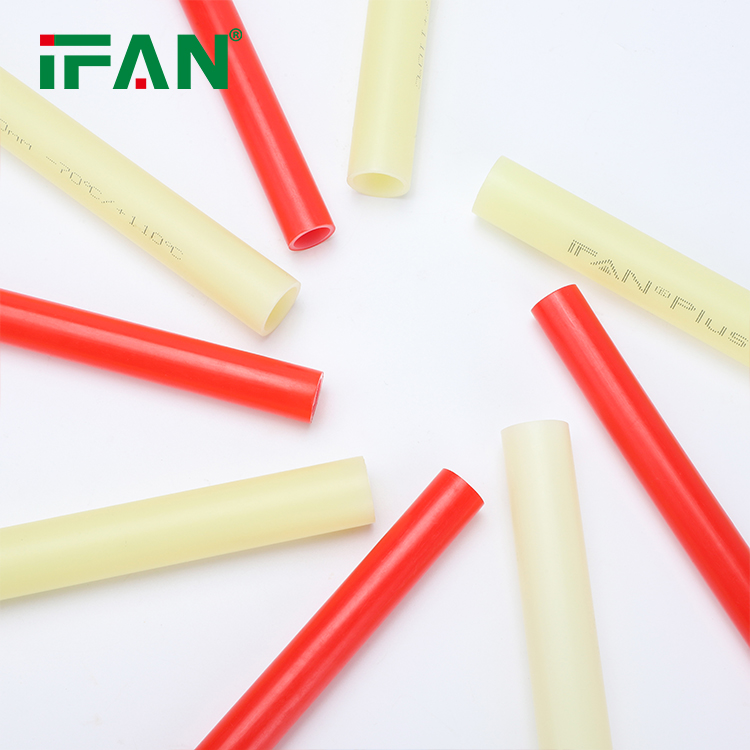
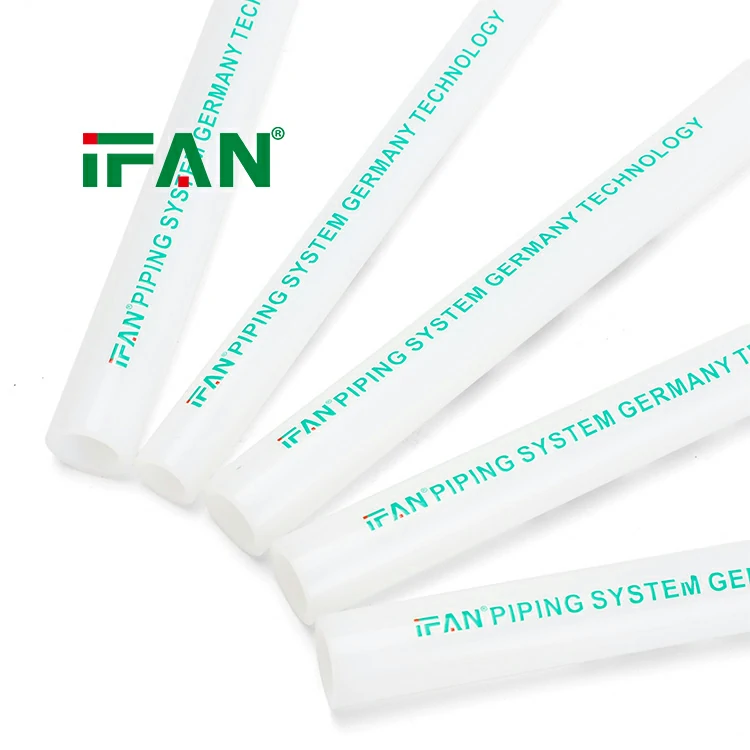
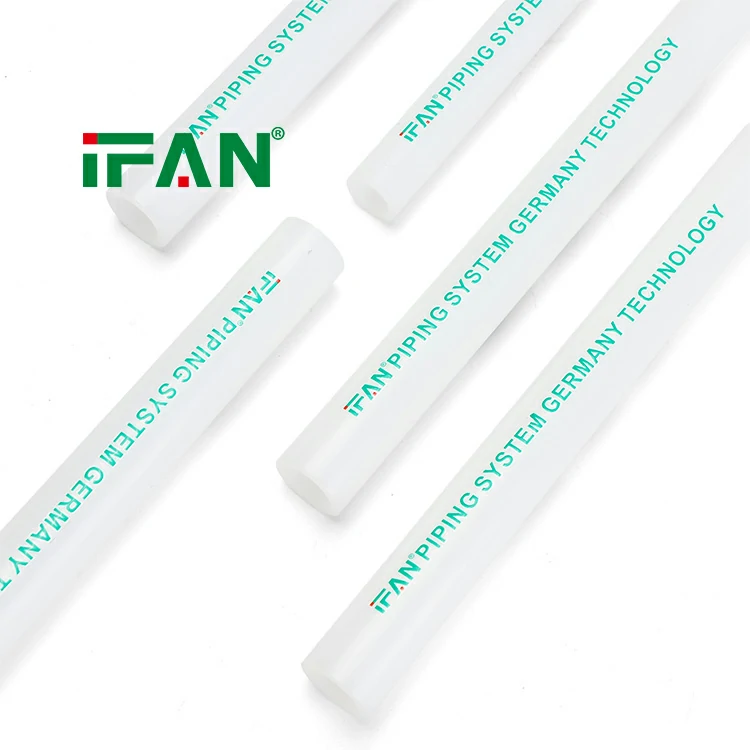
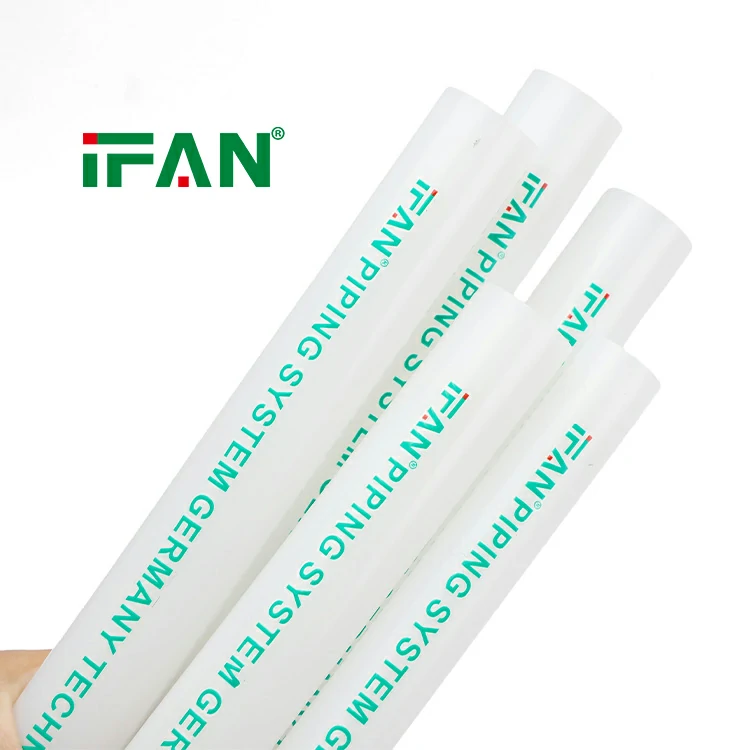
PEX-A pipe with an oxygen barrier is a popular choice for modern hydronic heating systems. It combines the flexibility of cross-linked polyethylene with a protective layer that limits oxygen diffusion. This feature makes it suitable for many residential and commercial heating applications.
Heating contractors need piping materials that can handle repeated temperature changes. The pipe must also support reliable water circulation throughout the system. PEX-A oxygen barrier pipe helps meet these requirements when selected and installed according to the manufacturer’s specifications.
From underfloor heating to radiator connections, this pipe offers practical advantages for professional installers. Understanding its structure, performance, and applications can help buyers choose the right product for their projects.
What Is PEX-A Pipe with an Oxygen Barrier?
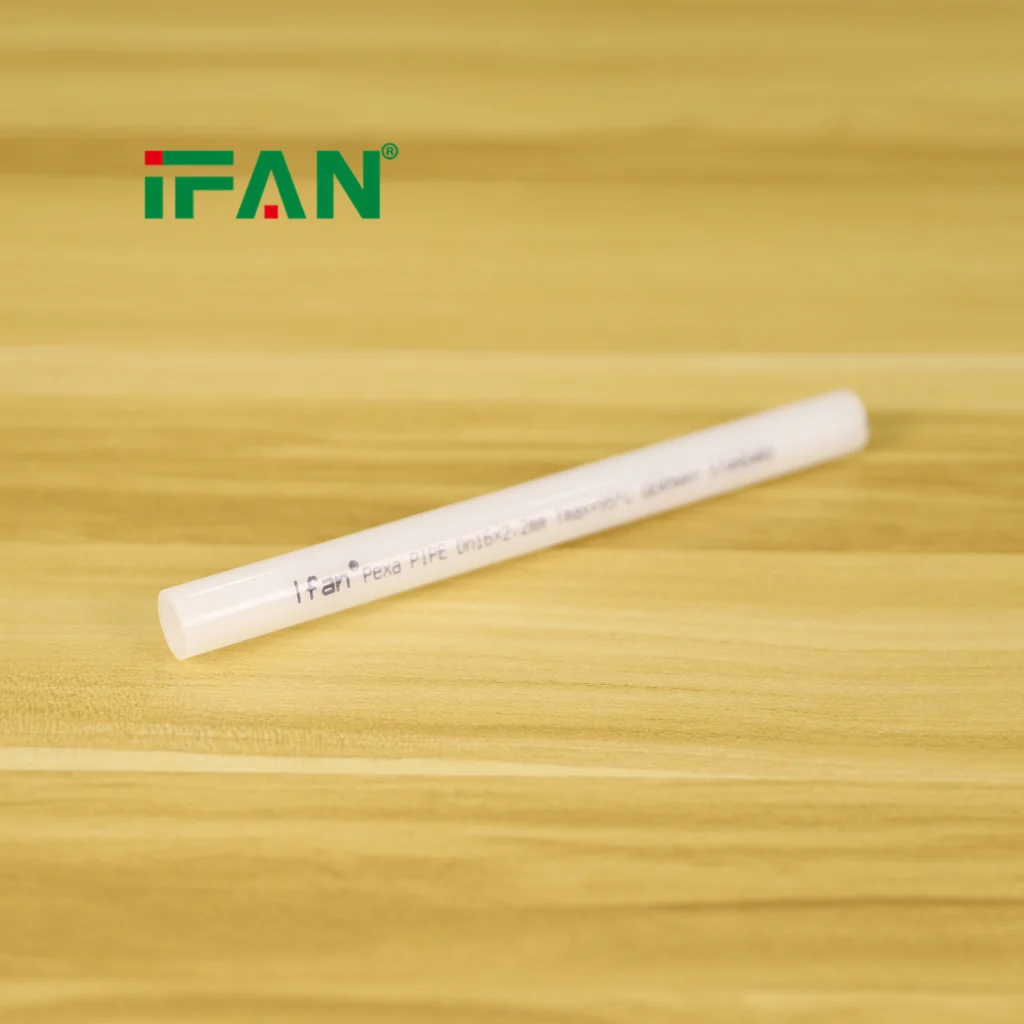
PEX-A pipe is made from cross-linked polyethylene. The cross-linking process improves the material’s resistance to heat and mechanical stress. It also gives the pipe excellent flexibility for installation in complex layouts.
An oxygen barrier is an additional layer designed to reduce the movement of oxygen through the pipe wall. Depending on the product design, this barrier may use a specialized polymer material, such as EVOH.
In a closed-loop heating system, oxygen can enter the circulating water through permeable pipe walls. Dissolved oxygen may contribute to corrosion in metal components. These components can include steel boilers, iron circulators, and other metallic parts.
The oxygen barrier helps limit this process. It supports the protection of compatible heating equipment and can help maintain system reliability.
Why Oxygen Barrier PEX-A Pipe Matters
Many hydronic heating systems contain both polymer pipes and metal components. These parts must work together under changing operating conditions. Oxygen control is therefore an important consideration when selecting heating pipe.
Helps Reduce Oxygen Diffusion
Standard PEX pipe allows some oxygen to pass through its wall. The amount depends on the pipe material, construction, and operating conditions.
PEX-A pipe with an oxygen barrier significantly limits this diffusion when the product is properly manufactured. Lower oxygen entry can reduce one source of corrosion within a closed heating circuit.
However, an oxygen barrier does not eliminate every possible source of oxygen. System design, water quality, filling procedures, and maintenance also affect long-term performance.
Supports Heating System Components
Corrosion can affect pumps, heat exchangers, steel panels, and other metal components. Corrosion products may accumulate in the system and interfere with normal operation.
Using oxygen barrier pipe helps reduce one contributing factor. This can support the service life of compatible heating equipment when combined with correct system design and maintenance.
Improves Material Compatibility
Heating systems often combine plastic pipes with metal distribution equipment. The pipe must meet the operating requirements of the complete system.
Oxygen barrier PEX-A is designed for applications where oxygen diffusion needs to be controlled. Contractors should confirm the required oxygen permeability limits and applicable standards before installation.
Main Benefits of PEX-A Oxygen Barrier Pipe
PEX-A oxygen barrier pipe offers several useful properties for professional heating installations.
High flexibility: The pipe can follow curved routes around rooms and structural obstacles. This helps simplify installation and reduce unnecessary fittings.
Good thermal performance: PEX-A pipe is designed for hot water applications within its specified temperature and pressure limits. It can support many hydronic heating designs.
Reduced oxygen permeability: The barrier limits oxygen diffusion through the pipe wall. This helps protect metal components in closed-loop systems.
Shape recovery: PEX-A has strong elastic recovery after bending. This property can help installers manage pipe routing during installation.
Corrosion resistance: The polyethylene material does not rust like conventional steel pipe. Its oxygen barrier also helps address oxygen-related corrosion elsewhere in the heating circuit.
Convenient handling: Coiled pipe is relatively lightweight and can be transported around construction sites with less effort than many rigid piping materials.
These benefits depend on product quality, correct installation, and suitable operating conditions. Contractors should always review technical documentation before specifying a product.
Applications of PEX-A Pipe in Heating Systems
PEX-A oxygen barrier pipe can be used in several types of hydronic heating systems. The selected pipe must meet the design requirements of each application.
Underfloor Heating Systems
Underfloor heating is one of the main applications for oxygen barrier PEX-A pipe. The pipe is installed beneath the floor surface and carries warm water through planned heating circuits.
Its flexibility makes it easier to arrange loops across different room layouts. Installers can also use continuous pipe runs to reduce the number of concealed connections.
Correct loop spacing is essential for even heat distribution. Pipe diameter, circuit length, water temperature, and flow rate must match the heating design.
Radiator Heating Systems
PEX-A oxygen barrier pipe can also connect radiators to a hydronic heating network. Its flexibility helps installers route supply and return lines through floors or walls.
The oxygen barrier is particularly relevant when the system contains ferrous metal components. Proper pipe sizing and connection methods remain essential for reliable performance.
Residential and Commercial Buildings
Apartments, private homes, hotels, and office buildings may use hydronic heating systems. These projects often require piping that is easy to install and suitable for long-term operation.
Oxygen barrier PEX-A pipe provides an option for new construction and selected renovation projects. Contractors should assess the building layout, system pressure, and local regulations before choosing the final specification.
How to Choose the Right PEX-A Heating Pipe
Selecting the correct pipe requires more than comparing diameter and price. Buyers should consider several technical factors.
Working Temperature and Pressure
Heating systems operate under different temperature and pressure conditions. The pipe must be rated for the intended application and expected service conditions.
Check the manufacturer’s technical data for continuous operating limits. Do not rely only on short-term maximum temperature figures.
Oxygen Barrier Performance
The oxygen barrier must meet the requirements of the heating system. Buyers should request technical documentation that explains the barrier construction and relevant permeability test results.
Some systems specify oxygen diffusion limits under defined test conditions. Confirm that the selected product complies with the applicable standard or project specification.
Pipe Diameter and Coil Length
Common pipe diameters vary according to the application and market. Underfloor heating circuits may use different sizes from radiator distribution lines.
Coil length affects handling and the number of required connections. Longer coils can reduce joint requirements, but circuit length must remain within the heating design limits.
Fitting Compatibility
PEX-A pipe may work with approved expansion or other compatible connection systems. Compatibility depends on the pipe dimensions, fitting design, and manufacturer’s instructions.
Using unsuitable fittings can compromise the connection. Always check the approved combination before purchasing materials.
Installation Guidelines for Oxygen Barrier PEX-A Pipe
Correct installation is essential for dependable heating performance. Contractors should follow the pipe manufacturer’s instructions and local building codes.
First, inspect the pipe for cuts, deformation, or other visible damage. Keep the oxygen barrier protected from scratches and excessive abrasion during handling.
Next, use suitable tools to cut the pipe cleanly. Install fittings according to the specified procedure and verify that each connection is secure.
Avoid sharp bends that may damage the pipe. Follow the recommended minimum bending radius and use appropriate pipe supports where necessary.
During installation, keep the pipe away from sharp edges and incompatible chemicals. Protect exposed sections from environmental conditions that exceed the product’s stated limits.
After installation, test the system according to the manufacturer’s procedure and applicable regulations. Check all connections before covering the pipe with flooring or other building materials.
PEX-A Oxygen Barrier Pipe vs. Standard PEX Pipe
The main difference is the oxygen barrier layer. Standard PEX pipe may be suitable for applications where oxygen diffusion is not a critical concern.
Oxygen barrier PEX-A pipe is designed for heating circuits that require lower oxygen permeability. This is especially relevant in closed-loop systems containing corrosion-sensitive metal equipment.
Both pipe types can offer flexibility and thermal performance. However, they are not automatically interchangeable in every installation.
Contractors should consider the complete system design rather than selecting pipe based on material type alone. Manufacturer recommendations and local heating standards should guide the decision.
Why Choose IFAN for PEX-A Oxygen Barrier Pipe?
Finding a reliable pipe supplier is important for heating contractors, plumbing distributors, and building material wholesalers. Product consistency and dependable specifications can help simplify project planning.
IFAN supplies plumbing products and piping solutions for a range of water supply and building service applications. Its product portfolio includes pipes, fittings, valves, and related components.
For buyers sourcing PEX-A pipe with an oxygen barrier, IFAN can discuss product specifications, available sizes, packaging, and order requirements. Customers can also inquire about customization options and supply arrangements based on their project needs.
Before placing an order, buyers should confirm oxygen barrier performance, temperature and pressure ratings, fitting compatibility, and required certifications. This helps ensure the selected pipe matches the intended heating application.
Contact IFAN to request product information, discuss factory pricing, and explore suitable piping solutions for your next heating project.
Conclusion
PEX-A pipe with an oxygen barrier is a practical solution for many modern hydronic heating systems. Its flexible construction supports efficient installation, while the barrier helps limit oxygen diffusion into circulating water.
These features make it suitable for underfloor heating, radiator connections, and other compatible heating applications. Correct product selection remains essential for reliable performance.
Contractors should check operating ratings, oxygen permeability, pipe dimensions, fitting compatibility, and applicable standards before installation. Proper system design and maintenance are equally important.
For distributors, wholesalers, and professional installers, IFAN offers plumbing products and sourcing support for different project requirements. Choosing a suitable oxygen barrier PEX-A pipe can help support efficient installation and dependable heating system operation.