IFAN factory 30+ years manufacture experience support color /size customization support free sample.Welcome to consult for catalog and free samples.This is our Facebook Website:www.facebook.com,Click to watch IFAN’s product video.Compared with Tomex products, our IFAN products from quality to price are your best choice, welcome to buy!
In the world of plumbing, bibcocks are a critical component for controlling the flow of water, particularly in outdoor areas. Whether it’s for irrigation, washing the car, or other outdoor water activities, bibcocks provide easy and effective control. When it comes to the choice of materials for bibcocks, brass stands out as one of the most popular and durable options. In this article, we’ll explore the benefits of using brass bibcocks in plumbing systems, and why they are the preferred choice for many homeowners and plumbers.
What is a Brass Bibcock?
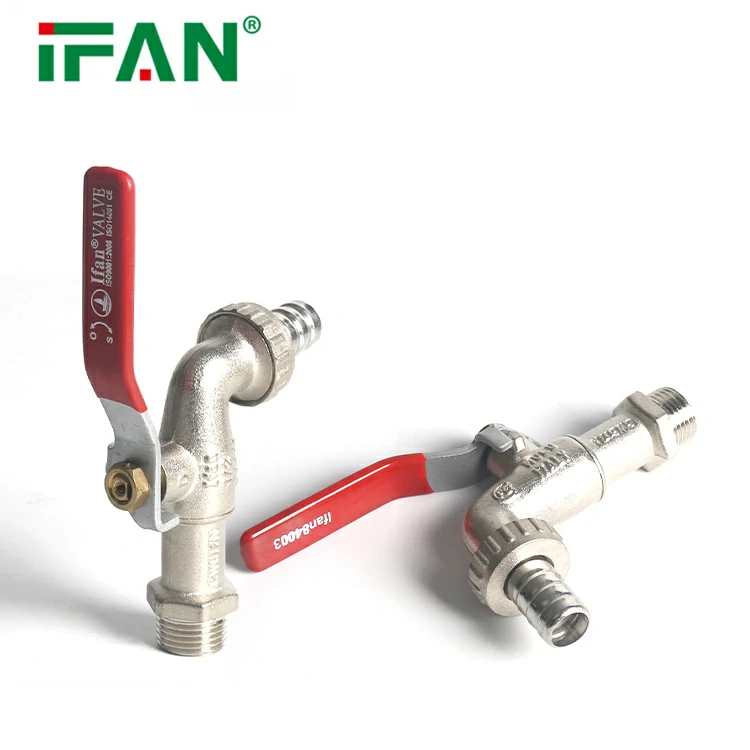
A bibcock is a type of faucet that is commonly installed outside of a building, typically on exterior walls. It allows water to be accessed for various outdoor activities, such as watering plants or washing vehicles. Brass bibcocks are faucets made from brass, a metal alloy consisting primarily of copper and zinc, known for its corrosion-resistant properties.
The Key Features of Brass Bibcocks:
- Durability: Brass is a strong, long-lasting material.
- Corrosion Resistance: Brass resists corrosion and rust, making it ideal for outdoor installations.
- Aesthetic Appeal: Brass has a shiny, golden appearance that can add to the aesthetic value of your outdoor spaces.
Why Choose Brass Bibcocks for Your Plumbing System?
1. Exceptional Durability and Longevity
Brass bibcocks are known for their durability. The alloy used in brass is incredibly strong and resistant to physical damage, which means your bibcock will last for many years with minimal maintenance. Unlike other materials, such as plastic or aluminum, brass is less likely to crack, break, or wear out under harsh conditions.
Because brass is so durable, it is an excellent investment in your plumbing system. A brass bibcock will withstand constant usage and outdoor elements, maintaining its functionality for decades. Whether exposed to the sun, rain, or freezing temperatures, brass remains resistant to wear and tear.
2. Corrosion and Rust Resistance
One of the primary reasons brass is chosen for plumbing components is its resistance to corrosion and rust. Outdoor faucets are often exposed to water, moisture, and varying weather conditions, which can cause other materials to corrode or rust over time.
Brass, however, forms a protective oxide layer when exposed to air and water. This layer prevents further oxidation and corrosion, allowing the bibcock to maintain its structural integrity. As a result, brass bibcocks are less likely to develop leaks or malfunctions caused by rust, making them more reliable than their counterparts made from steel or iron.
3. Low Maintenance Requirements
Due to its corrosion-resistant properties, brass bibcocks require less maintenance than other types of faucets. The longevity of brass means fewer repairs are necessary, which can save homeowners time and money. Over time, the only maintenance typically required is occasional cleaning and inspection to ensure the faucet is functioning correctly.
4. Versatility and Adaptability
Brass bibcocks are versatile and can be used in a variety of plumbing systems. They are available in various sizes and designs, making them suitable for different applications. Whether you need a simple outdoor faucet for your garden or a more complex setup for irrigation, there is a brass bibcock that will meet your needs.
Brass bibcocks can also be fitted with different accessories, such as hose attachments, to increase their functionality. This makes them ideal for tasks like washing cars, watering plants, or filling water tanks.
5. Aesthetic Appeal
While functionality is the primary concern when choosing plumbing components, aesthetics also matter. Brass has a natural, shiny golden hue that can add an elegant and classic touch to your outdoor spaces. The appearance of brass bibcocks can enhance the overall look of your garden or outdoor area, blending seamlessly with different types of architecture and landscaping.
6. Eco-Friendly Option
Brass is a recyclable material, making it an environmentally friendly choice for plumbing systems. When your brass bibcock reaches the end of its life, it can be recycled and repurposed, reducing the impact on the environment. This makes brass a sustainable option for homeowners who want to minimize their environmental footprint.
How Brass Bibcocks Compare to Other Materials
Brass vs. Plastic
While plastic bibcocks are lighter and often cheaper, they do not offer the same level of durability or resistance to damage as brass. Plastic can crack, especially under extreme temperature conditions, and is more prone to wear and tear. Brass, on the other hand, is much more resilient and can handle rougher conditions, making it a better long-term investment.
Brass vs. Stainless Steel
Stainless steel is another durable material, but it is more prone to corrosion in certain environments. Brass, with its unique alloy composition, offers superior corrosion resistance compared to stainless steel, making it ideal for outdoor applications where moisture is common. Additionally, brass is more cost-effective than stainless steel, providing a good balance of affordability and longevity.
Installation of Brass Bibcocks
Installing a brass bibcock is relatively straightforward, but like any plumbing task, it requires attention to detail. The installation process typically involves:
- Shutting off the water supply: Before beginning, ensure that the water supply to the bibcock area is turned off.
- Attaching the bibcock: Connect the brass bibcock to the plumbing system, making sure all fittings are tight and secure.
- Testing for leaks: After installation, test the faucet by turning on the water to ensure there are no leaks or issues with the faucet’s operation.
While it’s possible to install a brass bibcock yourself, if you’re not confident in your plumbing skills, it’s a good idea to hire a professional plumber to ensure proper installation.
Conclusion
Brass bibcocks are an excellent choice for homeowners looking for a durable, reliable, and aesthetically pleasing option for outdoor water fixtures. Their superior resistance to corrosion, strength, low maintenance requirements, and versatility make them ideal for various applications in your plumbing system. Whether you’re replacing an old faucet or installing a new one, a brass bibcock will provide years of dependable service while enhancing the look of your outdoor space.
FAQs
1. What is a bibcock?
A bibcock is an outdoor faucet used to control the flow of water for various outdoor activities such as gardening or washing vehicles.
2. Why is brass preferred for bibcocks?
Brass is durable, resistant to corrosion and rust, requires minimal maintenance, and has an aesthetic appeal that makes it a popular choice for bibcocks.
3. Can brass bibcocks freeze in cold weather?
While brass is durable, freezing temperatures can still cause damage to the water pipes connected to the bibcock. It’s advisable to insulate your bibcock during winter to prevent freezing.
4. How can I maintain my brass bibcock?
Regular inspection for any signs of wear and cleaning to remove mineral buildup are the primary maintenance tasks for a brass bibcock. You should also check for leaks and replace worn washers or O-rings as needed.
5. Are brass bibcocks eco-friendly?
Yes, brass is a recyclable material, making brass bibcocks an environmentally friendly choice for your plumbing system.