The Convenience and Ease of Installation of Brass Fittings for Your DIY Plumbing Projects
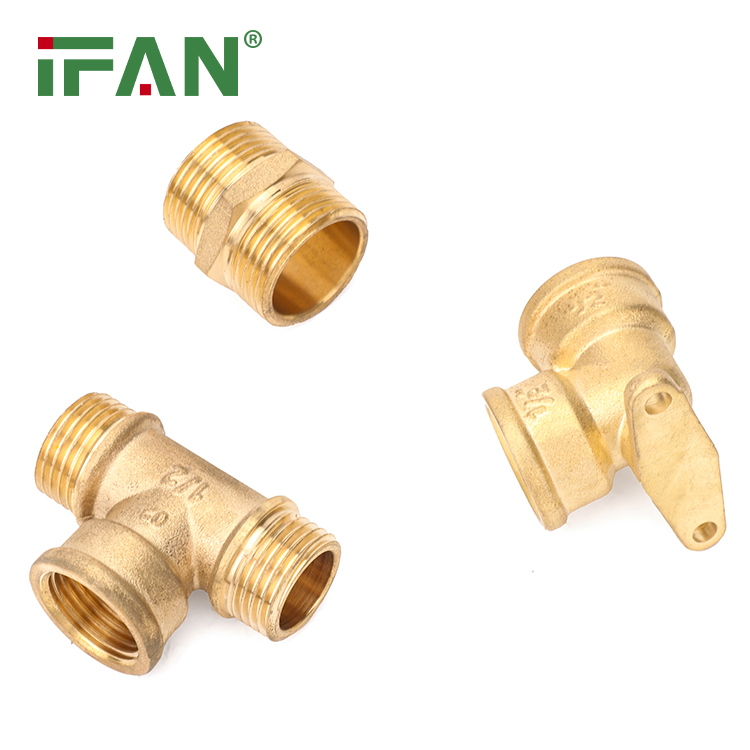
If you’re a DIY enthusiast or simply enjoy completing tasks around the house, then taking on a plumbing project is likely at the top of your list. While it may seem intimidating, rest assured that installing brass fittings is easier than you may think. Not only are they simple to install, but brass fittings can make a world of difference when it comes to the durability and longevity of your plumbing system.
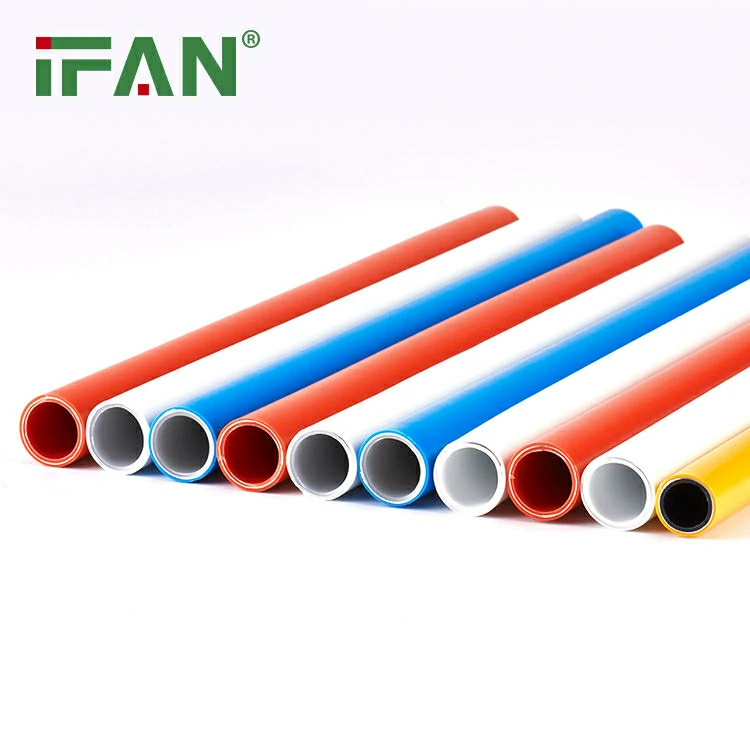
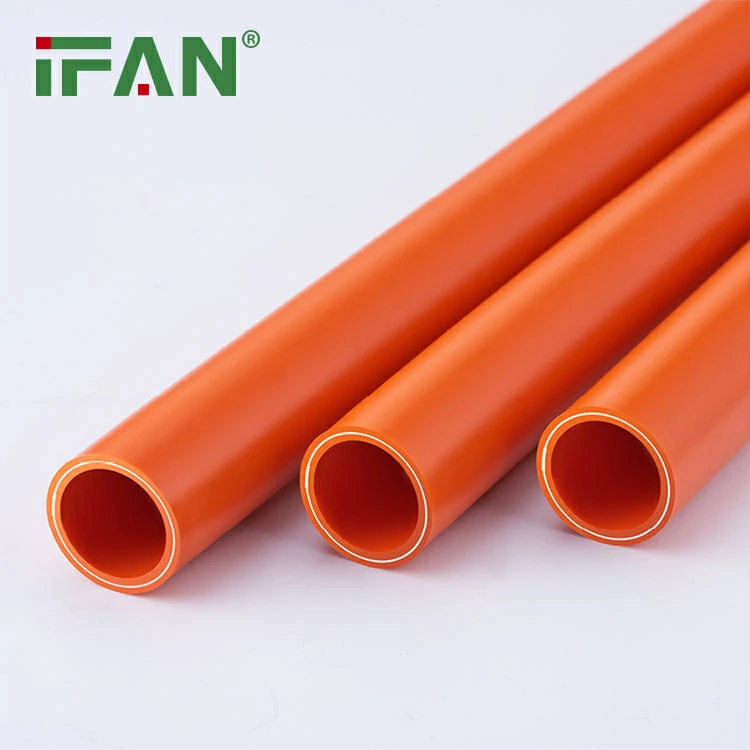
One of the conveniences of brass fittings is their compatibility with various pipe materials. Whether you’re working with copper, PVC, or PEX pipes, brass fittings can adapt and connect seamlessly. This versatility is especially useful when it comes to repair work, as you may need to join pipes made from different materials.
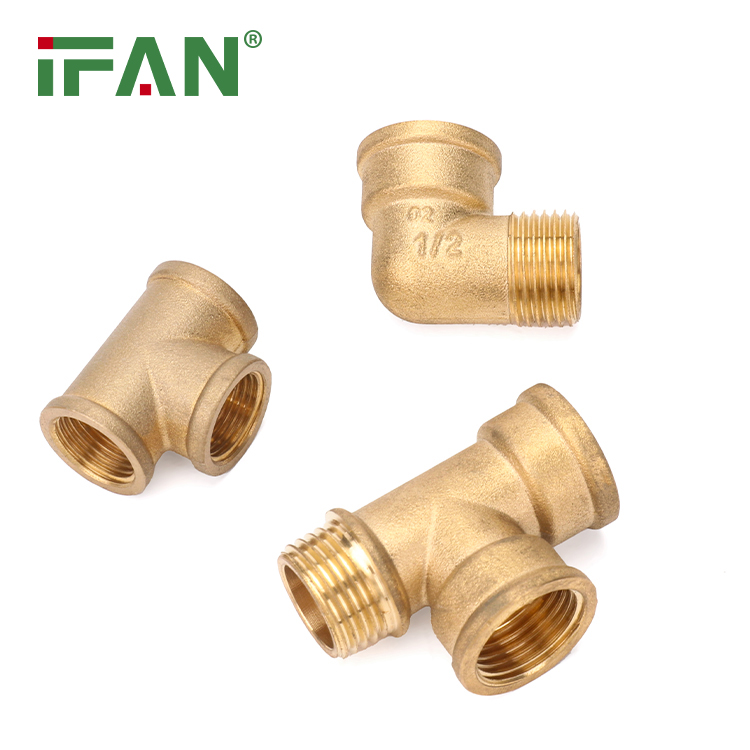
Additionally, brass fittings are known for their strength and resistance to corrosion. Unlike other materials, such as plastic or stainless steel, brass is highly durable and can withstand the test of time. If longevity is a priority, brass fittings are a solid choice for any plumbing project.
When it comes to installation, brass fittings are simple to work with. They typically come with a compression fitting or threads that allow for easy connection to other fittings and pipes. This eliminates the need for complex tools or specialized equipment, making a plumbing project much more accessible for DIY enthusiasts.
Another advantage of brass fittings is the tight seals they create. By using compression fittings or thread tape, brass fittings can create a reliable seal that prevents leaks and damage to your piping system. This added protection can provide peace of mind and save you money on costly repairs down the road.
To sum it up, brass fittings offer a multitude of advantages for DIY plumbing projects. Their versatility, strength, and ease of installation make them an excellent choice for any plumbing project, whether it’s a small repair or a larger renovation. By using brass fittings, you can ensure the durability and longevity of your plumbing system, while also enjoying the convenience of a simple and hassle-free installation process. So, the next time you take on a plumbing project, consider using brass fittings for a reliable and efficient solution.