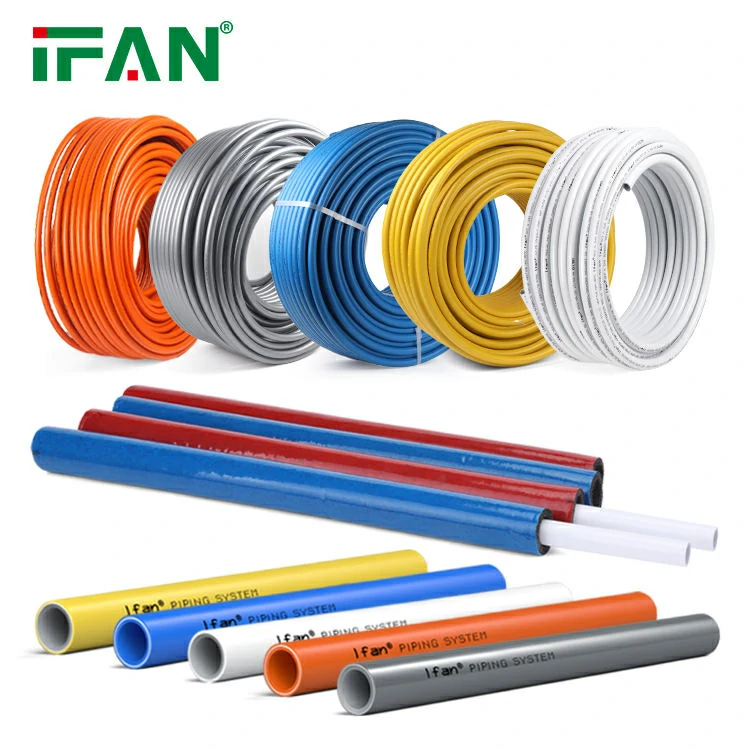
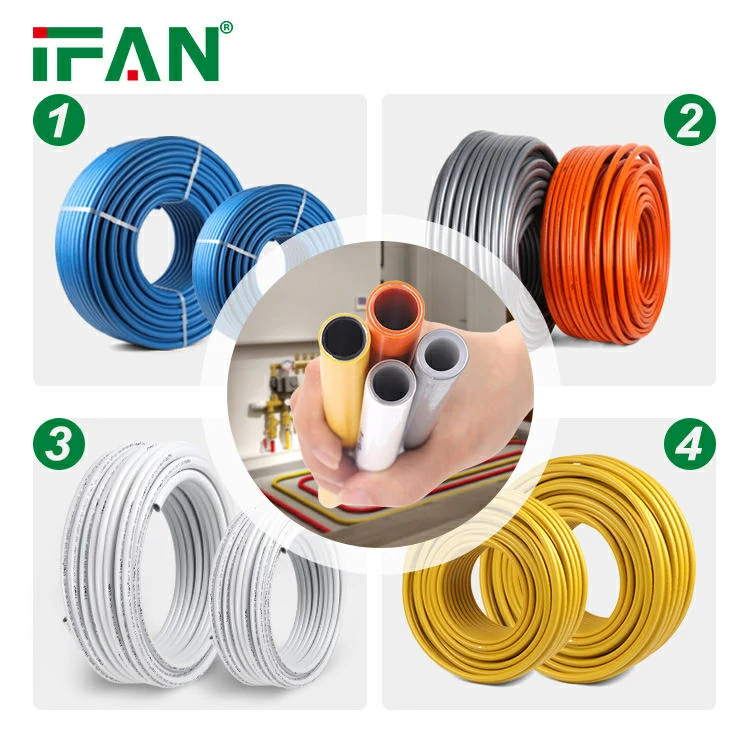
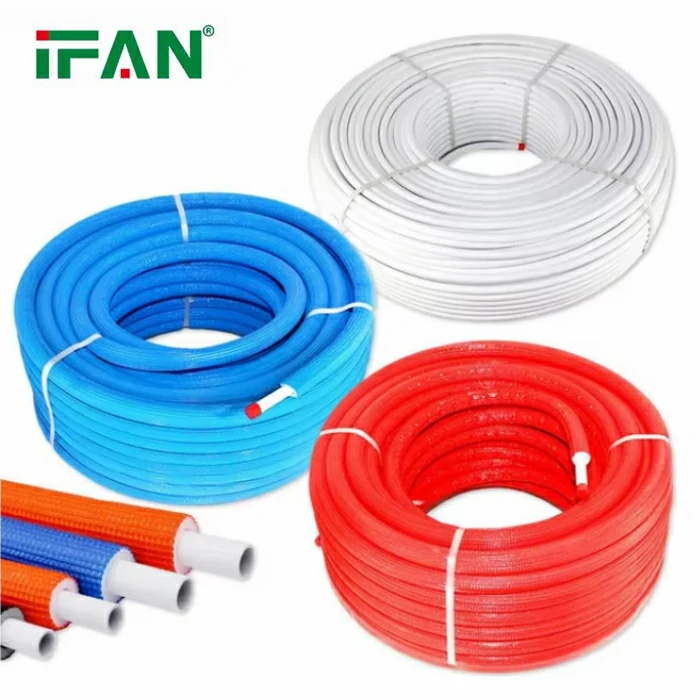
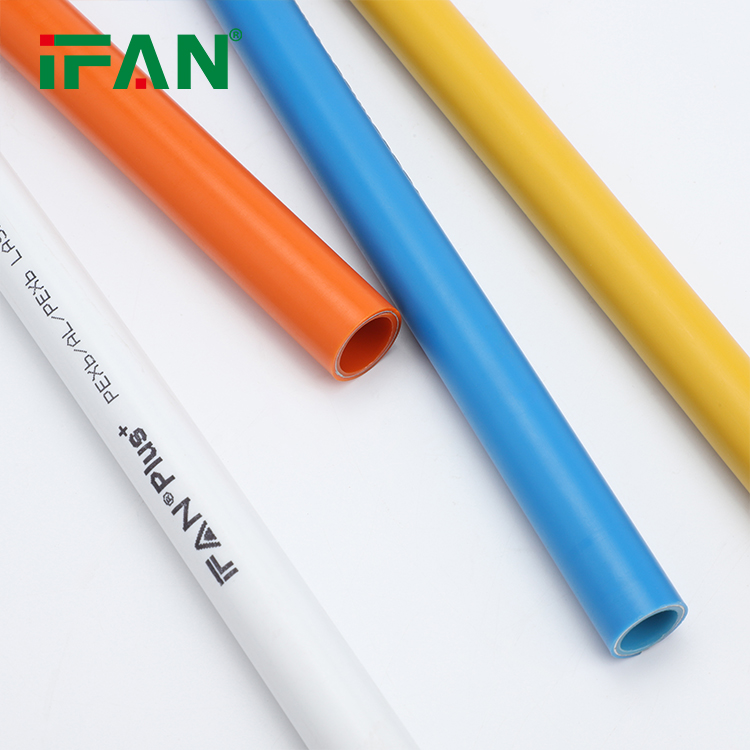
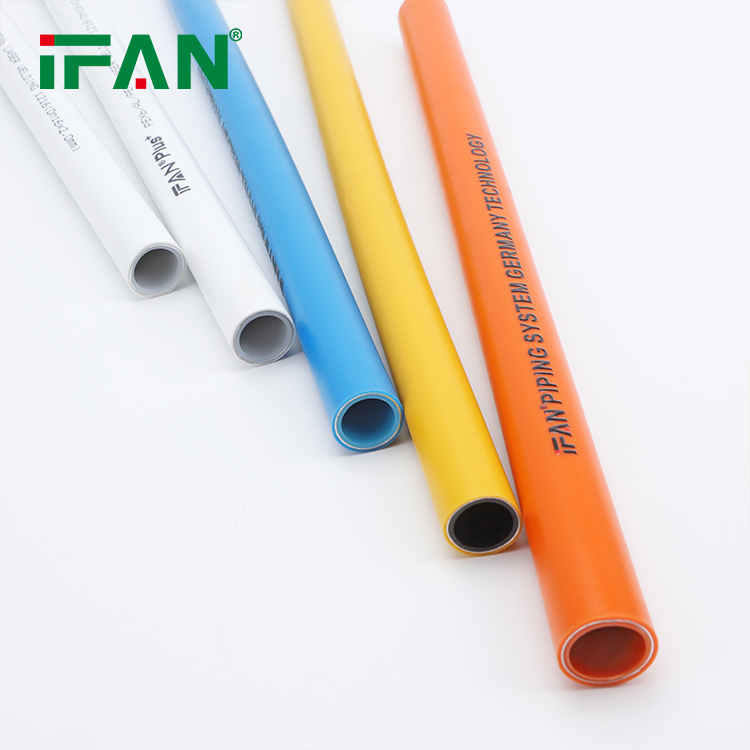
IFAN factory 30+ years manufacture experience support color /size customization support free sample.Welcome to consult for catalog and free samples.This is our Facebook Website:www.facebook.com,Click to watch IFAN’s product video.Compared with Tomex products, our IFAN products from quality to price are your best choice, welcome to buy!
1. Essential Control Components
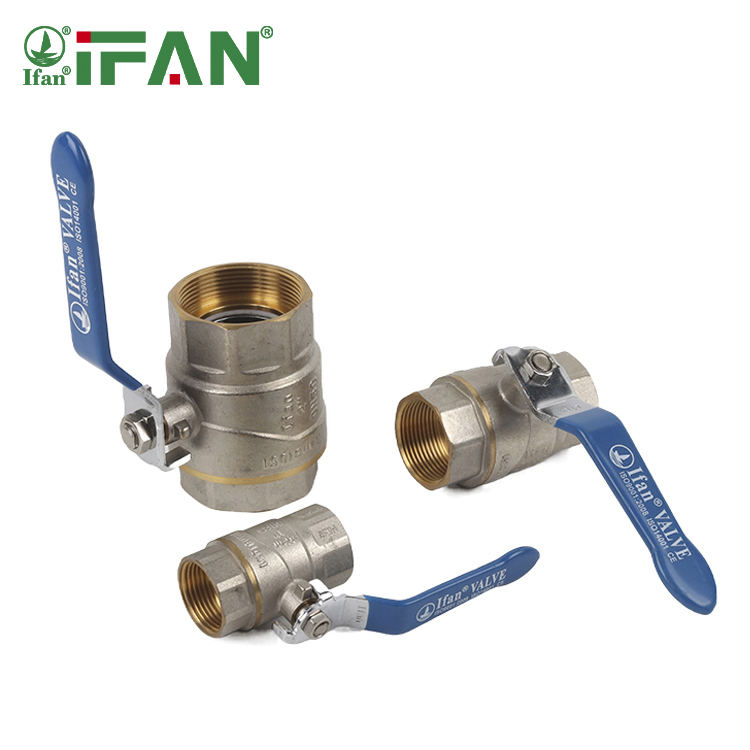
Brass ball valves play a pivotal role in HVAC (Heating, Ventilation, and Air Conditioning) systems due to their essential function in controlling the flow of fluids. These valves are designed to manage the flow of water, steam, and other fluids within the HVAC system, making them crucial for regulating the temperature and pressure of the system. By turning the valve handle, operators can quickly and easily open or close the flow, providing precise control over the system’s operation. This ability to control fluid flow efficiently contributes to the overall performance and efficiency of the HVAC system, ensuring that it operates within the desired parameters.
2. Durability and Reliability
One of the key advantages of brass ball valves is their durability and reliability. Brass, an alloy of copper and zinc, is known for its resistance to corrosion and wear, making it an ideal material for HVAC systems that deal with varying temperatures and pressures. Unlike plastic valves, which can become brittle and crack over time, brass ball valves are designed to withstand harsh conditions and maintain their integrity. Their robust construction ensures a long service life and reliable performance, reducing the need for frequent replacements and maintenance. This durability is especially important in HVAC systems where consistent operation is crucial for maintaining comfortable and stable indoor environments.
3. Precision and Efficiency
Brass ball valves are renowned for their precision and efficiency in regulating fluid flow. The design of the valve features a spherical ball with a hole through its center, which allows for smooth and precise control of the flow rate. When the valve is fully open, the ball’s hole aligns with the pipe, allowing maximum flow. When closed, the ball rotates to block the flow completely. This design not only provides accurate control but also minimizes pressure drops and flow restrictions, leading to more efficient operation of the HVAC system. By ensuring that the fluid flow is properly managed, brass ball valves help to optimize energy usage and improve the overall efficiency of the system.
4. Versatility and Adaptability
Brass ball valves are highly versatile and adaptable, making them suitable for a wide range of HVAC applications. They are available in various sizes and connection types, such as threaded, flanged, and soldered, allowing them to fit different piping configurations and system requirements. This versatility enables engineers and installers to choose the right valve for specific applications, whether for hot water systems, chilled water systems, or steam applications. Additionally, brass ball valves can handle a wide range of pressures and temperatures, further enhancing their adaptability. Their ability to perform effectively in diverse conditions makes them a valuable component in various HVAC systems.

5. Maintenance and Serviceability
Maintenance and serviceability are critical aspects of any HVAC system, and brass ball valves excel in these areas. Their simple design, which consists of a few moving parts, allows for easy maintenance and repair. If a valve malfunctions or requires servicing, it can typically be addressed without requiring extensive disassembly or special tools. Additionally, the durability of brass ball valves means they are less likely to require frequent repairs or replacements, which reduces downtime and maintenance costs. Regular inspections and minor adjustments can ensure that the valves continue to function optimally, contributing to the overall reliability and efficiency of the HVAC system.
In conclusion, brass ball valves are integral components of HVAC systems due to their essential role in controlling fluid flow, their durability and reliability, their precision and efficiency, their versatility and adaptability, and their ease of maintenance and serviceability. Their robust performance and long service life make them a preferred choice for HVAC applications, contributing significantly to the effective operation and management of heating, ventilation, and air conditioning systems.