Understanding the Functionality of Brass Ball Valves in Plumbing Systems
Introduction
Brass ball valves are integral components of plumbing systems, providing efficient flow control and shut-off capabilities. In this article, we will delve into the functionality of brass ball valves, examining their key components, operation principles, advantages, and considerations for their use in plumbing systems. Let’s explore this topic by breaking it down into easy-to-understand sections.
1. Key Components of Brass Ball Valves
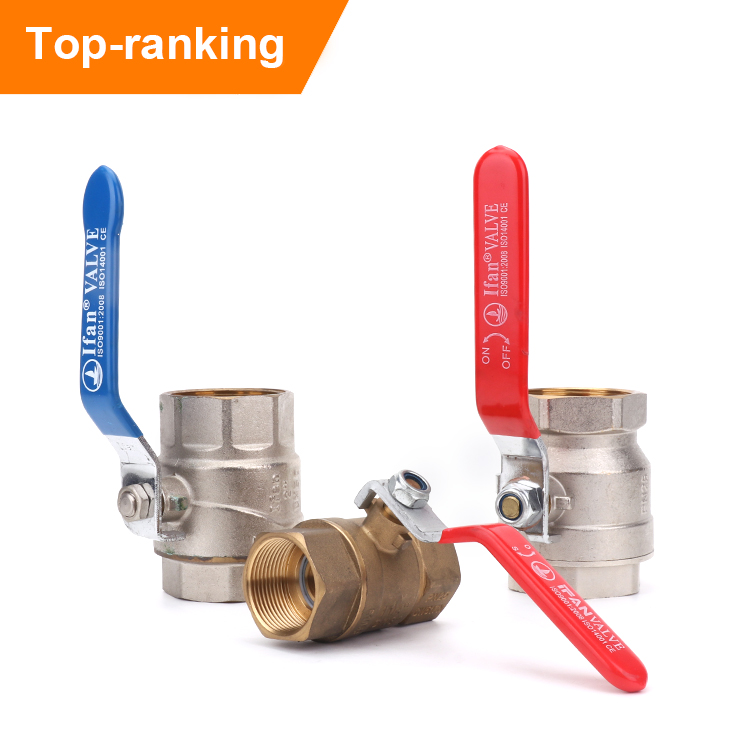
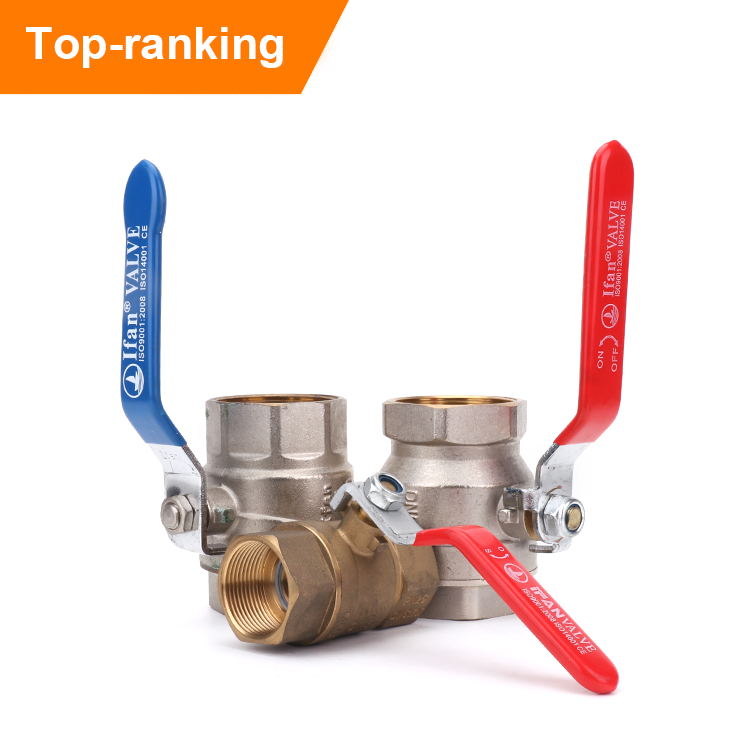
Brass ball valves consist of several key components that enable their functionality in plumbing systems. These include a hollow brass ball with a bore in the center, a lever or handle for controlling the ball’s position, and inlet and outlet ports for the flow of water. The ball has a hole through which water can pass when the valve is open, and it blocks the flow when the valve is closed. This design allows for precise control over water flow in plumbing systems.
2. Operation Principles of Brass Ball Valves
The operation of brass ball valves is based on a simple yet effective principle. When the lever or handle is aligned perpendicular to the pipe, the valve is closed, and water flow is blocked. Conversely, when the lever is parallel to the pipe, the valve is fully open, allowing water to flow freely. The position of the lever or handle can be adjusted to control the flow rate, offering flexibility in managing water supply within the plumbing system.
3. Advantages of Brass Ball Valves in Plumbing Systems
Brass ball valves offer several advantages that make them ideal for plumbing systems. Firstly, brass is a durable material that can withstand high pressures and temperature variations commonly encountered in plumbing applications. This durability ensures the longevity of the valve, reducing the need for frequent replacements. Additionally, brass is highly resistant to corrosion, which is crucial in plumbing systems where exposure to water and other corrosive elements is common. Brass ball valves also provide a tight seal, minimizing the risk of leaks and ensuring effective flow control.
4. Considerations for Using Brass Ball Valves in Plumbing Systems
When using brass ball valves in plumbing systems, certain considerations should be taken into account. It is crucial to select the right size of valve to match the diameter of the pipes in the system. The pressure and temperature ratings of the valve should also be considered to ensure compatibility with the specific plumbing application. Proper installation techniques, including using appropriate fittings and sealing materials, are essential for leak-free operation. Regular maintenance and inspection of brass ball valves are important to ensure their continued functionality and reliability in the plumbing system.
Conclusion
Brass ball valves play a vital role in plumbing systems, providing efficient flow control and shut-off capabilities. Understanding the key components and operation principles of brass ball valves is essential for their effective use in plumbing applications. The durability, corrosion resistance, and tight sealing properties of brass make it an ideal material for these valves. By considering factors such as size, pressure and temperature ratings, proper installation techniques, and regular maintenance, brass ball valves can be utilized effectively in plumbing systems, ensuring reliable water flow control and an efficient plumbing infrastructure.