Brass Ball Valves: Essential Components for Water Flow Control
Introduction
Brass ball valves play a crucial role in water flow control systems, offering reliability, versatility, and efficient operation. In this article, we will explore the significance of brass ball valves as essential components for water flow control. We will examine their key features, applications, advantages, and considerations when selecting and installing these valves. Let’s delve into this topic by breaking it down into easy-to-understand sections.
1. Key Features of Brass Ball Valves
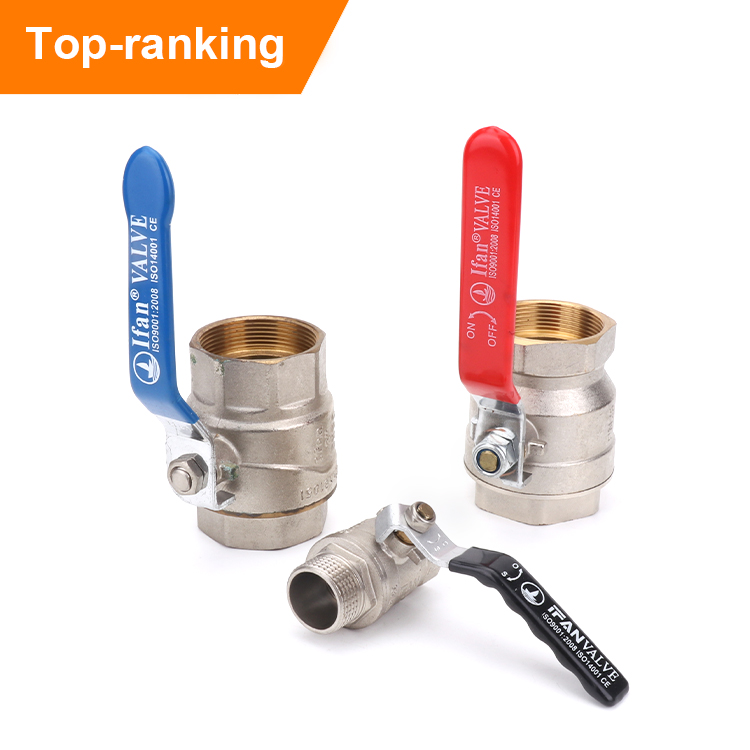
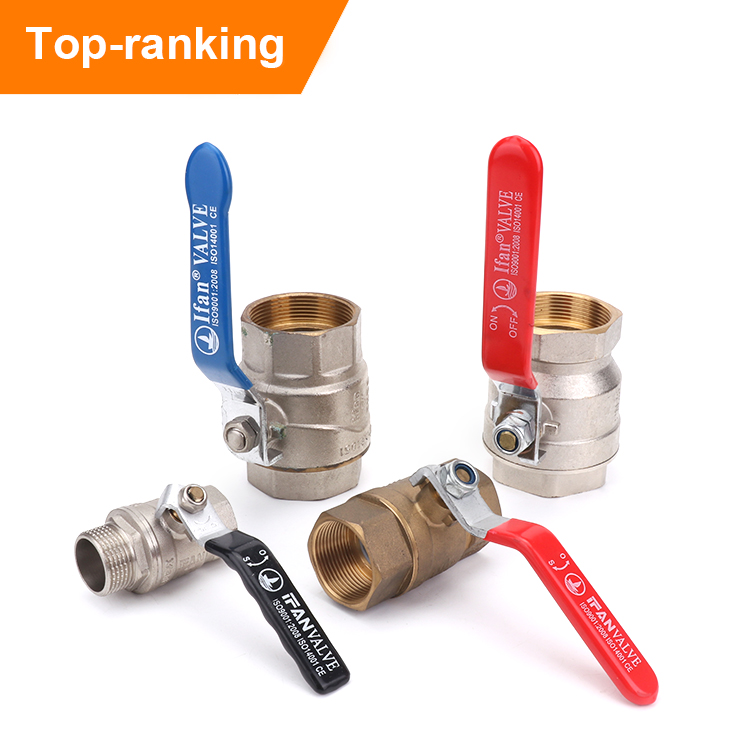
Brass ball valves are characterized by their unique design and key features that make them ideal for water flow control. These valves consist of a hollow brass ball with a bore in the center and a lever or handle to control the position of the ball. When the lever is perpendicular to the pipe, the valve is closed, and when it is parallel, the valve is open. This simple design allows for precise control of water flow, making brass ball valves highly effective in various applications.
2. Applications of Brass Ball Valves in Water Systems
Brass ball valves find extensive applications in water systems, both in residential and commercial settings. They are commonly used in plumbing systems, water supply lines, irrigation systems, and water treatment plants. Brass ball valves are essential for isolating sections of a water system, regulating the flow rate, and shutting off the water supply when necessary. Their versatility allows them to handle both hot and cold water, making them suitable for various water flow control needs.
3. Advantages of Brass Ball Valves for Water Control
Brass ball valves offer several advantages that make them essential components for water flow control. Firstly, brass is a durable material, capable of withstanding high pressures and temperature variations, ensuring the longevity of the valve. Additionally, brass is highly resistant to corrosion, making brass ball valves suitable for use with water, which can contain corrosive elements. Moreover, the tight seal provided by brass ball valves minimizes leaks and allows for efficient water flow control.
4. Considerations for Selecting and Installing Brass Ball Valves
When selecting and installing brass ball valves for water flow control, several considerations should be taken into account. The size of the valve should match the diameter of the pipes in the system, ensuring a proper fit. It is important to choose valves with the appropriate pressure and temperature ratings to ensure optimal performance and prevent damage. Proper installation, including using appropriate fittings and sealing materials, is crucial for leak-free operation. Regular inspection and maintenance of brass ball valves are also necessary to ensure their continued functionality.
Conclusion
Brass ball valves are essential components for water flow control, offering reliability, versatility, and efficient operation. Their unique design and key features make them ideal for various water systems, including plumbing, irrigation, and water treatment plants. The advantages of brass, such as durability, corrosion resistance, and tight sealing, make brass ball valves a reliable choice for water flow control needs. When selecting and installing these valves, it is essential to consider factors such as size, pressure and temperature ratings, proper installation techniques, and maintenance requirements. By choosing brass ball valves as essential components, users can ensure effective water flow control and a reliable water supply system.