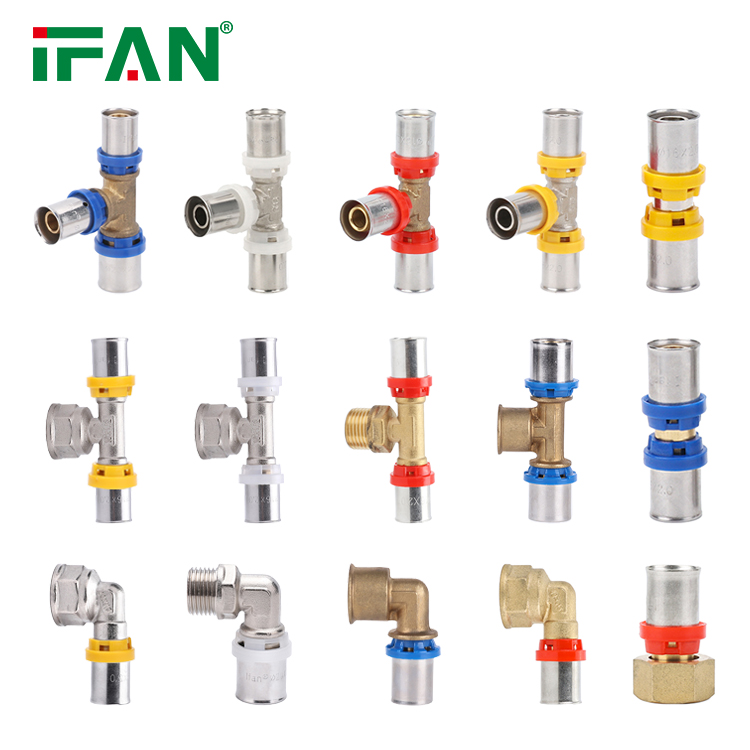
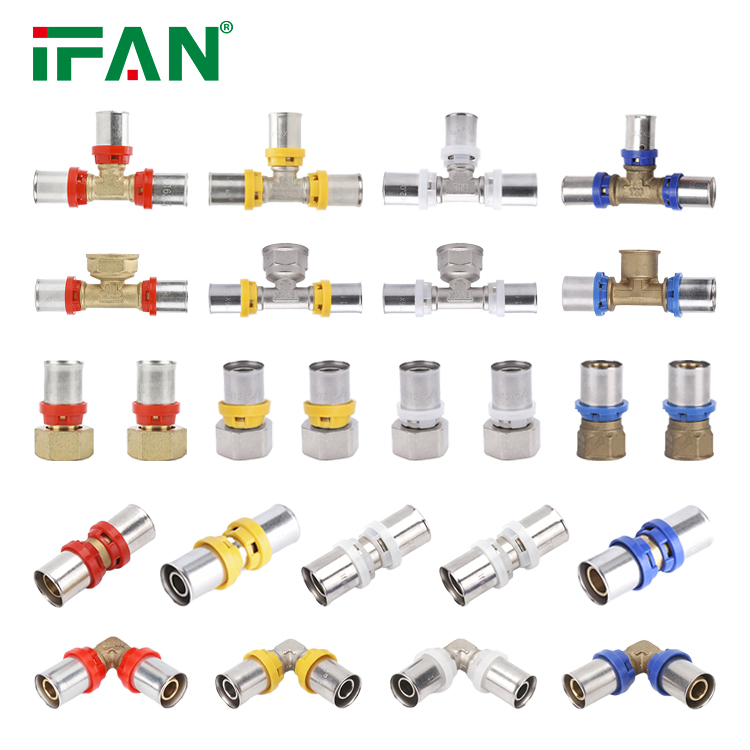
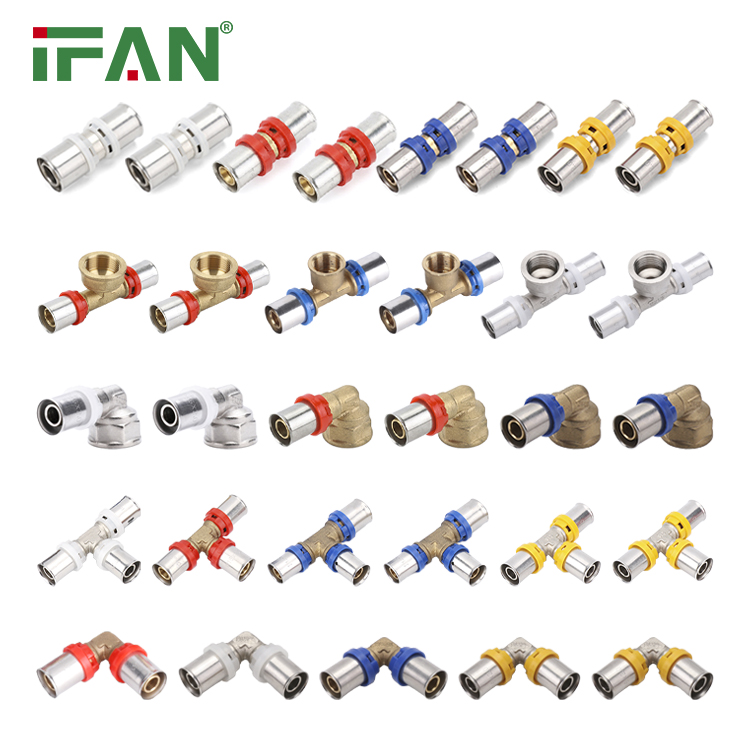
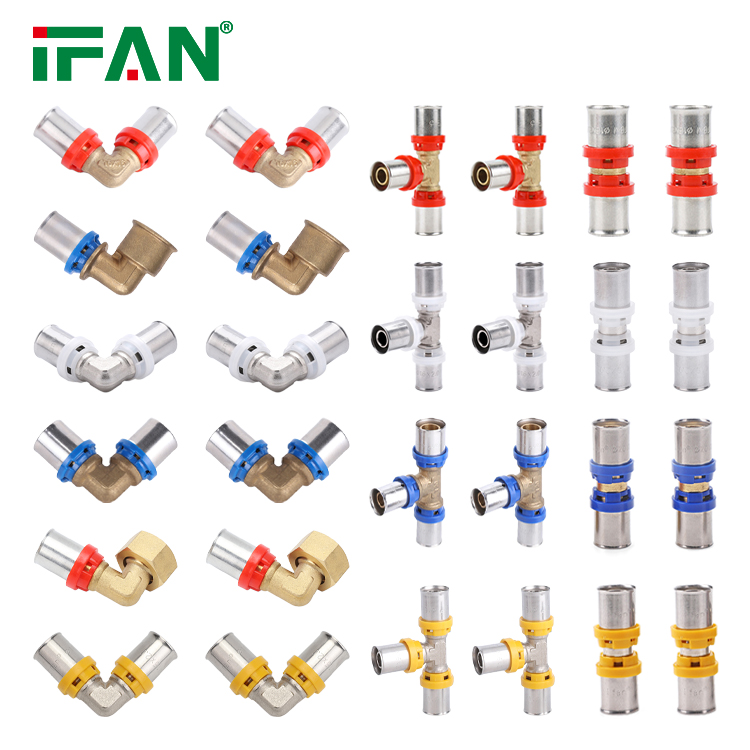
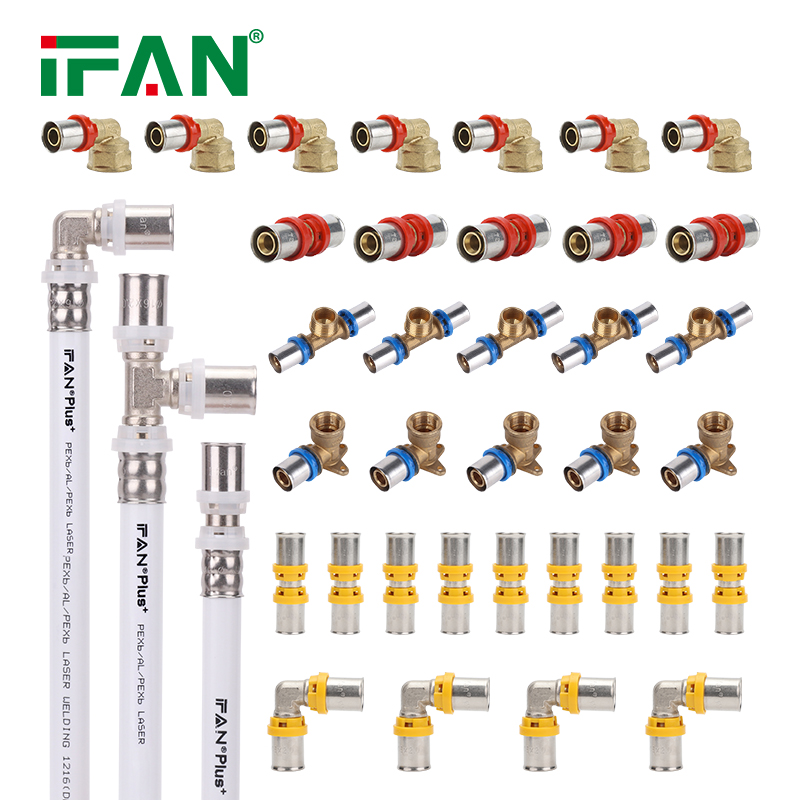
IFAN factory 30+ years manufacture experience support color /size customization support free sample.Welcome to consult for catalog and free samples.This is our Facebook Website:www.facebook.com,Click to watch IFAN’s product video.Compared with Tomex products, our IFAN products from quality to price are your best choice, welcome to buy!
Introduction
PEX compression fittings are integral components in modern plumbing systems, offering a reliable method for connecting PEX tubing without the need for soldering or specialized tools. Understanding their working principle is essential for ensuring proper installation and long-term functionality. This article delves into the mechanics behind PEX compression fittings, highlighting their key components and operational principles.
Components of PEX Compression Fittings
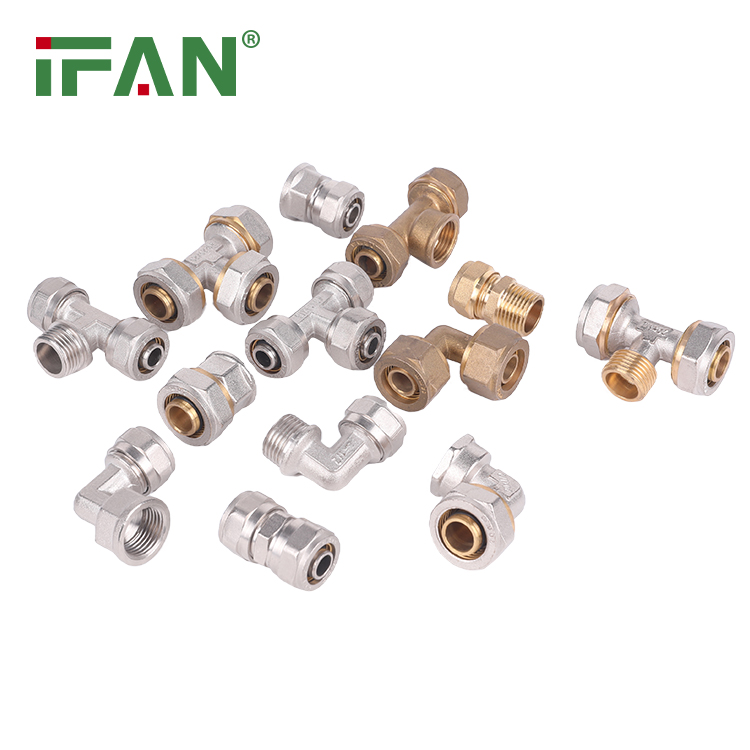
PEX compression fittings consist of several key components that work together to create a secure connection. These typically include a compression nut, compression ring (also known as a ferrule), and the PEX tubing itself. The compression nut, often made of brass or other durable materials, threads onto the fitting body and compresses the ferrule against the tubing when tightened. This compression action forms a tight seal that prevents leaks and ensures the integrity of the connection.
Compression Mechanism
The fundamental principle of PEX compression fittings revolves around the compression mechanism. During installation, the compression nut is threaded onto the fitting body, with the compression ring already positioned around the PEX tubing. As the nut is tightened using an appropriate wrench or spanner, it presses the compression ring against the PEX tubing and the fitting body. This compression creates a watertight seal by evenly distributing pressure around the tubing, effectively gripping and securing it within the fitting.
Installation Process
Installing PEX compression fittings involves several straightforward steps. First, the PEX tubing must be cut cleanly and squarely using a PEX tubing cutter to ensure a proper fit. Any burrs or rough edges should be removed to prevent interference with the compression seal. Next, the compression ring is slid onto the tubing, followed by inserting the tubing into the compression fitting until it reaches the shoulder. Then, the compression nut is threaded onto the fitting body and tightened firmly by hand. Finally, the nut is further tightened using a wrench or spanner to achieve the required compression and seal.
Advantages of PEX Compression Fittings
PEX compression fittings offer several advantages over other types of fittings. Firstly, they do not require heat or open flame for installation, making them safer and more suitable for confined spaces or environments where soldering is impractical. Secondly, they provide flexibility in installation and can be easily adjusted or reused if necessary, without damaging the fittings or the tubing. Additionally, their ability to create reliable, leak-free seals contributes to the overall efficiency and durability of plumbing systems.
Considerations and Maintenance
While PEX compression fittings are generally reliable, proper installation and maintenance are essential for optimal performance. It’s crucial to ensure that fittings are compatible with the specific type and size of PEX tubing being used. Regular inspections for signs of leaks or corrosion should be conducted to address potential issues promptly. Additionally, following manufacturer guidelines for torque specifications during installation helps prevent over-tightening, which can damage fittings or compromise seals.
Conclusion
In conclusion, PEX compression fittings play a vital role in modern plumbing systems by offering a secure, versatile, and easy-to-install connection method for PEX tubing. By understanding their working principle, components, installation process, advantages, and considerations, plumbing professionals and DIY enthusiasts can confidently utilize PEX compression fittings in various applications. This knowledge ensures efficient water distribution, minimizes the risk of leaks, and contributes to the long-term reliability of plumbing installations.