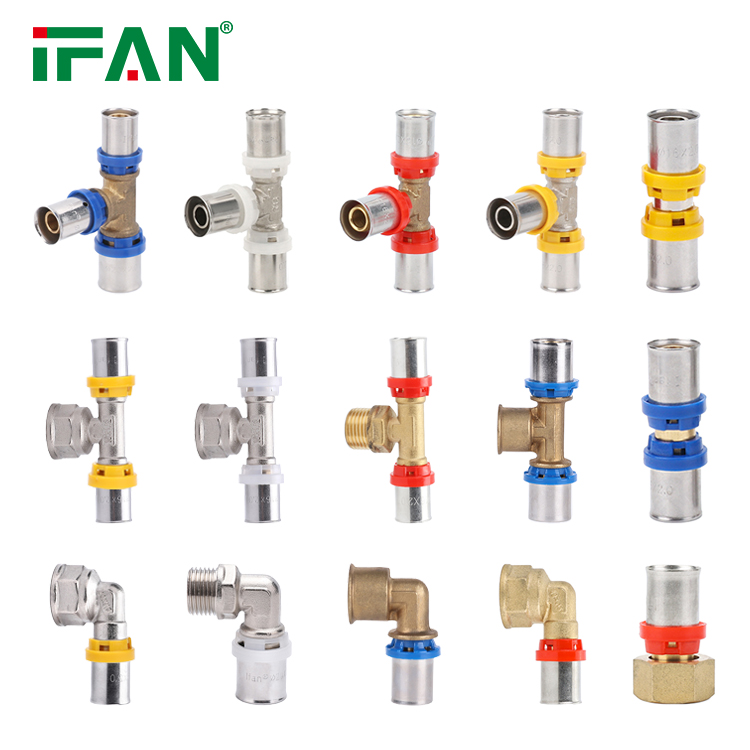
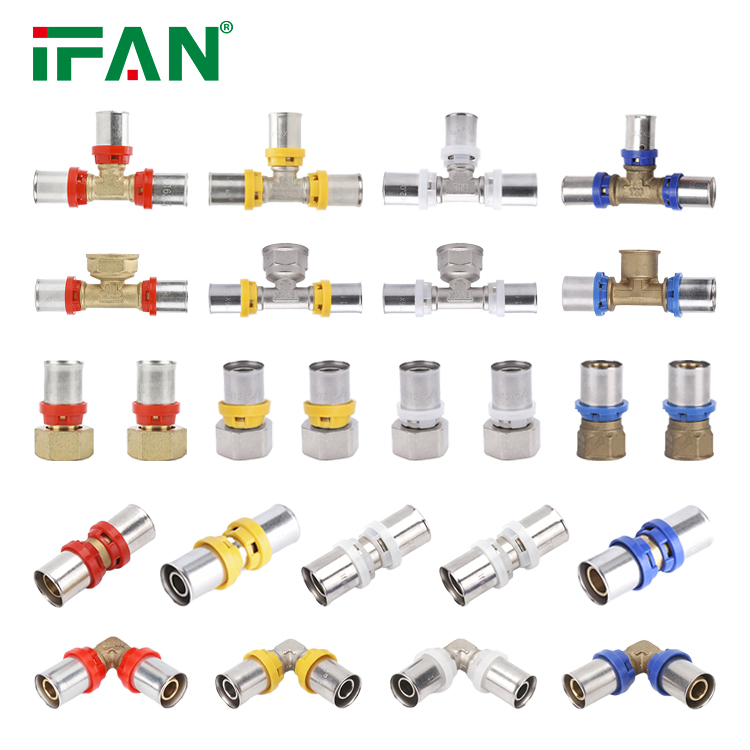
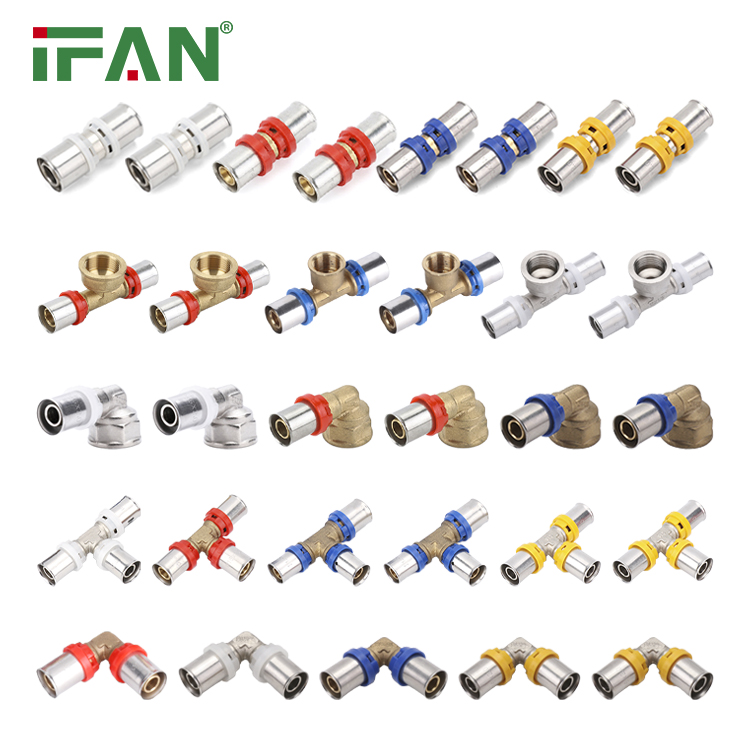
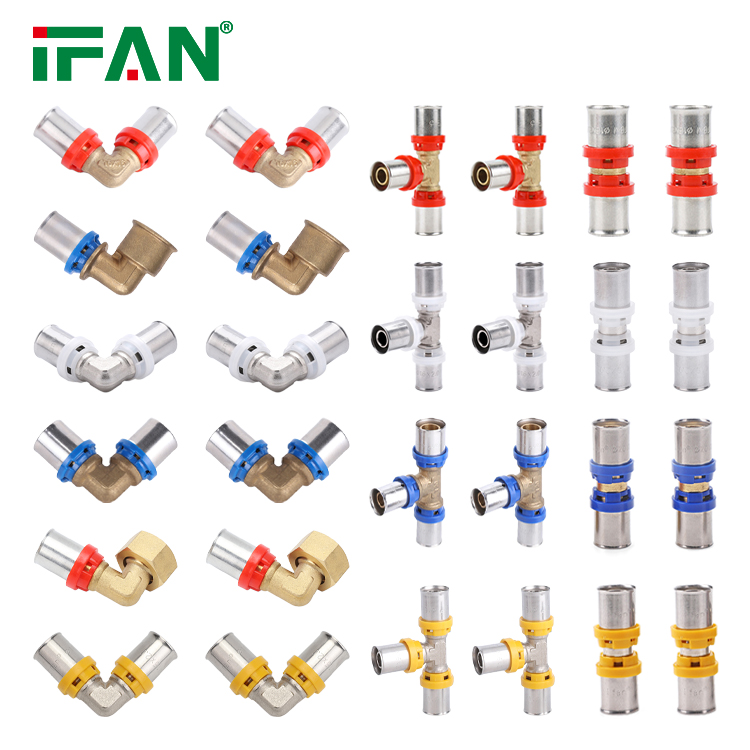
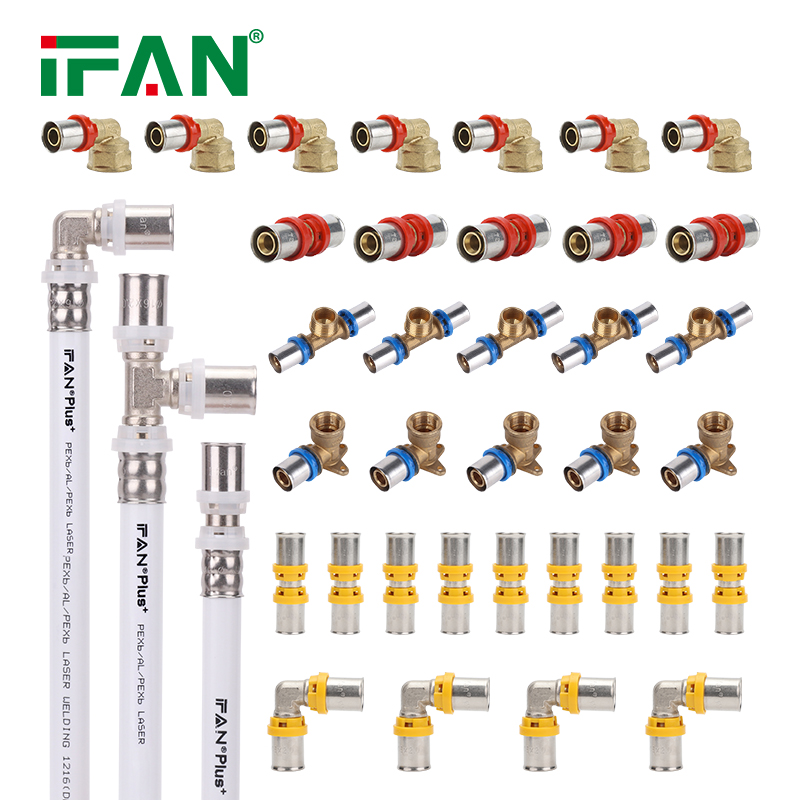
IFAN factory 30+ years manufacture experience support color /size customization support free sample.Welcome to consult for catalog and free samples.This is our Facebook Website:www.facebook.com,Click to watch IFAN’s product video.Compared with Tomex products, our IFAN products from quality to price are your best choice, welcome to buy!
Introduction
PEX compression fittings have gained popularity in plumbing systems for their versatility and ease of installation. Understanding their suitability for both hot and cold water pipes is crucial for ensuring reliable performance and longevity in residential and commercial applications. This article explores the specific characteristics that make PEX compression fittings suitable for use with both hot and cold water pipes, detailing their advantages, considerations, and installation practices.
Thermal Expansion and Compatibility
One of the primary considerations for using PEX compression fittings with hot water pipes is their ability to accommodate thermal expansion. PEX tubing itself is known for its flexibility and thermal resistance, capable of expanding and contracting with temperature changes without compromising its structural integrity. Compression fittings, when properly installed with PEX tubing, allow for this thermal movement by maintaining a secure but flexible seal. This characteristic ensures that the fittings can withstand the stresses induced by hot water cycles, preventing leaks or failures over time.
Material Selection and Temperature Rating
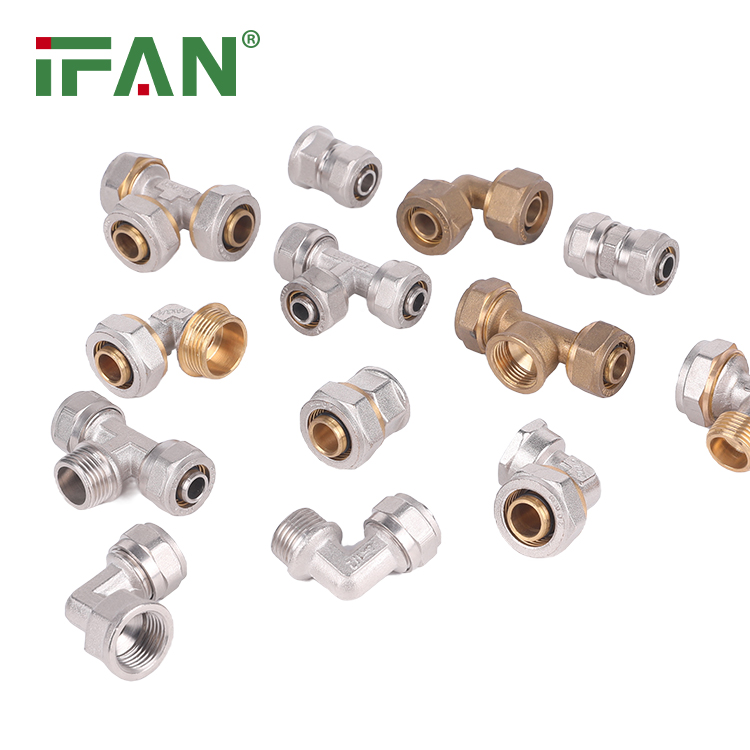
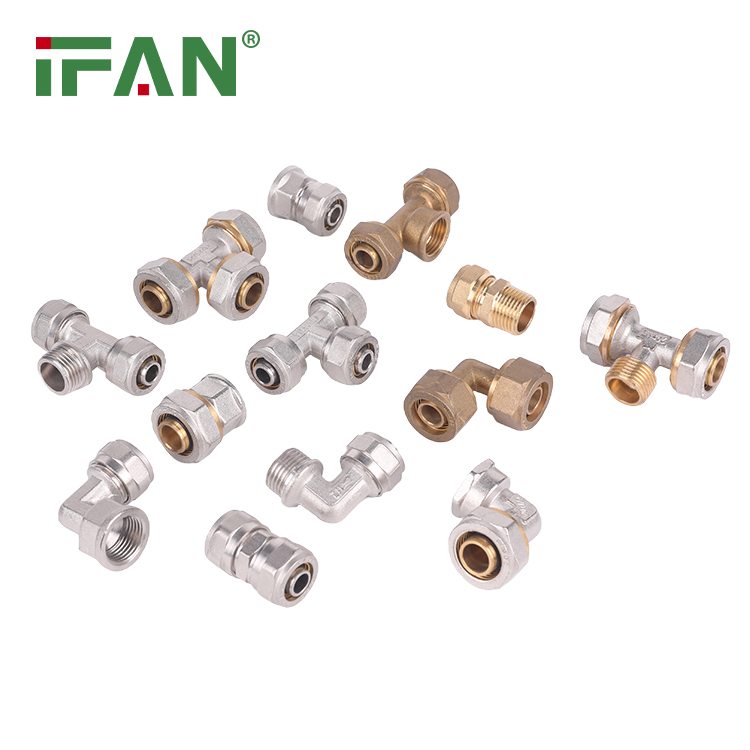
PEX compression fittings are typically constructed from durable materials such as brass or stainless steel, chosen for their corrosion resistance and mechanical strength. These materials are also selected based on their ability to withstand high temperatures commonly associated with hot water systems. It’s essential to verify that the compression fittings and PEX tubing used are rated for the temperatures and pressures expected in the specific application. Manufacturers provide temperature ratings for their fittings, ensuring compatibility with hot water plumbing requirements.
Installation Practices for Hot Water Systems
Installing PEX compression fittings in hot water systems follows similar principles to those used in cold water applications but requires attention to specific details. The PEX tubing must be adequately supported and protected from potential heat sources that could exceed its temperature rating. Proper alignment and secure fastening of compression fittings are critical to preventing leaks under thermal stress. Additionally, ensuring that fittings are tightened according to manufacturer specifications helps maintain the integrity of the seal, even under fluctuating temperatures.
Advantages Over Traditional Fittings
Compared to traditional fittings like soldered copper joints or threaded connections, PEX compression fittings offer distinct advantages in hot water applications. They eliminate the need for complex tools and open flame, reducing installation time and labor costs. The flexibility of PEX tubing combined with compression fittings allows for easier maneuverability and adjustments, which can be beneficial in retrofitting or repairing existing plumbing systems. Moreover, their ability to create reliable, leak-resistant seals contributes to the overall efficiency and durability of hot water distribution networks.
Considerations for Maintenance and Longevity
To ensure the long-term performance of PEX compression fittings in hot water systems, regular maintenance and periodic inspections are essential. Checking fittings for signs of corrosion, wear, or leaks helps identify potential issues early on, preventing costly repairs or water damage. Properly supporting PEX tubing and ensuring adequate insulation in colder environments can mitigate the risk of freezing or heat loss, further enhancing the reliability of the plumbing system. Following manufacturer guidelines for maintenance and replacing fittings as needed based on their lifespan contributes to maintaining optimal functionality.
Conclusion
In conclusion, PEX compression fittings are well-suited for both hot and cold water pipes due to their flexibility, thermal resistance, and ease of installation. By understanding their compatibility with hot water systems, plumbing professionals and homeowners can confidently choose PEX compression fittings for various residential and commercial applications. Their ability to withstand thermal expansion, appropriate material selection, installation practices, and maintenance considerations collectively contribute to reliable and efficient plumbing infrastructure. Embracing these advantages ensures that PEX compression fittings continue to be a preferred choice in modern plumbing installations.