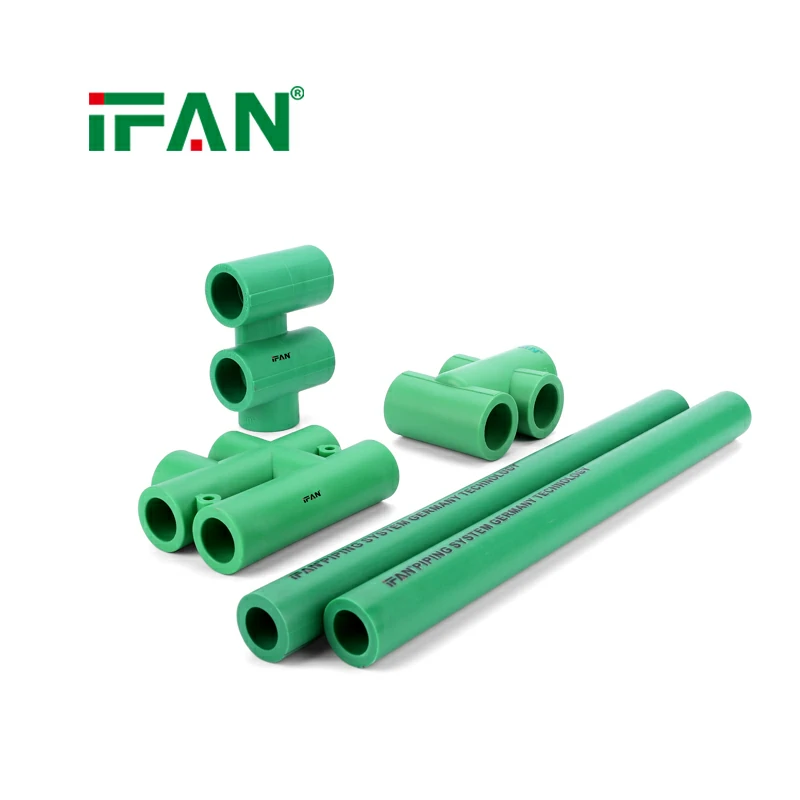
IntroductionWhat is the difference between PP and PVC fittings?
PP (polypropylene) and PVC (polyvinyl chloride) are two commonly used materials for pipe fittings. Both materials are known for their durability and excellent chemical resistance properties. In this article, we will discuss the difference between PP and PVC fittings and their benefits.
PP Fittings
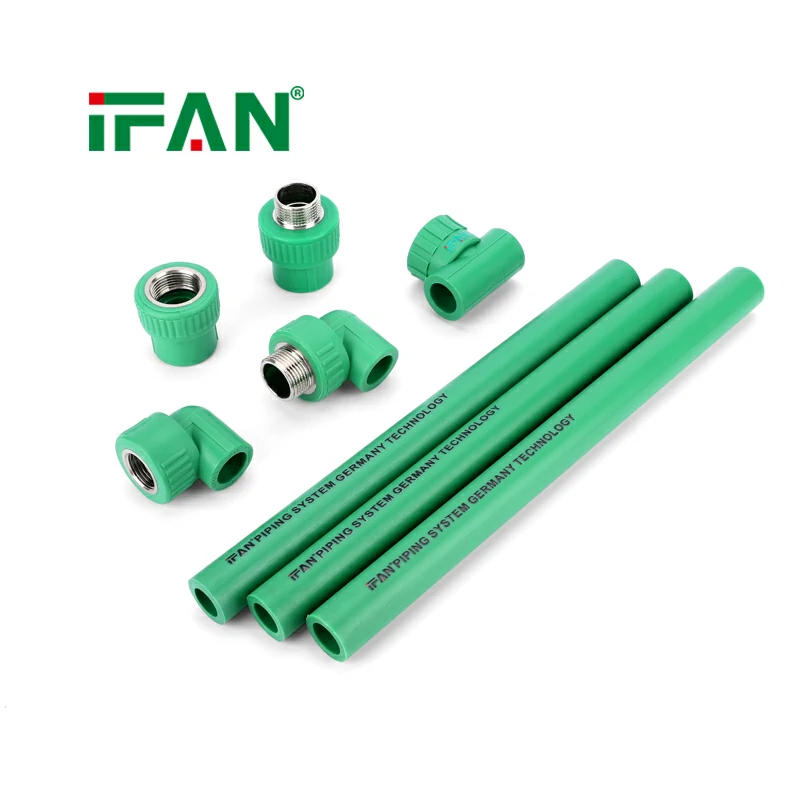
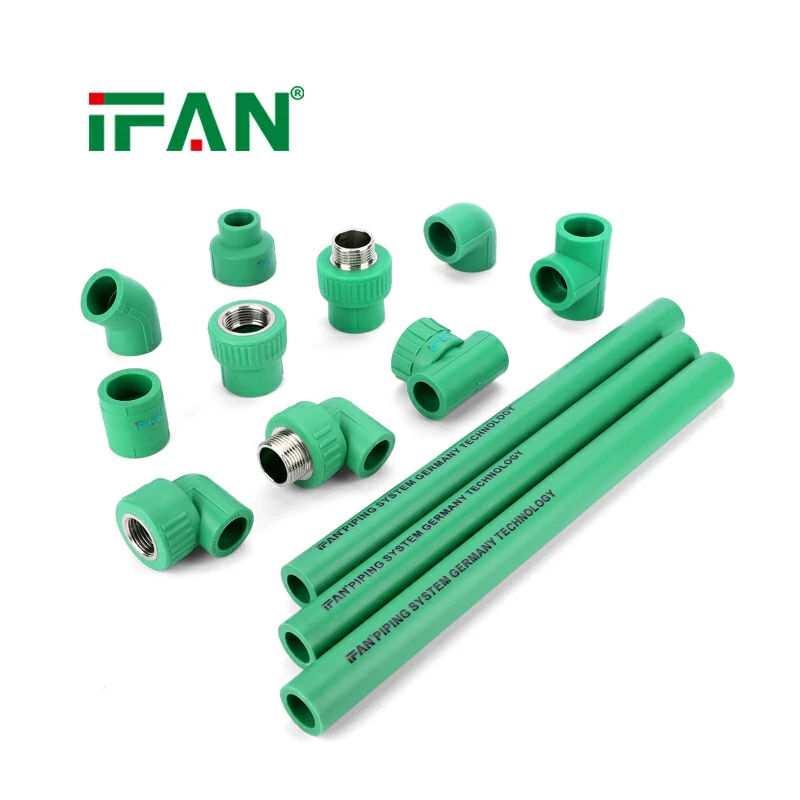
Polypropylene or PP is a thermoplastic polymer that has excellent impact resistance, good flexibility, and is highly resistant to chemicals. PP fittings are ideal for industrial applications that involve the transfer of chemicals, corrosive fluids and gases, and aqueous solutions. PP fittings are also used in the food and beverage industry because of their non-toxic properties.
Benefits of PP Fittings
- Excellent Chemical Resistance: PP fittings can handle a wide range of corrosive and chemical materials, making them ideal for industrial applications.
- Durable and Lightweight: PP fittings are lightweight and highly durable, making them easy to install and long-lasting.
- Flexible and Impact Resistant: PP fittings can withstand high impact without cracking or breaking. They are also flexible, which allows them to better handle the vibration and movement in an industrial setting.
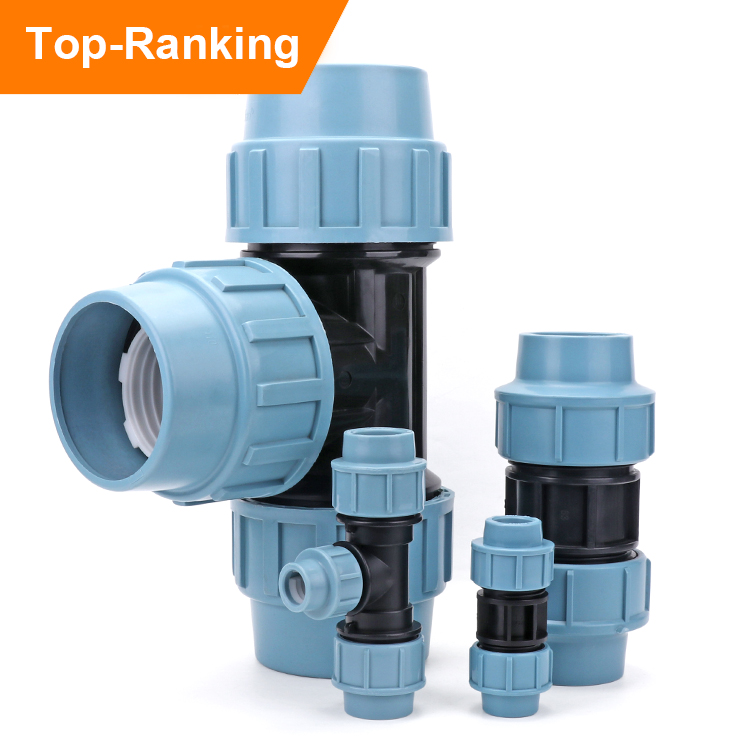
PVC Fittings
PVC or Polyvinyl Chloride is a thermoplastic polymer that is widely used in plumbing and electrical applications. PVC fittings are lightweight, easy to install, and offer excellent corrosion resistance. PVC fittings are commonly used in residential and commercial installations, where the application involves transferring water, waste, and other non-corrosive fluids.
Benefits of PVC Fittings
- Cost-Effective: PVC fittings are less expensive than other types of pipe fittings, making them ideal for residential and commercial applications where cost is a major factor.
- Lightweight and Easy to Install: PVC fittings are lightweight and easy to install, making them an ideal choice for DIY installation.
- Excellent Corrosion Resistance: PVC fittings are highly resistant to corrosion and can withstand severe weather conditions. They are ideal for outdoor installations and can last for many years without deteriorating.
Conclusion
PP and PVC fittings have their own unique benefits and uses that make them ideal for specific applications. PP fittings are best suited for industrial applications, while PVC fittings are ideal for residential and commercial installations. Both materials offer excellent durability and corrosion resistance, making them a great choice for various types of installations. Ultimately, the choice between PP and PVC fittings will depend on the specific needs and requirements of each application.