Plumbing technology has evolved over the years, with new materials replacing older, more traditional systems. One such innovation is the use of PEX (cross-linked polyethylene) pipes in plumbing systems, particularly for drinking water distribution. PEX pipes have gained popularity due to their flexibility, durability, and ease of installation. However, the question remains: what exactly is in these new PEX pipes that make them suitable for delivering drinking water? In this article, we will dive into the components of PEX pipes, their benefits, and any potential concerns for homeowners and municipalities considering them for potable water systems.
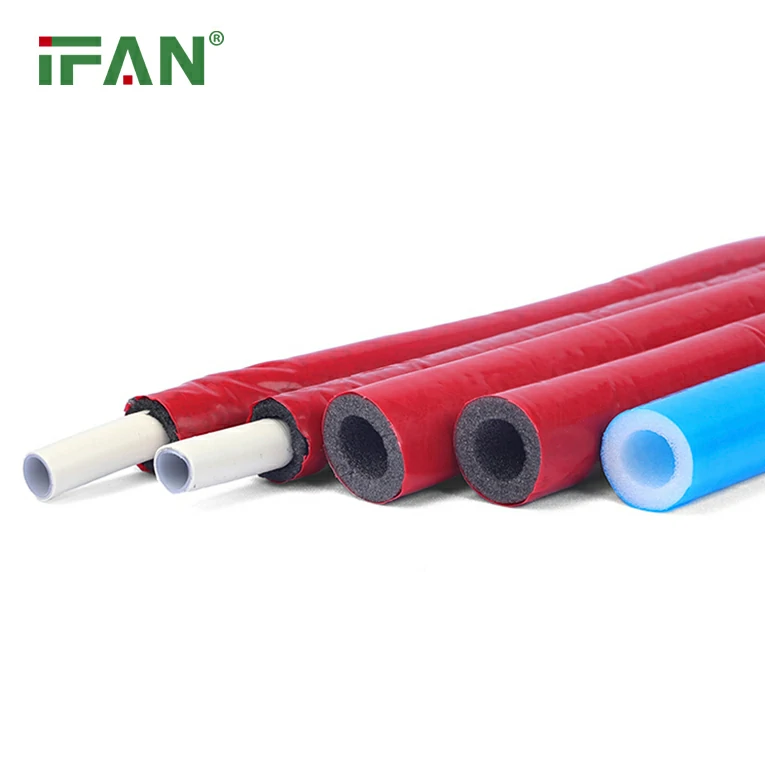
What is PEX Pipe?
PEX is a type of plastic piping that has become a common alternative to traditional copper or PVC pipes in plumbing systems. It is made from polyethylene, a thermoplastic polymer, that undergoes a process known as cross-linking, which strengthens the molecular structure of the material. This cross-linking gives PEX pipes unique properties such as increased flexibility, resistance to cracking, and the ability to withstand high temperatures and pressures.
PEX pipes are typically used in both residential and commercial plumbing systems, including for delivering drinking water. One of the key advantages of PEX over traditional materials is its flexibility, which allows for easier installation and fewer fittings. This flexibility also reduces the likelihood of leaks, as the material can expand and contract without cracking or splitting.
The Composition of PEX Pipes
PEX pipes are made from a combination of polyethylene and other materials to enhance their performance and suitability for potable water systems. The primary components of PEX pipes include:
1. Polyethylene (PE)
Polyethylene is the base polymer in PEX pipes, and it provides the pipe with its core properties, such as flexibility, durability, and resistance to corrosion. Polyethylene is a versatile plastic that is widely used in various industries, from packaging to automotive manufacturing. In PEX pipes, the polymer is cross-linked to enhance its chemical and thermal resistance.
2. Cross-Linking Agents
The cross-linking process is what differentiates PEX pipes from regular polyethylene pipes. During this process, chemical agents are used to link the polymer chains together, creating a network structure. This cross-linked network gives PEX its strength and resistance to physical stress. There are several methods used to achieve cross-linking, including:
- Peroxide Cross-Linking (PEX-A): This method involves using peroxide to induce cross-linking during the extrusion process.
- Silane Cross-Linking (PEX-B): In this method, silane compounds are used, followed by a moisture cure to complete the cross-linking.
- Electronic Irradiation (PEX-C): This method involves exposing the polymer to electron beams to initiate cross-linking.
Each of these methods results in slightly different properties in the final product, but all PEX pipes exhibit improved performance over regular polyethylene pipes.
3. Additives and Stabilizers
To enhance the performance of PEX pipes, various additives and stabilizers are incorporated into the material. These may include:
- Antioxidants: These prevent the polymer from degrading over time due to exposure to oxygen and heat.
- UV Stabilizers: These protect the pipe from damage caused by ultraviolet (UV) radiation, ensuring that it doesn’t degrade when exposed to sunlight during installation.
- Flame Retardants: These additives are included to reduce the risk of the pipe catching fire under certain conditions.
These additives ensure that the PEX pipe performs well under various conditions, including high temperatures and outdoor exposure, making it suitable for both residential and commercial plumbing systems.
4. Colorants and Dyes
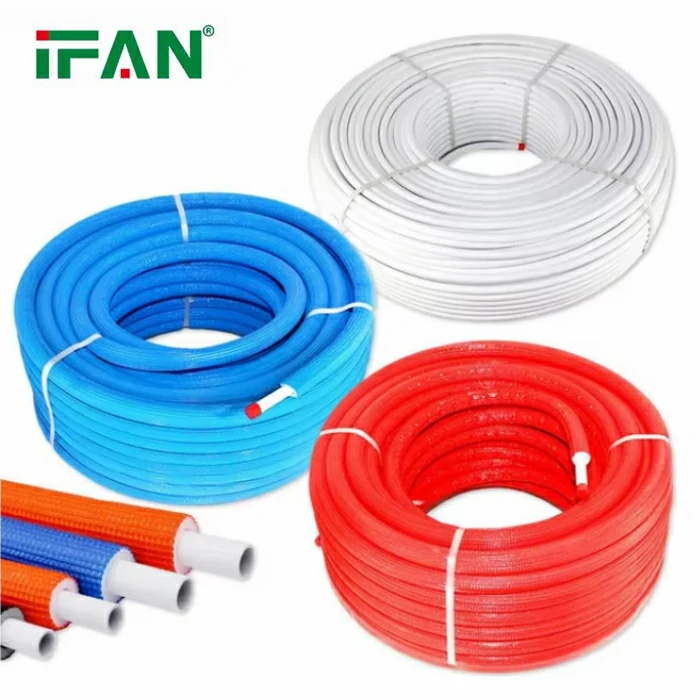
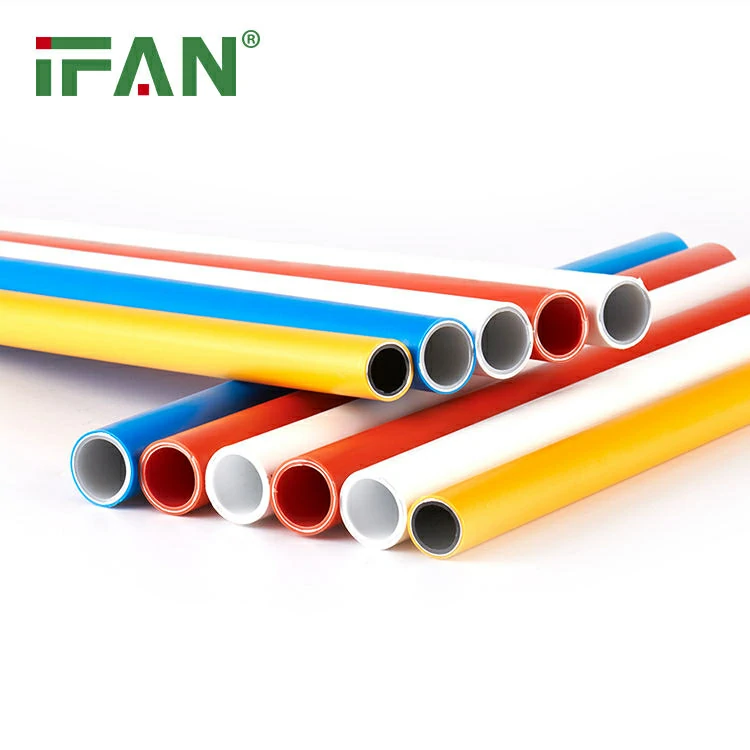
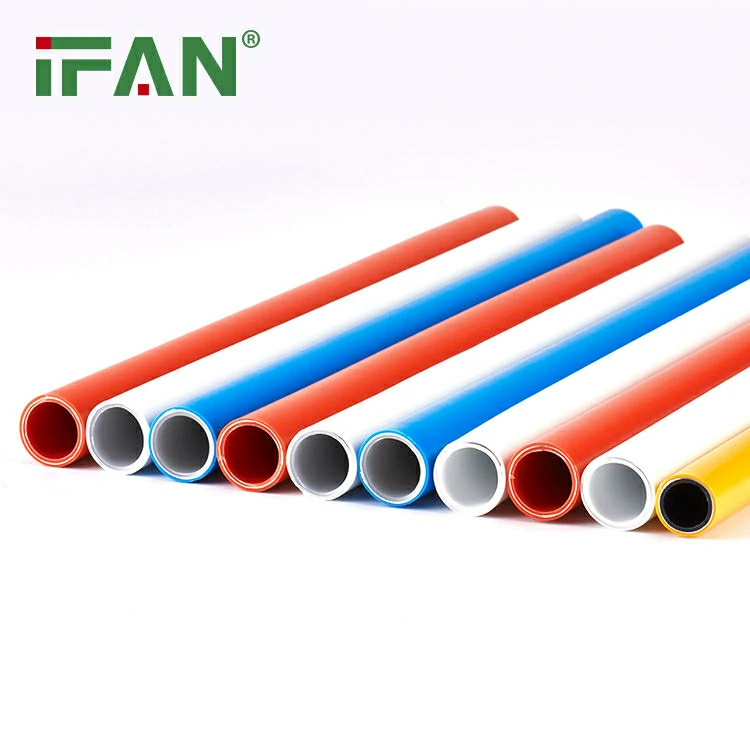
PEX pipes are often color-coded to indicate their specific uses. For example, red pipes are typically used for hot water systems, while blue pipes are used for cold water systems. The colorants and dyes used in PEX pipes are non-toxic and are simply added for visual identification purposes.
Are PEX Pipes Safe for Drinking Water?
One of the most important concerns when considering new plumbing materials is whether they are safe for delivering drinking water. PEX pipes have been extensively tested for safety and are approved by various regulatory bodies, including the U.S. Environmental Protection Agency (EPA) and the American National Standards Institute (ANSI), for use in potable water systems.
1. Health and Safety Certifications
PEX pipes are required to meet rigorous health and safety standards before they can be used in drinking water systems. In the United States, the NSF/ANSI 61 standard for drinking water system components applies to materials that come into contact with potable water. PEX pipes that meet this standard are considered safe for delivering drinking water.
These pipes are tested for the leaching of harmful chemicals, such as bisphenol A (BPA), phthalates, and other potentially toxic substances. PEX pipes that are NSF-certified have been shown to release negligible amounts of these chemicals, making them a safe choice for potable water systems.
2. No Metallic Taste or Odor
One of the common complaints with traditional pipes, such as copper, is that they can impart a metallic taste or odor to the water. PEX pipes do not have this problem. Since PEX is non-metallic, it does not alter the taste or smell of the water it carries. This makes it a desirable option for homeowners who are concerned about the quality of their drinking water.
3. No Risk of Corrosion or Scaling
Unlike metal pipes, PEX pipes are resistant to corrosion and scaling. This is particularly important in areas with hard water, where minerals like calcium and magnesium can build up inside the pipes, reducing water flow and potentially contaminating the water. Since PEX is non-reactive with water, it does not suffer from these issues, ensuring that drinking water remains clean and safe over time.
Potential Concerns with PEX Pipes
While PEX pipes are generally considered safe and effective for delivering drinking water, there are some potential concerns to be aware of:
1. Exposure to UV Radiation
PEX pipes are not resistant to UV radiation, which can degrade the material over time. If PEX pipes are exposed to sunlight during installation or prolonged periods of direct UV exposure, the material can become brittle and crack. This is why PEX pipes are often installed indoors or in areas where they will not be exposed to UV radiation. If they are installed outdoors, UV inhibitors can be applied to the pipes to protect them.
2. Potential for Chemical Leaching
While PEX pipes meet the necessary safety standards for potable water, there have been concerns in the past about the potential for chemical leaching during the initial stages of installation or after extended use. To mitigate this, manufacturers recommend flushing the system with water before using it for drinking. Additionally, choosing high-quality PEX pipes that meet NSF/ANSI 61 standards can help ensure that the pipes do not leach harmful substances into the water.
3. Not Suitable for Certain Chemicals
PEX pipes are not suitable for carrying all types of liquids, especially certain chemicals or solvents. While PEX is resistant to a wide range of substances, it can degrade when exposed to strong acids, oils, or petroleum-based products. Therefore, it is important to use PEX pipes only for their intended applications, such as cold and hot water systems.
The Future of PEX Pipes in Drinking Water Systems
PEX pipes are already a popular choice for modern plumbing systems, and their use is expected to continue to grow. With the increasing demand for sustainable and cost-effective building materials, PEX provides an attractive option for homeowners, contractors, and municipalities alike. The benefits of PEX—such as its flexibility, durability, resistance to corrosion, and lack of chemical leaching—make it a smart choice for potable water systems.
As the technology behind PEX continues to improve, we can expect even more advanced, eco-friendly versions of the material to emerge, further reducing the environmental impact of plumbing systems.
Conclusion
PEX pipes have revolutionized the plumbing industry by offering a flexible, durable, and cost-effective solution for delivering drinking water. Made from polyethylene and cross-linked for enhanced strength and performance, these pipes are safe for potable water systems when they meet relevant health and safety standards. While there are some potential concerns, PEX pipes provide numerous advantages over traditional materials like copper and PVC, including resistance to corrosion, no metallic taste or odor, and no scaling. As more homes and businesses embrace PEX, it is clear that these pipes are here to stay.
Frequently Asked Questions (FAQ)
1. Are PEX pipes safe for drinking water?
Yes, PEX pipes are certified for use in potable water systems and meet the NSF/ANSI 61 standards, ensuring that they are safe for delivering drinking water.
2. Do PEX pipes leach harmful chemicals into drinking water?
PEX pipes that meet NSF/ANSI 61 standards are designed to release negligible amounts of harmful chemicals, making them safe for potable water systems.
3. Can PEX pipes be exposed to sunlight?
PEX pipes are not resistant to UV radiation and can degrade if exposed to direct sunlight. It is important to install PEX pipes indoors or shield them from UV exposure.
4. What are the benefits of using PEX pipes for plumbing?
PEX pipes offer benefits such as flexibility, durability, resistance to corrosion, and ease of installation. They also provide no metallic taste or odor to the water.
5. Can PEX pipes be used for carrying chemicals or solvents?
No, PEX pipes are not suitable for carrying certain chemicals, strong acids, or petroleum-based products. They should only be used for water systems.