Introduction
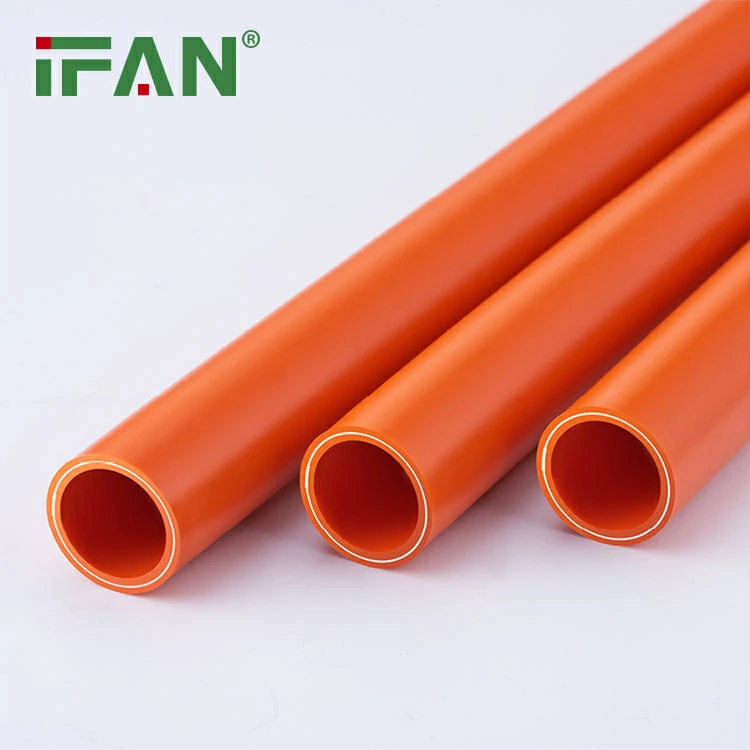
PPR (Polypropylene Random Copolymer) pipes are versatile plumbing materials that have found numerous applications in various sectors. Their unique properties and advantages make them suitable for a wide range of plumbing systems. In this article, we will explore the different areas where PPR pipes are commonly used.
- Residential Plumbing Systems
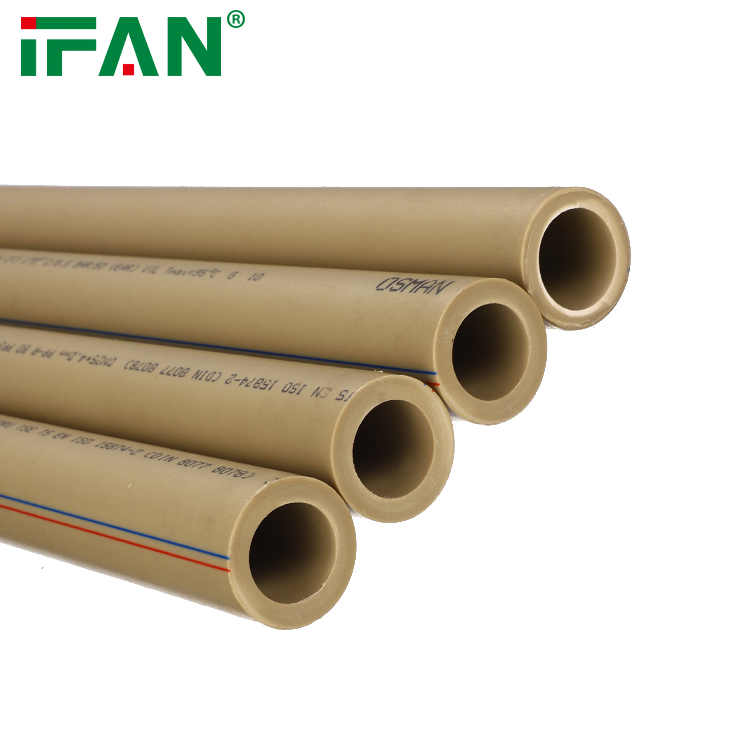
PPR pipes are widely used in residential plumbing systems for both hot and cold water supply. They are preferred over traditional materials like copper pipes due to their durability, chemical resistance, and ease of installation. PPR pipes can withstand high temperatures and are resistant to scaling, corrosion, and chemical degradation, making them ideal for delivering clean and safe potable water to households.
- Commercial and Industrial Plumbing Systems
PPR pipes are also extensively used in commercial and industrial plumbing systems. Their chemical resistance makes them suitable for transporting various fluids, including chemicals, acids, and alkalis. PPR pipes are commonly employed in industries such as chemical processing, food and beverage production, pharmaceuticals, and laboratories. Their ability to withstand high temperatures and resist corrosion makes them reliable for handling demanding applications in these sectors.
- Heating Systems
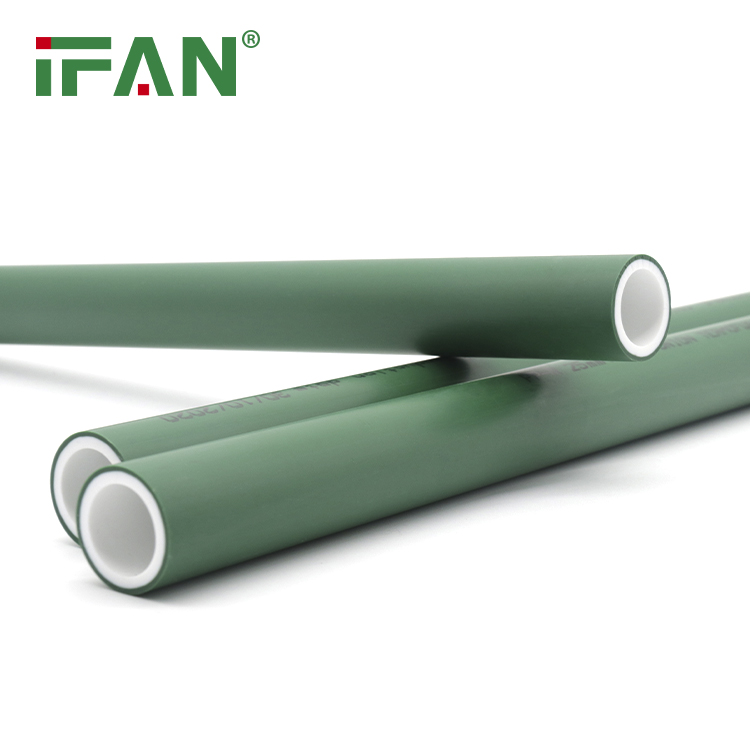
PPR pipes are commonly used in heating systems, including underfloor heating and radiator installations. The high-temperature resistance of PPR pipes allows them to handle hot water circulation efficiently and effectively. The thermal insulation properties of PPR also help in reducing heat loss, improving the energy efficiency of heating systems.
- Irrigation Systems
PPR pipes are utilized extensively in irrigation systems for agricultural purposes. They are suitable for transporting water from the source to the fields due to their excellent chemical resistance and durability. PPR pipes can withstand the corrosive effects of fertilizers, pesticides, and other agricultural chemicals, ensuring the longevity of the irrigation system.
- Rainwater Harvesting Systems
PPR pipes are an ideal choice for rainwater harvesting systems, which are becoming increasingly popular for water conservation. PPR pipes are used to collect rainwater from rooftops and transport it to storage tanks for later use. Their chemical resistance ensures the purity of the stored water, while their durability makes them suitable for long-term use in outdoor environments.
- Plumbing for Recreational Facilities
PPR pipes find applications in plumbing systems for recreational facilities such as swimming pools, water parks, and spas. Their resistance to chlorine and other disinfectants used in water treatment makes them a reliable choice for handling pool water. PPR pipes are also suitable for the distribution of hot water in saunas, spas, and jacuzzis due to their high-temperature resistance.
- Geothermal Heating and Cooling Systems
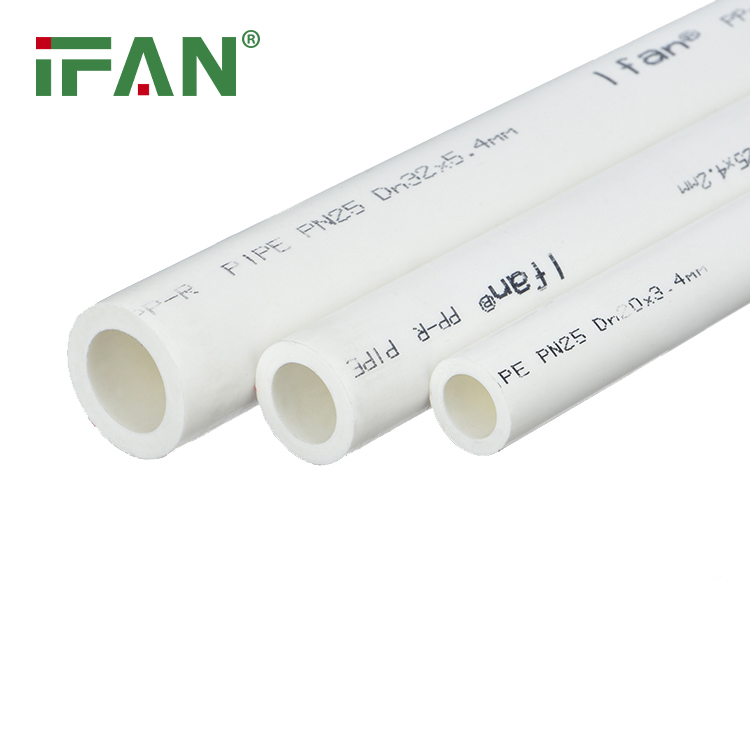
PPR pipes are commonly used in geothermal heating and cooling systems, which utilize the earth’s natural heat to heat or cool buildings. PPR pipes are suitable for circulating the geothermal fluid, which can reach elevated temperatures. Their durability and resistance to corrosion make them an ideal choice for the long-term operation of these systems.
- Pharmaceutical and Laboratory Applications
PPR pipes are utilized in pharmaceutical and laboratory settings where the purity and integrity of fluids are critical. The chemical resistance of PPR pipes ensures that the transported fluids remain uncontaminated. PPR pipes are commonly used for the transport of purified water, pharmaceutical solutions, chemicals, and laboratory reagents.
Conclusion
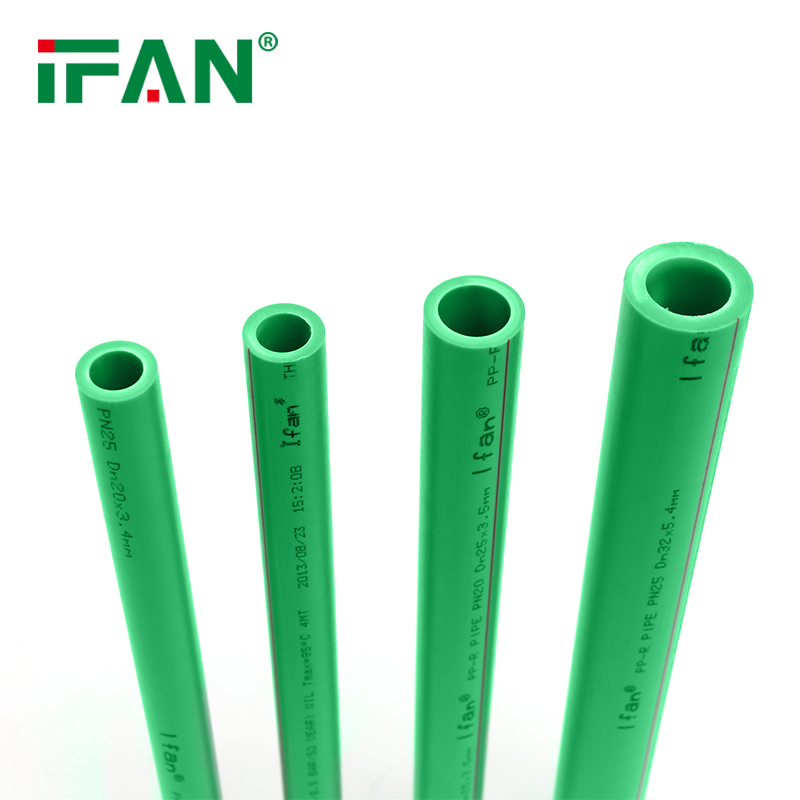
PPR pipes are versatile plumbing materials that find applications in various sectors. They are widely used in residential, commercial, and industrial plumbing systems, including hot and cold water supply. PPR pipes are also employed in heating systems, irrigation systems, rainwater harvesting systems, and plumbing for recreational facilities. They are suitable for geothermal heating and cooling systems and are commonly used in pharmaceutical and laboratory applications. The unique properties of PPR pipes, such as their durability, high-temperature resistance, and chemical resistance, make them a reliable choice for a wide range of plumbing needs.