Introduction
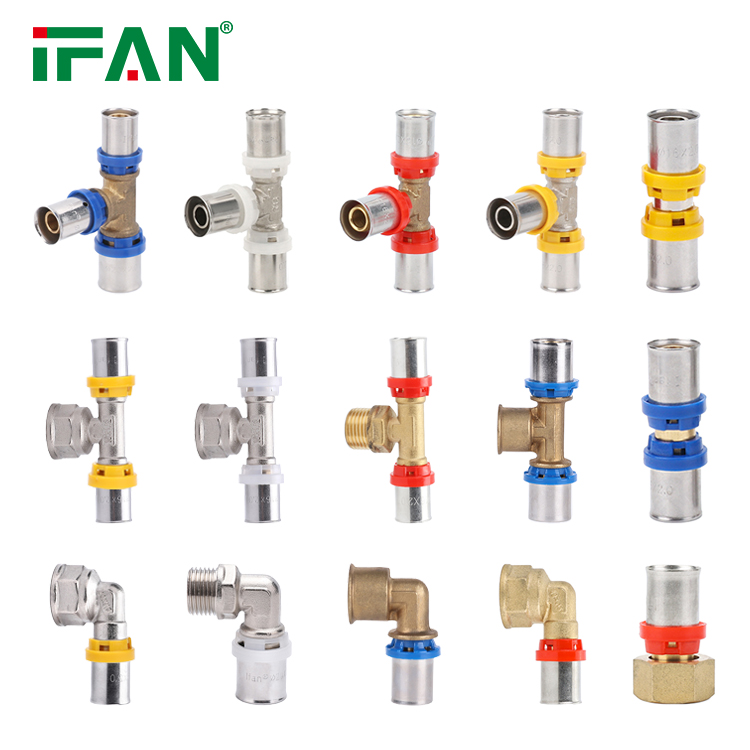
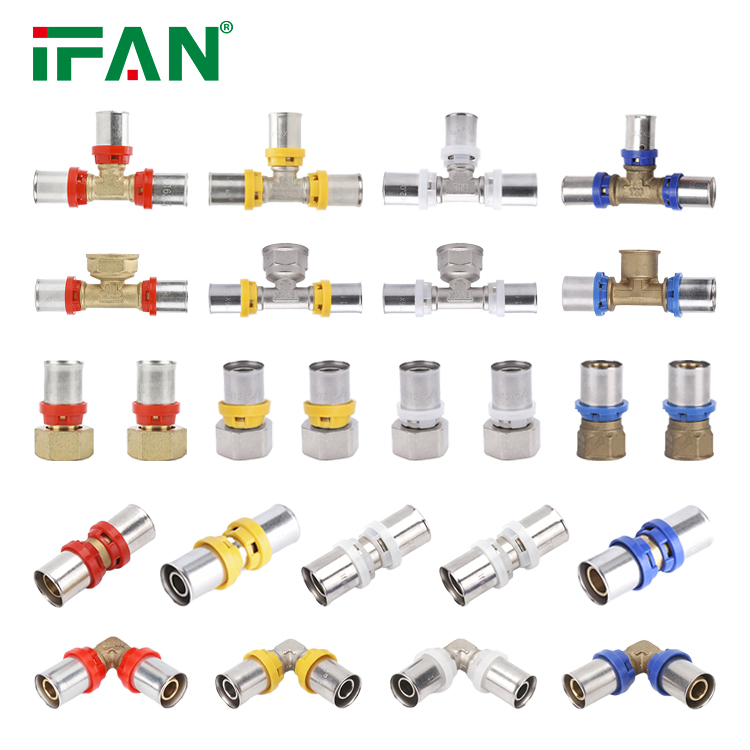
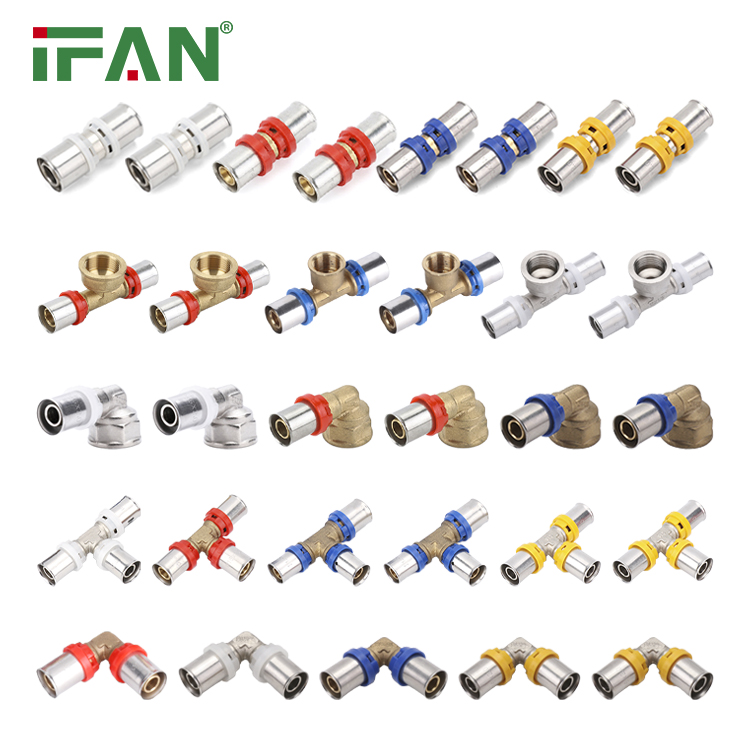
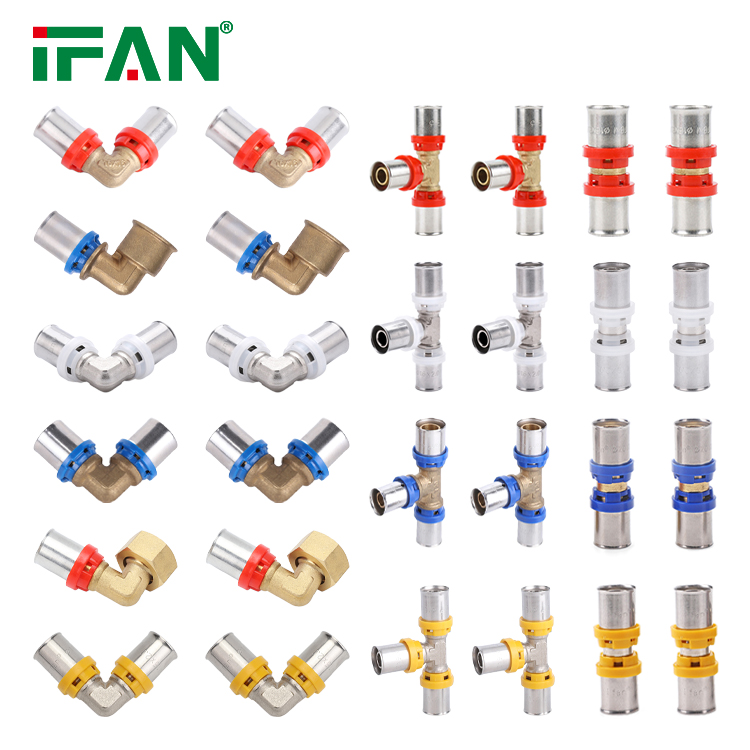
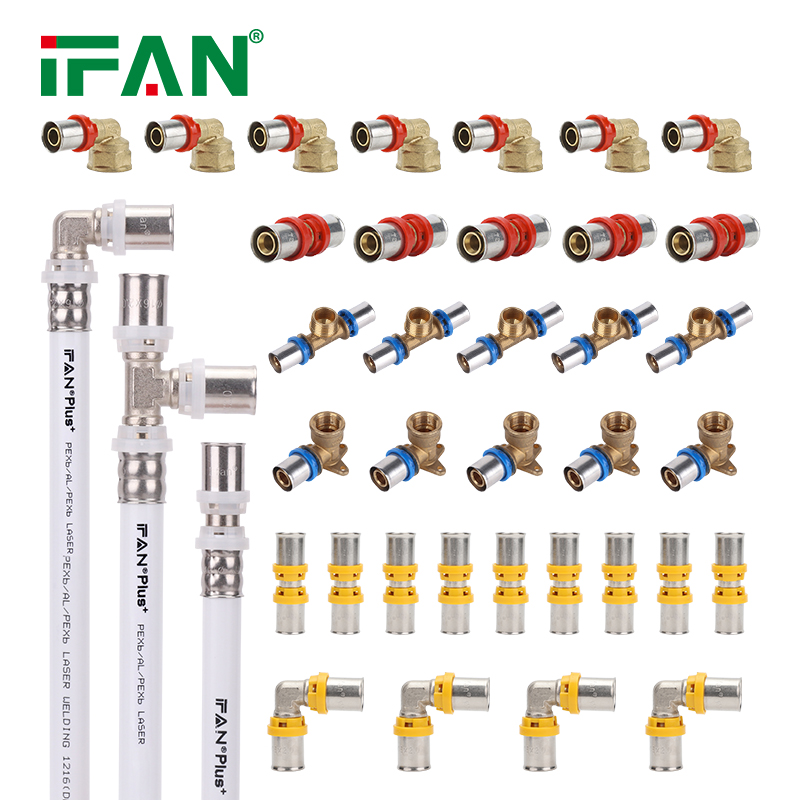
The world of mechanical piping continues to evolve with the introduction of a new Y-joint to comprehensive pipe press fittings ranges. This strategic expansion addresses the growing need for greater versatility and efficiency in designing complex plumbing, heating, and industrial systems. The addition of a Y-joint represents more than just a new product; it signifies a commitment to providing installers and engineers with the precise components needed to tackle modern design challenges. This article explores the functionality of the new Y-joint, its benefits within a press-fit system, and how it enhances the overall utility of pipe press fittings for professionals.
Understanding the Y-Joint in Piping Systems
A Y-joint, also known as a Y-fitting or wye fitting, is a type of pipe fitting that allows one pipeline to be split into two separate lines at a specific angle, typically 45 degrees. This design is distinct from a standard T-joint (90-degree split) as it facilitates a more gradual diversion of flow, which reduces turbulence, minimizes pressure drop, and helps prevent potential blockages in systems carrying waste or other materials.
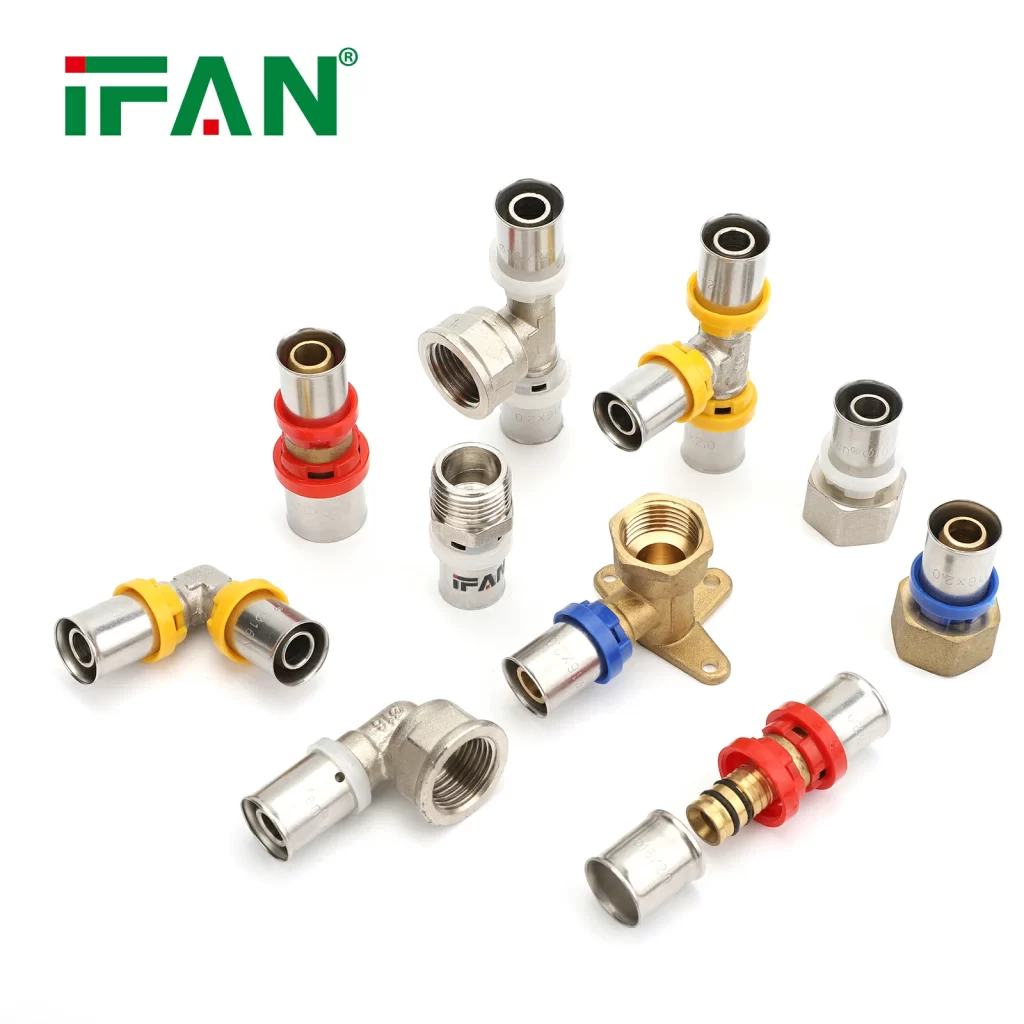
The integration of a Y-joint into a pipe press fittings range means that this specific functionality can now be leveraged with all the speed and reliability of modern press-fit technology. This eliminates the need for time-consuming and skill-dependent alternatives like welding or threading to create these complex connections.
The Advantages of a Press-Fit Y-Joint
The inclusion of a Y-joint in a press-fit system offers several compelling advantages that align with the core benefits of pipe press fittings:
- Maintained System Integrity: Like all pipe press fittings, the Y-joint is manufactured to precise tolerances. When installed correctly with a calibrated pressing tool, it creates a permanent, leak-proof, and robust seal that is consistent with the rest of the pressurized system.
- Dramatically Reduced Installation Time: Creating a branched connection using traditional methods is complex and slow. A press-fit Y-joint can be installed in a matter of minutes—simply cut the pipe, insert the fitting, and press. This efficiency can significantly accelerate project timelines.
- Enhanced Design Flexibility: Engineers and designers now have a greater palette of components to work with. The availability of a press-fit Y-joint allows for more efficient and compact system layouts, particularly in retrofit projects where space is limited and complex angles are required.
- Improved Flow Characteristics: The 45-degree angle of the Y-joint provides a smoother flow path for fluids and gases compared to a sharp 90-degree turn. This leads to greater system efficiency, reduced energy consumption for pumping, and lower noise levels.
- Consistent Quality and Safety: The pressing process is a calibrated, mechanical operation. It removes the variability and potential hazards associated with hot work like welding, ensuring a consistently high-quality connection every time.
Applications for the New Press-Fit Y-Joint
The addition of this fitting opens new possibilities across various sectors:
- Plumbing and Drainage: Ideal for creating efficient branch drains in commercial and residential buildings, where smooth flow is critical to prevent clogs.
- HVAC Systems: Useful for dividing refrigerant lines or creating branches in hydronic heating and cooling systems with minimal flow resistance.
- Industrial Processing: Facilitates the distribution of process fluids, gases, or compressed air to multiple machines from a single supply line within a factory setting.
- Fire Suppression Systems: Allows for more versatile and reliable piping layouts in sprinkler systems, ensuring comprehensive coverage.
The Bigger Picture: A Complete Press-Fit Solution
The introduction of a Y-joint is a key step in the evolution of pipe press fittings systems. It moves the technology beyond simple straight lines and 90-degree turns, offering a solution for nearly any complex configuration imaginable. By expanding the product range to include specialized fittings like the Y-joint, manufacturers are empowering professionals to build entire systems using the press-fit method, thereby maximizing the technology’s benefits of speed, safety, and reliability from start to finish.
Conclusion
The addition of a Y-joint to a pipe press fittings product range is a significant development for the industry. It enhances the versatility of press-fit systems, allowing for more efficient and complex designs without sacrificing the renowned speed and reliability of the installation process. This innovation underscores a continuous drive towards providing comprehensive, high-performance solutions that meet the evolving demands of modern mechanical engineering projects. By embracing these advanced components, professionals can build superior systems that stand the test of time.
FAQs
- What is the main difference between a Y-joint and a T-joint?
A Y-joint splits the flow at a 45-degree angle for a more gradual diversion, reducing turbulence and resistance. A T-joint creates a 90-degree branch, which is more abrupt and can cause greater pressure drop. - Can I use a press-fit Y-joint for any type of pipe?
No, press-fit fittings are designed for specific pipe materials and sizes. You must use a Y-joint that is certified and compatible with your existing pipe material (e.g., copper, stainless steel, carbon steel) and outer diameter. - Do I need a special tool to install a press-fit Y-joint?
Yes, you require a calibrated pressing tool and the correctly sized jaws (dies) designed for that specific fitting size and manufacturer. This ensures the connection is pressed with the correct, uniform force. - Are press-fit Y-joints suitable for high-pressure systems?
Yes, when installed correctly on approved pipe, press-fit systems, including Y-joints, are rated for high-pressure applications. Always check the manufacturer’s specifications for the pressure and temperature ratings of the specific fitting. - Does adding a Y-joint to a system affect the overall warranty?
As long as the Y-joint is from the same manufacturer as the rest of your pipe press fittings system and is installed according to their guidelines using their approved tools, it should be covered under the system’s warranty. Always confirm with the manufacturer’s documentation.