Introduction
In modern plumbing, the choice of piping material is crucial for ensuring efficient, reliable, and long-lasting water delivery systems. Cross-linked polyethylene (PEX) pipes have gained significant popularity due to their flexibility, durability, and resistance to corrosion. While PEX is a common choice, many homeowners may not be aware of the different types of PEX pipes available and their specific applications. This article will explore five types of plumbing PEX pipes you’ll find in homes, while also discussing the alternative of Polypropylene Random Copolymer (PPR) pipes and their advantages.
Understanding PEX Pipes
What are PEX Pipes?
PEX pipes are made from cross-linked polyethylene, a type of plastic that has undergone a chemical process to enhance its properties. PEX is known for its flexibility, making it easy to install in tight spaces and around obstacles. It is commonly used for both residential and commercial plumbing applications.
Benefits of PEX Pipes
- Flexibility: PEX pipes can bend easily, allowing for quick and efficient installation. This flexibility minimizes the need for fittings, which are common leak points.
- Corrosion Resistance: Unlike metal pipes, PEX is resistant to corrosion and scale buildup, ensuring a longer lifespan and better water quality.
- Thermal Insulation: PEX pipes provide excellent thermal insulation, helping to maintain water temperature and reduce energy costs.
- Cost-Effective: While the initial cost of PEX may be higher than some materials, the long-term savings from reduced maintenance and energy costs make it a cost-effective choice.
- Noise Reduction: PEX pipes are quieter than traditional metal pipes, reducing noise from water flow, which is particularly beneficial in residential settings.
Types of PEX Pipes
1. PEX-A (Engel Method)
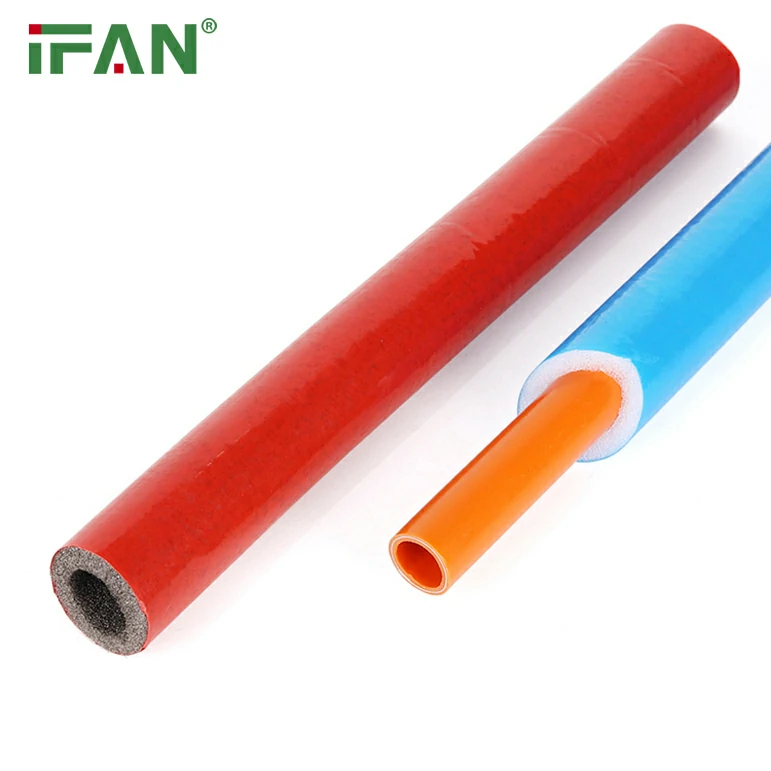
PEX-A is produced using the Engel method, which involves a high-pressure process that creates a highly flexible and durable pipe. This type of PEX is known for its superior flexibility and resistance to kinking.
Applications of PEX-A
- Residential Water Supply: PEX-A is commonly used for hot and cold water supply lines in residential plumbing systems.
- Radiant Heating Systems: Its flexibility allows for easy installation in radiant floor heating systems.
Advantages of PEX-A
- Flexibility: PEX-A can be bent and shaped easily, making it ideal for complex plumbing layouts.
- Resistance to Cracking: This type of PEX is less likely to crack in freezing conditions due to its ability to expand.
2. PEX-B (Silane Method)
PEX-B is manufactured using the silane method, which involves the addition of silane to the polyethylene. This process results in a pipe that is slightly less flexible than PEX-A but still highly durable.
Applications of PEX-B
- Water Distribution Systems: PEX-B is commonly used in water distribution systems for both residential and commercial applications.
- Hydronic Heating: It is also suitable for hydronic heating systems.
Advantages of PEX-B
- Cost-Effective: PEX-B is often less expensive than PEX-A, making it a popular choice for budget-conscious projects.
- Chemical Resistance: PEX-B is resistant to a wide range of chemicals, making it suitable for various applications.
3. PEX-C (Chlorine Method)
PEX-C is produced using the chlorine method, which involves exposure to chlorine gas during the manufacturing process. This type of PEX is known for its affordability and ease of installation.
Applications of PEX-C
- Residential Plumbing: PEX-C is commonly used in residential plumbing applications, particularly for cold water supply lines.
- Irrigation Systems: It is also suitable for irrigation systems due to its resistance to UV rays.
Advantages of PEX-C
- Affordability: PEX-C is typically the most affordable type of PEX, making it a popular choice for homeowners.
- Ease of Installation: Its lightweight nature and flexibility make PEX-C easy to handle and install.
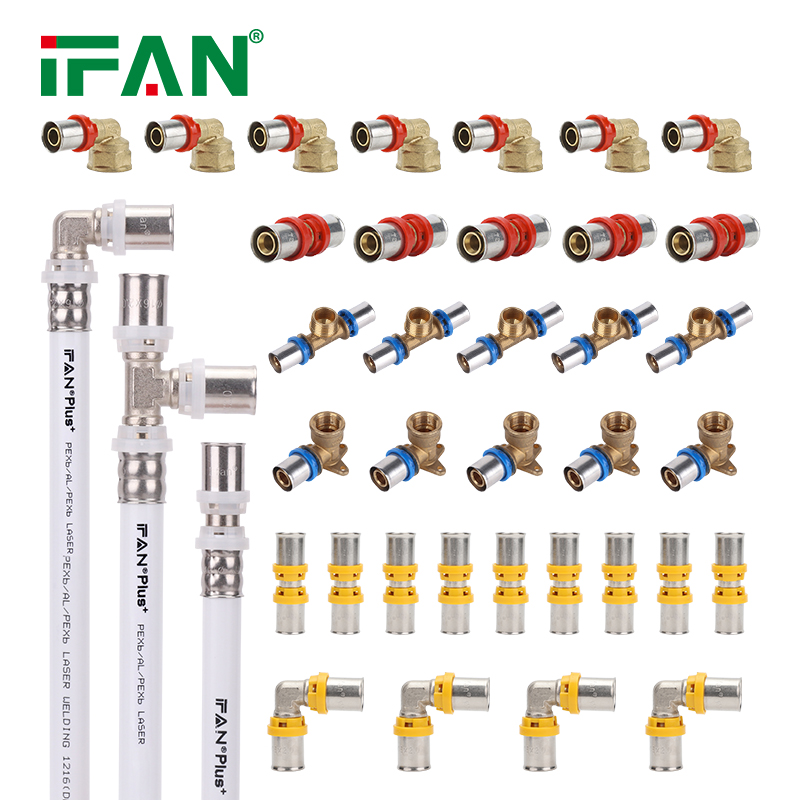
4. PEX-AL-PEX (Aluminum Layered PEX)
PEX-AL-PEX is a composite pipe that combines layers of PEX with an aluminum layer. This design provides the benefits of both materials, resulting in a pipe that is strong, flexible, and resistant to temperature changes.
Applications of PEX-AL-PEX
- Radiant Heating: PEX-AL-PEX is commonly used in radiant heating systems due to its ability to withstand higher temperatures.
- High-Pressure Applications: This type of PEX is suitable for high-pressure applications, such as in commercial plumbing systems.
Advantages of PEX-AL-PEX
- Strength: The aluminum layer adds strength and stability, making it suitable for various applications.
- Temperature Resistance: PEX-AL-PEX can handle higher temperatures than standard PEX, making it ideal for hot water applications.
5. PEX for Outdoor Use
Some PEX pipes are specifically designed for outdoor applications. These pipes are typically UV-resistant and designed to withstand extreme weather conditions.
Applications of Outdoor PEX
- Irrigation Systems: Outdoor PEX is commonly used in irrigation systems to distribute water to gardens and lawns.
- Hydronic Heating: It can also be used in outdoor hydronic heating systems.
Advantages of Outdoor PEX
- UV Resistance: Outdoor PEX is designed to resist degradation from UV rays, ensuring a longer lifespan.
- Durability: It can withstand extreme temperatures and harsh weather conditions, making it suitable for outdoor installations.
PPR Pipes: An Alternative to PEX
While PEX pipes offer numerous advantages, it’s essential to consider other materials like Polypropylene Random Copolymer (PPR) pipes. PPR pipes are made from a thermoplastic polymer that is known for its strength, durability, and resistance to chemical corrosion.
Benefits of PPR Pipes
- Chemical Resistance: PPR pipes are highly resistant to a wide range of chemicals, making them suitable for various applications.
- Thermal Stability: These pipes can handle high temperatures, making them ideal for hot water applications.
- Long Lifespan: PPR pipes have a lifespan that often exceeds 50 years, which reduces the need for frequent replacements.
- Eco-Friendly: Made from recyclable materials, PPR pipes contribute to sustainable plumbing solutions.
Applications of PPR Pipes
- Hot and Cold Water Supply: PPR pipes are commonly used in hot and cold water supply systems in residential and commercial buildings.
- Industrial Applications: PPR pipes are also suitable for various industrial applications due to their chemical resistance.
Conclusion
Understanding the different types of plumbing PEX pipes available can help homeowners make informed decisions about their plumbing systems. From PEX-A to PEX-AL-PEX, each type has its unique benefits and applications. While PEX is a popular choice for many plumbing needs, alternatives like PPR pipes also offer significant advantages, particularly in terms of chemical resistance and longevity. By considering the specific requirements of your plumbing project, you can choose the best piping material for your needs.
Frequently Asked Questions (FAQs)
1. What is the main difference between PEX-A, PEX-B, and PEX-C?
PEX-A is known for its superior flexibility and resistance to kinking, PEX-B is more cost-effective and chemically resistant, while PEX-C is the most affordable and easy to install.
2. Can PEX pipes be used for both hot and cold water supply?
Yes, PEX pipes are suitable for both hot and cold water supply applications, making them versatile for various plumbing needs.
3. Are PEX pipes resistant to freezing?
PEX pipes are more resistant to freezing than traditional materials. They can expand slightly when water freezes, reducing the risk of bursting.
4. How long do PEX pipes typically last?
PEX pipes have a lifespan of 25 to 50 years, depending on installation conditions and maintenance.
5. What are the advantages of using PPR pipes over PEX pipes?
PPR pipes offer excellent chemical resistance, thermal stability, and a longer lifespan, making them suitable for various applications, especially in industrial settings.