Title: Discovering the Advantages of UPVC Pipe Fittings for Plumbing Applications
Introduction:
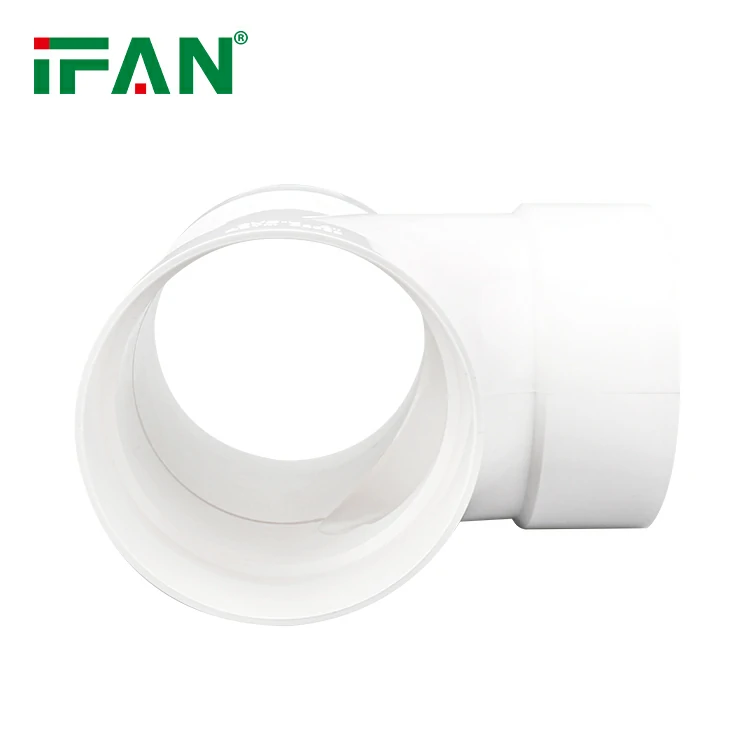
UPVC pipe fittings are becoming increasingly popular in the plumbing industry due to their versatility and durability. This article will explore the advantages of using UPVC pipe fittings for plumbing applications.
Durability:
UPVC pipe fittings are highly durable, resistant to corrosion, and can withstand high levels of pressure and temperature. The material is also resistant to chemicals, making it suitable for various plumbing applications.
Affordability:
UPVC pipe fittings are cost-effective and provide long-term cost savings due to their durability and longevity. The low cost of UPVC pipes and fittings makes them an attractive option for both residential and commercial plumbing projects.
Versatility:
UPVC pipe fittings are highly versatile and can be used for a wide range of plumbing applications, including sewage lines, drainage systems, and water supply networks. Their flexibility also makes them easy to install, reducing labor and installation costs.
Low Maintenance:
UPVC pipe fittings require low maintenance and do not require regular cleaning or replacement. This makes them ideal for hard-to-reach areas or areas with limited access.
Sustainability:
UPVC pipe fittings are made from recyclable materials, making them an eco-friendly option for plumbing projects. The material is also non-toxic, preventing contamination of water or soil sources.
Conclusion:
UPVC pipe fittings offer numerous advantages over traditional pipe fittings in plumbing applications. Their durability, affordability, versatility, low maintenance, and sustainability make them an attractive option for both residential and commercial projects. Consider incorporating UPVC pipe fittings into your next plumbing project for long-term cost savings and reliable performance.
Meta-description: Discover the benefits of UPVC pipe fittings for plumbing projects, including durability, affordability, versatility, low maintenance, and sustainability.