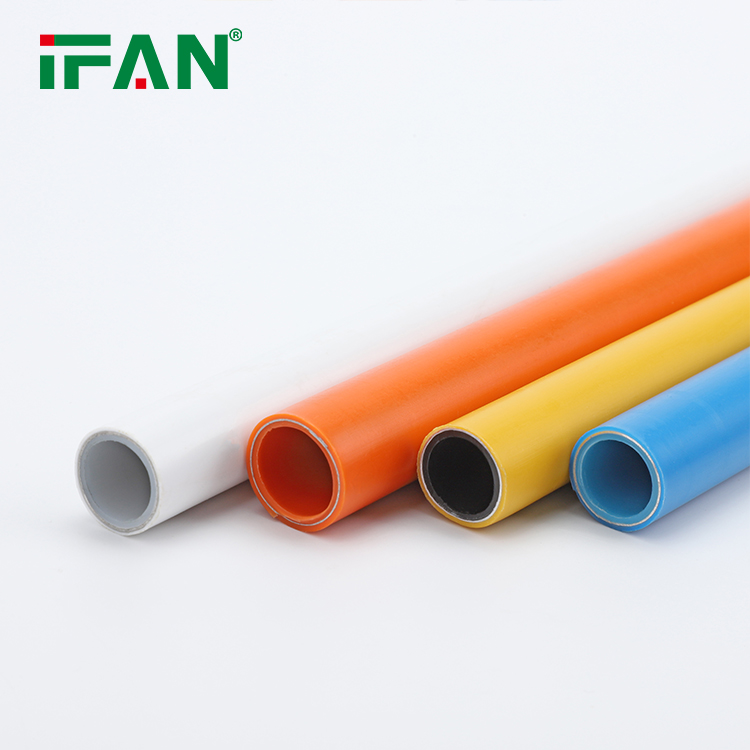
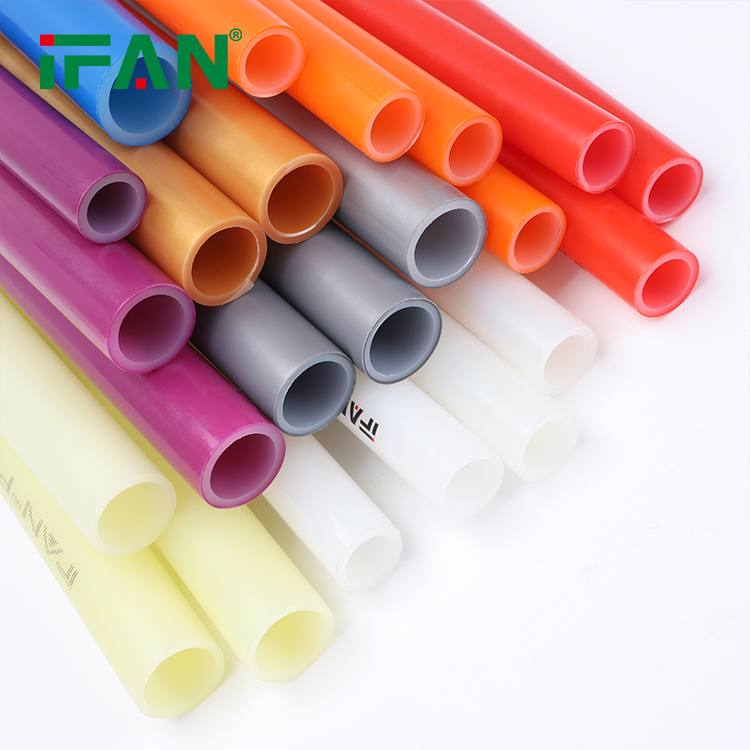
Radiant floor heating has a reputation for being comfortable and efficient, but that reputation only holds up when the system is designed with a few key variables in mind. PEX pipe is the backbone of most modern hydronic floor systems, and how you specify it—diameter, spacing, loop length, and how it interacts with the rest of the build-up—determines whether the floor feels evenly warm or leaves you chasing cold spots for years. Here are five factors that actually move the needle.
Pipe Diameter: Small Differences, Real Consequences
It is tempting to assume bigger pipe equals better performance, but the math is more nuanced. A 5/8-inch PEX pipe can transfer roughly 6–8% more heat per foot than 1/2-inch pipe under identical conditions, largely because of greater surface area in contact with the thermal mass. More importantly, the larger diameter allows circuits to run about 20% longer before the water cools too much, and it cuts head loss significantly—which can mean a smaller circulator and lower operating cost. That said, 5/8-inch pipe is stiffer and harder to bend into tight spacing, so it is not automatically the right call for every room. For tight layouts, 1/2-inch remains the practical workhorse.
Pipe Spacing: The Heat Output Dial
Spacing is your primary lever for matching heat output to a room’s actual load. Tighter spacing means more pipe per square metre and more energy delivered to the floor surface. Research comparing 15 mm and 30 mm spacing found a supply water temperature difference of roughly 7.4°C between the two—tighter spacing lets you run cooler water for the same heat output. That matters for efficiency, especially with condensing boilers or heat pumps. The trade-off is cost and pressure drop: denser layouts use more pipe and require a pump that can handle the added resistance. Bathrooms and north-facing rooms usually justify tighter spacing; well-insulated open-plan areas often do fine with wider centres.
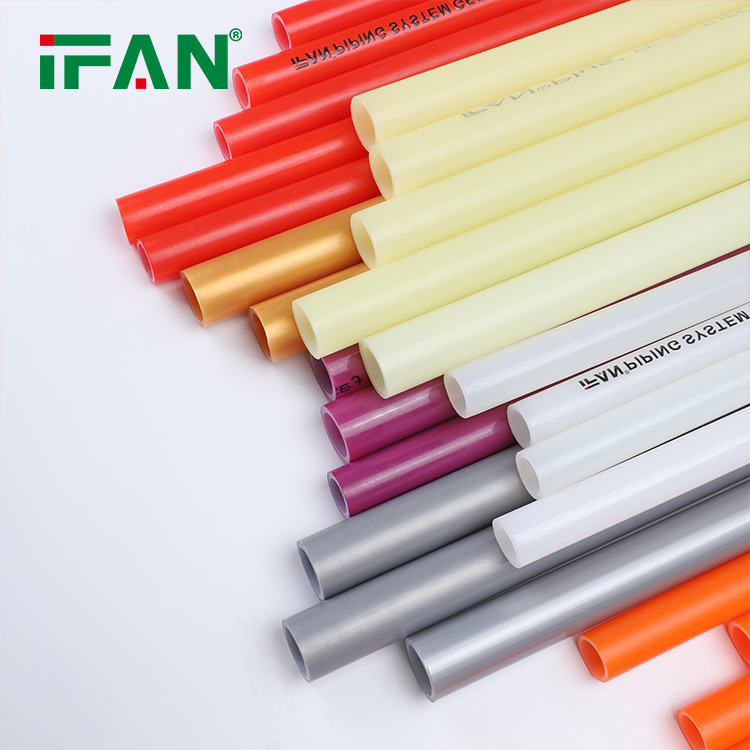
Loop Length: Where Good Designs Go Wrong
Every pipe diameter has a practical ceiling for circuit length. For common 16 mm PEX, that ceiling sits around 120 metres per loop. Push past it and the pressure drop climbs, the water temperature drops noticeably by the time it reaches the end of the circuit, and you get that familiar complaint: “the far side of the room never really warms up.” If a room’s heat load demands more pipe than the limit allows, split it into two shorter loops fed from the same manifold. Your pump will run quieter, and the floor temperature will be more uniform. The pump only needs to overcome the resistance of the longest loop, not the sum of all loops, so keeping individual circuits within reason pays off directly at the circulator.
Floor Covering: The Silent Performance Killer
You can specify the perfect pipe layout and still end up with a disappointing system if the floor finish fights you. Floor coverings with high thermal resistance act as insulation between the warm pipe and the room. One study recommends keeping covering resistance below R = 0.15 m²·K/W; above that, the system’s thermal efficiency drops considerably. Tile and stone are forgiving. Thick carpet or dense rubber underlay? That is where radiant systems go to struggle. If carpet is non-negotiable, tighter pipe spacing and a slightly higher supply temperature can compensate—but it is far easier to have that conversation during design than after the floor is laid.
Water Quality and Oxygen Barrier: The Long Game
This one rarely makes it into the sales brochure, but it decides how the system behaves five or ten years down the line. Oxygen diffusion through standard PEX walls can gradually corrode the ferrous components in the loop—pump housings, boiler internals, any cast-iron parts. That is why oxygen-barrier PEX (often marked with an EVOH layer) is the standard recommendation for closed hydronic systems, not just for the pipe’s own sake but for everything it touches. Water chemistry matters too: pH, hardness, and dissolved solids all influence scale formation and flow resistance. A system that runs clean water through barrier pipe at the right pH simply lasts longer and holds its heat output. It is not a glamorous topic, but ignoring it is how small issues become expensive ones.
Why the Details Compound
None of these factors works in isolation. Tighter spacing increases pipe volume, which affects loop length limits, which changes pressure drop, which influences pump selection. Choose a high-resistance floor covering and you may need to tighten spacing to compensate, which pushes you toward shorter loops. The engineers who get radiant floors right are the ones who treat these five variables as a connected system rather than a checklist. Run the numbers, then walk the actual rooms before you order—because the floor you cannot easily change later is the one worth getting right the first time.