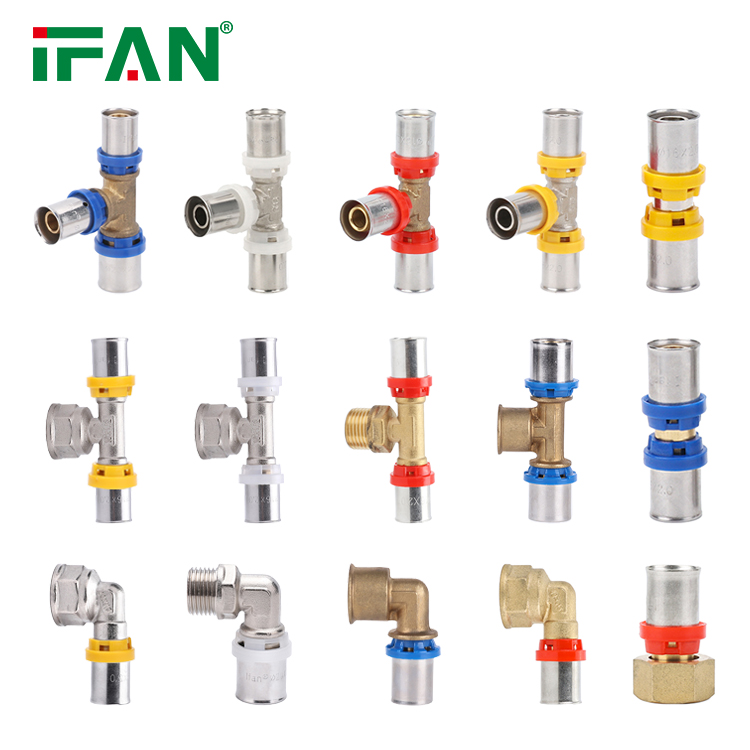
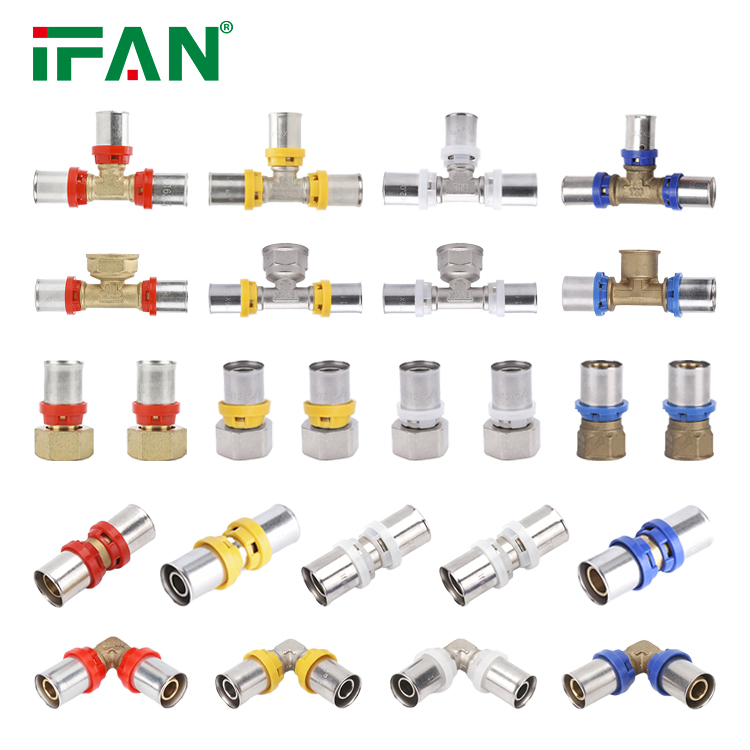
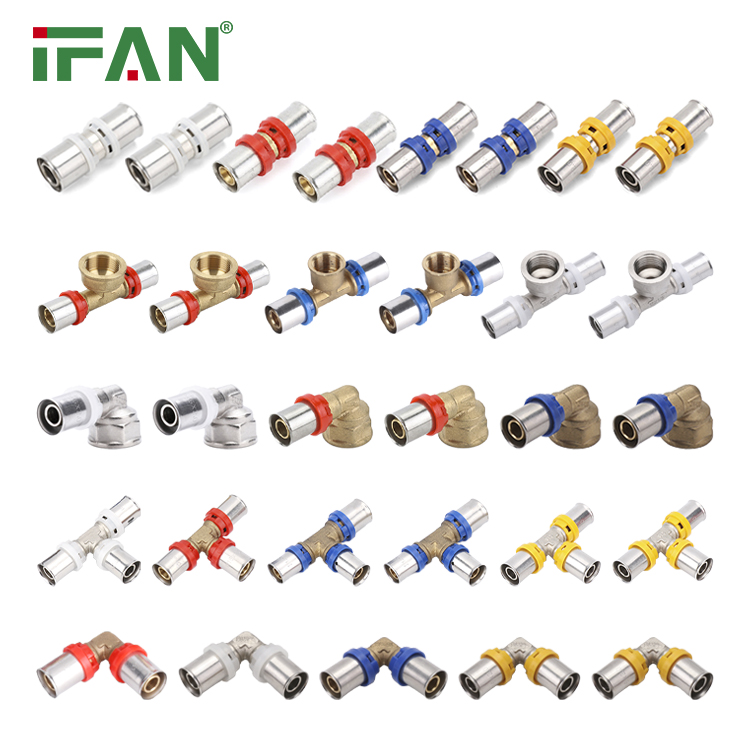
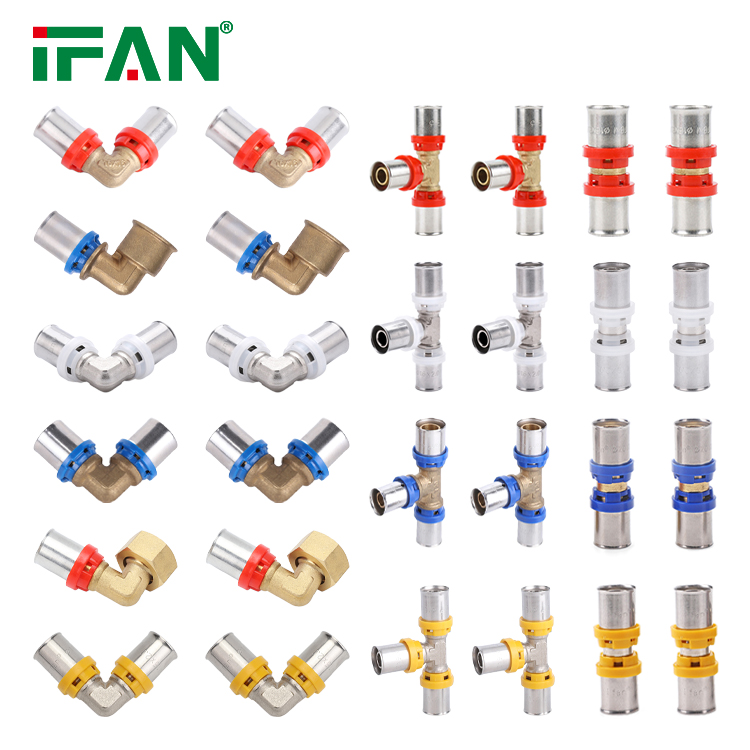
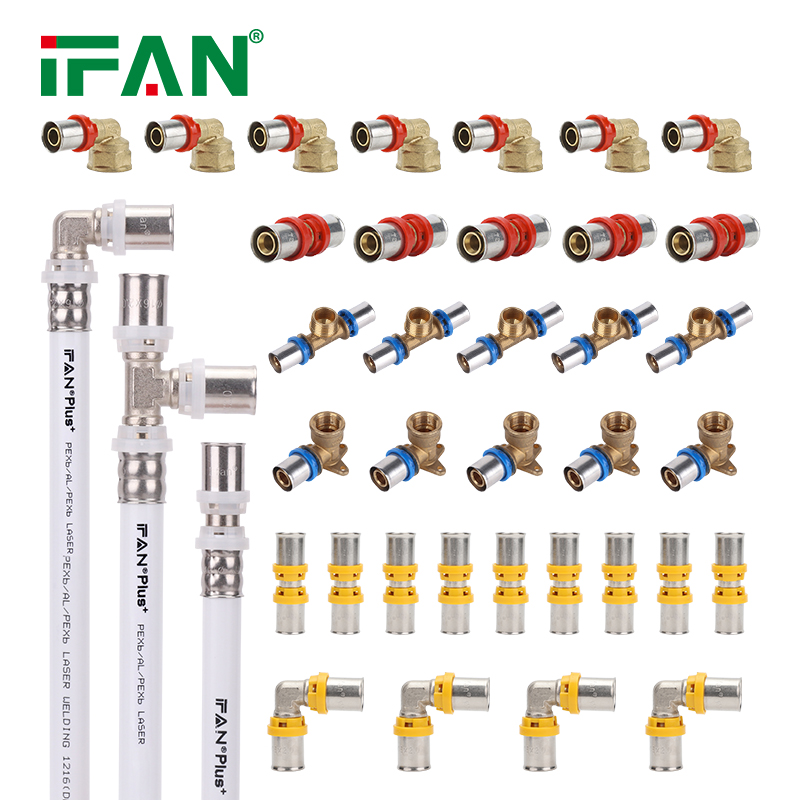
IFAN factory 30+ years manufacture experience support color /size customization support free sample.Welcome to consult for catalog and free samples.This is our Facebook Website:www.facebook.com,Click to watch IFAN’s product video.Compared with Tomex products, our IFAN products from quality to price are your best choice, welcome to buy!
1. Understanding the Risks of Over-tightening
Over-tightening brass fittings is a common issue that can lead to several problems, including damage to the fittings, leakage, and compromised system integrity. Brass is a relatively soft metal, and excessive torque can cause it to deform, crack, or even break. This not only affects the functionality of the fitting but can also result in leaks or system failures. It is essential to understand the potential consequences of over-tightening to take preventive measures and ensure the longevity and performance of brass fittings.
2. Use the Correct Tools
Using the right tools is crucial to avoid over-tightening brass fittings. Adjustable wrenches, pipe wrenches, or torque wrenches should be used according to the fitting size and type. A torque wrench, in particular, is highly recommended because it allows for precise control over the amount of torque applied. This ensures that the fitting is tightened to the manufacturer’s specified torque value, preventing the risk of over-tightening. Regular calibration and maintenance of tools are also important to ensure their accuracy.
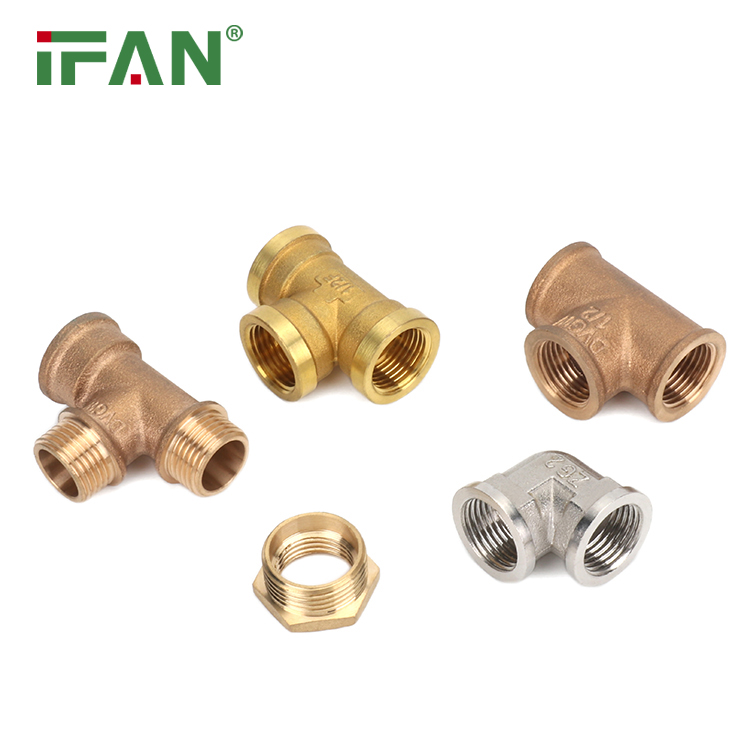
3. Follow Manufacturer’s Specifications
Always adhere to the manufacturer’s specifications for torque settings when installing or tightening brass fittings. These specifications provide the recommended torque range for different sizes and types of fittings, ensuring optimal performance and preventing damage. Manufacturer guidelines can typically be found in product manuals or technical datasheets. Following these recommendations is essential, as they are based on the material properties and design of the fittings, providing a safe and effective tightening approach.
4. Employ Proper Installation Techniques
Proper installation techniques can significantly reduce the risk of over-tightening. Begin by hand-tightening the fitting to ensure it is properly aligned and seated. Once hand-tight, use a wrench to apply additional torque gradually. It is important to tighten the fitting in small increments, checking frequently to avoid excessive force. Additionally, using thread sealant or tape can help create a secure seal without relying solely on excessive tightening, which can be damaging.

5. Regular Inspection and Maintenance
Regular inspection and maintenance of brass fittings can help identify issues before they become significant problems. Periodically check for signs of leakage, corrosion, or deformation, and address any issues promptly. Regular maintenance also involves ensuring that fittings are properly tightened according to the manufacturer’s specifications and that no over-tightening has occurred. By keeping a close eye on the condition of the fittings and performing routine checks, you can prevent potential problems and extend the lifespan of the fittings.
In summary, avoiding over-tightening of brass fittings requires a combination of understanding the risks, using the correct tools, following manufacturer specifications, employing proper installation techniques, and conducting regular inspections. By adhering to these guidelines, you can ensure that brass fittings are installed and maintained correctly, minimizing the risk of damage and ensuring reliable performance.