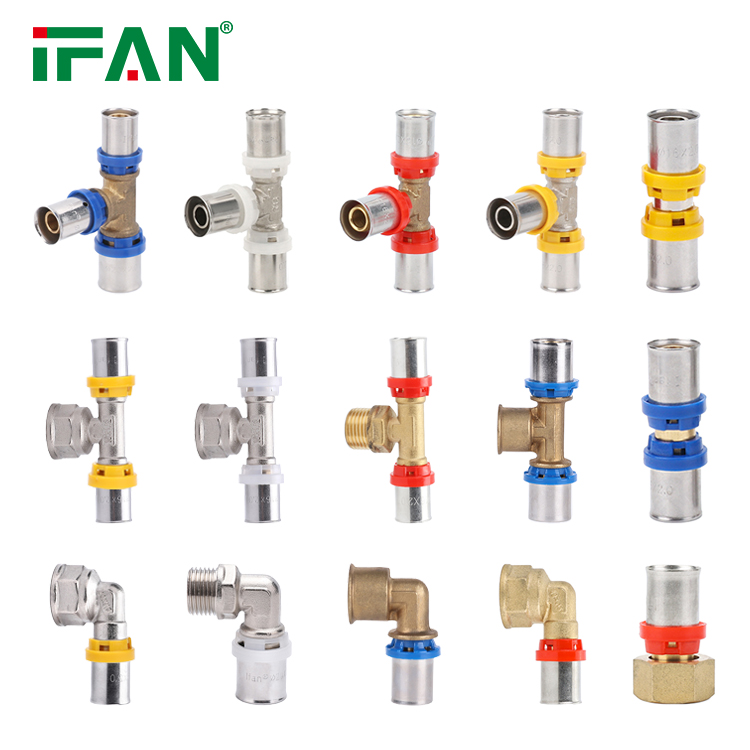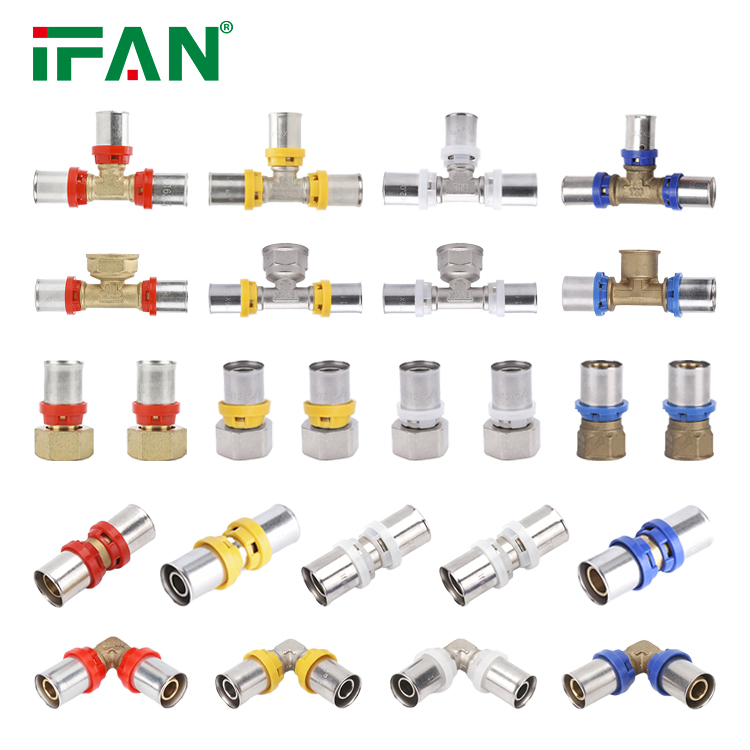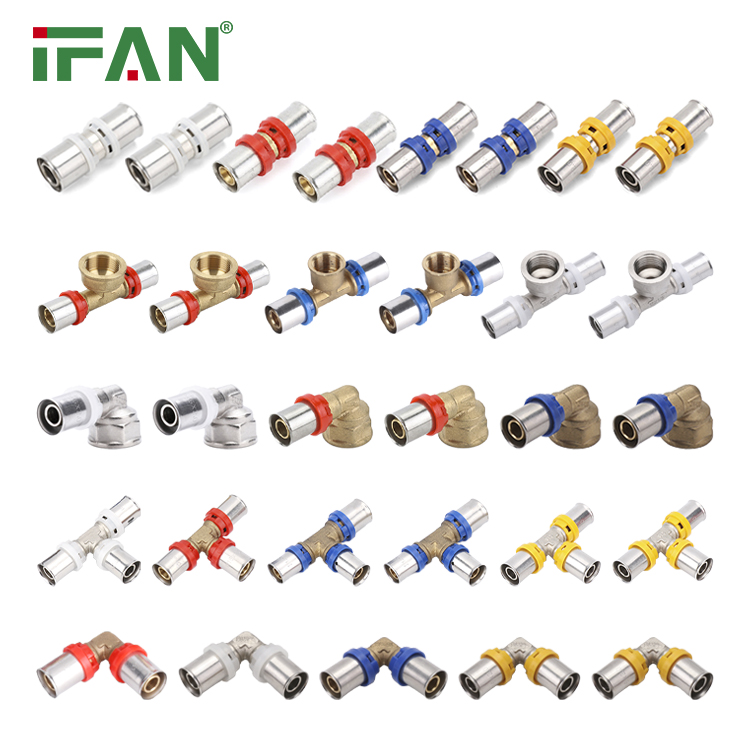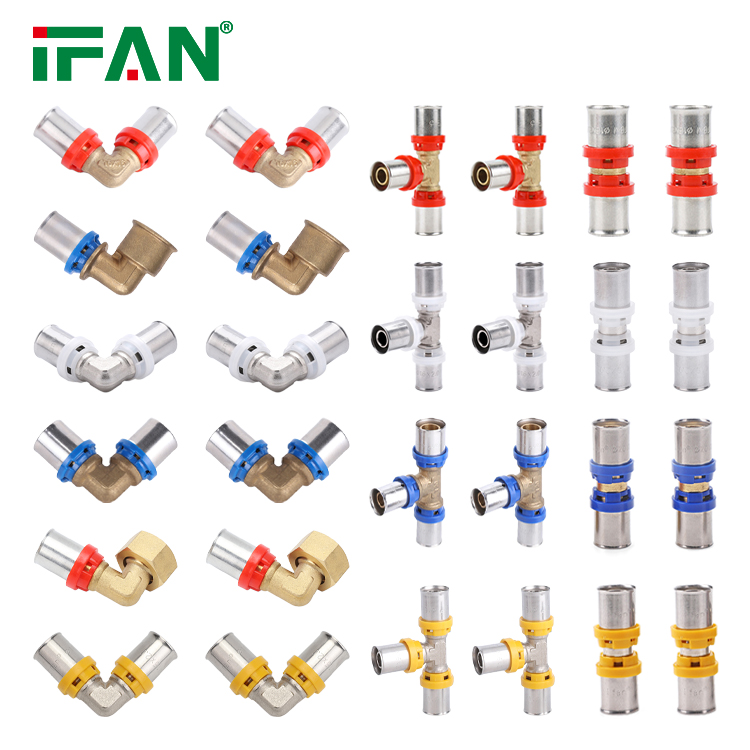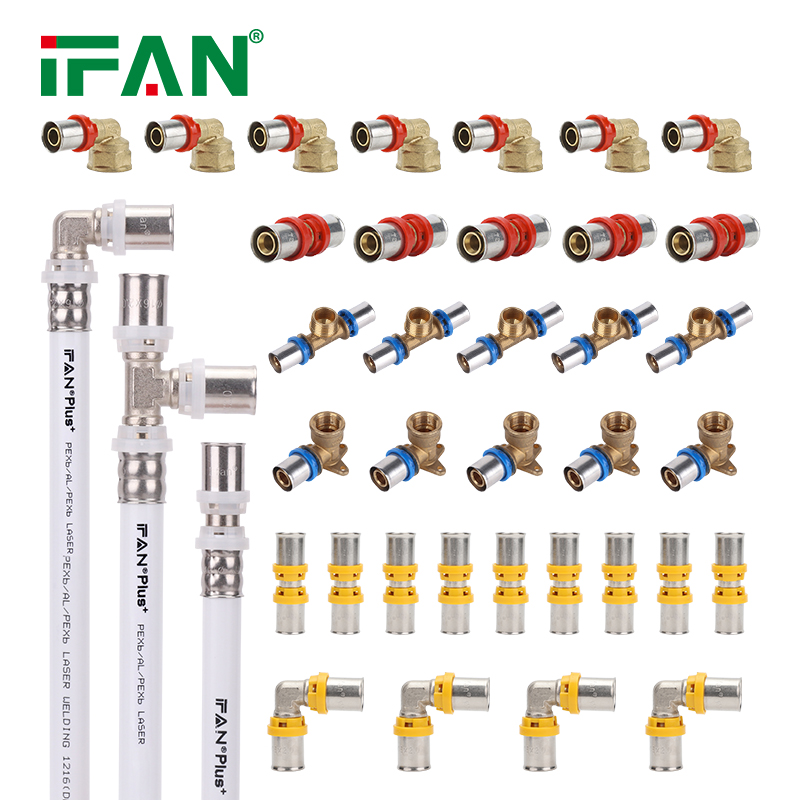
IFAN factory 30+ years manufacture experience support color /size customization support free sample.Welcome to consult for catalog and free samples.This is our Facebook Website:www.facebook.com,Click to watch IFAN’s product video.Compared with Tomex products, our IFAN products from quality to price are your best choice, welcome to buy!
1. Identifying Common Causes of Leaks
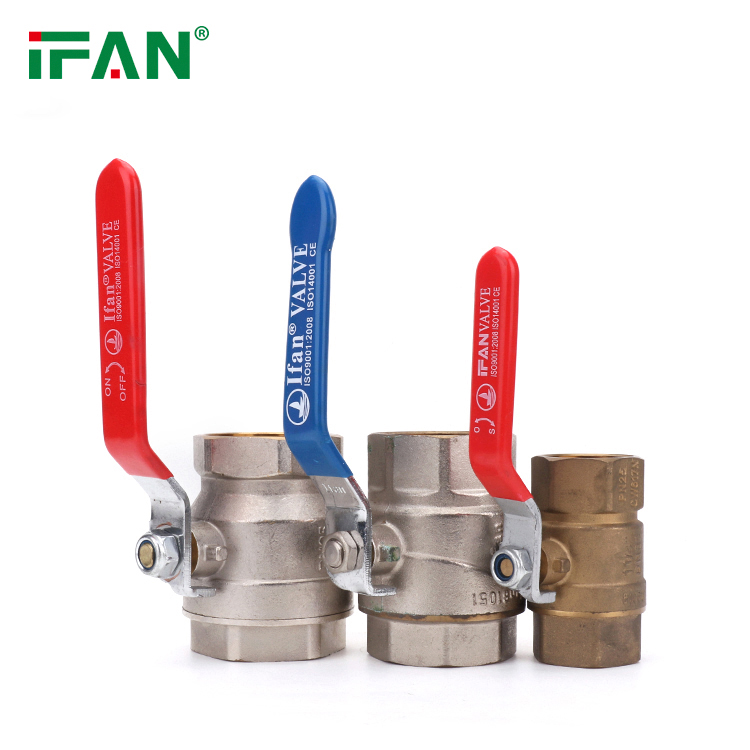
Leaks in brass ball valves can arise from several common issues. The most frequent cause is a worn or damaged seal or packing. Over time, the seals that prevent leaks can degrade due to continuous use or exposure to harsh conditions. Another common issue is the buildup of debris or mineral deposits in the valve, which can cause the ball to not seal properly against the valve seats. Additionally, improper installation or over-tightening of the valve can lead to leaks. Identifying the specific cause requires a careful inspection of the valve to determine if the leak is due to a faulty seal, debris, or installation errors.
2. Inspecting and Replacing Seals
To address leaks, start by inspecting the valve seals. If the leak is coming from around the valve handle or body, the seals or packing may need replacement. Turn off the system and release any pressure before disassembling the valve. Carefully remove the handle and other components to access the seals. Inspect them for signs of wear, cracking, or deformation. Replace any damaged seals with new ones of the correct size and material. Ensure that the new seals are properly aligned and seated to prevent future leaks. Reassemble the valve, making sure all connections are secure, and test for leaks before returning the system to service.
3. Cleaning and Removing Debris
Debris or mineral buildup can prevent the valve from sealing correctly, leading to leaks or malfunctions. To clean the valve, first, shut off the system and relieve any pressure. Disassemble the valve and inspect the interior for debris or buildup. Use a suitable solvent or cleaning solution to dissolve and remove any deposits from the valve ball and seats. A soft brush or cloth can help dislodge stubborn debris. After cleaning, thoroughly rinse and dry all components before reassembling the valve. Ensure that no debris remains in the valve or piping before restoring the system to operation.
4. Checking for Installation Issues
Improper installation can lead to leaks and malfunctions in brass ball valves. Check that the valve is installed correctly according to the manufacturer’s specifications. Ensure that the valve is oriented properly in the pipeline and that all connections are tight but not over-tightened. Over-tightening can damage the valve body or cause misalignment, leading to leaks. Verify that the valve’s flow direction matches the system’s requirements and that any required support or alignment fixtures are in place. Correct any installation issues by adjusting or reinstalling the valve as needed.
5. Diagnosing and Addressing Operational Issues
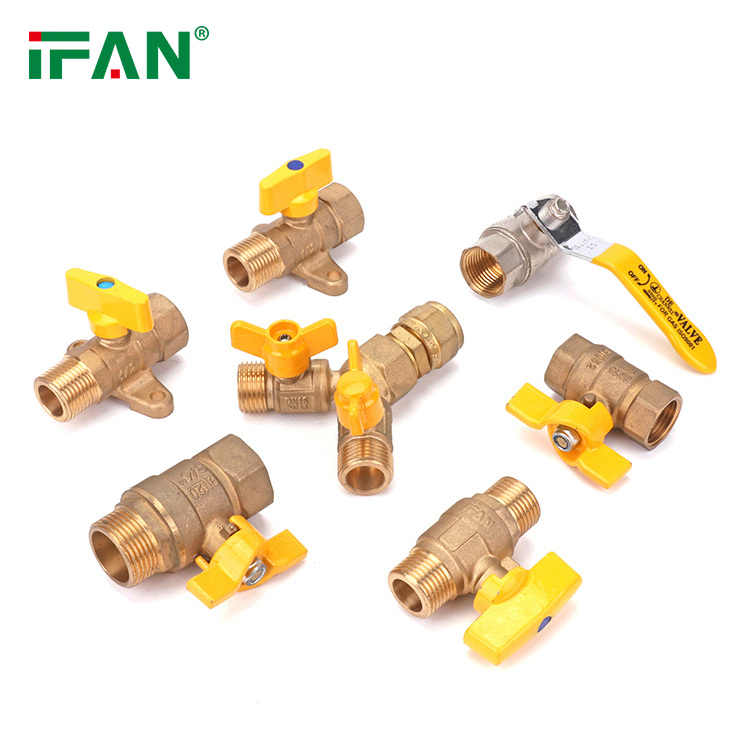
If the valve is not functioning correctly despite addressing leaks, there may be operational issues. Common problems include the valve not fully opening or closing, which can be due to internal damage or alignment issues. Check the valve handle for smooth operation and ensure that it moves freely without resistance. Inspect the valve ball and seats for signs of damage or wear. If the valve does not operate as expected, it may need to be replaced or repaired. Consult the manufacturer’s guidelines for specific troubleshooting steps or consider professional assistance if the problem persists.
In summary, troubleshooting leaks and malfunctions in brass ball valves involves identifying common causes such as worn seals, debris buildup, and installation errors. By inspecting and replacing seals, cleaning the valve, checking for proper installation, and diagnosing operational issues, you can effectively address and resolve problems. Proper maintenance and timely repairs will ensure the continued reliable performance of brass ball valves in your system.